Laser caps for hair growth are gaining popularity as a non-invasive solution for fighting hair loss. By using low-level laser therapy (LLLT), these FDA-cleared devices stimulate hair follicles, improve blood flow, and promote new hair growth. However, choosing the right laser cap can be overwhelming, with many options. This guide will help you identify the best laser caps tailored to your needs, whether you're male or female, and whether you're dealing with moderate or advanced hair loss. We'll also explore consumer reviews, potential side effects, maintenance tips, and expert-backed recommendations to ensure you make an informed decision.
A randomized double-blind study published in Lasers in Surgery and Medicine (2014) found that participants using LLLT devices experienced a significant increase in hair density over 26 weeks. This evidence underscores the potential effectiveness of laser caps when used correctly. |
Quick Links: Best Laser Caps for Hair Growth
|
What is a Laser Cap for Hair Growth?
A laser cap is a wearable device that uses low-level light therapy (LLLT) to rejuvenate hair follicles and encourage hair growth. These devices aim to slow thinning and promote thicker, healthier hair by prolonging the hair follicle growth phase. Suitable for both men and women, laser caps can be effective across various stages of hair loss. Laser caps work by emitting low-level red light to stimulate hair follicles, boost cellular energy (ATP), improve blood circulation, and reduce inflammation. This helps extend the hair's growth phase and potentially increases hair density over time.
Factors to Consider When Choosing a Laser Cap
1. Laser Technology
- Lasers vs. LEDs: High-quality devices use medical-grade lasers instead of LEDs, which provide deeper scalp penetration.
- Wavelength: Look for wavelengths around 650-680 nanometers, which have been shown to stimulate follicles effectively.
2. Coverage Area
- Moderate Hair Loss: Devices with fewer diodes might be sufficient for thinning at the crown or hairline.
- Advanced Hair Loss: Opt for caps with 200-300 laser diodes for comprehensive coverage of the scalp.
3. User-Specific Needs
- For Men, Androgenic alopecia (male-pattern baldness) often affects the crown or hairline. Choose caps designed for targeted coverage in these areas.
- For Women: Women typically have diffuse thinning. Full-coverage caps ensure even treatment.
- For Sensitive Scalps: Devices with adjustable intensity settings minimize irritation.
4. Ease of Use
- Design: Hands-free, lightweight caps let you continue daily activities during treatment.
- Battery Life: Longer-lasting rechargeable batteries reduce interruptions.
5. FDA Clearance
Always select an FDA-cleared device. This certification indicates that the cap meets stringent safety and efficacy standards.
6. Price and Warranty
Laser caps range from $500 to $3,000. Invest in quality and look for warranties of 1-2 years. Reliable brands that stand behind their products often offer robust customer support and guarantees.
Affiliate Disclosure: This post may contain affiliate links. When you click on these links and make a purchase, we may earn a small commission at no extra cost to you. We only recommend products we believe will benefit our readers. Always consult with a medical professional for personalized advice.
Comparison of Top Laser Caps
| Device | Diodes & Tech | Coverage | Ideal For | Price Range | FDA-Cleared |
|---|---|---|---|---|---|
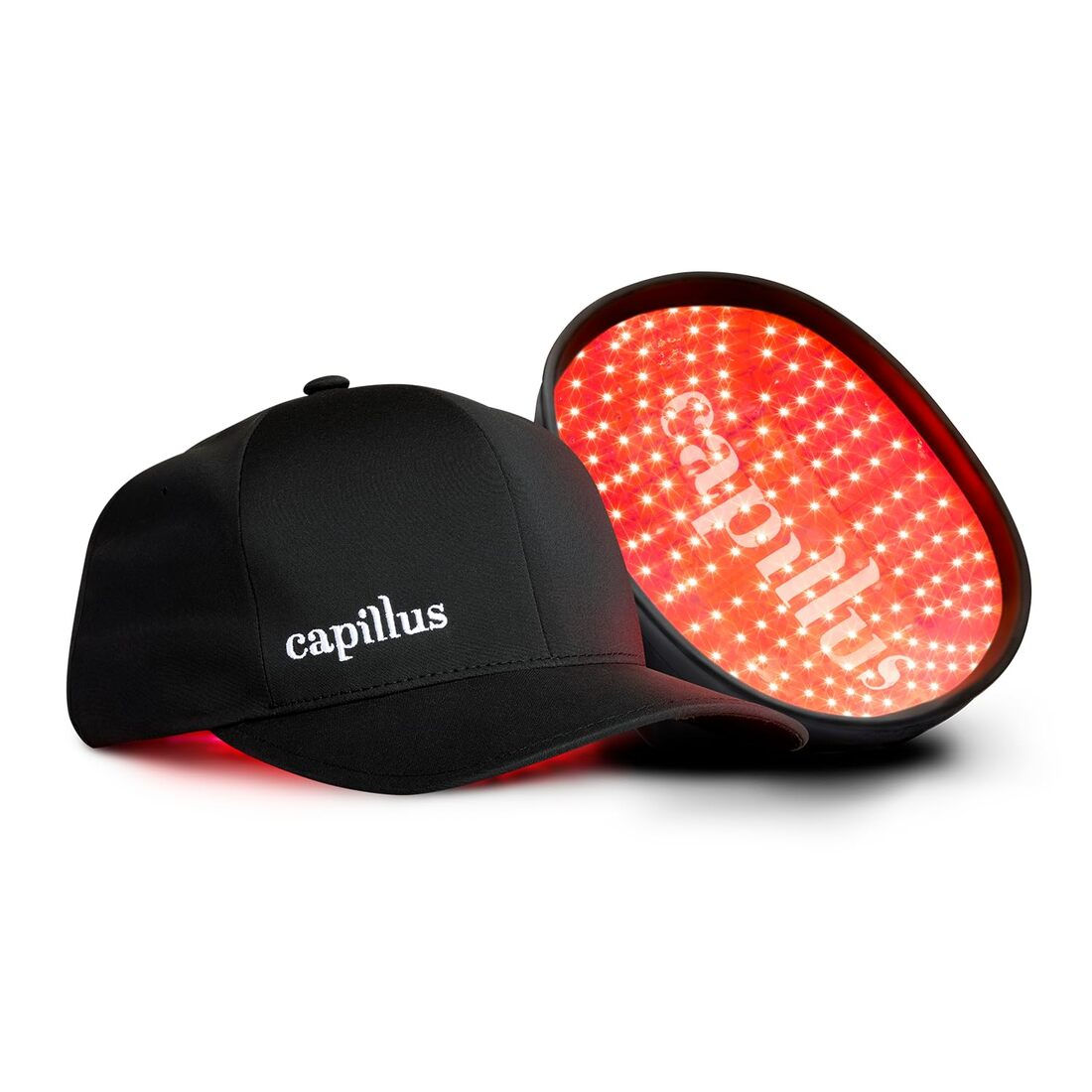
| CapillusPro | 272 Medical Lasers | Full Scalp | Advanced hair loss (M/F) | $$$$ | Yes |
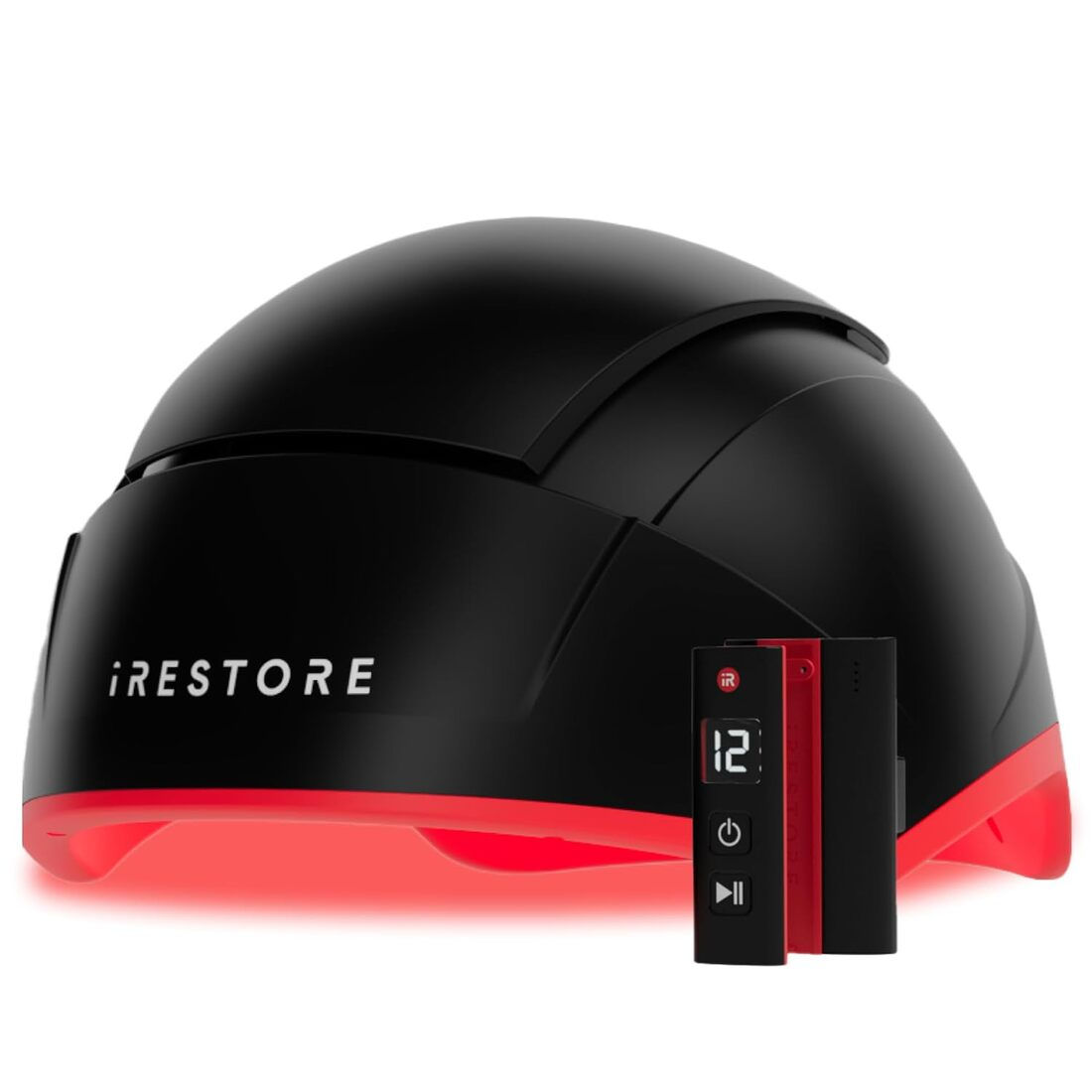
| iRestore Elite | 500 Lasers+LEDs | Full Scalp | Moderate hair loss (M/F) | $$$$ | Yes |
| HairMax LaserBand 82 | 82 Medical Lasers | Full Scalp | Mild to moderate (M/F) | $$ | Yes |
| Theradome PRO LH80 | 80 Medical Lasers | Targeted Areas | Moderate to advanced (M/F) | $$$ | Yes |
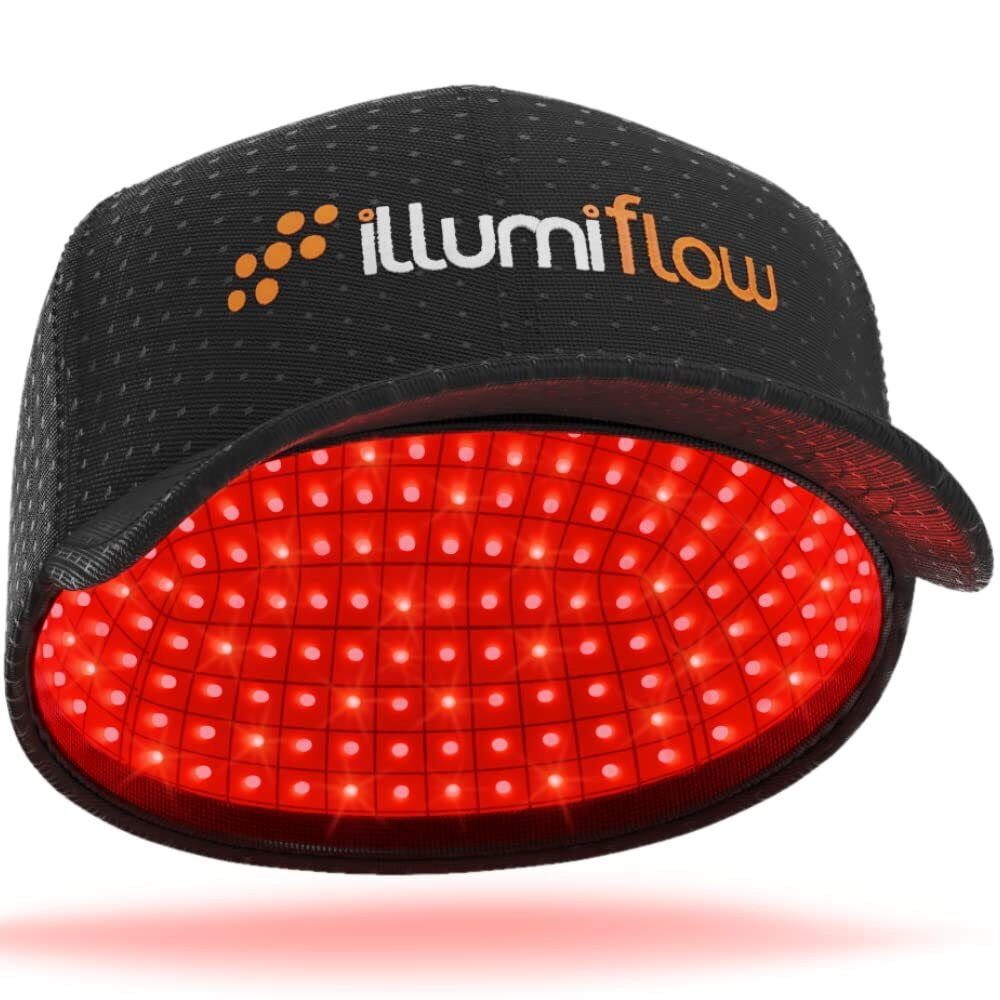
| Illumiflow 272 | 272 Medical Lasers | Full Scalp | Advanced hair loss (M/F) | $$$ | Yes |
Note: Prices and diode counts are approximate; verify with the manufacturer. For detailed brand comparisons, see our iRestore Vs. Capillus or 5 Best Laser Hair Caps for Hair Growth articles.
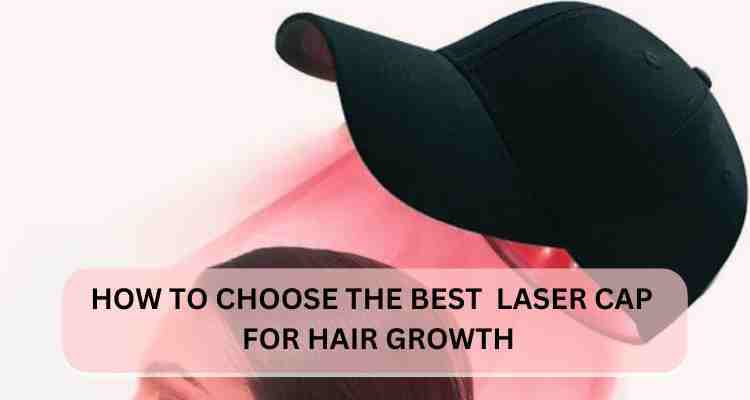
How to Choose the Best Laser Cap for Specific Needs?
1. Best Laser Cap for: Men with Moderate | Advanced Hair Loss | Receding Hairline
- iRestore Elite
 |
|
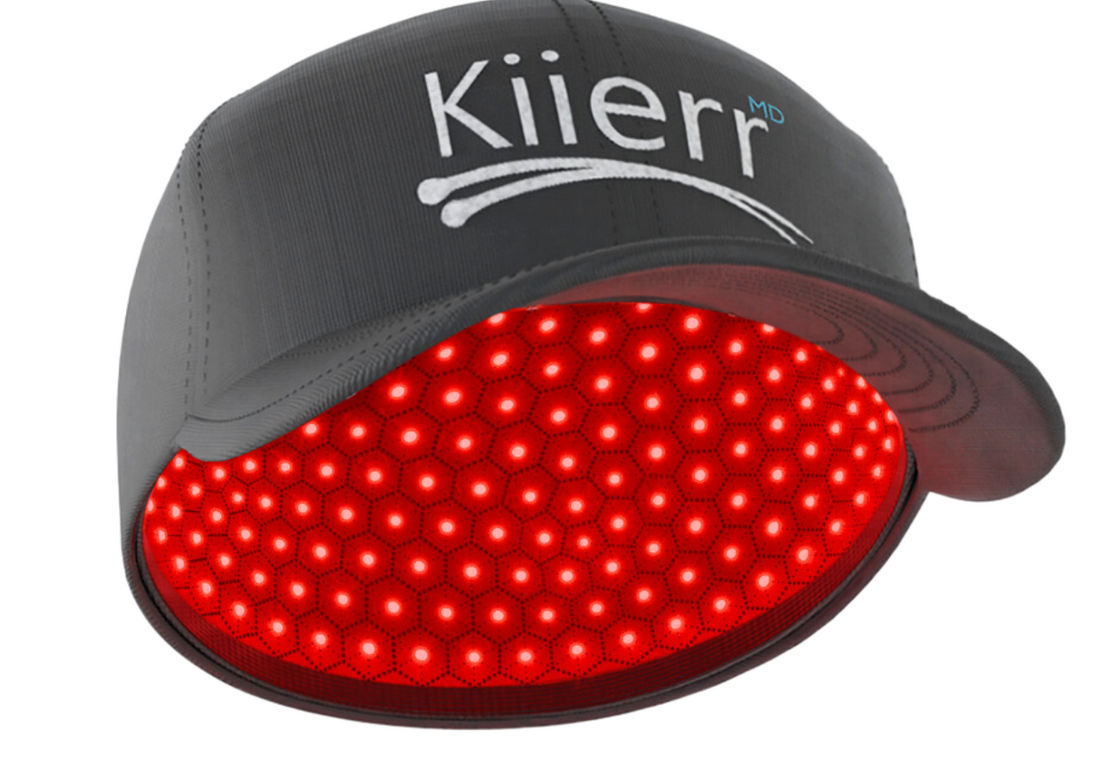
2. Best Laser Cap for: Portability | Discreet Use
- Kiierr MD 302 MD Ultra Flex
 |
|
3. Best Laser Cap for: Light to Moderate Hair Loss | Menopausal Hair Loss
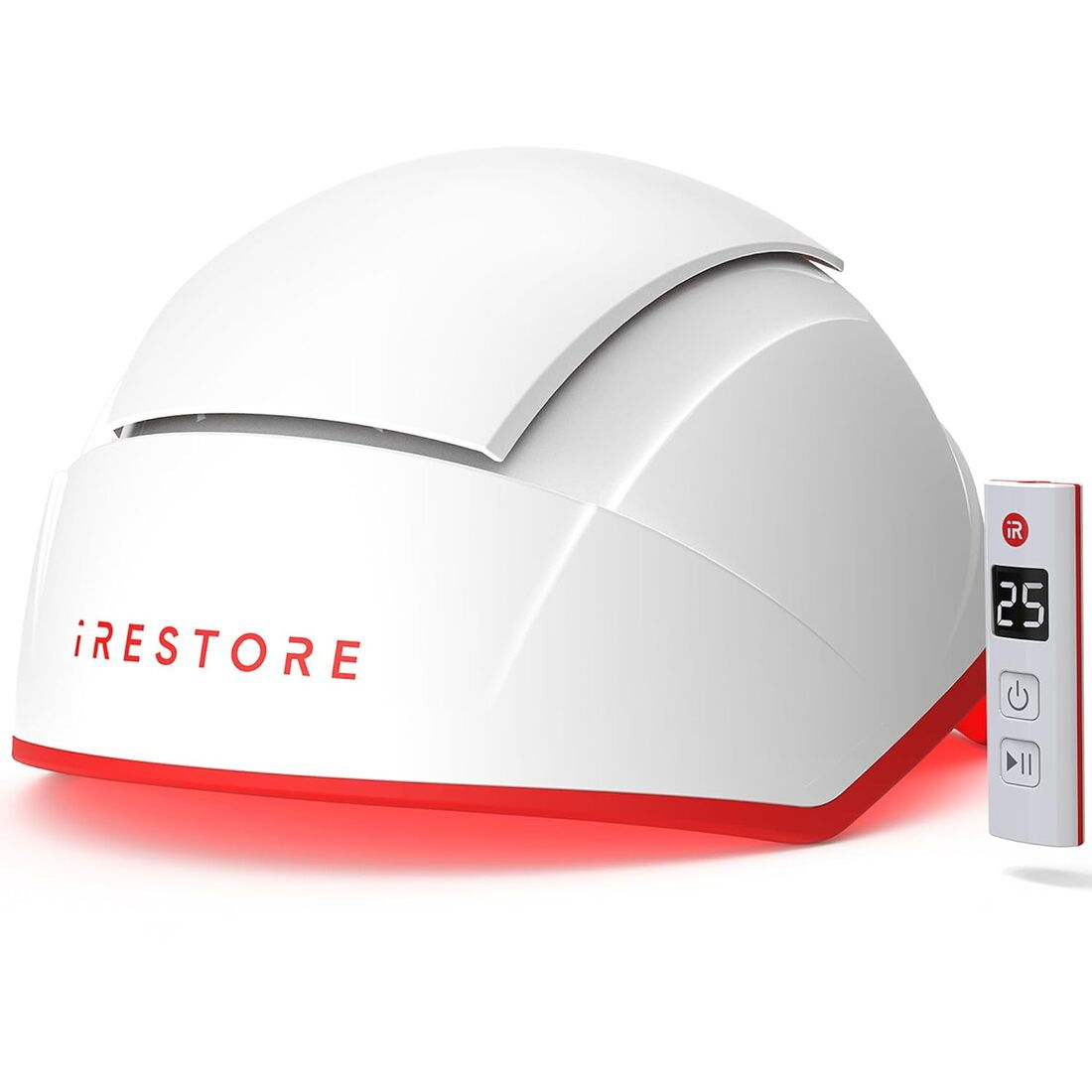
- iRestore Professional
 |
|
4. Best Laser Cap for Fastest Treatment Time
- Capillus Spectrum Laser Therapy Cap
|
|
5. Best Laser Cap for Sensitive Scalps
- Illumiflow 272 Laser Cap
 |
|
Consumer Reports on the Best Laser Caps
CapillusPro
- Pros: Exceptional coverage, FDA-cleared, notable improvements within 3-6 months.
- Cons: High price point.
- Feedback: Users report denser hair and reduced shedding over time.
iRestore Professional & Elite
- Pros: More affordable, lightweight, and combines lasers and LEDs.
- Cons: Sessions may be slightly longer.
- Feedback: Users appreciate the ease of use and gradual, steady results.
HairMax LaserBand 82
- Pros: Compact and short treatment times (approximately 90 seconds per area).
- Cons: Limited coverage area.
- Feedback: Great for localized thinning but may not suit advanced hair loss.
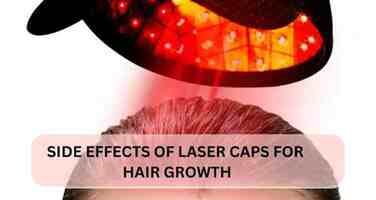
Side Effects and How to Minimize Them
Possible Side Effects:
- Mild scalp redness or itchiness
- Temporary shedding of weaker hairs before regrowth
- Minor discomfort from improper fit or prolonged use
Minimizing Side Effects:
- Follow the recommended usage schedule: 3-4 times per week, with 15-30 minutes per session.
- Ensure a proper fit to avoid pressure points.
- Consult a dermatologist if irritation persists.
Maintenance and Maximizing Results
- Follow the Schedule: Consistency is crucial. Expect visible improvements typically after 3-6 months.
- Combining Treatments: Pairing laser therapy with topical solutions, such as minoxidil, or a healthy diet can enhance outcomes.
- Device Care: Wipe the inside of the cap with a soft cloth to keep it clean. Store in a cool, dry place and charge batteries as recommended.
ConclusionSelecting the best laser cap for hair growth involves considering factors such as technology, coverage area, and personal needs. Whether you're dealing with advanced baldness or moderate thinning, there's a suitable option for you. You can invest in a device that matches your goals and lifestyle by considering clinical evidence, consumer feedback, and FDA clearance. For in-depth product comparisons, check out our iRestore Vs. Capillus comparison or our 5 Best Laser Hair Caps for Hair Growth list. With the right laser cap and consistent use, you can promote healthier, thicker hair and boost your confidence. |
Frequently Asked Questions (FAQ)
Q: Is it safe to use a laser cap daily?
A: Most manufacturers recommend 3-4 times per week. Daily use is usually unnecessary and may irritate.
Q: Can I combine laser therapy with other hair growth treatments?
A: Yes. To maximize results, many users pair laser caps with topical treatments, supplements, or hair-loss-formulated shampoos.
Q: When will I see the results?
A: Initial improvements like reduced shedding may appear within a few months, with fuller-looking hair typically at 4-6 months of consistent use.
Further Readings:
- Study on the effects of LLLT on hair growth: https://pubmed.ncbi.nlm.nih.gov/30569416/
Disclaimer: The information presented in this article is provided for general educational purposes only and is not intended as medical advice, diagnosis, or treatment. Red‑Light / Low‑Level Laser Therapy (LLLT) devices are cleared by the U.S. Food and Drug Administration (FDA) for certain cosmetic hair‑loss indications, but they do not diagnose, treat, cure, or prevent disease. Always consult a qualified dermatologist, trichologist, or other healthcare professional before starting any new hair‑loss regimen—especially if you are pregnant or nursing, take medications, or have an existing medical condition.
Results from LLLT vary from person to person. Factors such as age, genetics, overall health, and treatment consistency influence outcomes, and no result is guaranteed. Follow each device’s instructions exactly, and discontinue use if you experience discomfort, irritation, or any adverse effects.
Some links in this article are affiliate links. If you purchase them, we may earn a small commission at no extra cost to you. These relationships do not influence our product selections or reviews; recommendations are based on independent research and editorial judgment.
Neither the authors nor the publisher accept liability for any loss, injury, or damage arising from the use—or misuse—of the information or products discussed. Perform your own due diligence and seek professional guidance where appropriate.