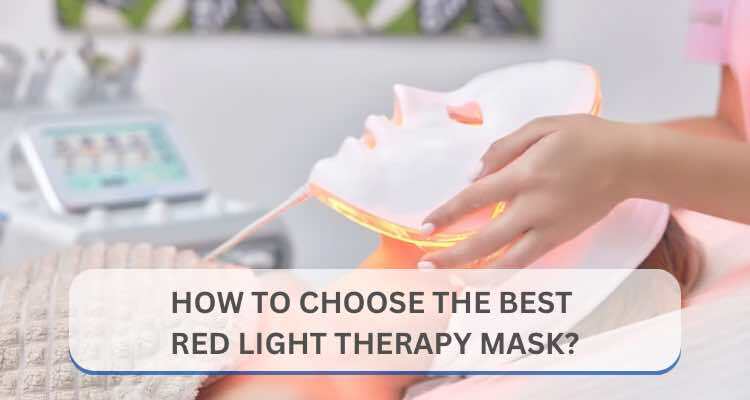
Red light therapy masks have rapidly emerged as a revolutionary, non-invasive solution to boost skin health and address various dermatological concerns. From reducing fine lines and wrinkles to soothing inflammation and stimulating collagen production, these devices offer a spa-like treatment right in the comfort of your home. However, with so many options on the market, selecting the perfect mask to suit your unique skin needs can be daunting. This guide will walk you through the essential factors to consider—from light wavelengths and safety certifications to design, ease of use, and pricing—so you can confidently invest in a red light therapy mask that delivers on its promises.
Red Light Therapy 101
What is a Red Light Therapy Mask?
A red light therapy mask is a wearable device with LED lights emitting specific wavelengths of red and near-infrared light. These wavelengths penetrate the skin to stimulate cellular repair, boost circulation, and encourage the production of collagen and elastin—key components for maintaining youthful, resilient skin. Unlike invasive procedures or topical treatments, red light therapy offers a gentle yet effective approach to rejuvenation without the downtime.
How Red Light Therapy Works
- Cellular Stimulation: Red light, typically between 630 and 670 nanometers, activates mitochondria within cells, increasing energy production and promoting repair processes.
- Collagen Boost: Enhanced collagen production produces firmer, smoother skin and can help diminish fine lines and wrinkles.
- Inflammation Reduction: The anti-inflammatory properties help calm irritated skin, making it beneficial for conditions like acne and rosacea.
- Enhanced Circulation: Improved blood flow ensures oxygen and nutrients reach skin cells more efficiently, supporting overall skin vitality.
Key Features to Look for in a Red Light Therapy Mask
Choosing the right red light therapy mask starts with understanding the critical features that can impact its effectiveness and usability. Here are the main considerations:
1. Wavelengths and Light Intensity
- Importance: For optimal skin benefits, look for devices that offer a combination of red light (typically 630–670 nm) and, if desired, near-infrared light (around 800–880 nm) to target deeper skin layers.
- What to Check: Verify that the mask provides medical-grade LEDs with consistent intensity to ensure uniform light distribution across your face.
2. Safety and Certifications
- Why It Matters: Safety should be a top priority. Choose a mask that is FDA-cleared or backed by rigorous clinical testing.
- Key Indicators: Certifications and clear lab results can help ensure the device meets strict safety standards without harmful emissions.
3. Design and Coverage
- Coverage Area: Ensure that the mask offers full-face coverage, so every part of your skin receives treatment.
- Comfort and Fit: Look for an ergonomic design with adjustable straps or flexible materials that conform to different face shapes without causing discomfort.
- Portability: A lightweight, cordless design can be beneficial if you integrate treatments into your busy lifestyle or travel frequently.
4. Ease of Use and Versatility
- User-Friendly Interface: A simple control panel with pre-set timers and intensity settings makes incorporating therapy into your daily routine easier.
- Customization: Some masks offer adjustable intensity levels and treatment durations, allowing you to tailor the experience to your skin's needs.
5. Battery Life and Power Options
- Practical Considerations: Long-lasting battery performance or the option to plug in ensures that your treatment sessions aren't interrupted.
- Usage Flexibility: Devices with battery and AC power options offer greater versatility, especially for home or travel use.
6. Price, Warranty, and Customer Support
- Investment Value: Red light therapy masks vary widely in price. While premium models may come with advanced features, effective options are available at different price points.
- Warranty: Look for a warranty of at least 1–2 years, which protects your investment and reflects the manufacturer's confidence in their product.
- Support: Reliable customer service can help address any issues or questions during your treatment journey.
Affiliate Disclosure: This post may contain affiliate links. When you click on these links and make a purchase, we may earn a small commission at no extra cost to you. We only recommend products we believe will be beneficial to our readers. Always consult with a medical professional for personalized advice.
Matching Your Mask to Your Skin Concerns
Different skin concerns may require specialized features or settings. Here's how to tailor your choice:
For Anti-Aging Benefits:
- What to Look For: Masks with a higher density of red LEDs and additional near-infrared options can stimulate collagen and elastin production, minimizing wrinkles and fine lines.
- Ideal Users: Those looking to improve skin firmness, reduce signs of aging, and achieve a youthful glow.
- Product Recommendation:
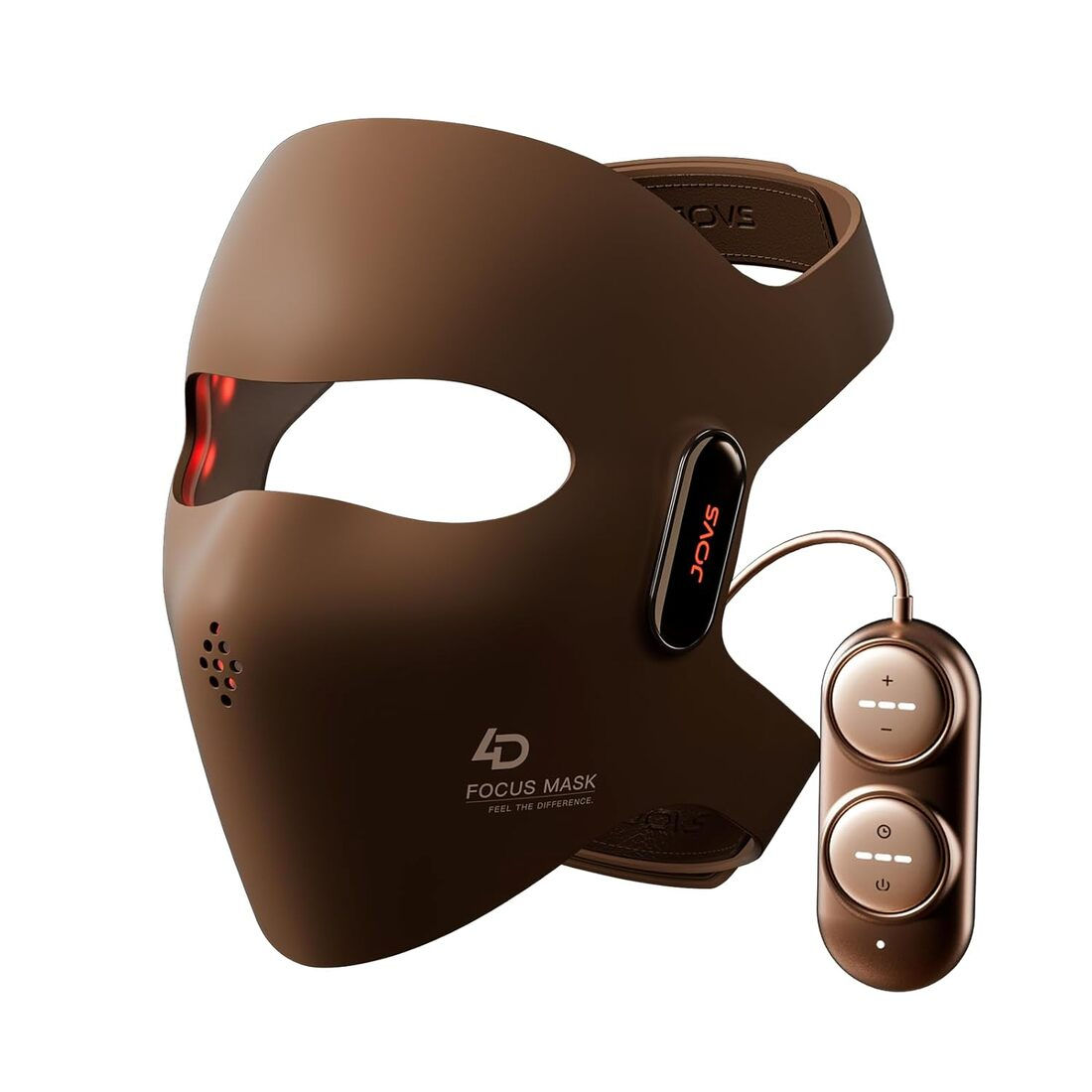 | The JOVS 4D Laser Light Therapy Mask is great for anti-aging because its 1064nm long-wave infrared light penetrates deep into the skin to stimulate collagen regeneration, while near-infrared and red light enhance cell activity, elasticity, and skin rejuvenation, effectively reducing wrinkles, dullness, and signs of aging in as little as 4 weeks |
For Acne and Inflammation:
- What to Look For: Devices that offer lower intensity or adjustable settings are ideal for sensitive or inflamed skin. Some masks combine red light with blue light to target acne-associated bacteria.
- Ideal Users: Individuals seeking a gentle yet effective way to calm irritated skin and reduce breakouts.
- Product Recommendation:
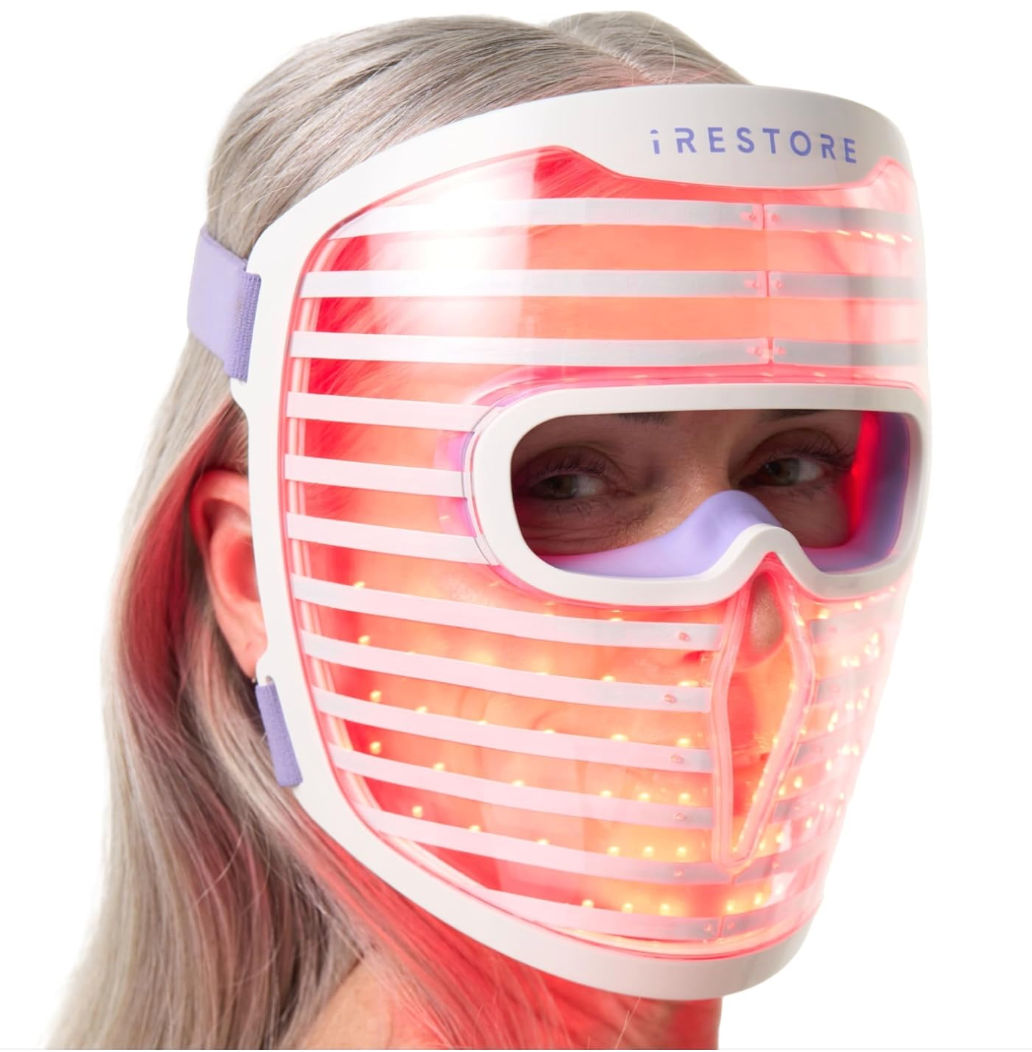 | With 360 LEDs, this mask delivers 2X the power of leading brands. The red and infrared light help boost collagen production, reducing wrinkles and fine lines, while blue light targets acne-causing bacteria for clearer skin. See visible results in as little as 6 weeks. |
For General Skin Health and Repair:
- What to Look For: A balanced spectrum promoting circulation and cellular repair can benefit skin rejuvenation.
- Ideal Users: Anyone interested in maintaining skin vitality, enhancing texture, and promoting an even skin tone.
- Product Recommendation:
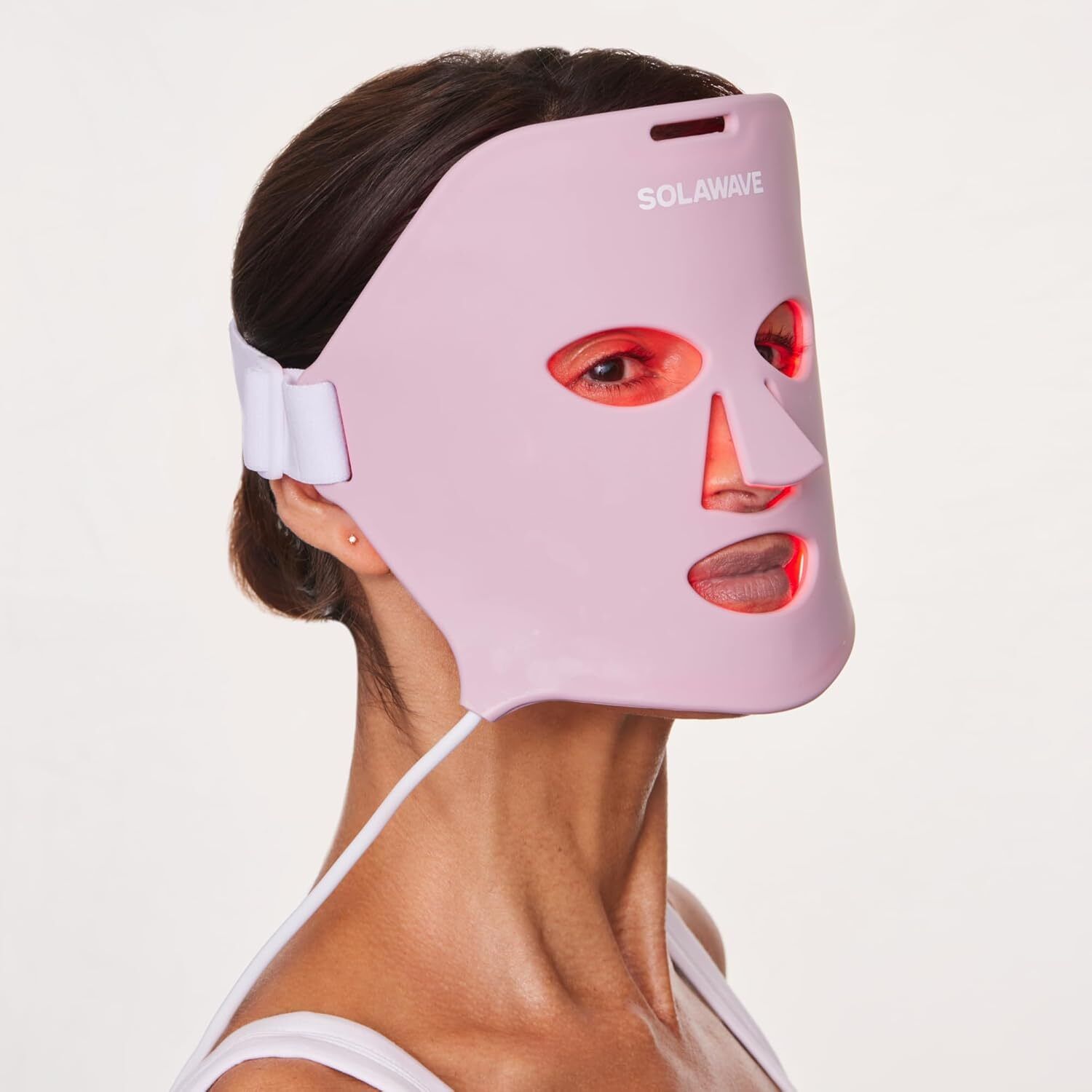 | This FDA-cleared LED Mask is great for general skin health and repair because its red (630nm) and near-infrared (830nm) light therapy boosts collagen production, improves circulation, reduces inflammation, and accelerates skin healing. This helps strengthen the skin barrier, enhance hydration, and promote a more even, radiant complexion. |
How to Use Your Red Light Therapy Mask for Maximum Benefits
Achieving the best results with your red light therapy mask involves more than just owning the device—it’s about using it correctly. Follow these steps for an effective treatment routine:
- Prep Your Skin:
- Start with a clean face. Use a gentle cleanser to remove makeup, dirt, and oils that could block the light.
- Optional: Apply a light hydrating serum to enhance skin absorption of the light energy.
- Position the Mask:
- Adjust the mask to fit snugly yet comfortably. Ensure it covers all the areas you wish to treat, without gaps or excessive pressure.
- Set the Timer and Intensity:
- Most masks come with pre-set treatment durations (commonly 10–20 minutes). Follow the manufacturer's guidelines, especially if you're new to red light therapy.
- If available, select an intensity setting that suits your skin's sensitivity.
- Relax and Let It Work:
- Use this time to unwind. Some users find that meditating or simply relaxing during treatment enhances the overall experience.
- Consistency is key—integrate sessions into your routine 3–4 times weekly for best results.
- Post-Treatment Care:
- After your session, apply a moisturizer or serum to lock in hydration and further support skin repair.
- Clean your mask with a soft, dry cloth to maintain its hygiene and longevity.
What is the Best Red Light Therapy Mask?
Determining the best red light therapy mask requires carefully balancing advanced LED technology and thoughtful, user-friendly design. The ideal mask features high-quality, medical-grade LEDs emitting red (630–670 nm) and near-infrared (800–880 nm) wavelengths to deeply stimulate cellular repair, boost collagen production, and effectively reduce inflammation.
Safety remains the first concern—look for FDA clearance or robust clinical validation to ensure every treatment session is effective and secure. In addition, superior models provide comprehensive facial coverage with an ergonomic, adjustable fit, customizable intensity and timing settings, and versatile power options that seamlessly integrate into your lifestyle.
Ultimately, the best red light therapy mask is a transformative skincare tool that harmonizes scientific innovation with practical design, empowering you to achieve visible, lasting skin rejuvenation with every use.
Common Pitfalls to Avoid
- Overexposure: More is not always better. Stick to the recommended session times to prevent potential skin irritation.
- Inadequate Cleaning: Regularly clean your mask to avoid bacterial buildup, which can compromise the device and your skin health.
- Ignoring Manufacturer Guidelines: Always adhere to the usage instructions provided by the manufacturer, including frequency and duration of sessions.
- Overlooking Safety Certifications: Don't compromise on safety. Ensure that your mask has been properly tested and certified for home use.
Consumer Feedback and Efficacy
Many users have reported noticeable improvements in skin texture, reduced fine lines, and a more even complexion after consistently using red light therapy masks. Clinical studies and anecdotal evidence alike support the benefits of red light therapy, making it a trusted option for those seeking non-invasive skin rejuvenation. When browsing consumer reviews, consider feedback on comfort, ease of use, and visible results over a sustained period.
What is the best red light therapy mask recommended on Reddit?
Reddit users often share personal experiences and compare various red light therapy masks. While these anecdotal discussions can offer real-world insights, it’s crucial to look for devices that meet the essential criteria—such as FDA clearance, clinically validated wavelengths (typically 630–670 nm for red light and 800–880 nm for near-infrared), and high-quality, medical-grade LEDs. Community feedback can help identify reputable brands, but always verify safety certifications and product specifications to ensure long-term effectiveness and durability.
Which at-home device provides the strongest red light therapy?
The “strongest” at-home red light therapy device is one that delivers clinically proven wavelengths with sufficient energy output (often measured in mW/cm² or joules) to penetrate deeper skin layers, JOVS is a great example in the market. Look for masks or panels featuring medical-grade LEDs around 630–670 nm for red light and 800–880 nm for near-infrared. A higher LED count and consistent intensity usually mean more robust coverage. However, always adhere to recommended usage times to avoid potential irritation.
Which red light therapy mask is the best affordable option?
Focusing on FDA clearance, consistent light output, and quality construction can help you find cost-effective masks that still deliver great results. Although higher-end models may include extra bells and whistles, affordable options often provide the core benefits of collagen stimulation and improved circulation. Look for a solid warranty, positive user reviews, and transparent wavelength specifications to ensure you’re not compromising on safety or efficacy.
Which is the best FDA-approved LED face mask?
Several LED masks have earned FDA clearance or approval for at-home use. The “best” one typically offers research-backed wavelengths (red and near-infrared), a comfortable, full-face fit, and adjustable intensity settings. FDA clearance indicates rigorous testing for both safety and efficacy. Beyond that, consider factors like battery life, ease of use, and customer reviews to find a device that integrates seamlessly into your routine.
Is the Dr. Dennis Gross LED mask a good option?
Dr. Dennis Gross is a well-regarded skincare brand. Their LED masks often feature clinically studied wavelengths for tackling fine lines, mild acne, and overall skin tone. Users frequently praise their comfort and design. However, there are now better options from competitors that provide a higher LED count for the same, or maybe even less, price.
What is the best red light therapy mask on Amazon?
Amazon carries a wide variety of red light therapy masks, ranging from budget-friendly models to premium devices. Look for transparent product details—particularly the exact wavelengths, LED count, and FDA clearance—and read verified buyer reviews for insights into real-world results. Highly rated brands include JOVS, iRestore, and CurrentBody.
Prioritize masks that offer full-face coverage, adjustable settings, and a robust return policy. This combination of factors helps ensure both safety and efficacy.
Which LED face mask do dermatologists generally consider the best?
Dermatologists typically recommend masks that offer proven wavelengths (red and near-infrared) in a design that covers the entire face evenly. FDA clearance, clinical validation, and user-friendly features like a secure fit and built-in timer are key indicators of a high-quality product. While no single device wins every dermatologist's approval, those that combine scientific backing, comfort, and consistent results tend to receive widespread endorsement.
Which red light therapy device is considered best for facial use?
The best facial red light therapy device usually strikes a balance between power, safety, and comfort. To reach multiple skin layers, look for masks or panels delivering red light (630–670 nm) and near-infrared light (800–880 nm). Confirm it’s FDA-cleared and equipped with medical-grade LEDs to ensure consistent, effective coverage. Lastly, ergonomic design, adjustable intensity settings, and a straightforward user interface make it easier to incorporate into your regular skincare routine.
Final ThoughtsChoosing the best red light therapy mask involves carefully balancing technology, safety, design, and personal skincare needs. By focusing on key factors such as light wavelengths, FDA clearance, ergonomic design, and customizable settings, you can find a mask that fits seamlessly into your routine and elevates overall skin health. Remember, while red light therapy offers a promising route to radiant, youthful skin, it is important to combine treatments with a healthy skincare regimen and consult a dermatologist if you have specific concerns. With the right device and a consistent approach, you can unlock the full potential of red light therapy and enjoy its transformative benefits. |
Frequently Asked Questions (FAQ)
Q: How long should I use a red light therapy mask per session?
A: Most manufacturers recommend sessions lasting 10–20 minutes, 3–4 times per week. Consistency is more important than prolonged exposure.
Q: Is red light therapy safe for all skin types?
A: Yes, red light therapy is generally safe and well-tolerated. However, if you have sensitive skin or specific conditions, consult a dermatologist before starting treatment.
Q: Can I use the mask while doing other activities?
A: Many users find that they can relax, meditate, or even watch TV during treatment. Just ensure the mask is positioned correctly for full coverage.
Q: Are there any side effects?
A: When used as directed, side effects are minimal. Some users may initially experience slight redness or warmth, which typically subsides quickly.
By following these guidelines and selecting a red light therapy mask that aligns with your skincare goals, you'll be well on your way to achieving a vibrant, healthier complexion while enjoying the convenience of
Q: Do red light therapy masks actually work?
A: Yes, clinical studies and user experiences indicate that red light therapy masks can improve skin health, promote collagen production, reduce inflammation, and enhance circulation. The key is consistency and choosing a device with medical-grade LEDs emitting the correct wavelengths (generally 630–670 nm for red light and around 800–880 nm for near-infrared).
Q: What does Mayo Clinic say about red light therapy?
A: The Mayo Clinic recognizes red light therapy as a potential treatment for skin rejuvenation and inflammation, though more large-scale, long-term research is needed. They recommend choosing FDA-cleared devices and consulting a healthcare professional, especially if you have underlying skin conditions.
Q: Do dermatologists recommend red light masks?
A: Many dermatologists recommend red light therapy masks for concerns like fine lines, wrinkles, mild acne, and overall skin vitality—provided the devices are FDA-cleared or clinically tested. They can also advise on combining red light therapy with other treatments for best results.
Q: Can you overuse a red light therapy mask?
A: Yes. While red light therapy is generally safe, overdoing it can lead to irritation. Most manufacturers suggest 10–20 minutes per session, three to four times weekly. Exceeding these guidelines doesn't usually speed up results and may cause redness or dryness.
Q: Which red light therapy devices are FDA approved?
A: Multiple brands and models have received FDA clearance or approval after passing safety and efficacy evaluations. For example, CurrentBody, iRestore, CurrentBody, and Omnilux are all FDA Cleared for safety. Always check the product label or official website to confirm FDA status; legitimate devices will display this information.
Q: What are the negatives of red light therapy?
A: When used as directed, side effects are typically minimal. The most common are mild skin irritation, redness, or warmth. People with photosensitivity or on certain medications should consult a professional before starting.
Q: Is there any proof that red light therapy works?
A: Yes, numerous peer-reviewed studies suggest benefits like increased collagen production and reduced inflammation. While more extensive research is welcomed, clinical evidence and user testimonials support its efficacy for skin rejuvenation.
Q: Are red light face masks worth it?
A: They can be if used regularly as directed, especially if you invest in a high-quality, FDA-cleared device and use it consistently. Red light therapy is a gentle, noninvasive alternative to more intensive skin treatments, and many users find it helps maintain smoother, more radiant skin over time.
Q: What is the “gimmick” of red light therapy?
A: Some see red light therapy as a fad because of unverified devices on the market. Legitimate devices use targeted wavelengths (e.g., 630–670 nm for red light and 800–880 nm for near-infrared) backed by scientific research. To avoid “gimmicks,” opt for brands with clinical validation and proper certifications.
Q: Should I put anything on my skin before red light therapy?
A: Start with a clean, makeup-free face for optimal light penetration. Some people apply a lightweight serum to enhance skin repair, but avoid heavy or tinted products that might block or reflect the light.
Q: Who cannot use red light therapy?
A: Individuals with severe skin issues or photosensitivity and those taking certain light-sensitive medications should consult a professional first. Pregnant or nursing individuals may also want a doctor’s advice, though red light therapy is generally considered low-risk.
Q: Is it OK to do red light therapy every day?
A: Daily sessions aren’t usually necessary and can irritate the skin. Most devices recommend three to four sessions weekly, allowing skin cells enough time to recover between treatments. Always follow the device’s usage guidelines or consult a dermatologist if unsure.
Q: Do I need a dark room for red light therapy?
A: Not necessarily. Medical-grade LEDs can penetrate skin layers even in a brightly lit space. However, a dim or dark environment may enhance relaxation and comfort, particularly for those sensitive to bright lights.
Q: How do I choose a red light therapy device?
A: Look for masks featuring the correct wavelengths (around 630–670 nm for red light and 800–880 nm for near-infrared), medical-grade LEDs, and FDA clearance. Comfort, adjustable settings, reliable warranties, and positive user reviews are also key factors in selecting a quality mask.
By following these guidelines and selecting a red light therapy mask that aligns with your skincare goals, you’ll be well on your way to achieving a vibrant, healthier complexion while enjoying the convenience of at-home treatment.
Sources:
- Harvard Health: Led lights, are they a cure for your skin?
- Randomized Controlled Trial: Combined 633-nm and 830-nm led treatment of photoaging skin
The information presented in this article is for educational and informational purposes only and is not intended as a substitute for professional medical advice, diagnosis, or treatment. Always consult with a qualified healthcare provider or dermatologist before beginning any new skincare regimen or using red light therapy masks, particularly if you have any pre-existing conditions or concerns about potential side effects. Individual results may vary, and the effectiveness of any treatment will depend on various factors unique to each person. The authors and publisher assume no responsibility for any adverse effects or outcomes resulting from the use or misuse of the information provided herein.