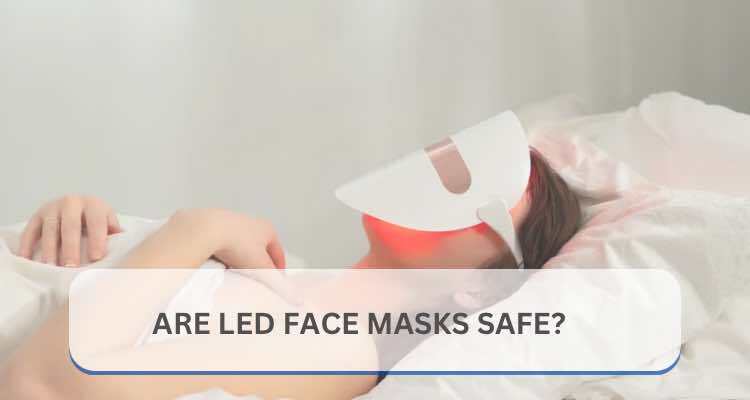
Imagine coming home after a long day, slipping on a sleek, futuristic mask that promises to rejuvenate your skin with nothing but the power of light. LED face masks have transformed at-home skincare with claims ranging from wrinkle reduction to acne elimination. But with all the buzz, a critical question remains: Are LED face masks safe? This comprehensive guide delves into the science behind LED therapy, the potential side effects, and the smart usage tips to achieve a glowing complexion safely in 2026 and beyond.
The Science Behind LED Face Masks
LED face masks harness the power of light-emitting diodes (LEDs) to stimulate your skin’s natural processes. Here’s a breakdown of how these devices work:
- Red Light (620–750 nm):
- Benefits: Penetrates deep into the dermis to boost collagen production, reduce inflammation, and promote healing.
- Applications: Ideal for anti-aging, reducing fine lines, and soothing irritated skin.
- Blue Light (405–420 nm):
- Benefits: Targets surface bacteria, particularly Propionibacterium acnes, which is responsible for acne.
- Applications: Perfect for reducing acne and controlling breakouts.
- Near-Infrared Light (760–1,400 nm):
- Benefits: Enhances circulation and accelerates tissue repair for an overall radiant complexion.
- Applications: Supports skin healing and recovery.
- Other Wavelengths (Green, Amber):
- Benefits: Address pigmentation issues and help calm redness.
- Applications: Often used with red and blue light for a balanced skin tone.
Fun Fact: NASA originally explored LED technology in space for plant growth and wound healing, paving the way for its revolutionary use in modern dermatology.
Safety Profile: What Does the Evidence Say?
General Safety
LED face masks are generally safe when used according to manufacturer guidelines. They emit non-ionizing, non-thermal light—unlike harmful UV rays—so they don't damage DNA or cause burns. Clinical reviews have consistently pointed to an excellent safety record, especially when compared to more aggressive treatments like chemical peels or lasers.
Caveats to Consider
- Device Quality: It is essential to use a reputable, FDA-cleared device. Low-quality or counterfeit products can lead to uneven light distribution, overheating, or inadequate eye protection.
- User Practices: Overuse or improper application can lead to temporary skin irritation, while certain pre-existing conditions may warrant extra caution.
- Individual Differences: Skin sensitivity, medications (e.g., retinoids or antibiotics), and pre-existing eye conditions can influence your experience.
Potential Side Effects: What Could Go Wrong?
While LED face masks boast a robust safety profile, some users may experience mild side effects. Understanding these risks can help you use the technology more effectively.
1. Eye Strain or Discomfort
Risk: Prolonged exposure—especially to blue light—can strain the eyes, leading to irritation or blurry vision.
Prevention: Use masks with built-in eye shields or always close your eyes during treatment. Consult your doctor if you have existing eye conditions.
2. Skin Irritation
Risk: Overuse or using a device with too high a light intensity may cause temporary redness, dryness, or mild itching.
Prevention: Stick to recommended session lengths (typically 10–20 minutes per session, 3–5 times a week). Begin with shorter sessions to gauge your skin’s response.
3. Headaches or Mild Discomfort
Risk: For those prone to migraines or light sensitivity, the brightness and duration might trigger a headache.
Prevention: Start with lower-intensity settings or shorter sessions. Ensure your environment has soft ambient lighting during use.
4. Photosensitivity Reactions
Risk: Users taking photosensitizing medications (such as isotretinoin or certain antibiotics) may experience heightened sensitivity, potentially leading to rashes.
Prevention: Always consult with a healthcare provider before starting LED therapy if you are on such medications. Consider patch-testing on a small area first.
5. The Unknown Long-Term Effects
Insight: While current studies affirm the safety of LED masks in the short term, long-term effects over decades remain less understood.
Recommendation: Use LED face masks as a complement to, not a replacement for, traditional skincare. Stay updated with ongoing research and consult professionals regularly.
Who Should Avoid LED Face Masks?
Not every skin type or condition is ideal for LED therapy. Consider avoiding LED face masks if you:
- Have photosensitive conditions such as lupus, porphyria, or certain forms of eczema.
- Are taking medications that increase light sensitivity.
- Suffer from serious eye conditions (e.g., glaucoma or retinal disorders) without proper protection.
- Are pregnant or have uncertain dermatologic needs—consult your doctor first.
- Are a child, as their skin is thinner and long-term effects are not fully studied.
Guidelines for Safe and Effective Use
Maximize the benefits of your LED face mask while minimizing risks by following these expert tips:
1. Choose a Quality Device
- FDA-Cleared & Reputable Brands: Look for devices from well-known brands like Omnilux, CurrentBody, or Dr. Dennis Gross. Avoid cheap knockoffs; quality and precise light calibration matter.
- Device Specifications: To ensure optimal yet safe performance, check for specific irradiance values (e.g., 20–40 mW/cm² for red/near-infrared and 10–20 mW/cm² for blue light).
2. Follow Manufacturer Guidelines
- Session Duration: Typically, 10–15 minutes per session is sufficient—more does not necessarily equal better results.
- Frequency: Use 3–5 times per week rather than daily to avoid overexposure.
- Preparation: Cleanse your skin thoroughly to remove makeup and oils. Avoid combining LED treatments with photosensitizing products immediately before sessions.
3. Protect Your Eyes
Safety First: Use the provided eye shields or wear protective goggles if necessary. Always ensure your eyes are closed during treatment.
4. Listen to Your Skin
- Start Slow: Begin with shorter sessions to test how your skin reacts.
- Monitor Reactions: If you notice redness, irritation, or discomfort, reduce the frequency or intensity of your sessions.
- Consult a Professional: A dermatologist can help tailor LED treatments to your skin's needs.
5. Maintenance and Hygiene
- Device Care: Clean your LED mask regularly per the manufacturer's instructions to prevent bacteria buildup.
- Inspection: Regularly check for wear or damage, especially on cables or protective elements.
Emerging Trends & Expert Insights in 2026
- Hybrid Devices: New models combine LED therapy with microcurrents, heat, or even cooling technologies to address a broader range of skin concerns, from under-eye puffiness to enhanced collagen production.
- Enhanced Eye Protection: Manufacturers are innovating with improved built-in shields and adjustable light settings to cater to users with varying sensitivities.
- Flexible, Adaptive Designs: The latest LED masks feature ergonomic designs that contour more effectively to the face, ensuring even light distribution and enhanced comfort.
- Expert Opinions: Dermatologists continue to endorse LED therapy as a gentle and effective adjunct to traditional skincare routines, particularly for fine lines, mild acne, and inflammation reduction. Regular consultations are recommended to align technology with individual skin health.
What is the Best Led Mask?
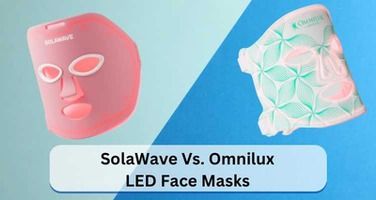
In 2026, the best LED mask is defined by a harmonious blend of clinical-grade technology, rigorous safety standards, and personalized skincare benefits. Leading devices offer a multi-wavelength approach—combining red light for boosting collagen, blue light for targeting acne-causing bacteria, and near-infrared for enhanced circulation—while ensuring FDA clearance and superior build quality. Top-tier models from trusted brands like Omnilux and CurrentBody exemplify this balance by integrating precise light calibration, intuitive controls, and robust eye protection. Ultimately, the ideal LED mask isn’t a one-size-fits-all solution but rather the device that adapts to your unique skin needs, delivering effective, science-backed results and a luminous complexion with every use.
Frequently Asked Questions (FAQ)
Q: Do LED face masks cause skin damage?
A: No. Unlike UV rays, LED light is non-ionizing and does not cause DNA damage or burns when used as directed.
Q: Are LED face masks safe for the eyes?
A: Yes, when used with proper eye protection. Most reputable devices include eye shields or advise users to keep their eyes closed during treatment.
Q: Can LED face masks worsen skin conditions?
A: LED masks are gentle and beneficial for most users. However, individuals with photosensitive conditions or those on certain medications should consult a doctor before use.
Q: How often should I use my LED face mask?
A: Generally, 10–15 minutes per session, 3–5 times per week is recommended. Overuse can lead to temporary irritation.
Q: What should I do if I experience discomfort?
A: Reduce session duration or intensity, take a break, and consult a healthcare professional if symptoms persist.
Conclusion: Glow Safely and Smartly
LED face masks offer a promising blend of science and beauty, harnessing the gentle power of light to rejuvenate your skin. When used correctly, they are a safe, noninvasive, and effective addition to your skincare routine. However, quality matters—choosing a reputable device, adhering to proper guidelines, and understanding your skin's unique needs are key to unlocking their full potential.
Embrace the future of skincare with informed confidence. Whether you’re tackling fine lines, acne, or simply seeking a radiant glow, let LED therapy be your trusted partner on the journey to healthier skin.
Do you have questions or personal experiences with LED face masks? Share your thoughts in the comments below, and join the conversation on safe, innovative skincare in 2026!
The information presented in this article is for educational and informational purposes only and is not intended as a substitute for professional medical advice, diagnosis, or treatment. Always consult with a qualified healthcare provider or dermatologist before beginning any new skincare regimen or using red light therapy masks, particularly if you have any pre-existing conditions or concerns about potential side effects. Individual results may vary, and the effectiveness of any treatment will depend on various factors unique to each person. The authors and publisher assume no responsibility for any adverse effects or outcomes resulting from the use or misuse of the information provided herein.