Medical & Affiliate Disclaimer: The information provided is for general informational purposes and does not constitute professional advice. Read full disclaimer.
×

The information provided in this article is for general informational purposes only and does not constitute professional, medical, or legal advice. The statements made in this article have not been evaluated by any regulatory authority. While efforts have been made to ensure the accuracy of the information presented, no warranty or guarantee, expressed or implied, is provided regarding the completeness, accuracy, reliability, or suitability of the information. Readers are advised to consult with a qualified healthcare provider or dermatologist for specific advice regarding skincare products and personal health conditions, especially if pregnant, nursing, or having underlying medical conditions. The mention of specific brands or products does not imply endorsement, nor should it be considered a recommendation. Please review product labels, ingredients, and safety instructions before using any skincare products, and always follow regulatory guidelines in your country. The article does not intend to defame or harm any brand or product, and no liability is assumed by the author or publisher for any damages or adverse effects that may arise from the use of information contained herein. This post may also contain affiliate links. If you use these links to buy something, we may earn a small commission at no additional cost to you.

What Are The Best Shampoos After Hair Transplant? 5 Top Picks for Healing


What Are The Best Shampoos After Hair Transplant?  5 Top Picks for Healing

The most important factor in ensuring the success of your hair transplant operation is proper post-operative care

You might wonder, What shampoo should I use after my hair transplant? How often should I wash my hair? How should I wash it? 


Well, wonder no more! You’ll find all  dermatologist-approved answers to your questions below:


When Can I Use Shampoo After A Hair Transplant?

About 2 days after your hair transplant, you will need to return to your doctor for a check-up and to undergo the first wash. 


Your doctor/nurse will use the shampoo that is offered by the clinic to gently wash away any traces from the operation and give you instructions on what you’re supposed to do in the following days. 


How Often Should Hair Be Washed After a Hair Transplant?

Generally, after a hair transplant, most surgeons will either give or prescribe you a shampoo you must use for the first 10 days. 


During this period, it is advised to wash your hair daily. Typically, after your hair transplant, scabs will form around the transplanted hair


If not cleared as soon as possible, this scab build-up could prevent the scalp from breathing properly, which could block the normal regrowth of new hair. 


Infections or inflammation can also appear in the donor area. Thus, using the right shampoo daily during the first 10 days after the hair transplant helps maintain the cleanliness of your scalp and ensures a healthy hair growth process. 


After that, you are free to change to a shampoo of your choice.


Which Shampoo Is Best After Hair Transplant?

When choosing a shampoo after your hair transplant, be very careful about the products you use. 


Some products can be harsh on your hair and thus compromise the newly performed hair operation. This is why you should not use just any product.


It is highly recommended to avoid products containing harsh chemicals and instead opt for a shampoo with a neutral pH, preferably one made with natural ingredients. 


Avoid aggressive shampooing at all costs, as it could jeopardize the entire process and compromise the desired result. Here are some ingredients to look for that are beneficial for your hair and scalp (find our recommended products at the end of the page):

  • Biotin

  • Copper

  • Zinc

  • Keratin


What Additional Products Can I Use To Stimulate Growth After a Hair Transplant?

It is recommended to use products that are dermatologically tested and that also stimulate hair growth. 


These are Minoxidil 2% and 5% liquid solutions to be applied topically to the scalp. The formulation will prove successful in moderate-stage androgenetic alopecia in men and women. 


Although the 5% solution is not approved for use in women, it is recommended by specialists in some instances of androgenic alopecia.


How to Apply Minoxidil post-transplant? 

You can start using Minoxidil no sooner than 6-8 weeks after the hair transplant. Giving your scalp time to heal before using any products is essential. 


It should be applied to a healthy and healed scalp. Consider using the formulation with your fingertips daily to the transplanted area and leave it on for the day. 


You will have to wait to see the hair transplant results, so don't be discouraged that you don't see any effects at first.

These solutions usually contain alcohol. Avoid touching wounds and eyes, and refrain from using it if you have itchy and irritated skin. 


The process of hair loss is gradually stemmed 2 months after the start of the treatment and the hair begins to grow back 4 to 6 months after the treatment.


Affiliate Disclosure: Some links are affiliate links. As an Amazon Associate, we may earn from qualifying purchases. This comes at no additional cost to you and does not affect the prices you pay or our editorial recommendations. We strive to recommend products that are gentle, widely available, and appropriate for post-transplant care when used as directed by your clinician.


1. Best Gentle Formulation:
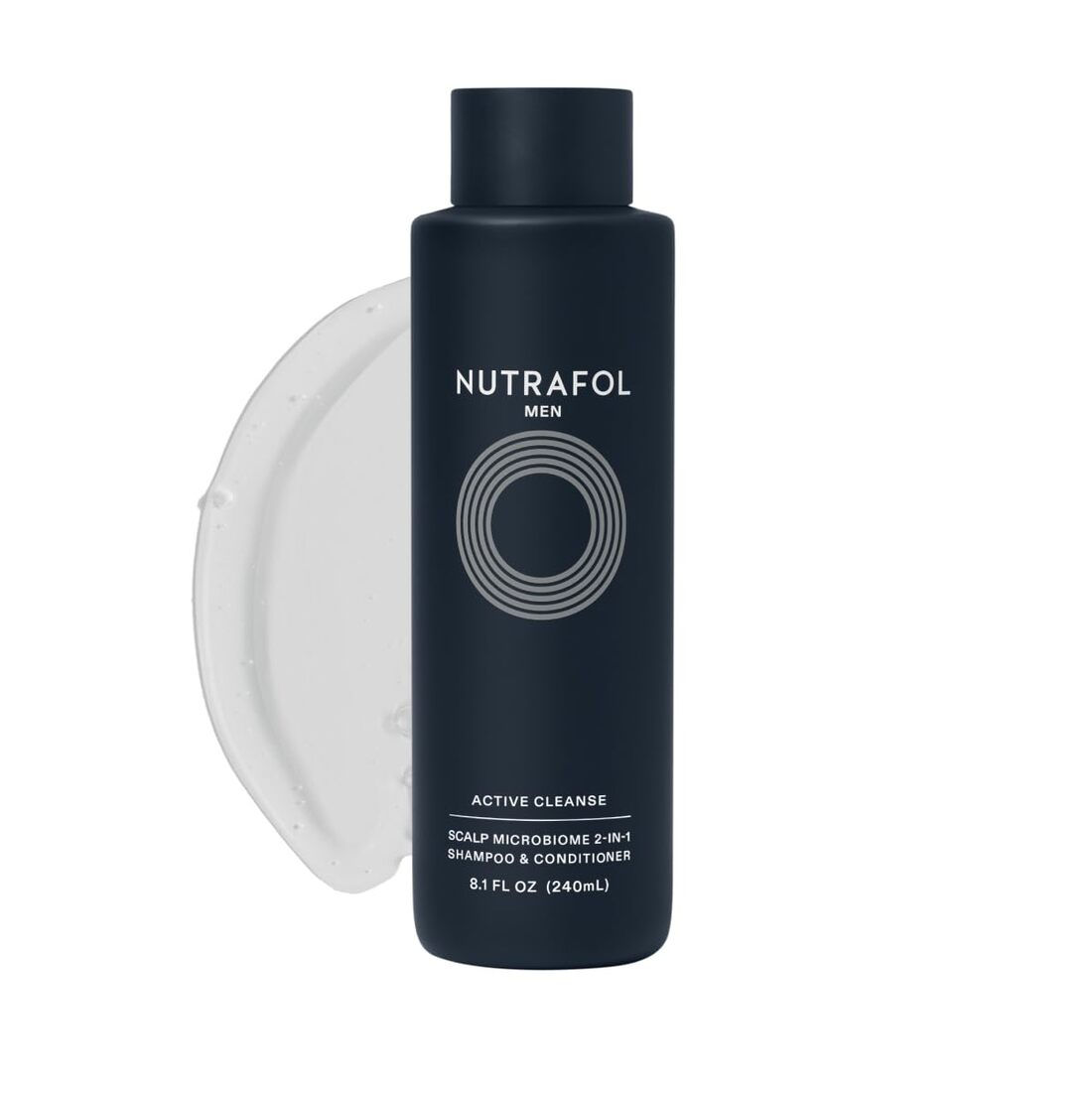
Nutrafol  2-in-1 Shampoo and Conditioner for Men with Thinning Hair
9efdf2994a5d1b20a2d6487bdc8e508197e2f911

View Here

  • Gentle and Microbiome-Friendly: Supports a healthy scalp environment by balancing the scalp microbiome, which is important for transplanted follicles.

  • Unclogs Follicles: Helps remove buildup and excess sebum, creating an optimal environment for hair regrowth and preventing complications like folliculitis.

  • Hydrating and Volumizing: Hydrates the scalp and hair strands, promoting softer, thicker-looking hair without causing dryness or irritation.

  • Free from Harsh Ingredients: Likely sulfate-free, paraben-free, and designed to be gentle, making it safer for sensitive post-transplant skin.


2. Best Biotin Shampoo:
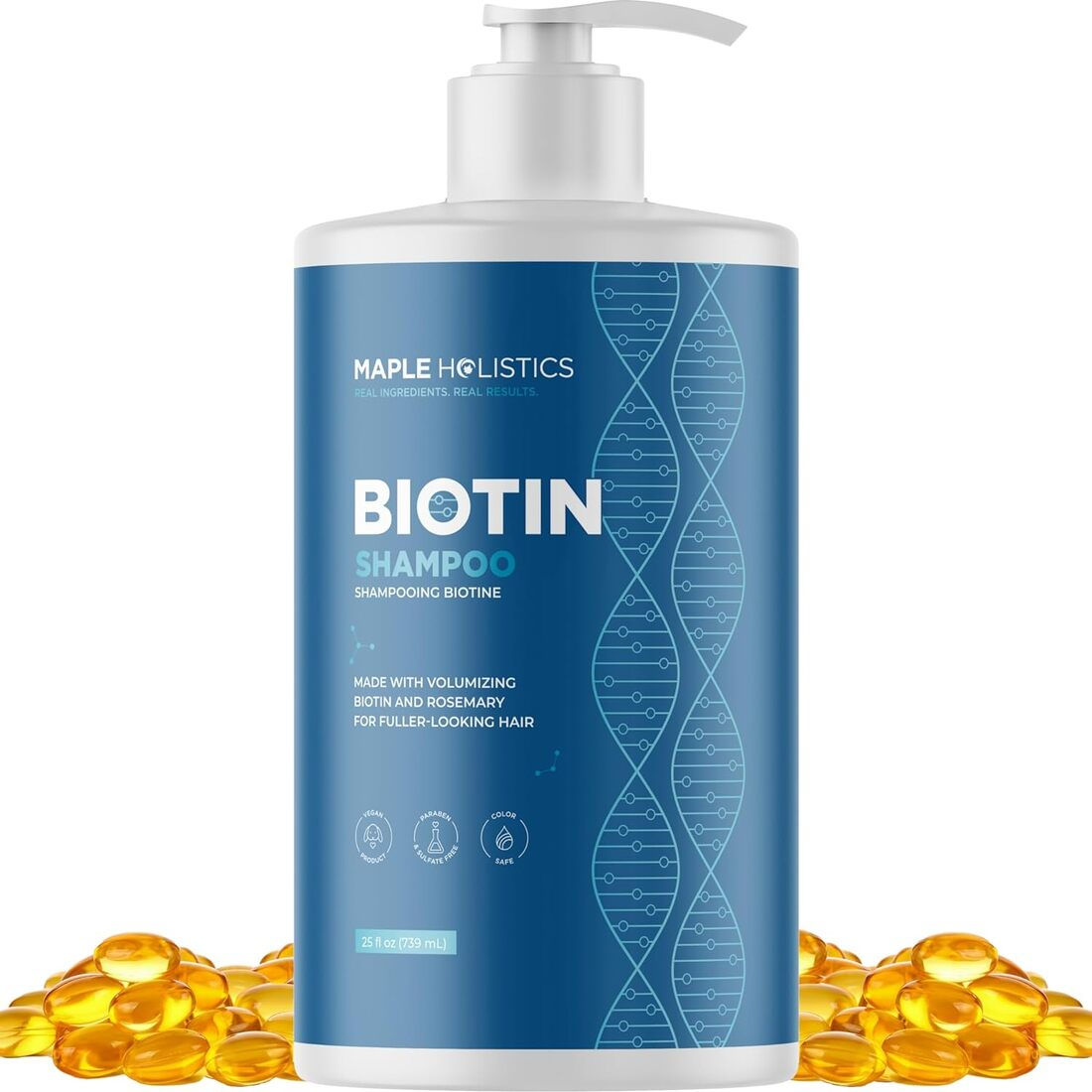
Maple Holistics Biotin Shampoo
bfa9a2121b7f1af80fb333e8e827f19de2d0c377

View Here

  • Infused with biotin (Vitamin B7) to support hair strength and growth
  • Contains natural ingredients such as argan oil, tea tree oil, rosemary, and aloe vera
  • Sulfate-free and paraben-free formula,
  • Gentle on sensitive scalps and color-treated hair


3. Best Zinc Shampoo:

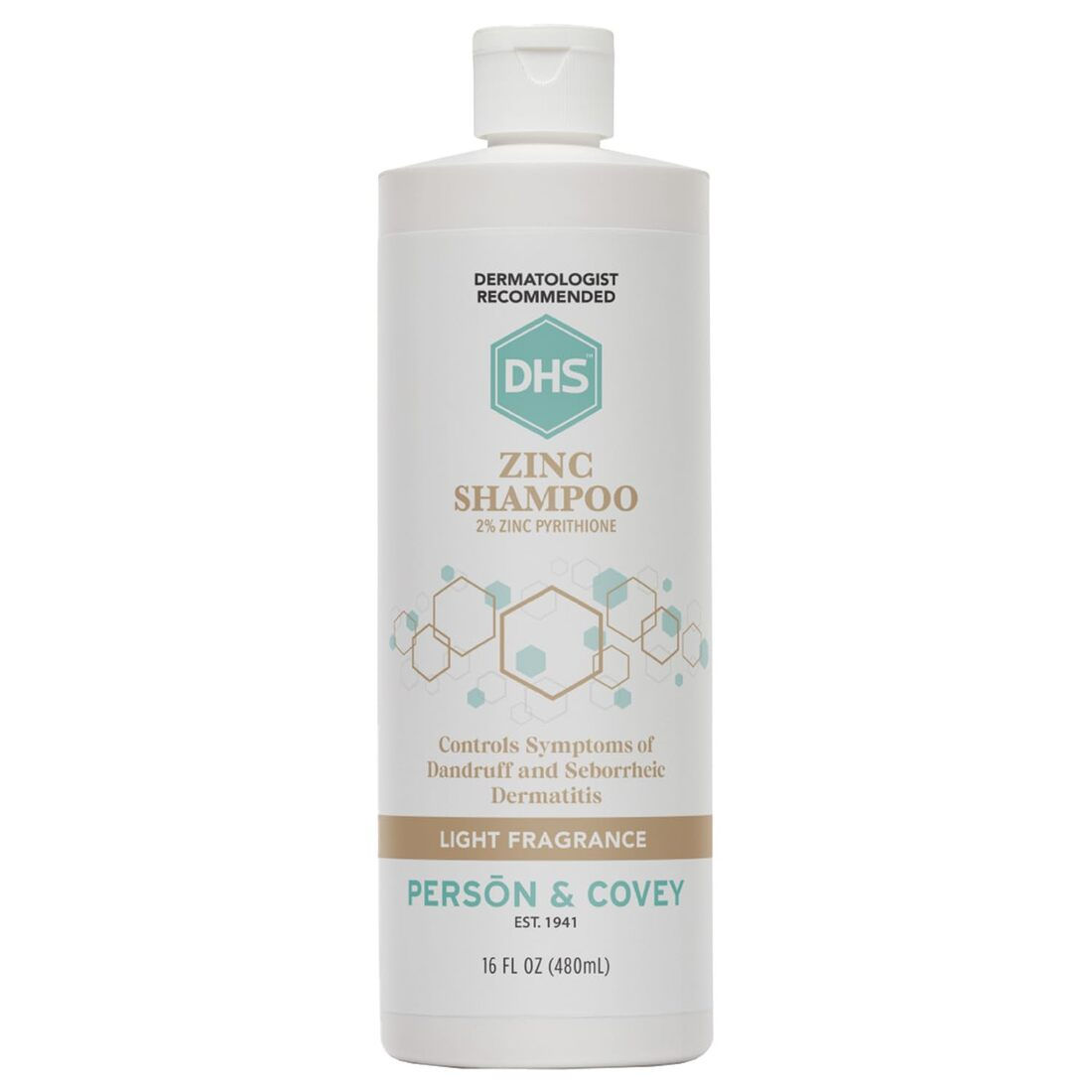
DHS Zinc Shampoo
93a51baf0d997ab61c44338083d325cedcee1ebd

View Here

  • Soothes Scalp Irritation: Zinc pyrithione is known for its anti-inflammatory properties, which can help reduce redness and irritation in the scalp, common after a hair transplant.

  • Controls Dandruff: The shampoo can effectively manage dandruff and flaking, which may occur during healing, ensuring a healthier scalp environment.

  • Antifungal and Antibacterial Properties: Its active ingredients help to prevent fungal and bacterial growth, reducing the risk of infections that could affect the healing of transplanted hair follicles.


4. Best DHT Fighting Formula
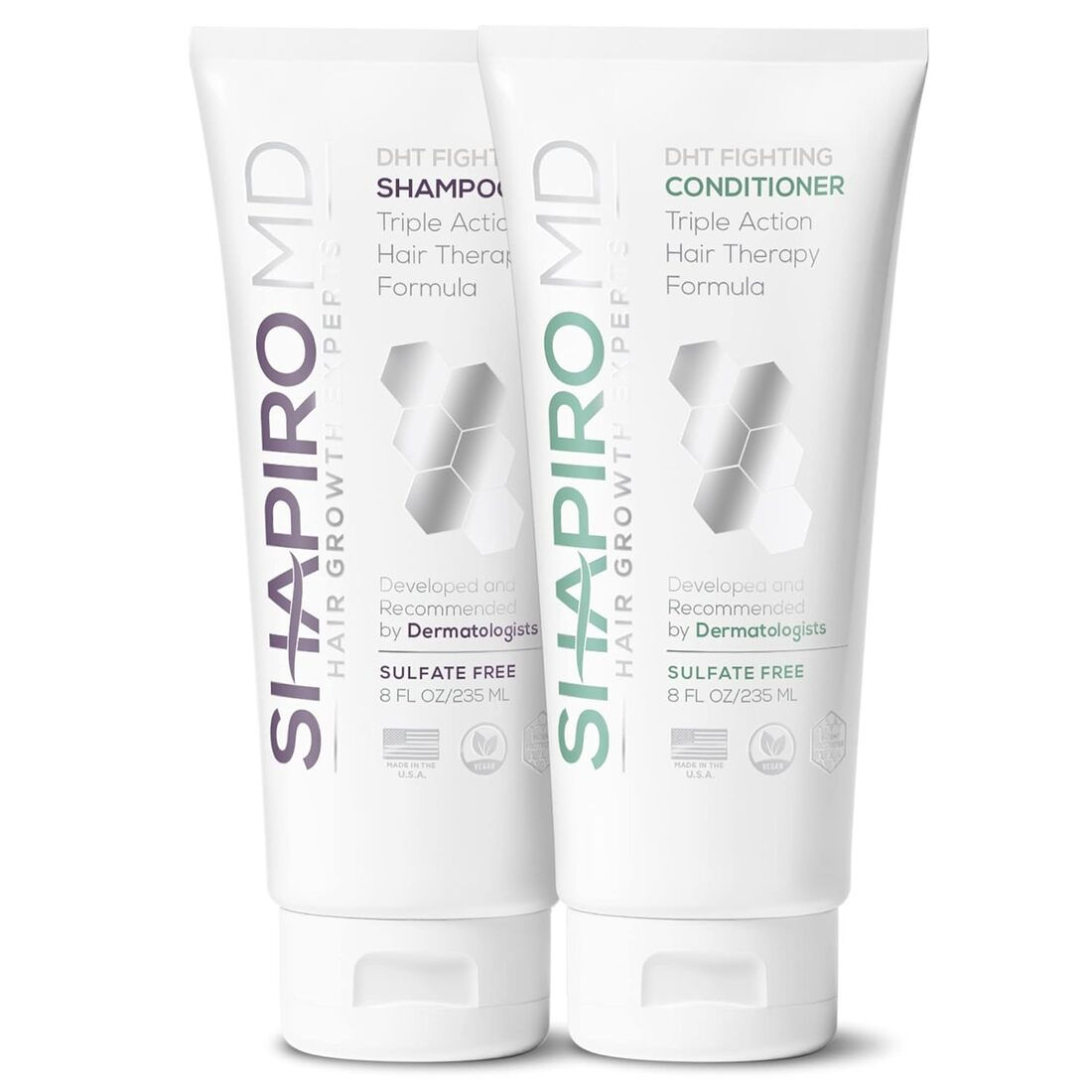
Shapiro MD Shampoo and Conditioner:
228b1cf0e434303d46656db8f3a52496383b30b9

View Here

  • DHT Fighting Ingredients: If hair loss is due to DHT, Shapiro MD Shampoo may help maintain hair density in surrounding areas by blocking DHT and preventing future hair loss(Hair Loss Cares).
  • Gentle Formula: While it contains ingredients like saw palmetto and caffeine, these are not too harsh, making the product potentially safe for a healing post-transplant scalp.


5. Best Caffeine Shampoo:
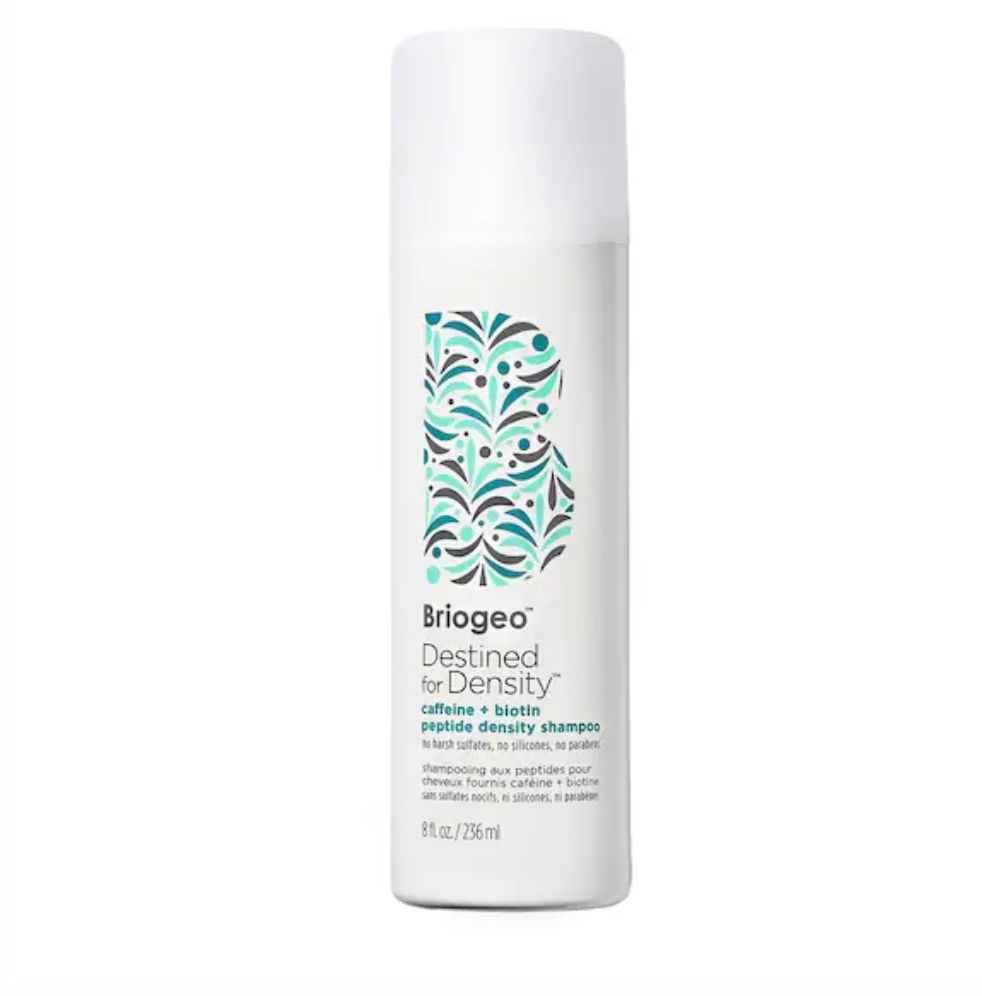
Briogeo Destined For Density Shampoo
5233dc75 808a 48ea a697 79fc5886cca9

View Here

  • Caffeine for Scalp Stimulation: Caffeine can increase blood flow to the scalp, supporting the growth of transplanted and native hair follicles.

  • Biotin for Hair Strength: Biotin helps improve the strength and resilience of new hair as it grows.

  • Peptides for Scalp Health: Peptides promote a healthy scalp environment, essential for sustaining transplanted hair.

  • Free from Harsh Ingredients: Sulfate-free, silicone-free, and gentle on the scalp, reducing the risk of irritation during the healing phase.


Other Helpful Products After a Hair Transplant:


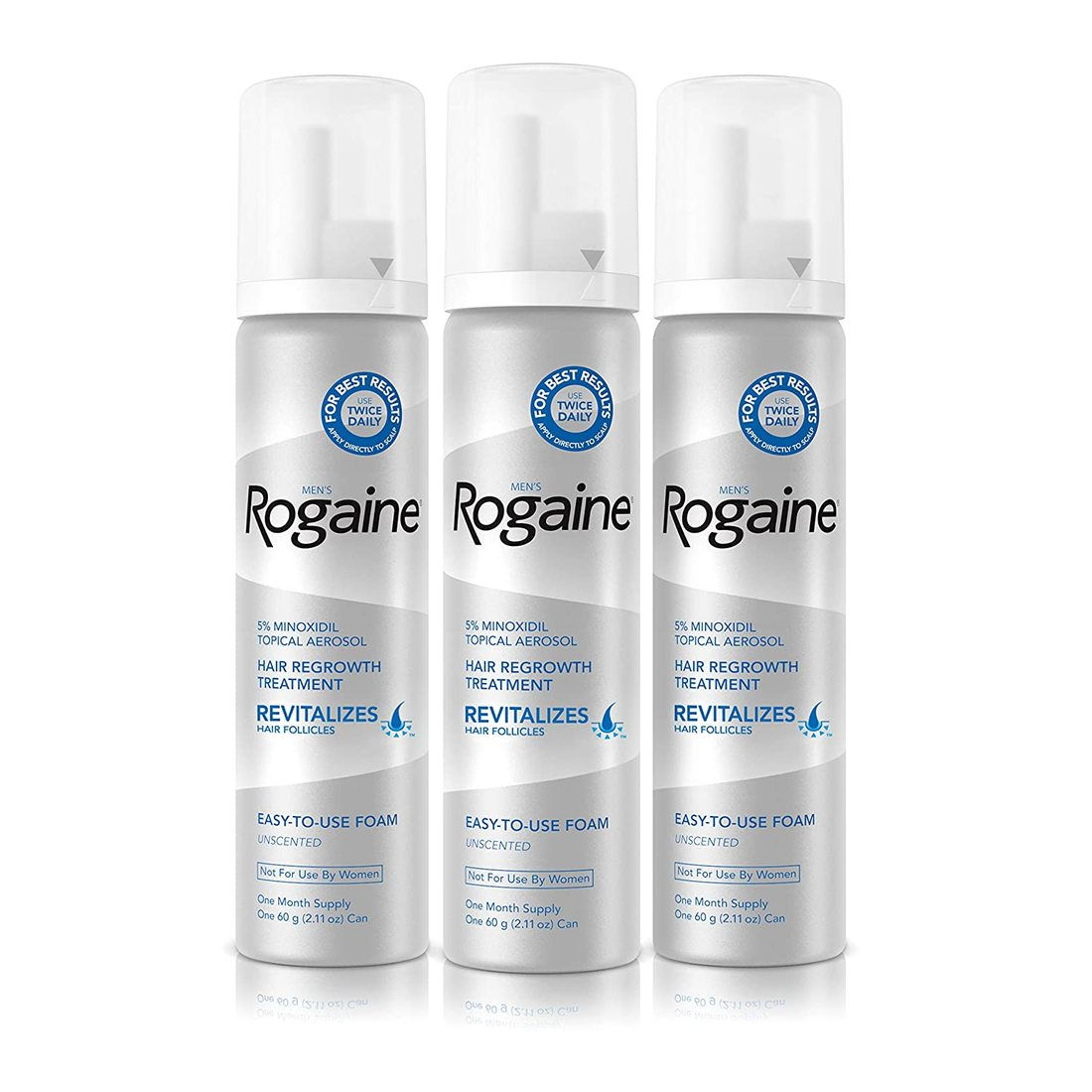
  • Rogaine 5% Minoxidil Foam

deb090b84c8f6be858b800483a2ae2bf2909627c

View Here

  • Rogaine is one of the most well-known and clinically tested minoxidil products. The foam formula is easy to apply, less greasy, and has been shown to effectively promote hair regrowth

Benefits of Using Minoxidil After a Hair Transplant:

  • Enhances Hair Growth
  • Reduces Shedding: It can minimize the "shock loss" of native hair that sometimes occurs after the transplant.
  • Supports Density
  • Prevents Further Hair Loss


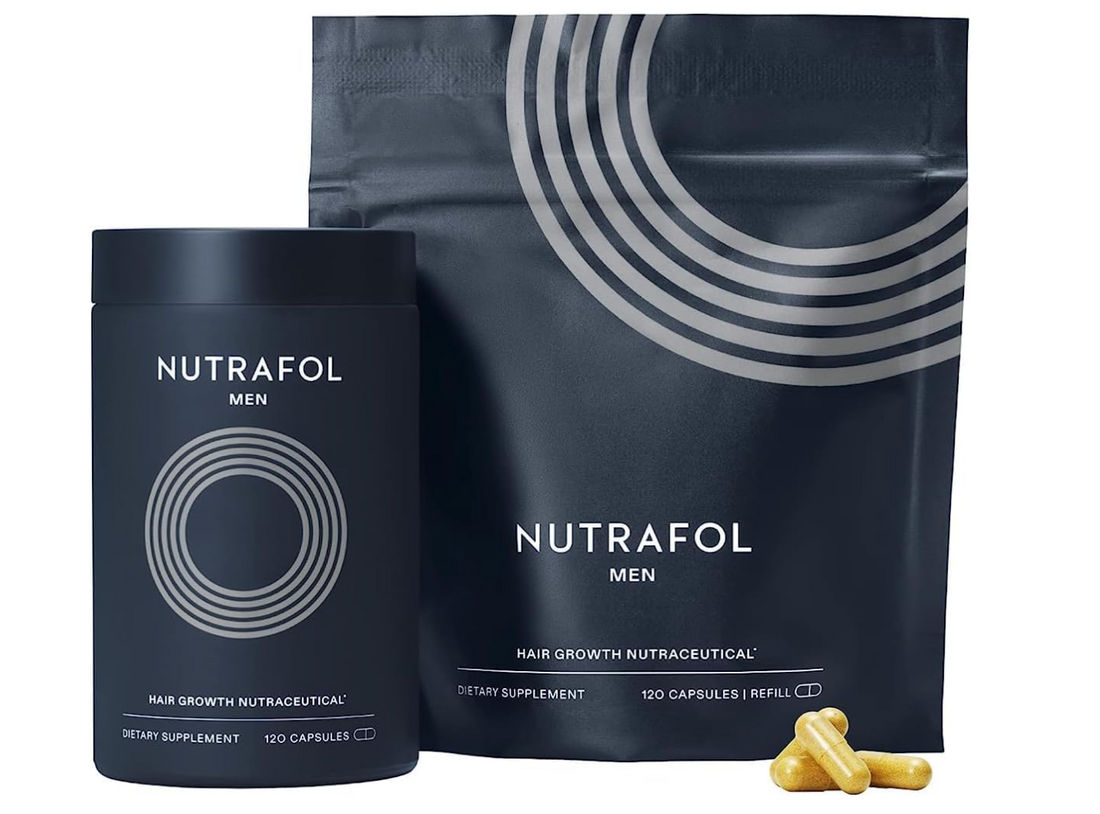
  • Nutrafol Men's Hair Growth Supplements
2287996e cd05 4abc 96f7 d6a192a7a88d

View Here

Key Benefits of Nutrafol Men Post-Transplant:

  • Supports Scalp Healing: Ingredients such as zinc and vitamin D promote wound healing, which is crucial after a transplant.
  • Reduces Inflammation: Anti-inflammatory components, such as saw palmetto and ashwagandha, can help calm the scalp and reduce redness, thereby improving recovery.
  • Strengthens Follicles: Nutrients such as biotin, collagen, and selenium support the growth and durability of both transplanted and existing hair.
  • Balances Hormones: Saw palmetto, a DHT-blocker, helps combat androgenetic alopecia, protecting the transplanted hair from future thinning.
  • Clinically Tested: Nutrafol has been studied for its potential to improve hair density, thickness, and scalp coverage, making it a credible choice.

Disclaimer: This content is for education only and not medical advice. Aftercare varies by patient and surgeon—always follow your clinic’s instructions and consult them before starting any new product. Use minoxidil only with clinician approval once the scalp has fully healed; concentrations may be off-label—follow packaging and clinical guidance. Product details may change, results vary, and no endorsement is implied; trademarks belong to their owners. If you experience pain, rash, severe redness, bleeding, signs of infection, or worsening symptoms, stop use and seek care. By using this site, you agree the authors/publishers are not liable for outcomes arising from use of the information or products.

Share your Feeling

  • 19
    SHOW OFF
  • 7
    I DO NOT LIKE
  • 6
    FINGERS CROSSED
  • 42
    I LIKED
  • 10
    APPLAUSE
  • 0
    I LOVED
  • 7
    SUSPICIOUS
  • 2
    UNBELIEVABLE
0 Comment(s)

Share Your Opinion, Please


Related Posts


A thorough guide into hair transplant in Mexico
Are Numbness After Hair Transplant and Nerve Damage Permanent? Here is the Answer
Causes of Swelling After Hair Transplant and Ways to Reduce It
Hair Loss Consultation: is it time to see a doctor?
What Causes Hair Transplant Infection and How to Prevent it?