In today's fast-evolving wellness landscape, light isn't just for illumination—it's for transformation. Whether you seek youthful skin, acne relief, or pain management, light-based treatments are stepping into the spotlight. This guide dives deep into LED red light therapy and its vibrant counterparts—blue light, UV light, and more—to help you choose the perfect treatment for your needs today and in the future.
Quick Links:
- Overview of Light-Based Therapies
- Understanding LED Red Light Therapy
- The Power of Blue Light Therapy
- UV Light Therapy: Benefits and Risks
- Exploring Other Light Modalities
- Comparative Analysis: Efficacy, Safety, and Applications
- Which Therapy is Right for You? (Quick Quiz)
- Future Trends in Light-Based Treatments
- Conclusion: Light Up Your Life
1. Overview of Light-Based Therapies
Light-based treatments harness specific wavelengths to trigger powerful biological responses in the skin and deeper tissues. The primary modalities include:
- LED Red Light Therapy: Uses red and near-infrared wavelengths to stimulate cellular repair and rejuvenation.
- Blue Light Therapy: Employs blue wavelengths to combat acne-causing bacteria and reduce inflammation.
- UV Light Therapy: Applies ultraviolet wavelengths for specific dermatological conditions, though with notable risks.
- Other Modalities: Green, yellow, and infrared light therapies target pigmentation, soothe sensitive skin, and address deep tissue issues.
Each therapy acts like a specialized tool in your wellness toolkit—targeting different depths and concerns to help you achieve optimal results.
2. Understanding LED Red Light Therapy
Mechanism of Action
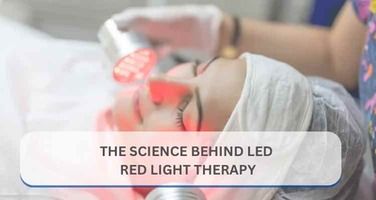
LED red light therapy works through photobiomodulation—stimulating mitochondria in your cells to boost ATP production. This increased cellular energy accelerates repair, reduces inflammation, and enhances collagen production.
Key Benefits
- Skin Rejuvenation: Promotes collagen synthesis for reduced wrinkles and firmer skin.
- Wound Healing: Enhances tissue repair and speeds recovery.
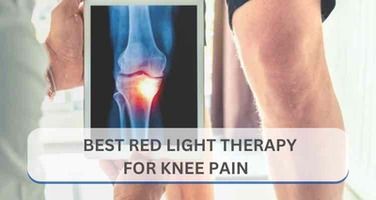
- Pain Relief: Alleviates joint and muscle pain with its anti-inflammatory properties.
- Additional Perks: Emerging research hints at improved sleep cycles and overall cellular health.
Real-World Example: Celebrities like Jennifer Lopez are reported to use red light therapy to maintain a timeless complexion, while athletes leverage its pain-relieving benefits.
3. The Power of Blue Light Therapy
Mechanism of Action
Blue light therapy targets the skin's surface. Its wavelengths (typically between 415 and 455 nm) generate reactive oxygen species that neutralize Propionibacterium acnes, the bacteria responsible for acne.
Key Benefits
- Acne Treatment: Reduces breakouts and inflammation.
- Skin Disinfection: Helps cleanse the skin before or after cosmetic procedures.
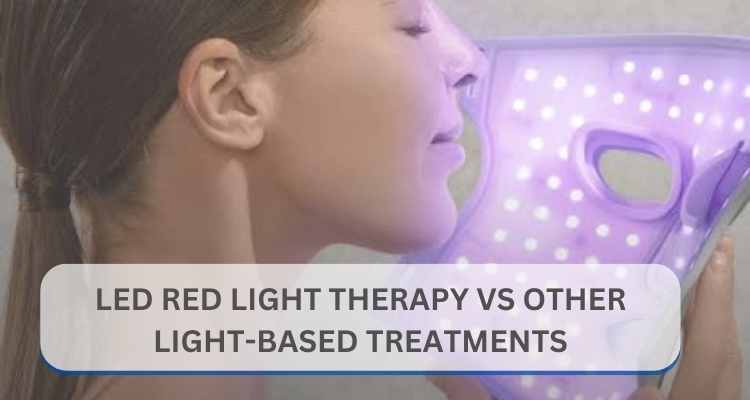
- Complementary Effects: Often paired with red light therapy for a balanced treatment—blue to clear and red to heal.
Considerations
While blue light is excellent for surface-level issues, its shallow penetration limits its use for deeper tissue rejuvenation.
4. UV Light Therapy: Benefits and Risks
Mechanism of Action
UV light therapy employs ultraviolet wavelengths (UV-A, UV-B, and occasionally UV-C) to alter DNA synthesis and modulate immune responses. It is primarily used for conditions like psoriasis, vitiligo, and eczema.
Key Benefits
- Dermatological Treatments: Effective in managing chronic inflammatory skin conditions.
- Immune Regulation: Helps to calm overactive immune responses in certain skin disorders.
Risks
UV light carries significant risks including DNA damage, premature aging, and an increased risk of skin cancer. Its use is strictly controlled in clinical settings, requiring protective measures and professional supervision.
5. Exploring Other Light Modalities
- Infrared and near-infrared Light: Penetrate deeper than red light, targeting muscles and joints to ease pain and boost circulation. They are often used alongside red light for comprehensive therapy.
- Green Light Therapy: Targets pigmentation issues by modulating melanin production, leading to a more even skin tone.
- Yellow Light Therapy: Soothes sensitive skin and reduces redness, making it an excellent choice for conditions like rosacea.
Each modality offers a unique set of benefits that can be tailored to your individual needs.
6. Comparative Analysis: Efficacy, Safety, and Applications
Depth of Penetration and Action
- Blue Light:
- Depth: Surface-level
- Ideal for: Acne and bacterial control
- Red Light:
- Depth: Mid-dermis
- Ideal for: Collagen stimulation, anti-aging, and pain relief
- Infrared Light:
- Depth: Deep tissues (muscles and joints)
- Ideal for: Deep tissue healing and pain management
- UV Light:
- Depth: Variable (UVB on the surface, UVA penetrates deeper)
- Ideal for: Specific dermatological treatments with controlled exposure
Safety and Side Effects
- LED-based (Red, Blue, Green, Yellow): These are generally safe with minimal side effects and are FDA-cleared for home use.
- UV Light: Requires professional supervision due to burns, premature aging, and skin cancer risks.
- Infrared: Safe when used appropriately; overexposure may cause discomfort due to heat.
Cost and Accessibility
- At-Home Devices: LED red and blue light devices range from $50 to $500, offering affordability and convenience.
- Clinical Treatments: UV therapy and specialized infrared treatments typically require professional oversight and may involve higher costs.
7. Which Therapy is Right for You? (Quick Quiz)
Answer these questions to guide your decision:
- What is your primary concern?
- Skin Rejuvenation / Anti-Aging
- Acne and Skin Blemishes
- Deep Tissue Pain and Inflammation
- Chronic Skin Conditions (e.g., Psoriasis, Eczema)
- Where would you prefer to have your treatment?
- At Home (DIY)
- Under Professional Supervision
- What is your budget range?
- Low ($50-$200)
- Medium ($200-$500)
- High (Clinical treatments)
If you answered:
- A: LED red light therapy is ideal for anti-aging and skin rejuvenation.
- B: Blue light therapy, possibly combined with red light, is perfect for acne.
- C: Infrared (with or without red light) can relieve deep tissue.
- D: UV therapy under professional supervision or a tailored combination therapy may be the best option for chronic conditions.
8. Future Trends in Light-Based Treatments
The future of light therapy is radiant with innovation:
- Smart, AI-Driven Devices: Expect next-generation devices that adapt real-time wavelengths and intensity based on your skin's needs.
- Multi-Wavelength Combination Therapy: Devices that blend red, blue, and infrared light are emerging, promising comprehensive treatment benefits.
- Wearable Technologies: Imagine light-infused wearables—patches, shirts, or glasses—that deliver continuous, low-level therapy throughout the day.
- Preventative Healthcare: Ongoing research suggests that light therapies significantly delay aging and boost overall cellular health.
Conclusion: Light Up Your Life
Light-based therapies are not just a fleeting trend but a revolution in skincare and wellness. LED red light therapy stands out for its cellular rejuvenation and anti-aging benefits, while blue light excels in acne treatment, and UV light addresses complex skin conditions under careful supervision. With additional options like infrared, green, and yellow light therapies, there is a tailored solution for nearly every concern.
Understanding your goals, treatment environment, and budget can help you choose the therapy that best fits your lifestyle. As technology evolves, these treatments will become more personalized and effective, ensuring that your journey toward radiant health continues well into 2026 and beyond.
Your skin and overall well-being deserve the best—let the right light guide your path to a healthier, brighter future.
Ready to transform your routine? Consult with a dermatologist, explore trusted at-home devices, and stay tuned for the latest breakthroughs in light-based treatments. The future is bright!