In the ever-evolving skincare world, LED red light therapy has emerged as a breakthrough treatment, seamlessly blending cutting-edge science with natural rejuvenation processes. Once reserved for high-end clinics and space research, this noninvasive therapy now offers a holistic approach to achieving radiant, youthful skin. In this article, we explore the wavelengths, cellular mechanisms, and clinical benefits behind LED red light therapy, delivering a comprehensive guide that's engaging, authoritative, and optimized for today's digital landscape.
At a Glance
|
What Is LED Red Light Therapy?
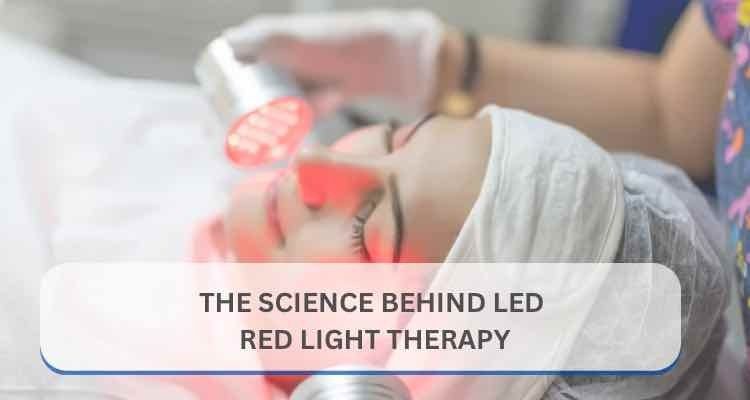
LED red light therapy employs low-level light-emitting diodes to deliver carefully calibrated red and near-infrared wavelengths to your skin. Unlike harmful ultraviolet rays, these wavelengths gently penetrate beneath the surface without heat or damage, triggering biological processes that help rejuvenate and repair the skin. Originally developed by NASA to heal astronauts' wounds and promote plant growth in space, this technology has evolved into a powerful tool for medical and cosmetic applications.
Illustration of the Penetration of Different Wavelengths in the Skin:
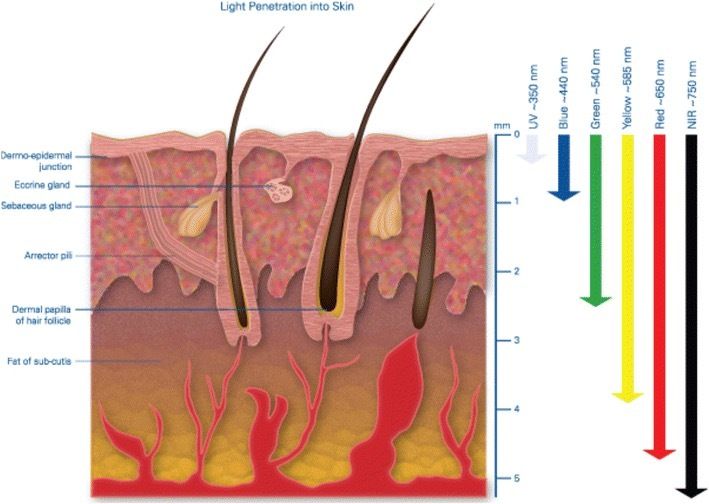
Source: ResearchGate
The Power of Wavelengths: Red and Near-Infrared Explained
Not all light is created equal. The success of LED red light therapy lies in its precise use of wavelengths:
- Red Light (620–750 nm): This visible light targets the outer layers of the skin, reaching the epidermis and upper dermis to address surface concerns like fine lines, uneven texture, and mild pigmentation.
- Near-Infrared Light (750–1200 nm): Invisible to the naked eye, near-infrared light penetrates deeper, reaching the lower dermis and subcutaneous tissues. This wavelength reduces inflammation and stimulates deeper cellular repair and regeneration.
These wavelengths fall within the “therapeutic window,” a range where skin cells optimally absorb light energy, ensuring efficient activation of the body’s natural healing processes.
How Red Light Therapy Works: The Cellular Symphony
At the cellular level, LED red light therapy orchestrates a series of beneficial processes known as photobiomodulation:
1. Mitochondrial Energy Boost
When the skin absorbs red and near-infrared light, it targets the mitochondria—the cell's energy factories. Specifically, the light stimulates cytochrome c oxidase, an enzyme crucial for ATP (adenosine triphosphate) production. More ATP means cells have extra energy to repair, regenerate, and function at their best.
2. Balancing Reactive Oxygen Species (ROS) and Nitric Oxide (NO)
The therapy fine-tunes the balance of reactive oxygen species (ROS) that, when unchecked, can accelerate aging. Simultaneously, it boosts the production of nitric oxide (NO), which improves blood flow and oxygen delivery to skin tissues. This dual action reduces inflammation and creates an optimal environment for skin repair.
3. Enhancing Gene Expression
Beyond the immediate boost in energy, LED red light therapy upregulates genes responsible for collagen synthesis, antioxidant production, and anti-inflammatory pathways. This leads to long-term improvements in skin health, including enhanced firmness and elasticity.
Illustration of the Process of Biomodulation: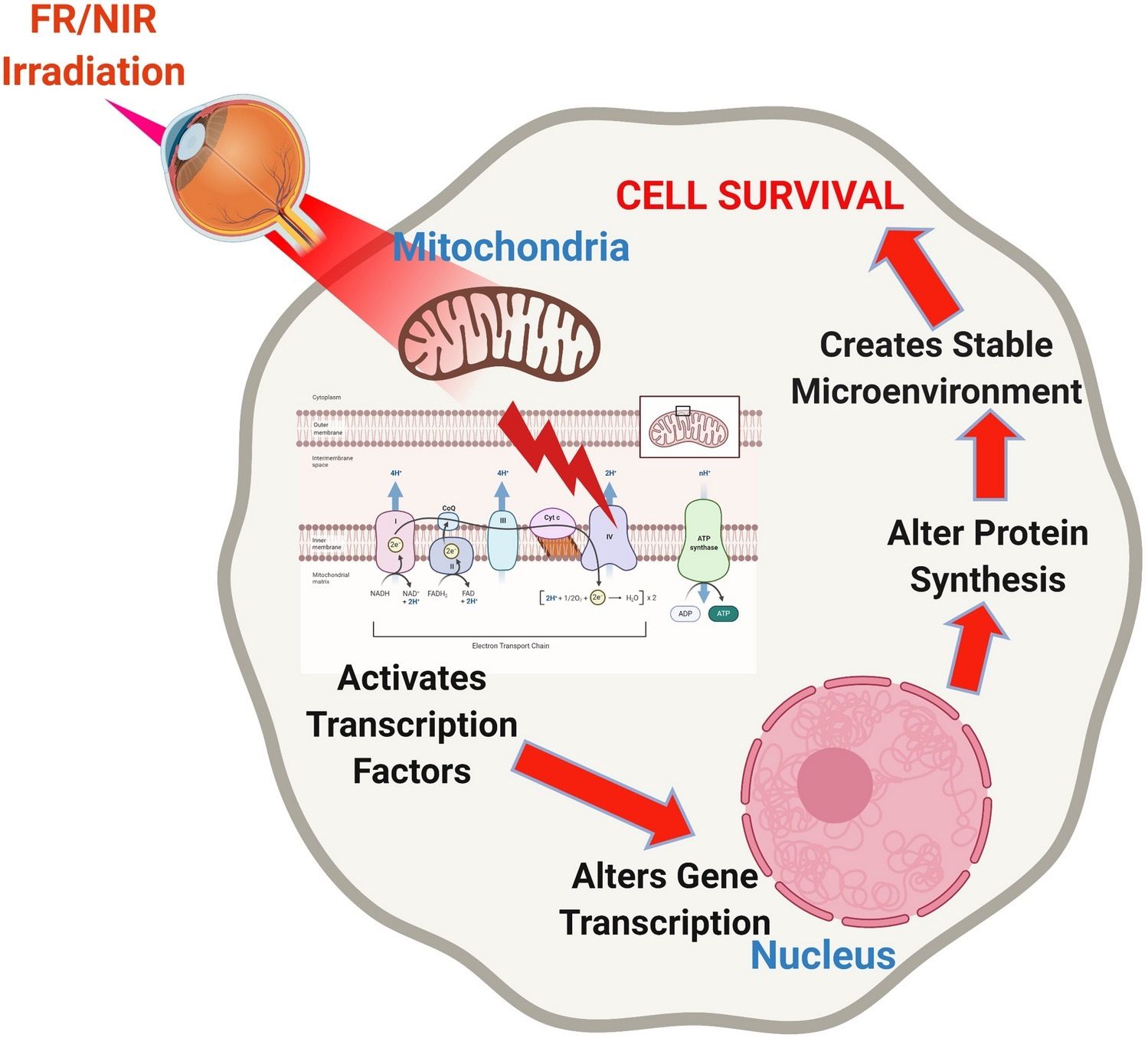
Source: Nature.com
The Proven Benefits for Skin Health
Boosting Collagen Production
Collagen is essential for maintaining skin structure and elasticity. By activating fibroblasts—the cells responsible for collagen synthesis—red light therapy helps rebuild the skin's natural scaffolding, reducing wrinkles and sagging. Studies have shown significant skin texture and firmness improvements after just a few weeks of regular treatment.
Reducing Inflammation
Chronic inflammation is a major contributor to skin issues such as acne, rosacea, and premature aging. LED red light therapy modulates inflammatory responses by lowering pro-inflammatory cytokines and enhancing anti-inflammatory markers, resulting in calmer, clearer skin.
Accelerating Wound Healing and Scar Reduction
The increased cellular energy and improved circulation hasten the wound-healing process. This has been observed in clinical settings, where patients experienced faster recovery from injuries, reduced scarring, and even a fading of acne marks over time.
Enhancing Skin Tone and Texture
Regular treatment leads to improved blood flow and hydration, resulting in a brighter, more even skin tone. Many users report a “lit-from-within” glow that enhances their overall appearance without the downtime associated with more invasive procedures.
How to Integrate LED Red Light Therapy into Your Skincare Routine
- Select the Right Device: Look for devices that offer 620–750 nm (red) and 750–1200 nm (near-infrared) wavelengths.
- Timing and Frequency: Sessions typically last between 10–20 minutes, 3–5 times per week. Consistency is key for cumulative benefits.
- Proper Usage: Keep the device 6–12 inches away from your skin as per the manufacturer's instructions. Ensure your skin is clean and free of heavy creams to maximize light absorption.
- Monitor Your Progress: Note any changes in your skin’s appearance and consult with a dermatologist if you experience any unusual reactions.
Pro Tip: To enhance overall results, consider pairing your red light therapy sessions with a robust skincare routine that includes hydration, gentle cleansing, and sun protection.
Frequently Asked Questions (FAQ)
Is LED red light therapy safe for all skin types?
Yes, LED red light therapy is non-invasive and generally safe for all skin types. However, it is always best to consult with a skincare professional before starting any new treatment.
How long before I see results?
While some users notice improvements within a few sessions, significant results—particularly in collagen production and wrinkle reduction—typically appear after several weeks of consistent use.
Can I use LED red light therapy at home?
Absolutely. Many FDA-cleared, at-home devices are available today. Just follow the manufacturer's guidelines to ensure optimal safety and effectiveness.
How does red light therapy compare to other treatments?
Unlike more invasive procedures such as lasers or chemical peels, red light therapy offers anti-aging benefits without downtime or significant side effects, making it a preferred option for many.
Final ThoughtsLED red light therapy represents a powerful convergence of science and skincare. By harnessing specific wavelengths to boost cellular energy, enhance collagen production, and reduce inflammation, this technology offers a comprehensive solution for achieving healthier, more vibrant skin. Ready to transform your skincare routine? Explore reputable LED red light therapy devices, consult with a skincare professional, and experience the radiant benefits for yourself. Embrace the future of skin health—one glowing cell at a time. For more in-depth insights and the latest research updates on LED red light therapy, subscribe to our newsletter and join the community of skincare enthusiasts who are lighting the way to a brighter, healthier future. |
Disclaimer
The information provided in this article is intended for general informational purposes only and should not be taken as professional medical advice. While every effort has been made to ensure the accuracy of the content on red light therapy masks and LED masks, individual results may vary. Always consult with a qualified healthcare provider or dermatologist before beginning any new skincare regimen or using any new device, especially if you have underlying health conditions or are on medications that may affect your skin's sensitivity. The opinions expressed here do not necessarily reflect those of affiliated brands or organizations, and neither the authors nor the website accept any responsibility for any adverse effects or outcomes resulting from the use of the products discussed.