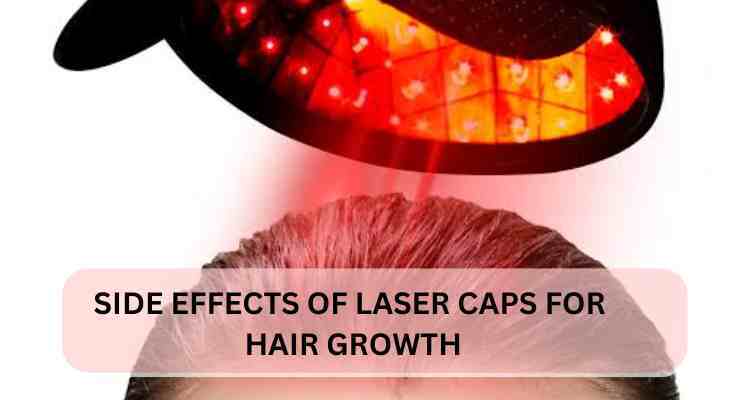
Laser caps have gained popularity as a non-invasive treatment for hair loss, offering the convenience of at-home use combined with the benefits of Low-Level Laser Therapy (LLLT). While the technology is generally safe and FDA-cleared for hair restoration, laser caps may have potential side effects like any medical device. Understanding these risks is crucial for informing you about incorporating laser therapy into your hair care routine.
In this article, we’ll explore the possible side effects of laser caps for hair growth, their frequency, and how to minimize risks while maximizing benefits.
How Do Laser Caps Work?
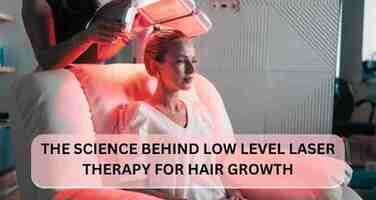
Laser caps use low-level laser light to penetrate the scalp and stimulate hair follicles. This process, known as photobiomodulation, increases blood flow, boosts cellular activity, and reduces inflammation. Laser therapy can encourage thicker, healthier hair growth over time by energizing hair follicles.
While the technology has been widely regarded as safe, understanding how it interacts with your body helps you anticipate potential issues.
Common Side Effects of Laser Caps
Laser caps are typically well-tolerated, but some users may experience minor side effects, particularly in the early stages of use. These side effects are usually temporary and can be managed with simple adjustments.
1. Scalp Warmth or Redness
Some users report a mild warming sensation or redness on the scalp after using a laser cap. This occurs because the laser light stimulates blood flow to the scalp.
How to Manage:
- Ensure you’re following the manufacturer’s recommended session durations.
- Allow adequate breaks between treatments to let the scalp recover.
2. Itching or Tingling
Increased blood circulation and follicle activity may lead to slight itching or tingling during or after treatment.
How to Manage:
- Keep your scalp moisturized with a gentle, alcohol-free lotion.
- Avoid scratching, as this may irritate the skin further.
3. Temporary Shedding
Paradoxically, some users notice increased hair shedding shortly after starting laser therapy. This is often a sign that older, weaker hairs are making way for new, stronger growth.
How to Manage:
- Be patient; this shedding phase is usually temporary and resolves within a few weeks.
- Continue using the laser cap consistently to see long-term benefits.
4. Headaches
Although uncommon, some users experience mild headaches after using laser caps. This may be due to sensitivity to the light or the device’s fit.
How to Manage:
- Reduce session time if headaches persist.
- Ensure the cap fits comfortably without applying excessive pressure to your scalp.
5. Dry Scalp
Laser therapy may occasionally lead to dryness or flakiness on the scalp, particularly if the user has pre-existing skin sensitivities.
How to Manage:
- Use a hydrating shampoo and conditioner formulated for sensitive scalps.
- Apply a lightweight scalp serum to maintain moisture.
Rare Side Effects of Laser Caps
While rare, some users may experience less common side effects. These issues are often linked to improper use or underlying conditions.
1. Skin Sensitivity or Allergic Reactions
People with sensitive skin or dermatological conditions may develop irritation or allergic reactions.
How to Manage:
- Test the laser cap on a small scalp area before full use.
- Consult a dermatologist if irritation persists.
2. Eye Strain or Discomfort
Accidental exposure to laser light can cause temporary eye strain or discomfort.
How to Manage:
- Always wear the safety goggles provided with your laser cap.
- Avoid looking directly into the light during operation.
3. Lack of Results
Some individuals may not see significant improvement after consistent use of laser therapy. This could be due to advanced hair loss where dormant follicles are no longer viable.
How to Manage:
- Combine laser therapy with other treatments like minoxidil or finasteride for enhanced results.
- Consult a hair restoration specialist for alternative options.
Who Should Avoid Laser Caps?
While laser caps are safe for most people, certain individuals should exercise caution or avoid using them altogether. This includes:
- Pregnant or Nursing Individuals: The effects of laser therapy on pregnancy and breastfeeding are not fully understood.
- People with Photosensitivity: Conditions like lupus or medications that increase light sensitivity may cause adverse reactions.
- Advanced Hair Loss Cases: Laser therapy is less effective for individuals with severe hair loss or scarring alopecia.
FAQs About Laser Caps for Hair Growth
1. Are laser caps for hair growth safe?
Yes, laser caps are FDA-cleared and safe for most users when used according to the manufacturer’s guidelines.
2. What happens if you stop using a laser cap?
Stopping treatment may lead to a gradual return of hair thinning, as laser therapy supports ongoing follicle activity.
3. How long does it take for LaserCap to grow hair?
Results vary, but most users notice hair thickness and density improvements after 3-6 months of consistent use.
4. Can I use my laser cap every day?
Most laser caps are designed for use 3-5 times per week. Daily use may not be necessary or recommended; always follow the manufacturer's instructions.
5. Is LaserCap FDA approved?
Yes, many laser caps are FDA-cleared for treating androgenetic alopecia (pattern hair loss).
6. Do laser caps cause shedding?
Temporary shedding may occur as older hairs fall out to make way for new growth.
7. Does red light therapy help hair growth?
Yes, red light therapy stimulates hair follicles and improves scalp health, promoting thicker and healthier hair growth.
8. How to clean a LaserCap?
Use a soft, damp cloth to wipe the device after each use. Avoid using harsh chemicals or submerging the cap in water.
9. Are laser caps worth the money?
Laser caps can improve hair density and quality for individuals with early to moderate hair thinning, making them a worthwhile investment.
10. What is the best laser cap for hair growth?
Top-rated options include the Capillus X+ Pro and iRestore Max 360, which are known for their high-quality diodes and effective results.
11. Laser cap for hair growth side effects reviews?
Reviews often highlight mild scalp redness or tingling as common side effects, but overall satisfaction with results is generally high.
12. Best laser cap for hair growth side effects?
With advanced technology, the best laser caps minimize side effects, offering even light distribution and adjustable session durations.
13. Red light cap for hair growth?
Red light caps use LLLT to stimulate hair follicles, improve blood flow, and support healthy hair growth over time.
14. Is there a product that really regrows hair?
Laser caps, along with treatments like minoxidil and finasteride, are proven to stimulate hair regrowth for many users.
15. Do laser combs work for hair regrowth?
Laser combs provide similar benefits to caps but are less convenient due to the manual effort required during use.
16. How long does it take to see results from iRestore?
Users typically notice improvements in 3-6 months with consistent use.
Tips for Minimizing Side Effects
- Start Slow: Begin with shorter sessions to gauge your scalp’s reaction before gradually increasing the duration.
- Follow Guidelines: Stick to the manufacturer’s instructions for optimal use.
- Maintain Scalp Health: Use gentle, hydrating hair care products to support a healthy scalp environment.
- Stay Consistent: Consistent use over several months is key to achieving noticeable results without overloading the scalp.
Conclusion
Laser caps are safe and effective for promoting hair growth, but understanding their potential side effects is essential for a positive experience. Most issues, like redness or mild itching, are temporary and can be managed with simple adjustments. Using the device correctly and maintaining a healthy scalp routine can maximize the benefits of laser therapy while minimizing risks.
If you’re considering a laser cap for hair growth, consult with a hair specialist to determine if it's the right fit for your needs. With proper care and patience, laser caps can be a valuable tool in your journey to thicker, healthier hair.