Low-Level Laser Therapy (LLLT) is an innovative, non-invasive treatment for hair regrowth that has gained significant traction in recent years. As a scientifically-backed method, LLLT offers a promising solution for individuals experiencing hair thinning and hair loss. By leveraging targeted light energy, this therapy stimulates hair follicles, encouraging regrowth and improving scalp health. This article delves into the science behind LLLT, how it works, its effectiveness, and its potential for revolutionizing hair loss treatments.
Jump To:
- What is Low-Level Laser Therapy?
- How Does LLLT Work for Hair Regrowth?
- The Mechanisms Behind LLLT
- Benefits of LLLT for Hair Regrowth
- Risks and Limitations of LLLT
- Ideal Candidates for LLLT
- How to Use LLLT Devices
- Frequently Asked Questions
What is Low-Level Laser Therapy?
LLLT, also known as photobiomodulation or red light therapy, involves the use of low-intensity lasers or light-emitting diodes (LEDs) to deliver light energy to the skin and hair follicles. Unlike high-power lasers used in surgical procedures, LLLT operates at lower power levels, making it safe and painless.
Originally developed for wound healing and pain management, LLLT has shown remarkable results in promoting hair regrowth, particularly for androgenetic alopecia (male and female pattern baldness).
How Does LLLT Work for Hair Regrowth?
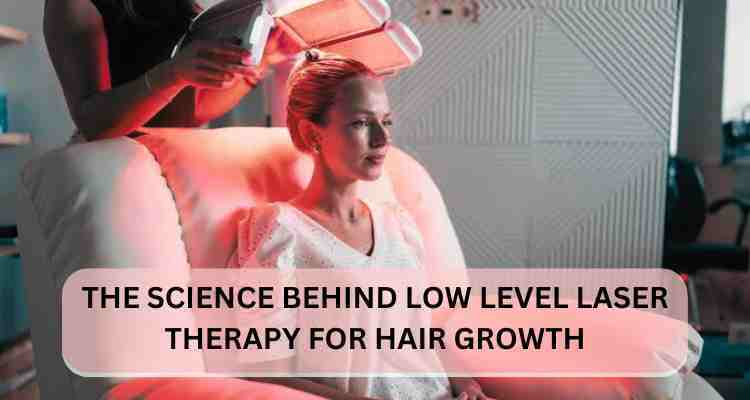
The primary function of LLLT in hair restoration is to improve blood flow to the scalp and stimulate cellular activity within hair follicles. This is achieved by the emission of red and near-infrared light, which penetrates the scalp without causing damage. The result is an improved environment for hair follicle growth, leading to thicker, healthier hair over time.
The Mechanisms Behind LLLT
A. Stimulating Cellular Activity
LLLT works on the principle of photobiomodulation, where light energy is absorbed by cells. This triggers a cascade of biological processes, including:
- ATP Production: The light is absorbed by mitochondria in the cells, increasing the production of adenosine triphosphate (ATP), the cell's energy currency.
- Cellular Repair: Enhanced energy availability improves the repair and regeneration of hair follicle cells.
B. Improving Blood Circulation
Red light from LLLT devices stimulates the formation of new blood vessels and enhances blood flow to the scalp. This ensures that hair follicles receive adequate oxygen and nutrients, essential for healthy growth.
C. Reducing Inflammation
Hair loss is often exacerbated by inflammation around hair follicles. LLLT reduces inflammation by modulating inflammatory pathways, creating a healthier environment for hair regrowth.
Benefits of LLLT for Hair Regrowth
- Non-Invasive and Painless: Unlike surgical hair restoration procedures, LLLT is entirely non-invasive, requiring no incisions, anesthesia, or recovery time.
- Clinically Proven Results: Numerous clinical studies have demonstrated the effectiveness of LLLT in improving hair density and thickness.
- Suitable for Both Men and Women: LLLT addresses various causes of hair loss, including genetic predisposition and age-related thinning.
- Enhances Existing Hair Treatments: LLLT can be used alongside other hair loss treatments, such as minoxidil or finasteride, to amplify results.
Risks and Limitations of LLLT
- Slow Results: Significant improvements may take several months of consistent use.
- Individual Variability: Results can vary based on the severity of hair loss and the individual’s response to treatment.
- Potential Side Effects: While rare, some users may experience mild scalp irritation or headaches due to prolonged exposure.
Ideal Candidates for LLLT
LLLT is most effective for individuals in the early stages of hair loss, where hair follicles are still active. It is less effective for those with extensive hair loss or dormant follicles. A consultation with a dermatologist or trichologist can help determine suitability.
How to Use LLLT Devices
A. Types of Devices
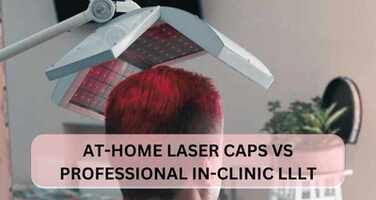
- LLLT Helmets: Cover the entire scalp, ensuring even light distribution.
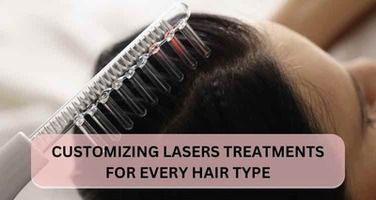
- Handheld Devices: Allow targeted treatment but require manual application.
- Caps and Bands: Portable options for easy use during daily activities.
B. Recommended Usage
- Frequency: 2-3 times per week
- Duration: 15-30 minutes per session
- Consistency: Regular use is essential for long-term results.
C. Maintenance
Clean the device as instructed and follow safety guidelines to ensure effective treatment.
Conclusion
LLLT represents a scientifically grounded, non-invasive option for individuals seeking hair restoration. Patients can achieve healthier, fuller hair over time by understanding its mechanisms and committing to consistent use. For those exploring treatment options, consulting a qualified professional can help determine if LLLT is the right solution for their hair loss concerns
Frequently Asked Questions
How long does it take to see results?
Most users notice hair thickness and density improvements after 3-6 months of consistent use.
Can LLLT reverse baldness?
LLLT is most effective in early-stage hair loss and cannot revive dormant follicles.
Is LLLT safe?
Yes, LLLT is FDA-cleared for hair regrowth and is considered safe with minimal side effects.
Can I use LLLT with other treatments?
Yes, LLLT is often combined with treatments like minoxidil, PRP therapy, or hair transplants for enhanced results.
Is LLLT effective for all types of hair loss?
LLLT is primarily effective for androgenetic alopecia and may not work as well for conditions like alopecia areata.