Hair loss is a common concern affecting millions of individuals worldwide. Whether due to genetics, hormonal changes, aging, or other factors, thinning hair can impact self-esteem and quality of life. A growing range of treatment options has emerged—among them is low-level laser therapy (LLLT). This non-invasive approach uses specific wavelengths of light to stimulate hair follicles, improve blood circulation, and promote healthier, denser hair growth.
LLLT can be delivered in two primary ways:
- At-Home Laser Caps: Wearable devices that apply low-level laser light while users continue their daily activities.
- In-Clinic Professional Treatments: Sessions conducted by trained specialists using more powerful or specialized equipment in a medical setting.
This article provides a detailed comparison of these two approaches, highlighting their mechanisms, convenience, costs, efficacy, and overall pros and cons, so you can determine which option aligns best with your needs and lifestyle.
What is Low-Level Laser Therapy (LLLT) for Hair Growth
How Does LLLT Work?
LLLT for hair loss typically uses coherent, monochromatic red or near-infrared light (around 650 nm) to penetrate the scalp and stimulate hair follicles. The light energy is absorbed by the mitochondria in cells, increasing ATP (adenosine triphosphate) production—effectively boosting cellular metabolism, improving blood circulation, and reducing inflammation. These effects support follicle health and encourage hair to spend more time in the growth phase (anagen).
Clinical Support
Multiple studies have shown that LLLT can improve hair density and thickness in individuals with androgenetic alopecia and other forms of hair thinning. For example, a 2014 study published in Lasers in Surgery and Medicine found that participants using LLLT devices experienced a significant increase in hair density compared to those using sham devices, with no serious side effects reported.
At-Home Laser Caps: How They Work and What to Expect
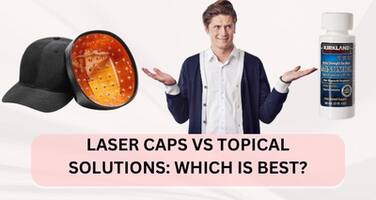
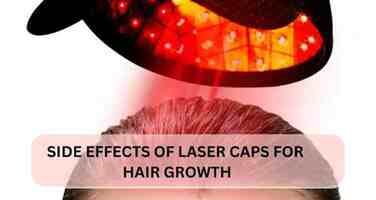
At-home laser caps are wearable devices—often designed to look like baseball caps or helmets—with low-level laser diodes or LED lights arranged to cover the scalp. Users typically wear them a few times weekly for short sessions (e.g., 15–30 minutes) while reading, watching TV, or performing household tasks.
Pros of At-Home Laser Caps
- Convenience and Flexibility: Incorporate treatments into your routine without needing appointments or travel.
- Long-Term Cost Savings: Although the initial cost can be high, ongoing expenses are minimal once purchased.
- Privacy and Comfort: Treat hair loss discreetly from home.
- Maintenance of Results: It is easier to stay consistent over time, supporting sustained improvements.
Cons of At-Home Laser Caps
- Upfront Investment: Quality, FDA-cleared caps can be expensive.
- Varied Quality and Efficacy: The market is flooded with products of varying standards. Choosing a reputable brand is essential.
- Self-Directed Treatment: No professional oversight means users must rely on instructions and their own research.
Professional In-Clinic LLLT Treatments:
Key Features and Considerations
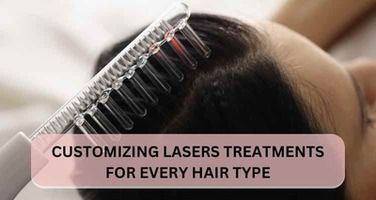
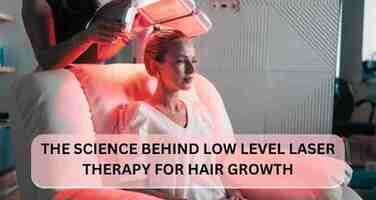
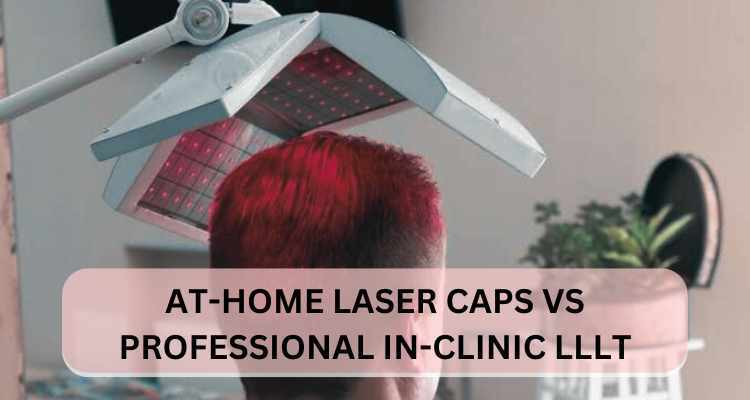
Professional LLLT sessions are performed in clinics or medical offices by qualified personnel. These treatments often employ medical-grade lasers or LED panels, sometimes combined with other therapies.
Pros of In-Clinic LLLT Treatments
- Professional Guidance: Expert assessment, tailored treatment plans, and possible complementary therapies.
- Potential for More Powerful Devices: Some clinics use higher-output systems for possibly faster results.
- Accountability and Compliance: Regular appointments encourage adherence to the regimen.
Cons of In-Clinic LLLT Treatments
- Ongoing Costs: Session fees can add up over time, making long-term care expensive.
- Time and Travel Requirements: Commuting and scheduling appointments may be inconvenient.
- Privacy and Comfort: Some prefer at-home discretion rather than a public setting.
- Limited Availability: Not everyone has easy access to reputable clinics.
Comparing Results and Efficacy
Both at-home laser caps and in-clinic LLLT have demonstrated efficacy in clinical studies. Effectiveness often depends on device quality, adherence to the treatment schedule, and individual factors like the type and severity of hair loss.
Mild to Moderate Hair Loss: At-home devices may suffice for many users.
Moderate to Advanced Hair Loss: Professional oversight and more powerful treatments or combined therapies may prove more beneficial.
Some individuals opt for a hybrid approach—starting with professional sessions for initial gains and then maintaining results with an at-home cap.
Safety and Side Effects
LLLT is generally safe, with minimal side effects. Mild scalp irritation or warmth can occur but is rare. Both at-home and in-office devices are typically FDA-cleared for safety. Always follow product instructions and consult with a professional if in doubt.
Practical Considerations When Choosing
- Budget and Long-Term Goals: Evaluate your willingness to invest upfront vs. paying per session.
- Lifestyle and Schedule: Consider convenience, travel, and how easily you can integrate treatment into your routine.
- Expert Guidance Needs: In-clinic may be better initially if you prefer professional oversight or have complicated hair loss.
- Maintenance and Commitment: Both methods require consistency. Choose the one that best supports long-term adherence.
FAQs
1. Can I use an at-home laser cap in addition to professional treatments?
Yes. Combining approaches—such as starting with in-clinic sessions and transitioning to at-home use—can optimize results.
2. How long before I see results?
Most see changes in 3–6 months, with more significant improvements after 6–12 months of consistent use.
3. Are at-home laser caps as powerful as in-clinic devices?
Not always. Professional devices may be stronger or more customizable. Still, many at-home devices are effective if FDA-cleared and used correctly.
4. Is LLLT suitable for all types of hair loss?
Primarily effective for androgenetic alopecia. Less effective for scarring alopecia or advanced cases where follicles are inactive.
Conclusion
When comparing at-home laser caps and in-clinic LLLT treatments, the best choice depends on personal priorities, budget, and hair loss stage. At-home caps offer convenience, privacy, and potential cost savings over time, while in-clinic treatments provide professional guidance, possibly stronger devices, and a structured regimen.
For many, a combination approach or transitioning from in-office sessions to at-home maintenance may be ideal. Whichever route you choose, remember that consistency, patience, and realistic expectations are key to achieving meaningful, lasting improvements in hair health.
References:
- Avci P. et al. (2014). Low-level laser (light) therapy (LLLT) for treatment of hair loss. Lasers in Surgery and Medicine.
- FDA.gov: Information on FDA-cleared LLLT devices for hair growth.
- American Academy of Dermatology (AAD) - Clinical studies on LLLT efficacy.