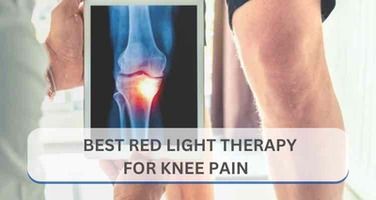
Imagine standing in front of a glowing panel, basking in a warm, ruby-red light that feels like a gentle hug from the sun—except this time, it's working magic on your skin, soothing your aching muscles, and lifting your energy levels. That's the promise of red light therapy, a wellness trend that's exploded from niche biohacking circles to living rooms everywhere. In 2026, thanks to cutting-edge LED tech, these devices aren't just for elite athletes or spa-goers—they're for anyone ready to tap into nature's healing wavelengths right at home.
I've spent weeks diving into the world of red light therapy panels—testing, researching, and chatting with users—to bring you the ultimate rundown of the top five contenders this year. From skin-rejuvenating powerhouses to full-body recovery beasts, these picks blend science, style, and real-world results. Let's explore what makes each one shine, how to use them, and why they might become your new wellness obsession.
The Top 5 Red Light Therapy Panels of 2026
|
Quicklook:
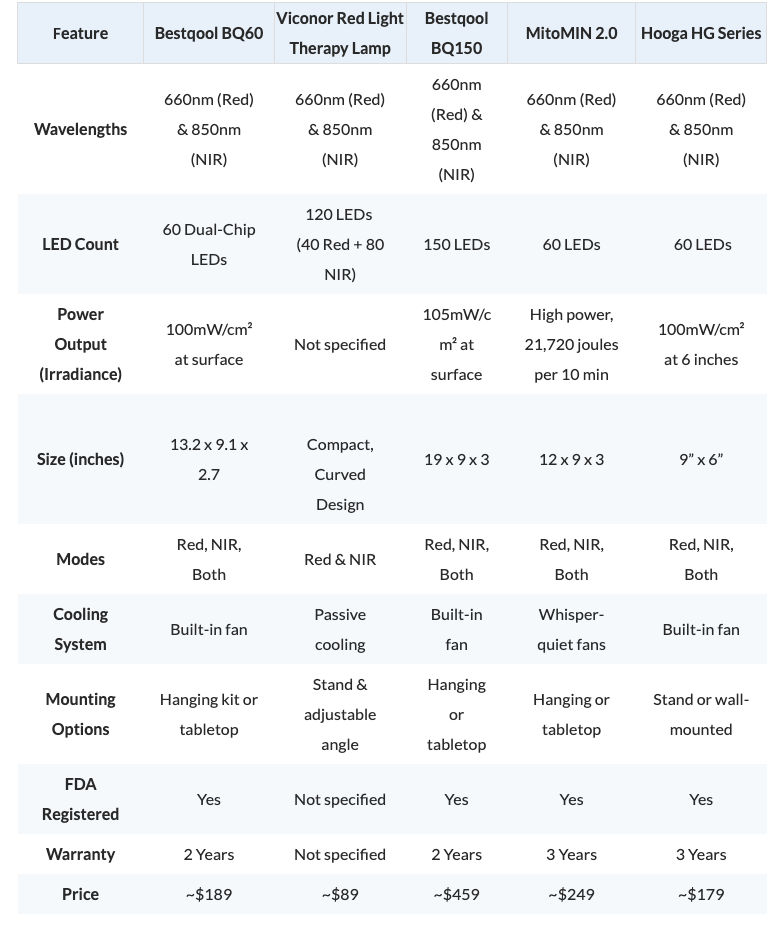
1. Best for Performance:
Bestqool BQ60
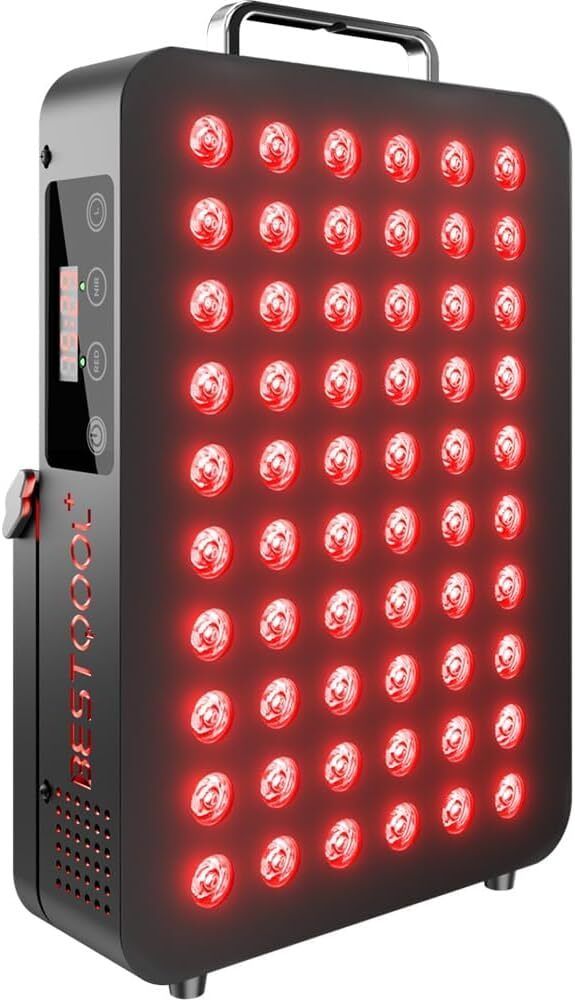 |
Who needs an expensive spa when you can get pro-level red light therapy at home? The Bestqool BQ60 brings dual-chip power in a compact, hands-free design—perfect for skin health, recovery, and better sleep. With red (660nm) and near-infrared (850nm) light, a 60-degree beam angle, and high irradiance (95.6mW/cm² at 3"), this panel is built to deliver results fast. Why It Shines:
Keep in Mind:
How to Use It: Position it 3–6 inches away, soak in the light for 10–12 minutes, and aim for 3–5 weekly sessions. Use while working, relaxing, or winding down before bed. Price: $189 |
2. Best for Portability & Convenience:
Viconor Red Light Therapy Lamp
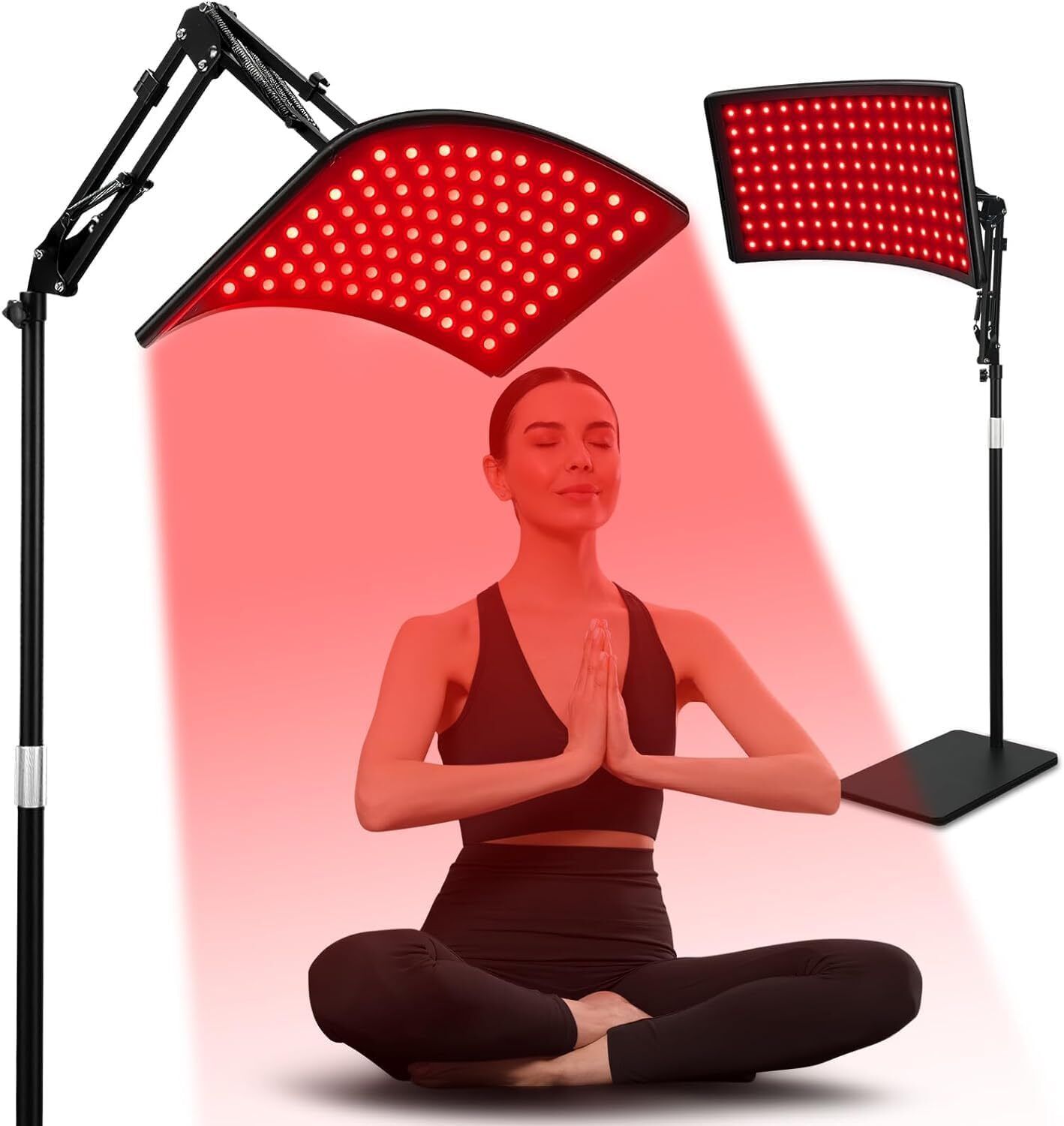 |
A salon-quality red light therapy session—right from home. The Viconor Red Light Therapy Lamp combines 660nm red light and 850nm near-infrared light to support skin health, muscle recovery, and overall wellness. A curved panel design enhances light focus for deeper penetration and maximum effectiveness. Why It Stands Out:
Key Specs:
Pros: ✔️ Curved panel design enhances light focus Cons: ✖ No built-in timer—manual timing required Who Should Buy:
Price: $89 |
3. Best for Power & Coverage:
Bestqool BQ150
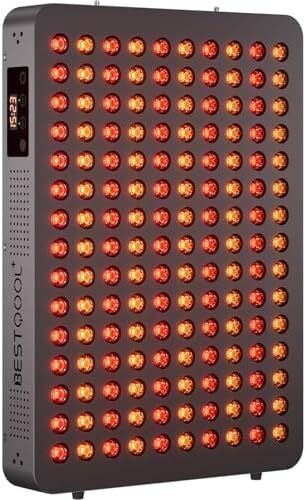 |
The Bestqool BQ150 isn’t just another red light panel—it’s a full-force wellness booster built for people who want pro-level results at home. With 150 dual-chip LEDs across four clinically backed wavelengths (630nm, 660nm, 850nm & 940nm), it’s designed to flood your body with healing light, whether you’re chasing glowing skin, better sleep, or faster recovery. Plus, its modular design means you can expand your setup whenever you want. Why It Shines:
Keep in Mind:
How to Use It: Position it 3–6 inches away, soak in the light for 10–12 minutes, 3–5 times per week. Link it with additional Bestqool panels for full-body coverage. Includes smart controls and low heat output for comfortable sessions. Price: $450 |
4. Best for Targeted Therapy:
Mito Red Light - MitoMIN 2.0 Red Light Therapy Panel
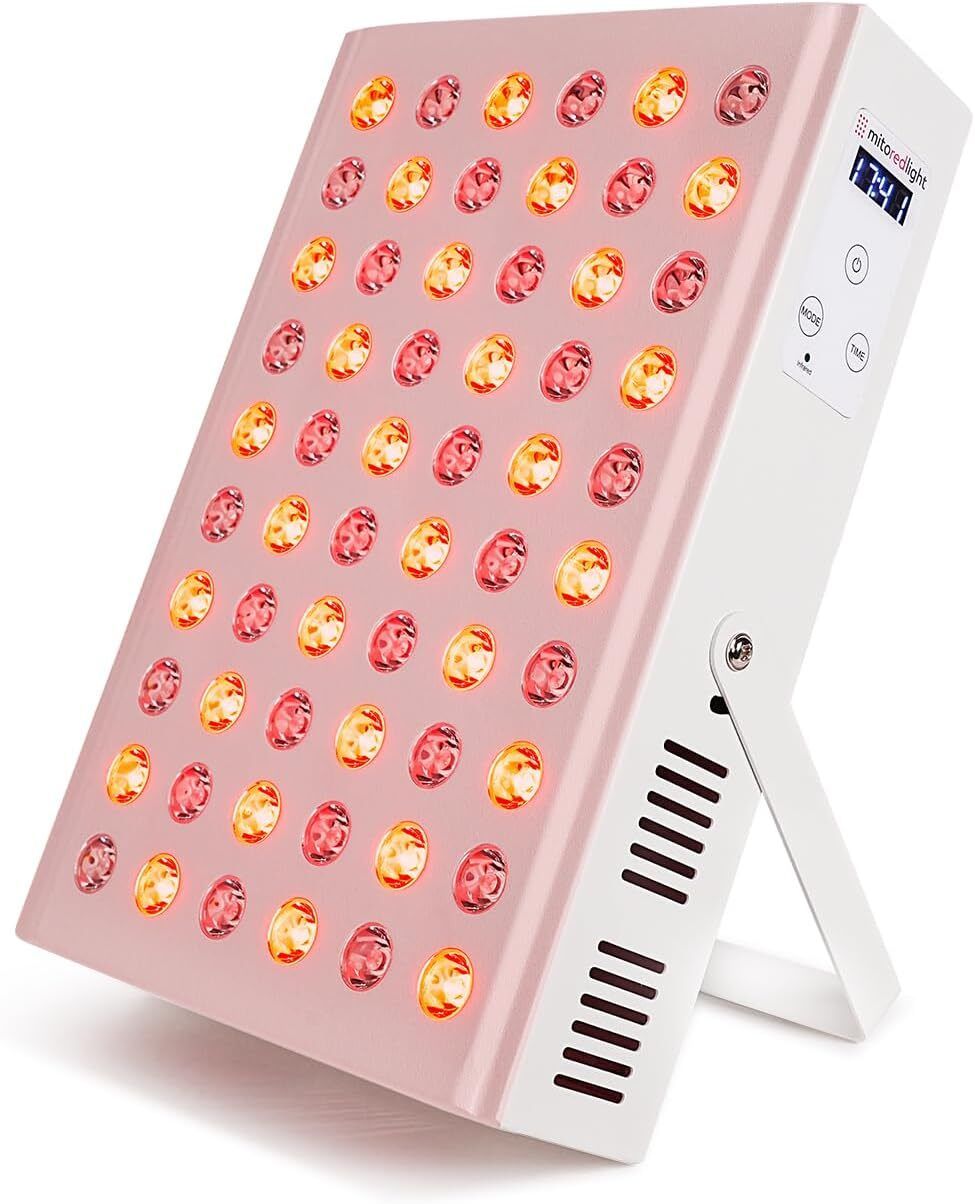 |
A professional-grade red light therapy panel designed for targeted treatment of the face, neck, and body. The MitoMIN 2.0 offers 660nm red light and 850nm near-infrared light, scientifically backed to promote skin health, reduce inflammation, and accelerate recovery. Why It Stands Out:
Key Specs:
Pros: ✔️ Compact yet powerful for targeted treatments Cons: ✖ Smaller treatment area compared to full-body panels Who Should Buy:
Price: $249 |
5. Best Budget-Friendly Option:
Hooga HG Series
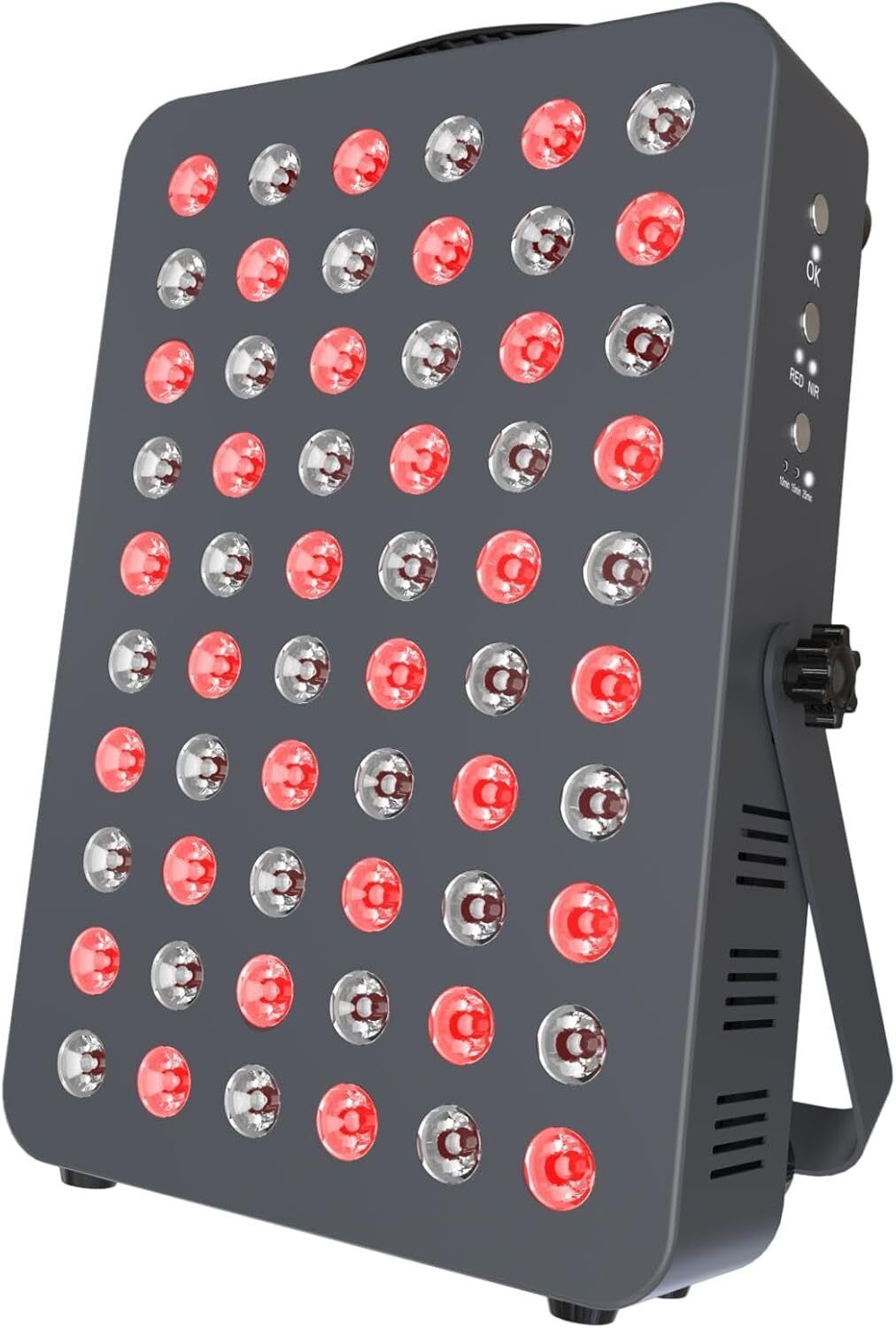 |
The Hooga HG300 brings professional-grade red light therapy straight to your home—no overpriced salons or clinics needed. With 60 high-powered LEDs delivering a perfect 1:1 mix of 660nm and 850nm wavelengths, it’s designed to boost skin health, ease muscle tension, and supercharge recovery. Built-in cooling, a convenient timer, and a carrying handle make it effortlessly functional. Why It Shines:
Keep in Mind:
How to Use It: Set it 6 inches away, soak in the light for 10–15 minutes, and repeat 3–5 times a week. Got sensitive eyes? The included goggles have you covered. Price: $179 |
What’s the Deal with Red Light Therapy, Anyway?
Picture this: tiny beams of red and near-infrared light sneaking into your cells, giving your mitochondria a pep talk. These cellular powerhouses churn out more ATP (energy juice), sparking healing, reducing inflammation, and maybe even turning back the clock a bit. It’s not sci-fi—it’s science. In fact, a 2014 study in Photomedicine and Laser Surgery reported notable increases in collagen density with consistent red light therapy, underscoring why RLT is everywhere in 2025. Here’s what it’s famous for:
- Skin Superpowers: Boosts collagen, fades blemishes, and leaves you glowing like you just stepped off a yoga retreat.
- Muscle Mojo: Cuts recovery time so you’re back to lifting, running, or just chasing the kids faster.
- Joint Joy: Eases that creaky feeling—think of it as WD-40 for your body.
How to Pick Your Perfect Panel
Choosing the right red light therapy panel is like picking a new phone—it’s all about what fits you. Here’s the cheat sheet:
- Wavelengths & Power: Stick to 660nm (red) and 850nm (NIR) for proven results. Higher irradiance = quicker sessions.
- Size Matters: Small for spot treatments (face, knees); large for whole body.
- Build Quality: Metal casings and solid LEDs mean it’ll outlast your gym membership. Warranties of 2+ years are golden.
- Safety First: FDA nods or third-party tests are your green light for peace of mind.
- Budget Vibes: $200 gets you started; $1,200+ buys pro-level power.
Any Downsides?
Red light therapy’s pretty chill, but it’s not flawless:
- Eye Ouchies: Staring at LEDs sans goggles can bug your peepers—keep ‘em shielded.
- Rosy Glow: Some get a temporary flush—cute, unless it lingers (then pause and check in).
- Headache Hiccup: Rare, but bright light near your face might nudge a tension headache.
If anything feels off, hit pause and talk to a pro.
Burning FAQs
Can it reduce wrinkles?
Many users report smoother skin, firmer jawlines, and a more refreshed appearance. While individual results vary, consistency is key.
Is daily use safe?
Yes, most devices recommend sessions of 10–15 minutes. Always follow the manufacturer’s guidelines for best results.
Is it suitable for sensitive skin?
Generally, yes. However, it’s best to perform a patch test first. If you experience redness or irritation, reduce the exposure time.
Should I wear eye protection?
Absolutely. LED lights are intense, especially when used near the eyes. Protective goggles are strongly recommended.
Red vs. Near-Infrared—do I need both?
Red light supports skin health, while near-infrared penetrates deeper, benefiting muscles and joints. Using both can enhance overall effectiveness.
The Final Glow Red light therapy panels are more than a trend—they're a lifestyle upgrade. Whether you’re chasing dewy skin, bouncing back from a killer workout, or just craving a natural energy lift, these 2026 champs have something for everyone. The Joovv Solo 3.0 brings all-star vibes, MitoPRO covers you head to toe, PlatinumLED packs a punch, Red Light Rising flexes versatility, and Hooga keeps it real (and affordable). The secret sauce? Use it regularly—like watering a plant, not a fire hose. Pair it with smart habits (think hydration and sleep), and consult your doctor first if you have health quirks. So, which one’s calling your name? Dive in, glow up, and let 2026 be the year you shine—inside and out. |
Disclaimer: The information provided in this article is for general informational purposes only and is not intended to replace professional medical or dermatological advice, diagnosis, or treatment. Always seek the advice of your dermatologist, healthcare provider, or qualified medical professional with any questions you may have regarding your skin health or the use of red light therapy devices—especially if you have specific conditions such as rosacea, eczema, or photo-sensitivity. While we strive to present accurate and up-to-date information, individual results may vary, and specific recommendations should be tailored to your unique skincare needs.