
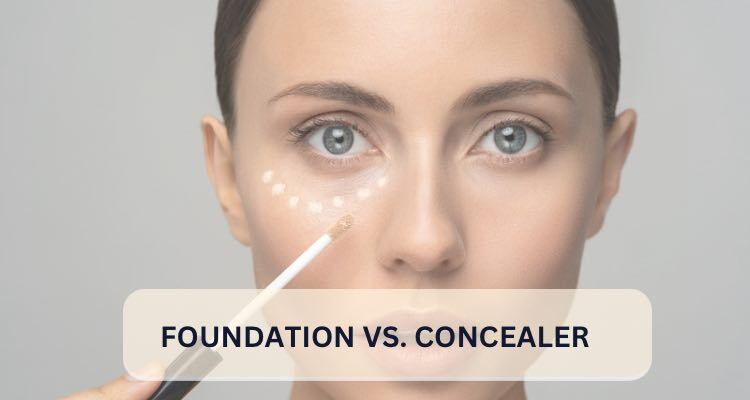
When it comes to achieving a flawless complexion, two makeup essentials often come into play: concealer and foundation. While both are designed to enhance your skin’s appearance, they serve different purposes and have unique formulations. Foundation provides an even base, covering large areas of the face to smooth out the skin tone and create a uniform look. Concealer, on the other hand, is more targeted, used to cover specific areas like blemishes, dark circles, or redness.
Understanding the difference between concealer and foundation is key to mastering your makeup routine. Whether you’re aiming for a natural look or full coverage, knowing when and how to use each product can make all the difference. Concealers are typically thicker and offer higher coverage in specific areas, while foundation is more versatile, providing all-over coverage with buildable formulas for different finishes.
In this guide, we’ll break down the main differences between concealer and foundation, how they complement each other, and when to use each for the best results.
Table of Contents
- What Is Concealer?
- What Is Foundation?
- What Are The Key Differences Between Concealer and Foundation?
- When Should You Use Concealer?
- When Should You Use Foundation?
- Can You Use Concealer Without Foundation?
- Can You Use Foundation Without Concealer?
- How to Use Concealer and Foundation Together for a Flawless Look
What Is Concealer?
Concealer is a highly pigmented makeup product used to cover specific imperfections on the skin. It’s typically thicker in texture than foundation and is designed to target problem areas such as dark circles under the eyes, acne, blemishes, redness, and pigmentation spots. Concealer comes in various formulations, including liquid, cream, and stick, offering different levels of coverage depending on the desired effect.
The main goal of concealer is to neutralize imperfections while blending seamlessly into the surrounding skin. Many concealers are available in different shades and tones, including color-correcting versions that neutralize discoloration (like green for redness or peach for dark circles). Concealers are usually applied after foundation to add extra coverage where needed but can also be used alone for a more natural look.
What Is Foundation?
Foundation is a makeup product applied across the entire face to create a smooth and even base for the rest of your makeup. It helps even out the skin tone, conceal minor imperfections, and provide a uniform canvas. Foundations come in various finishes, from dewy to matte, and are available in liquid, cream, powder, and stick formulations.
Unlike concealer, which targets specific areas, foundation is designed to cover a larger surface area and can be built up to different levels of coverage, ranging from sheer to full. Foundations also come in a wide variety of shades to match different skin tones, and many formulas include additional benefits, such as SPF protection, hydration, or oil control.
What Are The Key Differences Between Concealer and Foundation?
Although concealer and foundation are often used together, they have distinct roles in a makeup routine. Here are the main differences between the two:
1. Coverage: Targeted vs. Full-Face
Concealer is meant for targeted coverage. It’s applied directly to problem areas, such as under-eye circles, blemishes, or areas of redness. Because concealer is highly pigmented, a small amount is usually sufficient to cover these imperfections.
Foundation, on the other hand, is used to create an even complexion across the entire face. It provides more generalized coverage, smoothing out the overall skin tone rather than focusing on specific areas. Depending on the formula, foundation can offer light, medium, or full coverage, but its purpose is to unify the complexion rather than conceal specific flaws.
2. Texture and Formula Variations
Concealers tend to be thicker and more pigmented than foundations, offering intense coverage for small areas. The thicker consistency helps it stay in place over blemishes or discoloration and ensures that it doesn’t easily wear off throughout the day.
Foundations are generally thinner and more fluid, allowing for easier application across the whole face. Some foundations have a lightweight, sheer texture for a natural look, while others are thicker and provide fuller coverage. The type of finish—matte, dewy, or satin—varies depending on the formulation.
3. How They’re Applied
Concealer is typically applied after foundation and is used sparingly in specific areas that need extra coverage. It’s best applied with a small brush, sponge, or even fingertips to ensure precise placement and blending.
Foundation is usually applied first to create an even base, and there are multiple ways to apply it, including with a brush, sponge, or fingertips, depending on the desired coverage and finish. The goal is to create a smooth, even layer of coverage across the entire face.
4. Finish and Longevity
Concealers are formulated to be long-lasting and provide high coverage, especially in areas prone to movement, like under the eyes or around the mouth. Many concealers have a matte finish, which helps prevent creasing and ensures longevity throughout the day.
Foundation can vary in its finish depending on the formulation. Matte foundations are known for their long-lasting, oil-controlling properties, while dewy foundations give the skin a radiant, hydrated appearance. Longevity also depends on the type of foundation used, with long-wear formulas designed to last through extended periods without touch-ups.
When Should You Use Concealer?
Concealer is ideal for times when you need extra coverage in specific areas. Here are the key situations where you should reach for concealer:
- Dark Circles: Use a lightweight, brightening concealer to counteract darkness under the eyes. This helps you look more awake and refreshed.
- Blemishes and Acne: A thicker concealer works well to camouflage spots and blemishes, especially those with redness.
- Discoloration: For areas of redness, hyperpigmentation, or scarring, concealer helps to neutralize uneven skin tones.
- Highlighting and Contouring: Some concealers are also used for highlighting the high points of the face or contouring areas like the cheekbones and nose.
When Should You Use Foundation?
Foundation is your go-to product when you want an overall even complexion. Use foundation in the following cases:
- Evening Out Skin Tone: If you have uneven skin tone across larger areas of your face, foundation can provide a smooth, consistent base.
- Buildable Coverage: Depending on your foundation, you can create a light, medium, or full coverage look to match your needs, from natural daily wear to a more polished look.
- Long-Lasting Makeup Base: Foundation creates a long-lasting base for the rest of your makeup, helping it stay in place throughout the day.
Can You Use Concealer Without Foundation?
Yes, you can absolutely use concealer without foundation, especially if you’re aiming for a lighter, more natural look. Spot-concealing areas like blemishes, dark circles, or redness without applying foundation can give you a more natural appearance while still addressing imperfections. This approach is great for days when you want minimal makeup or when you’re short on time.
To blend the concealer seamlessly into your skin without foundation, choose a concealer that closely matches your skin tone and blend it well into the surrounding area.
Can You Use Foundation Without Concealer?
Yes, you can use foundation without concealer, especially if you’re looking for moderate coverage. Many foundations provide enough coverage to even out the skin tone and blur imperfections on their own. However, for specific problem areas like dark circles or blemishes, foundation alone may not offer the same level of coverage as concealer.
If you prefer to skip concealer, choose a foundation with buildable coverage so you can layer it over areas that need more attention.
How to Use Concealer and Foundation Together for a Flawless Look
For a perfectly polished look, using both concealer and foundation together can provide the best results. Here’s how:
- Apply Foundation First: Start with a thin layer of foundation to create an even base. This helps reduce the amount of concealer you’ll need, as it evens out most of your skin tone.
- Targeted Concealing: After applying foundation, use concealer to cover any remaining blemishes, dark circles, or redness. Apply concealer with a small brush or your fingertip for precise coverage.
- Blend Seamlessly: Use a damp makeup sponge or brush to blend the edges of the concealer into the foundation for a flawless finish.
- Set with Powder: To lock everything in place, lightly set your face with translucent powder. Focus on areas where concealer was applied, like under the eyes and on blemishes, to prevent creasing and ensure longevity.
By combining the strengths of both products, you can achieve a flawless, long-lasting makeup look that enhances your natural beauty.






Share Your Opinion, Please