
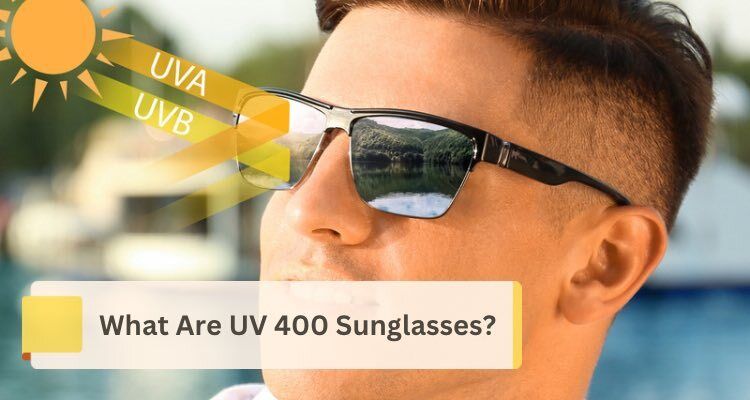
UV 400 sunglasses are widely recognized as one of the most effective ways to protect your eyes from the harmful effects of ultraviolet (UV) radiation. As concerns about UV exposure increase, so does the importance of understanding what UV 400 really means and how it benefits your eye health. This article provides a comprehensive guide to UV 400 sunglasses, explaining what they are, how they work, and why they are essential for safeguarding your eyes against the sun’s damaging rays.
What Does UV 400 Mean?
The Science Behind UV 400
What is UV Radiation?
UV radiation is a type of energy produced by the sun and artificial sources like tanning beds. It is divided into three categories: UVA, UVB, and UVC. UVA rays penetrate deep into the skin and eyes, leading to aging and long-term damage, while UVB rays primarily affect the surface, causing sunburn and contributing to skin cancer. UVC rays are mostly absorbed by the Earth's atmosphere and do not reach the surface.
What is UV 400?
UV 400 sunglasses block all light rays with wavelengths up to 400 nanometers, which includes both UVA and UVB rays. This level of protection is critical because it covers the entire spectrum of UV radiation that can harm your eyes, ensuring that your eyes are fully protected from exposure to these harmful rays.
Why UV 400 Protection is Essential
Preventing Eye Damage
Reducing the Risk of Cataracts
Cataracts, a condition where the eye's lens becomes cloudy, can lead to blindness if untreated. Prolonged exposure to UV rays is a significant risk factor for cataracts. UV 400 sunglasses can help reduce this risk by blocking the harmful rays that contribute to the formation of cataracts.
Protecting Against Macular Degeneration
Macular degeneration is a leading cause of vision loss, especially in older adults. This condition is linked to damage caused by UV rays to the retina, the part of the eye responsible for sharp, central vision. Wearing UV 400 sunglasses can protect your retina by filtering out the UV rays that contribute to this degenerative disease.
Shielding the Skin Around Your Eyes
Preventing Skin Cancer
The skin around your eyes is delicate and particularly vulnerable to UV damage. Prolonged exposure can lead to skin cancers such as basal cell carcinoma and melanoma. UV 400 sunglasses provide a barrier that helps protect this sensitive area from harmful UV radiation.
Reducing Signs of Aging
UV exposure can also accelerate the aging process around the eyes, leading to wrinkles, fine lines, and sagging skin. By wearing UV 400 sunglasses, you can minimize these effects and maintain a youthful appearance for longer.
Key Features of UV 400 Sunglasses
Full Spectrum Protection
Blocking 100% of Harmful Rays
The most important feature of UV 400 sunglasses is their ability to block 100% of UVA and UVB rays. This complete protection is essential for preventing both short-term and long-term eye damage.
Importance of Certification
When purchasing UV 400 sunglasses, it's crucial to ensure they are certified for 100% UV protection. Look for labels or tags that clearly state "UV 400" to verify that the sunglasses meet this standard.
Lens Material and Quality
Polycarbonate Lenses
Polycarbonate is a popular material for UV 400 lenses due to its durability, lightweight nature, and excellent UV protection. These lenses are also impact-resistant, making them ideal for active lifestyles and sports.
Glass Lenses
Glass lenses offer superior optical clarity and are scratch-resistant. However, they are heavier than polycarbonate lenses and may be less comfortable for prolonged wear. Despite this, they provide excellent UV protection when properly treated.
Plastic Lenses
While plastic lenses are often more affordable, they may not offer the same level of durability or UV protection as polycarbonate or glass lenses. Ensure that plastic lenses are coated with a UV-protective layer to provide adequate protection.
How to Choose the Right UV 400 Sunglasses
To choose the right UV 400 Sunglasses consider the following:
Lens Color and Tint
Does Color Affect UV Protection?
Lens color does not impact the level of UV protection provided by sunglasses. However, it does affect how you perceive colors and contrast. Common lens colors include gray, brown, and green, each offering different benefits depending on your needs.
Choosing the Right Tint
- Gray Lenses: These lenses offer true color perception and are ideal for general use, reducing overall brightness without distorting colors.
- Brown/Amber Lenses: These enhance contrast and depth perception, making them suitable for activities like driving or hiking.
- Green Lenses: Green lenses provide excellent color contrast and are comfortable in various light conditions, making them versatile for everyday use.
Frame Design and Fit
Wraparound Frames
Wraparound frames offer the best protection by covering a larger portion of your face and preventing UV rays from entering around the edges of the lenses. This design is particularly effective for outdoor activities and sports.
Comfort and Style
While protection is paramount, comfort and style are also important factors. Choose frames that fit well on your face without slipping, and consider materials like nylon or metal for durability and lightweight comfort.
Common Misconceptions About UV 400 Sunglasses
"All Sunglasses Protect Against UV Rays"
The Truth About UV Protection
Not all sunglasses provide adequate UV protection. Some inexpensive or counterfeit sunglasses may darken visible light but do not block UV rays, which can be more harmful as they cause your pupils to dilate, allowing more UV radiation to enter your eyes.
How to Avoid Counterfeit Products
Purchase sunglasses from reputable brands and retailers. Look for certification labels, and if possible, test the sunglasses with a UV flashlight to ensure they block UV rays effectively.
"Darker Lenses Mean Better Protection"
Lens Darkness vs. UV Protection
The darkness of the lenses does not correlate with the level of UV protection. Lighter lenses can offer the same UV 400 protection as darker ones. The key is the UV coating applied to the lenses, not the color or darkness.
Caring for Your UV 400 Sunglasses
Proper Cleaning Techniques
Avoiding Scratches
Use a microfiber cloth and a lens cleaner specifically designed for sunglasses. Avoid using paper towels or clothing, which can scratch the lenses.
Storing Your Sunglasses
Always store your sunglasses in a protective case when not in use to prevent scratches and other damage. Avoid leaving them in hot environments, such as inside a car, as high temperatures can warp the frames or damage the lenses.
Regular Replacement
Checking for Wear and Tear
Over time, the UV coating on sunglasses can degrade, reducing their effectiveness. Inspect your sunglasses regularly for scratches, cracks, or other signs of wear that might compromise their protective capabilities.
When to Replace
Consider replacing your UV 400 sunglasses every two years or sooner if they show signs of significant wear or damage. This ensures that your eyes remain fully protected.
Conclusion
UV 400 sunglasses are a vital tool for protecting your eyes from the harmful effects of UV radiation. By understanding what UV 400 means and how to choose the right pair, you can ensure that your eyes are well-protected while enjoying the outdoors. Remember, the best sunglasses not only complement your style but also offer the highest level of protection, making them an essential part of your daily wear.
Final ThoughtsInvesting in a quality pair of UV 400 sunglasses is one of the best decisions you can make for your eye health. With the right knowledge and careful selection, you can find sunglasses that provide comprehensive protection against UV rays, helping you maintain clear vision and healthy eyes for years to come. Don't compromise on your eye safety—choose UV 400 sunglasses that combine style, comfort, and, most importantly, full UV protection. |



Share Your Opinion, Please