Imagine browsing for laser hair growth devices and seeing the term "FDA-cleared" prominently displayed. While it sounds reassuring, do you know what this label truly entails? Understanding the difference between FDA clearance and FDA approval can help you make informed decisions, ensuring the device you choose is both safe and effective. This article breaks down the significance of FDA clearance for laser hair devices and provides actionable insights to empower your purchase decisions.
FDA Clearance vs. FDA Approval: Clearing the Confusion
Defining Key Terms
- FDA Approval: Reserved for high-risk medical products that must prove safety and effectiveness through extensive clinical trials.
- FDA Clearance: Applies to moderate-risk devices that demonstrate they are substantially equivalent to an already legally marketed device.
Examples in the Hair Device Market
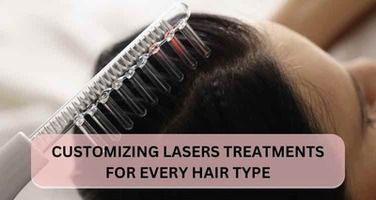
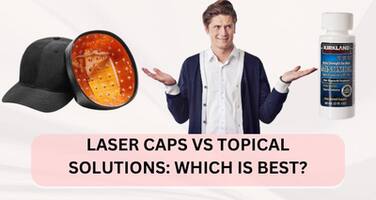
Many laser hair devices, such as laser combs and caps, achieve FDA clearance because they fall under the same category as previously approved low-level laser therapy (LLLT) devices. This means they meet safety and effectiveness standards similar to those of established devices.
The Path to FDA Clearance: What’s Involved?
A. Pre-Submission Requirements
Manufacturers must:
- Classify their device based on risk level.
- Identify predicate devices (existing cleared devices in the same category).
- Choose an appropriate regulatory pathway, such as the 510(k) clearance process used for most LLLT devices.
B. Testing and Data Submission
Manufacturers submit detailed testing data, including:
- Biocompatibility: Ensuring the device materials do not cause adverse reactions.
- Electrical Safety and Performance: Verifying the device functions safely and effectively.
- Clinical Evidence: Laboratory or human trial data showing safety and equivalence to predicate devices.
C. Review Process by FDA Experts
FDA specialists meticulously review the device’s data, labeling, and instructions. Manufacturers may need to revise or supplement their submissions before receiving clearance.
What Does FDA Clearance Indicate for Consumers?
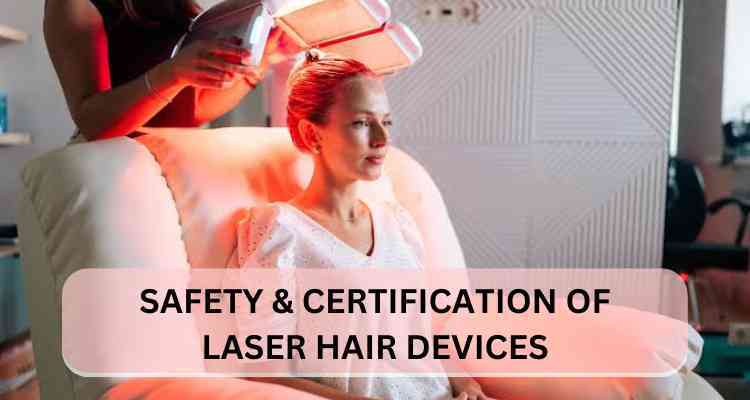
- Safety Baseline: FDA clearance ensures the device meets minimum safety criteria, reducing the risk of harm during normal use.
- Comparable Efficacy: The device must perform similarly to an already cleared product, offering users a reliable baseline for effectiveness.
- Truthful Marketing Claims: Manufacturers must align promotional claims with FDA-reviewed data, ensuring accurate and honest advertising.
- Clear Instructions for Use: FDA clearance ensures the device has comprehensive, user-friendly instructions to guide safe operation.
Common Misconceptions About FDA Clearance
A. FDA-Approved vs. FDA-Cleared
Many assume FDA clearance is equivalent to FDA approval. While both involve rigorous standards, clearance indicates the device is substantially equivalent to existing products rather than proving entirely new safety or effectiveness data.
B. FDA-Registered vs. FDA-Cleared
Registration merely means the manufacturer has informed the FDA of their existence. It does not guarantee the device has been evaluated for safety or efficacy.
C. Clearance Does Not Guarantee Superiority
While FDA-cleared devices meet essential safety standards, they may not always outperform non-cleared options. Other factors, such as technological advancements and user reviews, are also important.
How Consumers Can Verify FDA Clearance
A. Checking the FDA Database
Consumers can confirm a device’s clearance by visiting the FDA’s 510(k) database or medical device listing:
- Search by device name or manufacturer.
- Verify the clearance number and product classification.
B. Scrutinizing Device Packaging and Manuals
Look for terms like “FDA-cleared” and check for a 510(k) number on packaging or in the user manual. If unclear, contact the manufacturer for documentation.
Understanding the Limitations of FDA Clearance
- Not a Performance Guarantee: FDA clearance ensures safety and equivalence but does not guarantee exceptional performance.
- Proper Use Is Essential: Misuse can lead to reduced effectiveness or side effects.
- Technological Advancements May Outpace Clearances: Cleared devices may not incorporate the latest innovations compared to newer products.
Practical Tips for Choosing a Laser Hair Device
1. Combine FDA Clearance with Other Quality Indicators
Check the brand reputation and user reviews. Look for clinical studies and dermatologist endorsements.
2. Consult with a Professional
Speak to a dermatologist or trichologist to confirm whether the device suits your hair loss stage and goals.
3. Align Features with Your Needs
Consider the device’s wavelength, treatment time, and ease of use to ensure compatibility with your lifestyle.
FAQs
Can a device lose FDA clearance?
Yes, if post-market surveillance reveals safety issues or regulatory violations.
Does FDA clearance mean no side effects?
No, mild side effects like redness or irritation may occur, especially with improper use.
Are non-cleared devices unsafe?
Not necessarily, but they lack the standardized assurance provided by FDA clearance.
Conclusion
FDA clearance for laser hair devices is a crucial safety and reliability benchmark. While it does not guarantee superior results, it provides peace of mind that the device meets rigorous health standards. With this knowledge, you can confidently navigate product claims and choose a device that aligns with your needs, fostering trust in your hair restoration journey.
https://www.fda.gov/medical-devices/products-and-medical-procedures/device-approvals-and-clearances