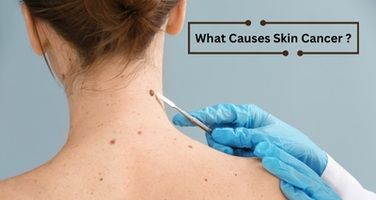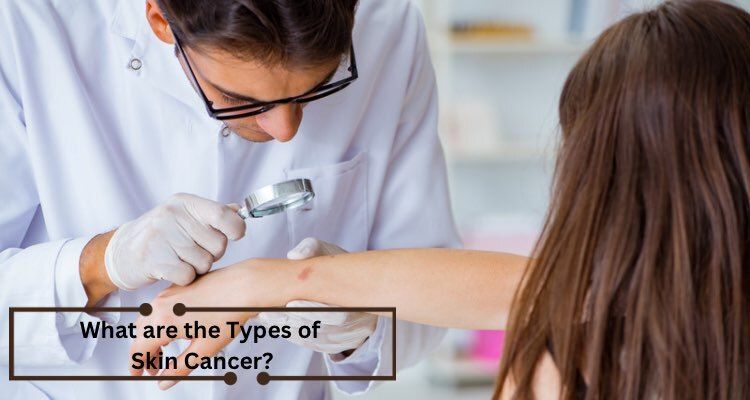
Skin cancer is the most common form of cancer worldwide, affecting millions of people each year. While the term "skin cancer" can sound alarming, it's important to understand that there are different types, each with its own characteristics, treatment options, and prognosis. This article will provide an overview of the three main types of skin cancer: basal cell carcinoma, squamous cell carcinoma, and melanoma.
1. Basal Cell Carcinoma (BCC)
Basal cell carcinoma is the most common type of skin cancer. It originates in the basal cells, which are located in the lowest layer of the epidermis (the outermost layer of the skin). BCC usually develops on areas of the skin that are frequently exposed to the sun, such as the face, neck, and hands.
- Characteristics: Appears as a small, shiny bump or nodule on the skin. May look like a red patch, a pink growth, or a sore that doesn't heal. Often has visible blood vessels. Can occasionally bleed or become crusty.
- Risk Factors: Prolonged sun exposure.Fair skin, light hair, and light eyes.History of sunburns.Use of tanning beds.
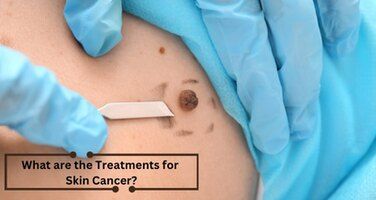
- Treatment: Surgical removal.Topical treatments.Radiation therapy.Cryotherapy (freezing the cancer cells). While BCC is rarely life-threatening, it can cause significant disfigurement if not treated promptly, as it can grow into surrounding tissues.
2. Squamous Cell Carcinoma
(SCC)Squamous cell carcinoma is the second most common type of skin cancer. It arises from the squamous cells, which make up most of the upper layers of the skin. Like BCC, SCC typically occurs on sun-exposed areas of the body, but it can also develop on scars, burns, or areas of chronic inflammation.
- Characteristics: Often appears as a rough, scaly red patch. May look like an open sore, wart, or raised growth with a central depression. Can be crusty or bleed. May become larger and more pronounced over time.
- Risk Factors: Chronic sun exposure.Fair skin, light hair, and light eyes.History of sunburns or use of tanning beds.Exposure to certain chemicals or radiation.
- Treatment:
- Surgical removal.
- Topical treatments.
- Radiation therapy.
- Mohs surgery (a precise surgical technique used to remove skin cancer). SCC can be more aggressive than BCC and has a higher risk of spreading (metastasizing) to other parts of the body, making early detection and treatment crucial.
3. Melanoma
Melanoma is the most serious type of skin cancer, though it is less common than BCC and SCC. It develops in the melanocytes, the cells responsible for producing melanin, the pigment that gives skin its color. Melanoma can develop anywhere on the body, including areas not typically exposed to the sun.
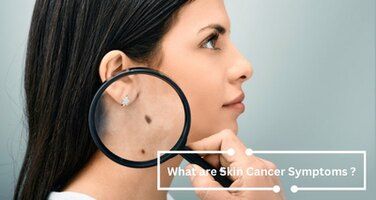
- Characteristics: Often appears as a new mole or a change in an existing mole. Can be black or brown, but may also be skin-colored, pink, red, purple, blue, or white. Asymmetrical shape.Irregular borders. Multiple colors or an uneven distribution of color.Larger than 6 millimeters in diameter.Changes over time in size, shape, or color.
- Risk Factors: Intense, intermittent sun exposure and sunburns.Fair skin, light hair, and light eyes. Numerous moles or unusual moles. Family history of melanoma. Use of tanning beds.
- Treatment:
- Surgical removal.
- Immunotherapy.
- Targeted therapy.
- Radiation therapy.
- Chemotherapy.
Melanoma is known for its ability to spread to other parts of the body, including vital organs, which makes early detection and treatment essential for a favorable outcome.
Prevention and Early Detection
The best way to combat skin cancer is through prevention and early detection. Here are some tips to help protect your skin:
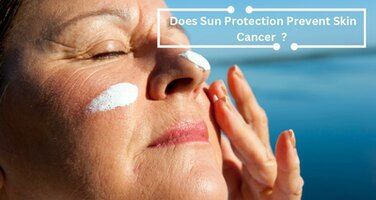
- Use Sunscreen: Apply broad-spectrum sunscreen with at least SPF 30 every day, even on cloudy days.
- Seek Shade: Avoid direct sun exposure, especially between 10 a.m. and 4 p.m.
- Wear Protective Clothing: Wear hats, sunglasses, and long-sleeved clothing when outdoors.
- Avoid Tanning Beds: The use of tanning beds increases the risk of all types of skin cancer.
- Perform Regular Skin Checks: Examine your skin monthly for any new or changing moles or growths.
- See a Dermatologist: Schedule annual skin exams with a dermatologist for professional evaluation.
Conclusion
Understanding the different types of skin cancer and their characteristics is crucial for early detection and effective treatment. By taking preventive measures and staying vigilant about changes in your skin, you can significantly reduce your risk of developing skin cancer. If you notice any suspicious changes, consult a healthcare professional promptly. Early intervention can make all the difference in the successful treatment of skin cancer.