Water flossers are increasingly popular devices that make oral hygiene simple and effective, especially for those who struggle with traditional string floss. By using a stream of pulsating water, these devices remove plaque, food particles, and bacteria between teeth and along the gumline. This gentle yet powerful technique can especially benefit individuals with braces, implants, or sensitive gums. This guide will walk you through the different types of water flossers, helping you decide on the best choice for your unique dental needs.
Types of Water Flossers
Each type of water flosser offers unique features designed to accommodate a variety of preferences and lifestyles. Here, we’ll break down the main types, their benefits, limitations, and ideal use cases.
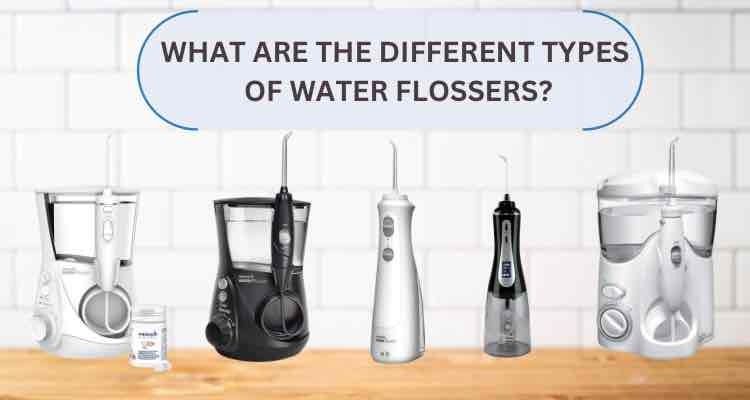
1. Countertop Water Flossers
Description: Countertop water flossers are larger units that connect to an electrical outlet and rest on a bathroom counter. They come with a base unit that holds the water reservoir and provides adjustable pressure settings.
Pros:
- Higher water pressure and more consistent performance.
- Larger water reservoirs allow for extended use without refilling.
- Often feature multiple pressure settings, enabling customized flossing for different needs.
Cons:
- Less portable and requires designated counter space.
- Must be plugged into an outlet, making it less convenient for travel.
Ideal For: Countertop water flossers are well-suited for home use, families, and individuals who prioritize powerful water pressure and advanced features, such as adjustable pressure settings and specialized tips.
2. Cordless (Portable) Water Flossers
Description: Cordless water flossers are compact, battery-operated devices designed for portability. Many models are rechargeable, offering the convenience of cordless use with the ability to be recharged when necessary.
Pros:
- Portable and easy to handle, making them convenient for travel.
- Lightweight and space-efficient for smaller bathrooms.
Cons:
- Smaller water reservoirs may require more frequent refills.
- It may lack the power and pressure settings of countertop models.
Ideal For: Cordless water flossers are ideal for frequent travelers, people with limited counter space, and those seeking a compact device for on-the-go flossing.
3. Water Flossers for Braces and Implants
Description: These specialized water flossers often come with customized tips designed to reach around orthodontic appliances, such as braces and implants, providing a more thorough clean in hard-to-reach areas.
Pros:
- Highly effective in removing plaque around braces, bridges, implants, and other dental appliances.
- It can reduce the risk of plaque buildup and gum inflammation around orthodontic devices.
Cons:
- Additional tips or accessories specific to braces and implants may be required, often at an extra cost.
Ideal For: These flossers are perfect for individuals with braces, implants, bridges, or other complex dental work who need a more targeted and thorough cleaning solution.
4. Shower Water Flossers
Description: Shower water flossers are unique in that they attach directly to your showerhead, utilizing the water pressure from your shower to provide continuous flossing power.
Pros:
- Unlimited water supply, eliminating the need for refilling reservoirs.
- Doesn't require electricity or batteries, making it convenient and energy-efficient.
Cons:
- Less precise control over water pressure, which may vary with shower pressure.
- Fixed to a single location, reducing flexibility in use.
Ideal For: Those who prefer to incorporate flossing into their shower routine and are looking for a simple, maintenance-free device will find shower flossers an excellent choice.
5. Combination Water Flossers
Description: Combination water flossers integrate an electric toothbrush and water flosser into one device, providing a comprehensive solution for oral hygiene in a single unit.
Pros:
- All-in-one solution that simplifies oral care routines.
- Typically, it includes multiple attachments, allowing both water flossing and electric brushing in one device.
Cons:
- Larger in size, requiring additional space on the countertop.
- Generally more expensive than standard models due to the added functionality.
Ideal For: Combination flossers are best suited for users seeking an all-in-one device for both brushing and flossing, streamlining their oral care routine.
Comparative Analysis
Feature Comparison Table
Type | Portability | Water Reservoir Size | Power Source | Best For |
|---|---|---|---|---|
Countertop | Low | Large | Outlet | Home use, families |
Cordless | High | Small | Battery | Travelers, small spaces |
| For Braces & Implants | Medium | Variable | Variable | Braces, implants, dental appliances |
Shower | Fixed | Unlimited | Shower | Shower users, hands-free option |
Combination | Low | Medium | Outlet | All-in-one oral care seekers |
Usage Scenarios
- Busy Professionals: Cordless flossers are ideal for those with limited time and space who need portability.
- Families: Countertop models offer flexibility and reservoir size for multiple users.
- People with Dental Appliances: Special-purpose flossers provide extra precision for braces or implants.
- Minimalists: Shower flossers provide a seamless, clutter-free flossing experience.
How to Choose the Right Type for You
When selecting a water flosser, consider the following factors to find the best fit for your lifestyle and dental needs:
- Budget: Countertop and combination flossers tend to be more costly due to their advanced features. Cordless or shower flossers may be more budget-friendly.
- Portability: If you travel frequently, opt for a cordless or portable flosser. A countertop model may be better for consistent home use.
- Specific Dental Needs: Those with braces or implants may need a model designed with specialized tips for cleaning around dental appliances.
- Personal Preferences: If you prefer convenience and minimal maintenance, a shower flosser can seamlessly integrate flossing into your shower routine.
Conclusion
Selecting the right type of water flosser can make a big difference in your oral care routine. Whether you prioritize power, portability, or convenience, understanding the various types will help you make a well-informed choice. For specific recommendations, check out our "Best Water Flosser" article for a curated list of top-rated devices.
For further information on choosing the best water flosser or to explore product reviews, browse our related articles or product recommendations. Subscribe to our newsletter for ongoing tips, comparisons, and exclusive oral health insights.