

Red light therapy (RLT) has emerged as a revolutionary non-invasive treatment for stimulating hair growth. Using low-level wavelengths of red and near-infrared light, this therapy penetrates the scalp to enhance cellular activity, improve blood flow, and rejuvenate hair follicles. With technological advancements, red light therapy is now available in various formats, each tailored to different lifestyles and needs. This guide explores the key types of red light therapy for hair growth and provides insights into how they work their benefits, and ideal usage scenarios.
How Red Light Therapy Supports Hair Growth
Red light therapy boosts hair health by stimulating mitochondrial function within cells. The mitochondria, known as the cell's powerhouses, absorb red light and convert it into energy. This process accelerates cell repair, promotes blood circulation to the scalp, and revitalizes dormant hair follicles, improving hair density and strength.
Types of Red Light Therapy for Hair Growth
1. Laser Caps
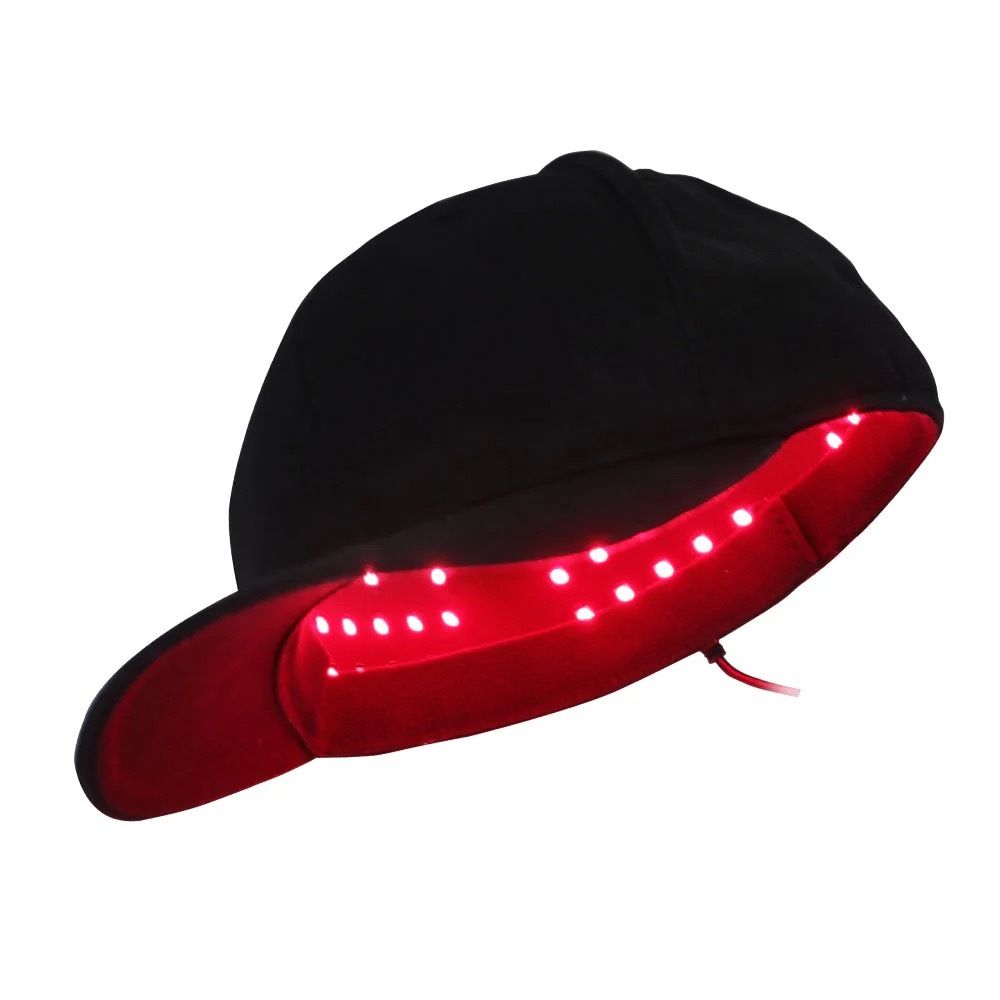
Description: Laser caps are wearable devices embedded with red light-emitting diodes (LEDs) or lasers that deliver targeted light therapy directly to the scalp.
How They Work: The cap evenly distributes light across the scalp, ensuring consistent treatment. Most laser caps use low-level laser therapy (LLLT), which is FDA-cleared for hair growth.
Benefits:
- Hands-free and convenient to use.
- Covers the entire scalp, making it efficient for widespread hair thinning.
- Often portable, allowing users to multitask during treatment.
Ideal For: Individuals with moderate to severe hair thinning or those seeking a convenient, at-home solution.
2. Handheld Devices
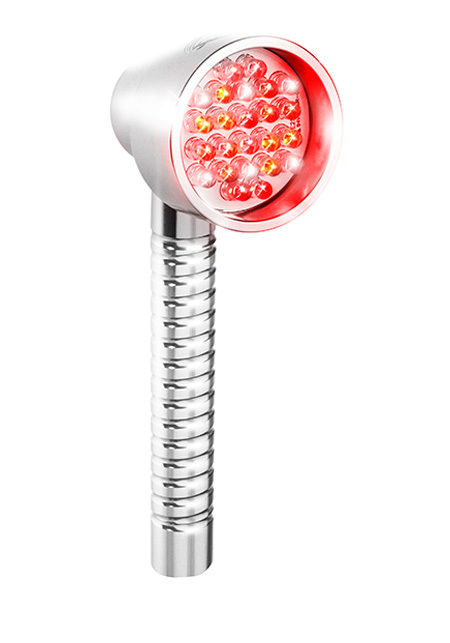
Description: Handheld red light therapy devices are compact tools equipped with concentrated LEDs or lasers designed for targeted use.
How They Work: These devices require manual operation, allowing users to focus light therapy on specific areas of hair thinning or baldness.
Benefits:
- Offers precision targeting for localized hair loss.
- Portable and travel-friendly.
- Affordable compared to larger devices.
Ideal For: People with patchy hair loss or a budget-friendly, flexible option.
3. Hoods and Helmets
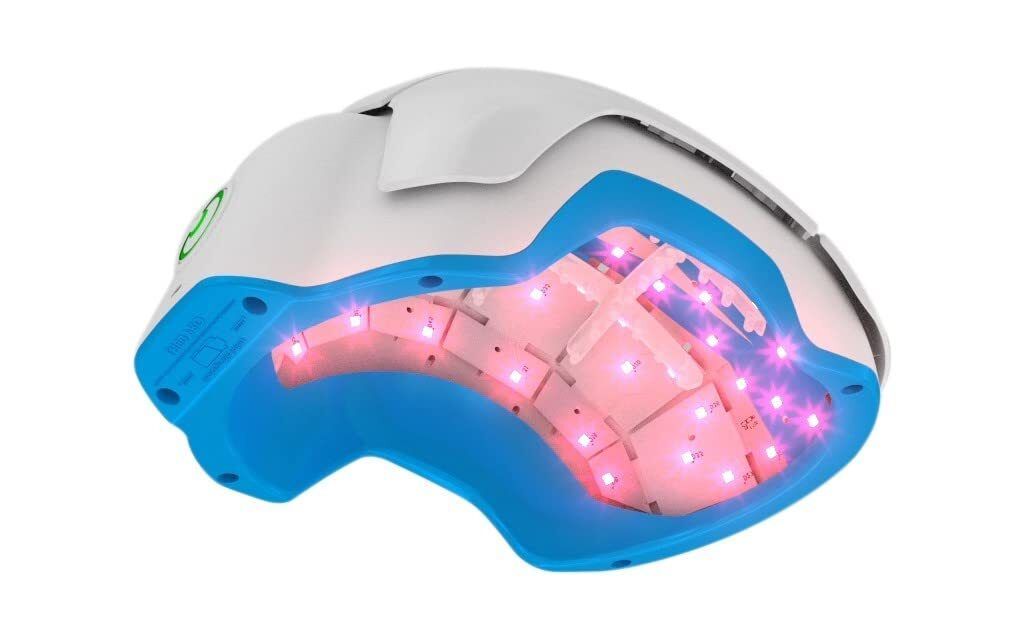
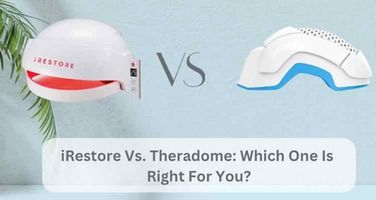
Description: Red light therapy hoods and helmets are larger devices that fit over the head, delivering light to the entire scalp in one session.
How They Work: These devices emit red light through an array of LEDs, ensuring even coverage across the scalp. Some models feature adjustable settings for personalized treatment.
Benefits:
- Comprehensive scalp coverage.
- Minimal effort is required; simply wear the device and let it work.
- Often features customizable intensity and duration settings.
Ideal For: Individuals with significant hair thinning or prefer a hands-free, full-scalp treatment.
4. Comb-Style Devices
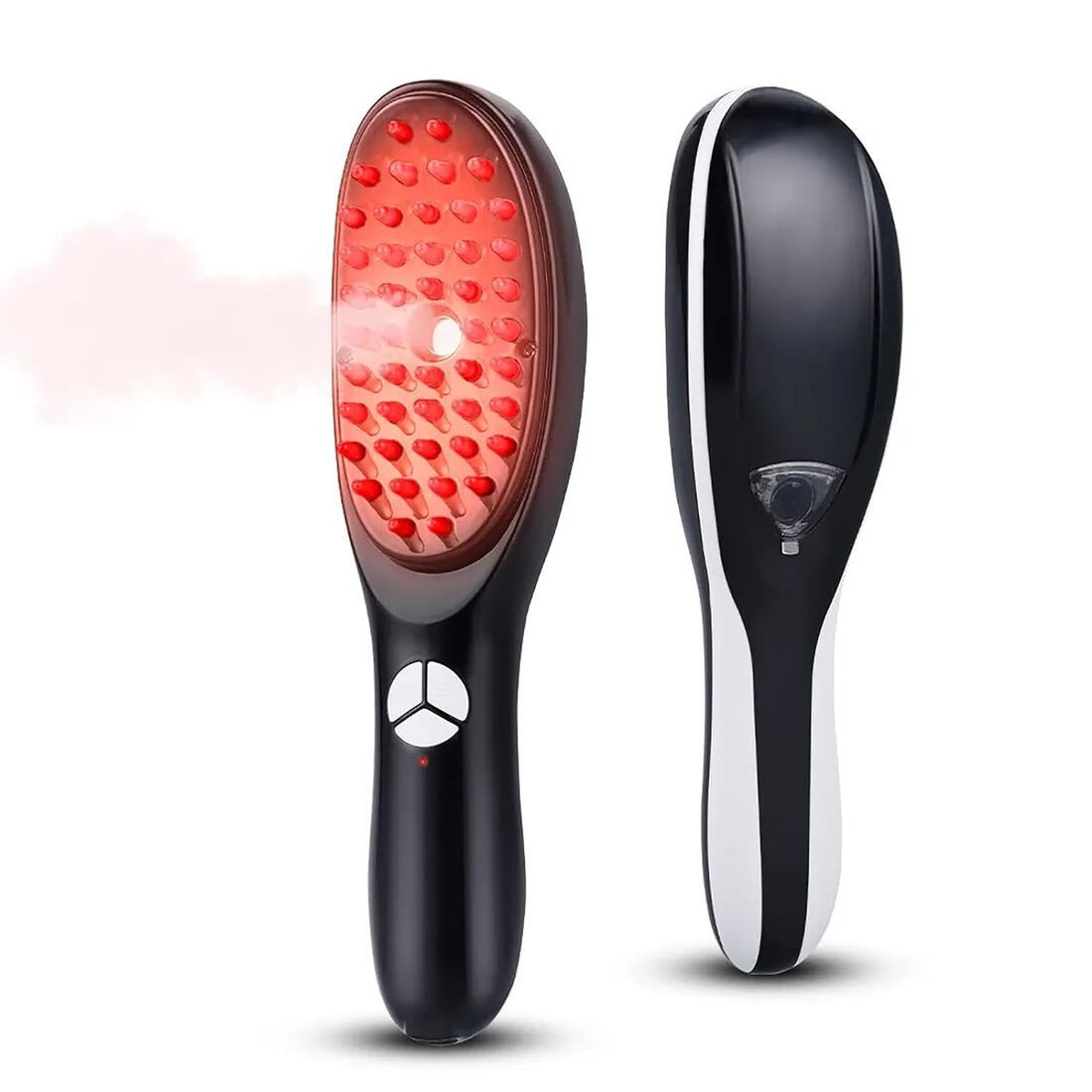
Description: These devices resemble a hairbrush or comb, with LEDs or lasers embedded along the bristles for direct application.
How They Work: As you comb through your hair, the device emits red light onto the scalp, stimulating hair follicles.
Benefits:
- Combines scalp stimulation with light therapy.
- Lightweight and easy to handle.
- Encourages healthy scalp circulation through manual brushing.
Ideal For: Those looking to combine traditional scalp care with red light therapy for enhanced results.
5. Full-Body Panels
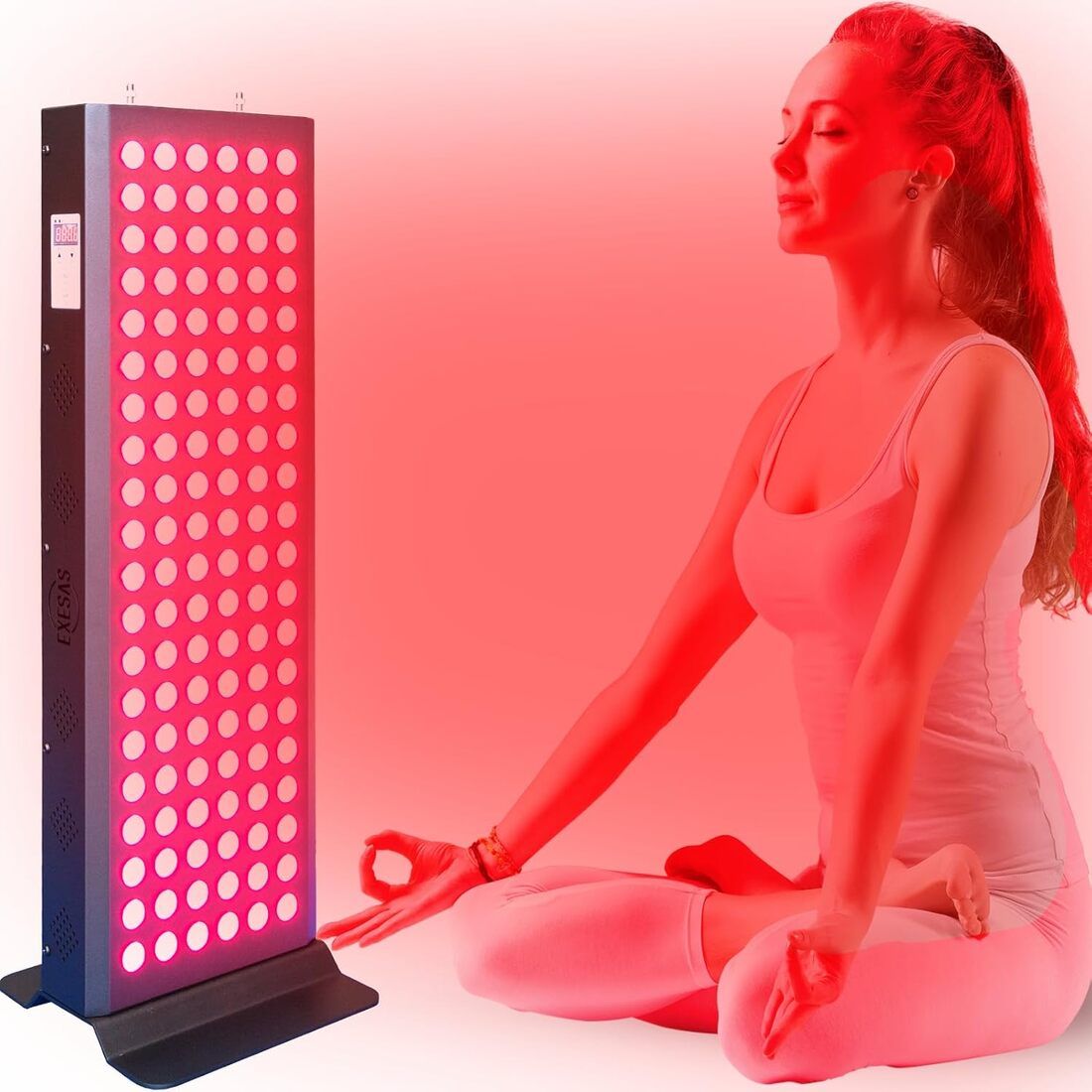
Description: Full-body panels are large LED panels designed for holistic red light therapy but can also target the scalp for hair growth.
How They Work: Users position themselves in front of the panel, which emits red light across the entire body, including the scalp.
Benefits:
- Supports overall skin and cellular health in addition to hair growth.
- Ideal for multi-purpose use, such as muscle recovery or anti-aging treatments.
- Covers a large surface area, making it versatile.
Ideal For: Those interested in full-body wellness alongside hair growth benefits.
Comparative Analysis
Device Type | Key Benefits | Drawbacks | Best For |
|---|---|---|---|
| Laser Caps | Hands-free, full scalp coverage | Higher cost | Moderate to severe hair thinning |
| Handheld Devices | Precision targeting, portable | Requires manual operation | Localized hair loss |
| Hoods and Helmets | Full scalp treatment, effortless | Bulky, limited portability | Comprehensive at-home therapy |
| Comb-Style Devices | Combines brushing and light therapy | Time-intensive for larger areas | Gentle scalp stimulation and treatment |
| Full-Body Panels | Multi-purpose use | Expensive, space-consuming | Overall wellness and scalp health |
How to Choose the Right Type of Red Light Therapy
Selecting the best red light therapy device for hair growth depends on your needs, budget, and lifestyle. Consider the following factors:
- Hair Loss Severity: For widespread thinning, laser caps, hoods, or helmets provide comprehensive coverage. For patchy hair loss, handheld or comb-style devices may be sufficient.
- Convenience: Hands-free options like laser caps and helmets are ideal for multitasking, while handheld and comb devices require more manual effort.
- Budget: Handheld and comb-style devices are more affordable, while laser caps and full-body panels are more expensive.
- Additional Benefits: Full-body panels may appeal to those interested in broader health and wellness applications beyond hair growth.
Conclusion
Red light therapy offers a cutting-edge solution for combating hair loss, with various devices catering to various needs. Each type provides unique advantages for stimulating hair growth and enhancing scalp health, from portable handheld tools to advanced laser caps. By understanding the benefits and functionality of these devices, you can choose the right one to integrate seamlessly into your routine and achieve healthier, fuller hair. Consult a dermatologist or hair specialist to develop a tailored treatment plan for optimal results.
Call-to-Action
Explore our "Best Red Light Therapy Devices for Hair Growth" article for detailed reviews and recommendations of today's top devices. Subscribe to our newsletter for more insights and updates on the latest hair restoration technologies.
Low-Level Laser Therapy (LLLT) devices for hair growth are classified by the U.S. Food and Drug Administration (FDA) as
Class II medical devices, requiring 510(k) clearance.
Before purchasing any LLLT product—whether it’s a laser cap, helmet, or comb—please take the following steps:LLLT Devices Disclaimer


Share Your Opinion, Please