Skin cancer is the most common type of cancer, but with early detection and appropriate treatment, it is also one of the most treatable. Understanding your treatment options is crucial if you or a loved one is diagnosed with skin cancer. This post aims to provide clear and concise information about the various treatments available for skin cancer.
Types of Skin Cancer
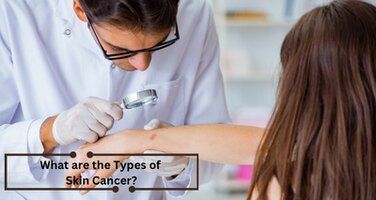
Before delving into treatments, it's important to understand the main types of skin cancer:
- Basal Cell Carcinoma (BCC): The most common and least aggressive form.
- Squamous Cell Carcinoma (SCC): More aggressive than BCC but still highly treatable.
- Melanoma: The most dangerous form, known for its ability to spread to other parts of the body.
Treatment Options
1. Surgical Treatments
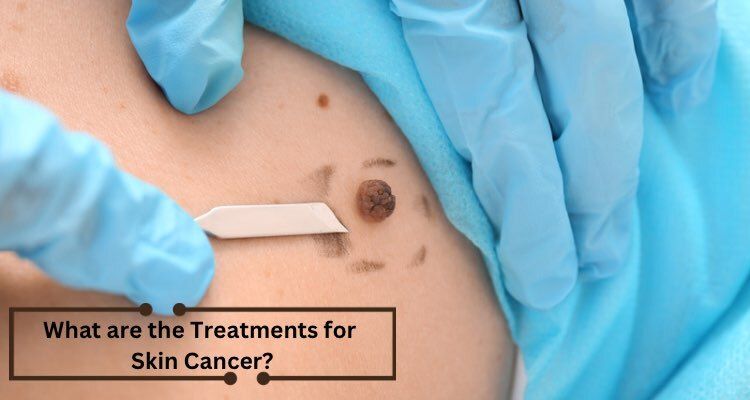
- Excisional Surgery: The most common treatment, where the tumor and some surrounding tissue are removed.
- Mohs Surgery: A precise surgical technique used primarily for BCC and SCC. It involves removing the cancer layer by layer, examining each layer under a microscope until no abnormal cells remain.
- Curettage and Electrodessication: Often used for BCC and small SCCs. The tumor is scraped off, and the area is treated with an electric needle to destroy any remaining cancer cells.
2. Radiation Therapy
Radiation therapy uses high-energy rays to target and destroy cancer cells. It’s often used for cancers that are difficult to treat surgically or in patients who cannot undergo surgery. It's more commonly used for SCC and advanced BCC.
3. Cryotherapy
Cryotherapy involves freezing cancer cells with liquid nitrogen. It is typically used for pre-cancerous conditions like actinic keratosis and for some small, early-stage skin cancers.
4. Photodynamic Therapy (PDT)
PDT combines a light-sensitive drug with a specific type of light to kill cancer cells. This treatment is primarily used for superficial BCC and actinic keratosis.
5. Topical Treatments
Certain creams and gels can be applied directly to the skin to treat early BCC and SCC. These include:
- Imiquimod: Stimulates the immune system to attack cancer cells.
- 5-Fluorouracil (5-FU): A chemotherapy cream that kills cancer cells.
6. Targeted Therapy and Immunotherapy
These treatments are more commonly used for advanced melanoma but can also be options for other skin cancers.
- Targeted Therapy: Uses drugs to target specific genes or proteins that are involved in the growth and survival of cancer cells.
- Immunotherapy: Helps the immune system recognize and attack cancer cells. Drugs like pembrolizumab and nivolumab have shown effectiveness in treating advanced melanoma.
Importance of Early Detection
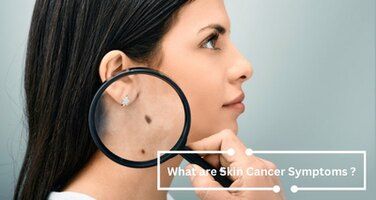
Early detection of skin cancer significantly increases the chances of successful treatment. Regular skin checks and monitoring for any new or changing moles or spots on your skin are vital. If you notice any changes, consult a healthcare professional promptly.
Conclusion
Skin cancer is a serious condition, but numerous effective treatments are available. The best treatment option depends on the type, location, and stage of the cancer, as well as the patient’s overall health. Always discuss with your healthcare provider to choose the most suitable treatment plan for your specific case.
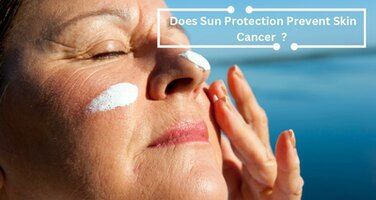
Remember, protecting your skin from excessive sun exposure and using sunscreen can help prevent skin cancer. Stay informed, stay protected, and seek medical advice if you have any concerns about your skin health.