
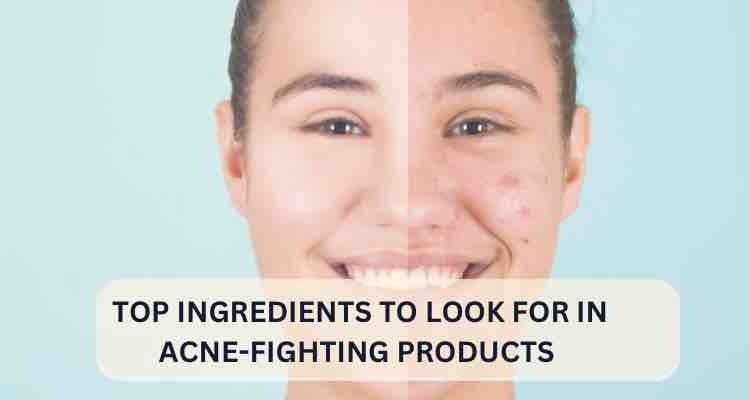
Acne can be one of the most frustrating and persistent skin concerns, affecting individuals of all ages. Finding the right products to treat acne can be daunting, especially with countless skincare products claiming to work miracles. However, the key to effective acne-fighting skincare lies in the ingredients. Knowing what ingredients to look for can help you select the most suitable products to treat your specific acne concerns. In this article, we’ll cover the top ingredients commonly found in acne-fighting products—salicylic acid, benzoyl peroxide, niacinamide, retinoids, and tea tree oil—and explain how they work to combat breakouts and improve skin health.
Why Choosing the Right Ingredients Matters
Understanding the ingredients in acne-fighting products is essential because not all acne treatments work the same way. Some ingredients target clogged pores, while others address inflammation, bacteria, or excess oil production. The right combination can prevent future breakouts, heal active acne, and improve overall skin texture. Let’s dive into the top ingredients that can make a real difference in your acne treatment regimen.
Key Ingredients for Acne
When selecting acne-fighting products, it’s crucial to be aware of the active ingredients that target different aspects of acne. The most effective ingredients include salicylic acid, benzoyl peroxide, niacinamide, retinoids, and tea tree oil. Each of these ingredients works in unique ways to reduce inflammation, unclog pores, kill bacteria, and promote skin renewal.
1. Salicylic Acid: The Pore-Clearing Hero
Salicylic acid is one of the most well-known and widely used ingredients in acne treatment. This beta hydroxy acid (BHA) is oil-soluble, meaning it can penetrate deep into the pores to remove dirt, dead skin cells, and excess sebum that contribute to acne formation. By exfoliating inside the pore, salicylic acid prevents the buildup that leads to blackheads, whiteheads, and other forms of acne. It also has anti-inflammatory properties, making it especially effective for reducing redness and swelling associated with pimples.
How It Works:
- Exfoliates deep within the pores to clear blockages.
- Helps to reduce excess oil, a major contributor to acne.
- Soothes inflamed skin and reduces redness.
Ideal For:
- People with oily or combination skin.
- Those prone to blackheads or whiteheads.
Product Recommendation:
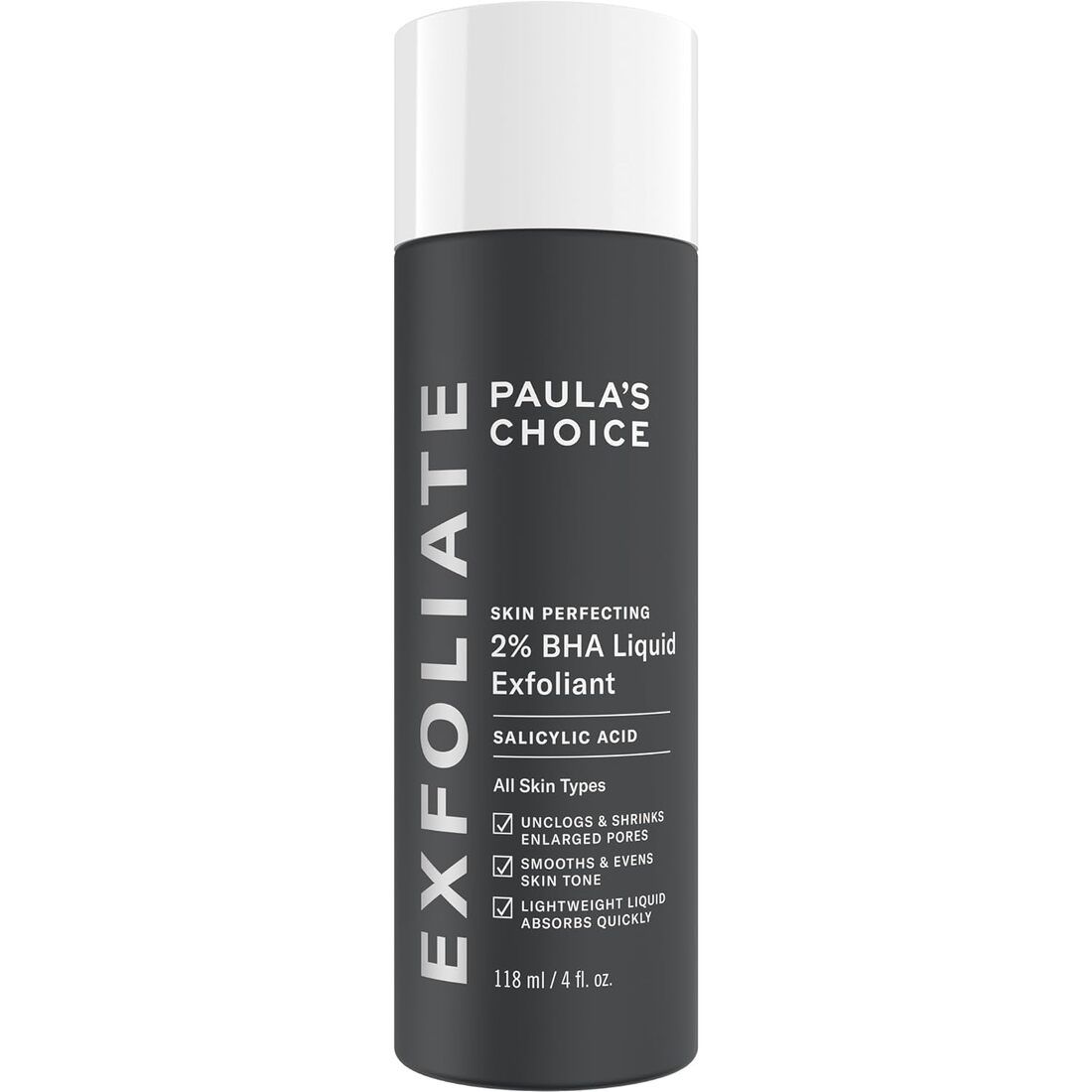 | Paula’s Choice Skin Perfecting 2% BHA Liquid Exfoliant –
|
2. Benzoyl Peroxide: The Bacteria Fighter
Benzoyl peroxide is another powerhouse acne-fighting ingredient that works by targeting the bacteria that causes acne (Propionibacterium acnes). It also helps to reduce excess oil and dead skin buildup, two additional contributors to breakouts. Benzoyl peroxide is particularly effective for treating inflammatory acne, such as red, swollen pimples and cystic acne. While strong, it is important to use benzoyl peroxide in moderation as it can be drying and irritating, especially for sensitive skin.
How It Works:
- Kills acne-causing bacteria on the skin’s surface.
- Dries up excess oil and helps exfoliate dead skin.
- Helps clear up active acne and prevent future breakouts.
Ideal For:
- People with moderate to severe acne.
- Those experiencing red, inflamed pimples or cysts.
Product Recommendation:
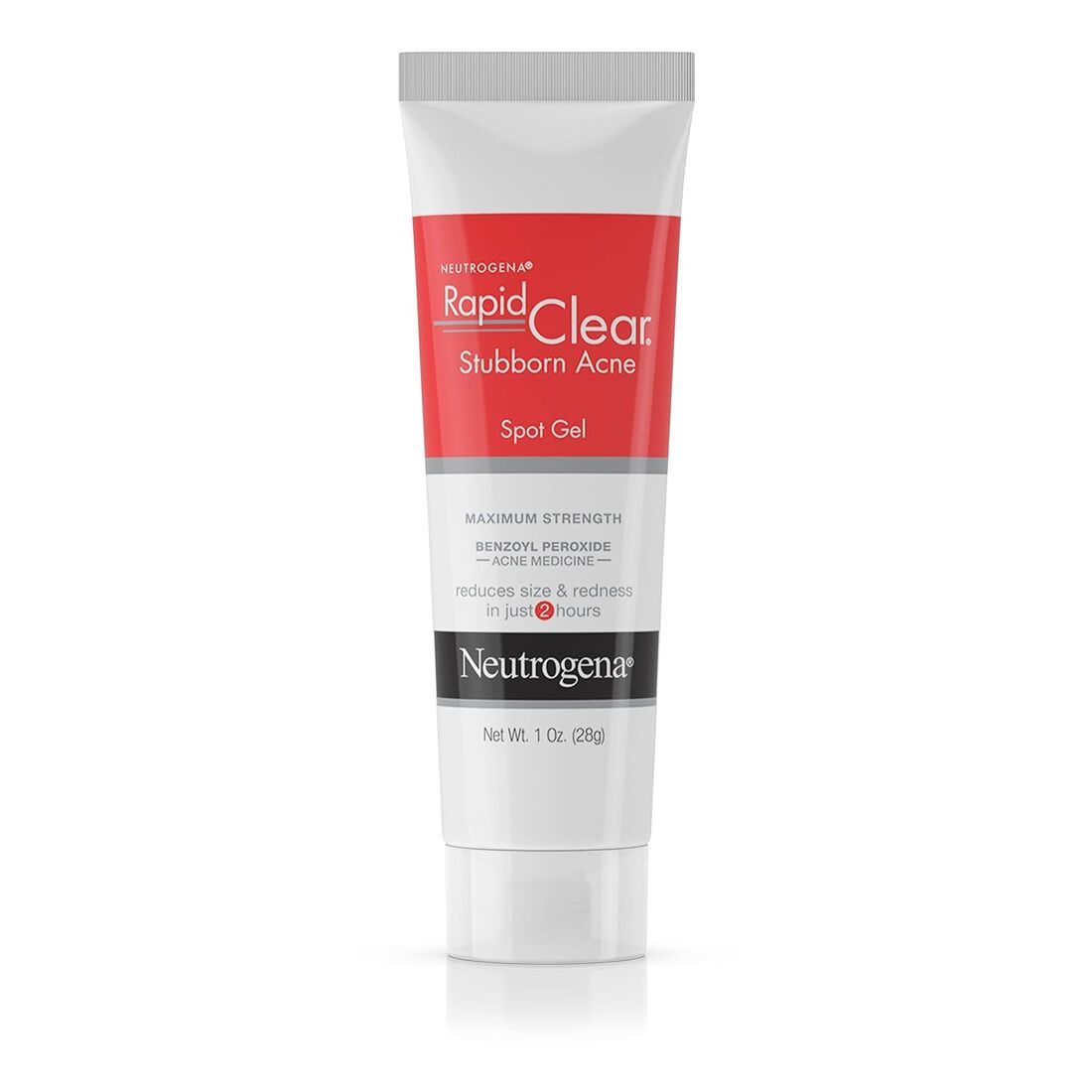 | Neutrogena Rapid Clear Stubborn Acne Spot Gel
|
3. Niacinamide: The Soothing Anti-Inflammatory
Niacinamide, also known as vitamin B3, is a gentle yet effective ingredient that offers multiple benefits for acne-prone skin. While not directly an acne treatment, niacinamide is known for its anti-inflammatory properties, which can help calm irritated skin. It also regulates sebum production, making it particularly useful for those with oily skin. Niacinamide can reduce the appearance of acne scars and hyperpigmentation, helping to improve overall skin tone and texture. This ingredient is a great addition to any acne routine because it works well alongside stronger ingredients like salicylic acid or benzoyl peroxide, helping to reduce irritation and redness.
How It Works:
- Reduces inflammation, calming acne flare-ups.
- Regulates oil production to prevent future breakouts.
- It helps fade acne scars and improve skin texture.
Ideal For:
- Those with sensitive or inflamed acne-prone skin.
- People looking to reduce oiliness and improve skin texture.
| Note: Niacinamide is increasingly prevalent in skincare products, so a dedicated niacinamide product may not be necessary. Before buying a new product, check the ingredient list of your sunscreen or moisturizer to see if it already contains this great antioxidant. |
Product Recommendation:
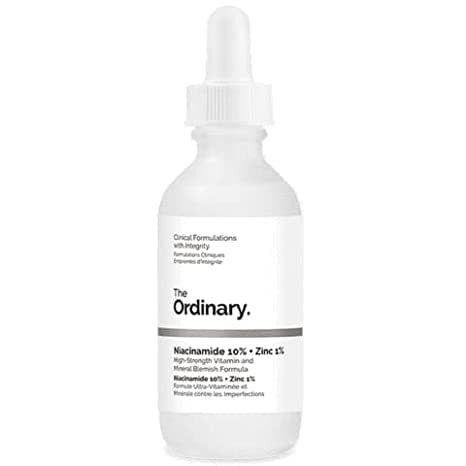 | The Ordinary Niacinamide 10% + Zinc 1%
|
4. Retinoids: The Powerful Cell Turner
Retinoids, derived from vitamin A, are some of the most effective ingredients for acne treatment, especially for severe cases. Retinoids speed up cell turnover, meaning they help the skin shed dead cells more quickly, preventing clogged pores and reducing the formation of new acne. Additionally, retinoids can improve skin texture, reduce the appearance of acne scars, and boost collagen production, making them ideal for aging skin with acne. However, retinoids can be irritating initially, so starting with a lower concentration and gradually increasing usage is important.
How It Works:
- Promotes rapid skin cell turnover to prevent clogged pores.
- Reduces the appearance of acne scars and improves skin texture.
- Minimizes wrinkles and fine lines by stimulating collagen production.
Ideal For:
- People with persistent or severe acne.
- Those also deal with signs of aging and acne scars.
Product Recommendation:
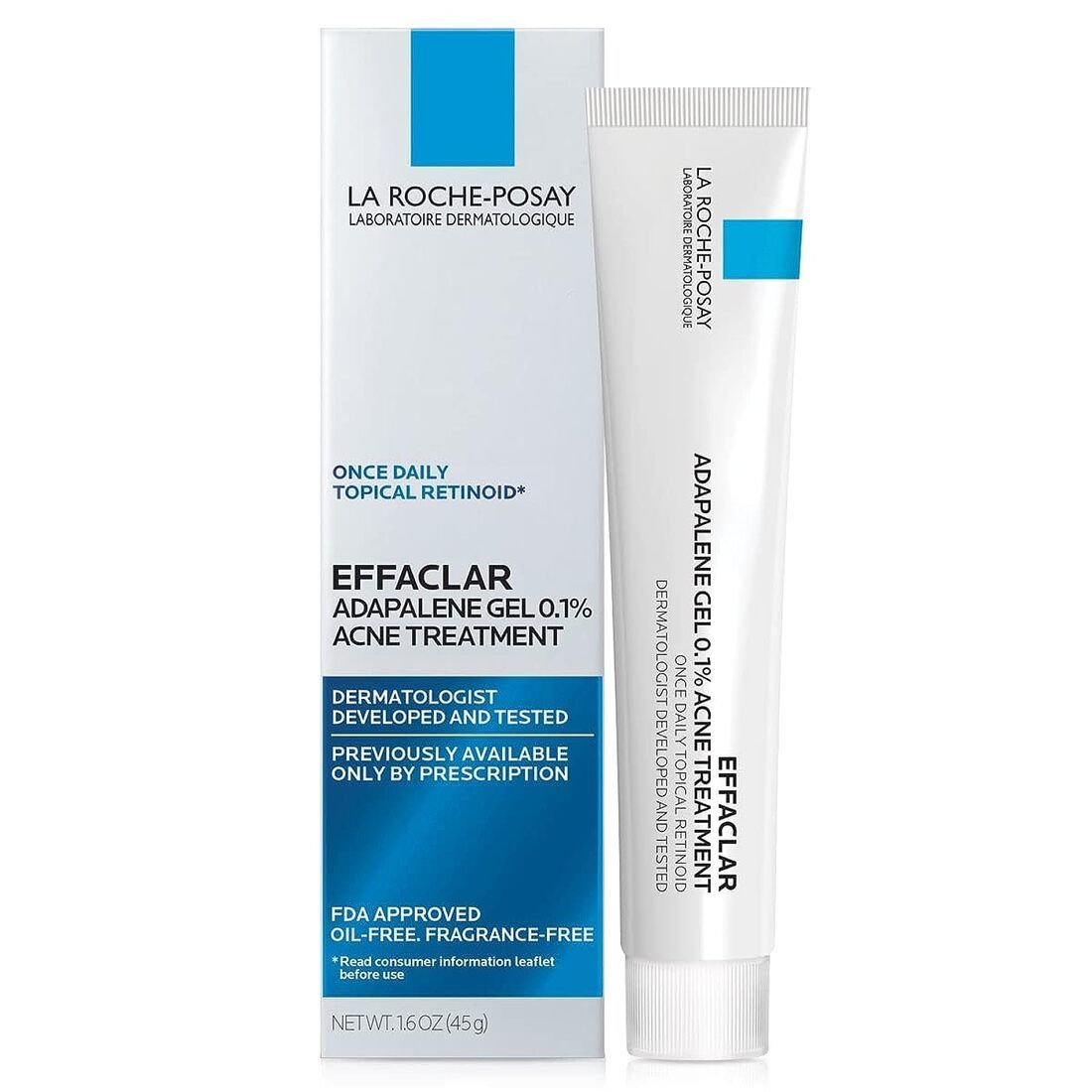 | La Roche-Posay Adapalene Gel 0.1% Acne Treatment
|
5. Tea Tree Oil: The Natural Antiseptic
For those looking for a more natural acne-fighting solution, tea tree oil is a popular alternative. This essential oil has antiseptic and anti-inflammatory properties, making it effective in killing acne-causing bacteria and reducing swelling and redness. While it may not work as quickly as stronger ingredients like benzoyl peroxide, tea tree oil is gentler on the skin and can be a great option for mild to moderate acne. It’s often found in spot treatments, cleansers, and toners designed for acne-prone skin.
- How It Works:
- Has antibacterial properties that help kill acne-causing bacteria.
- Reduces inflammation and redness associated with acne.
- Helps dry out pimples without the harsh side effects of some chemical treatments.
Ideal For:
- People with mild to moderate acne.
- Those looking for a natural alternative to chemical treatments.
Product Recommendation:
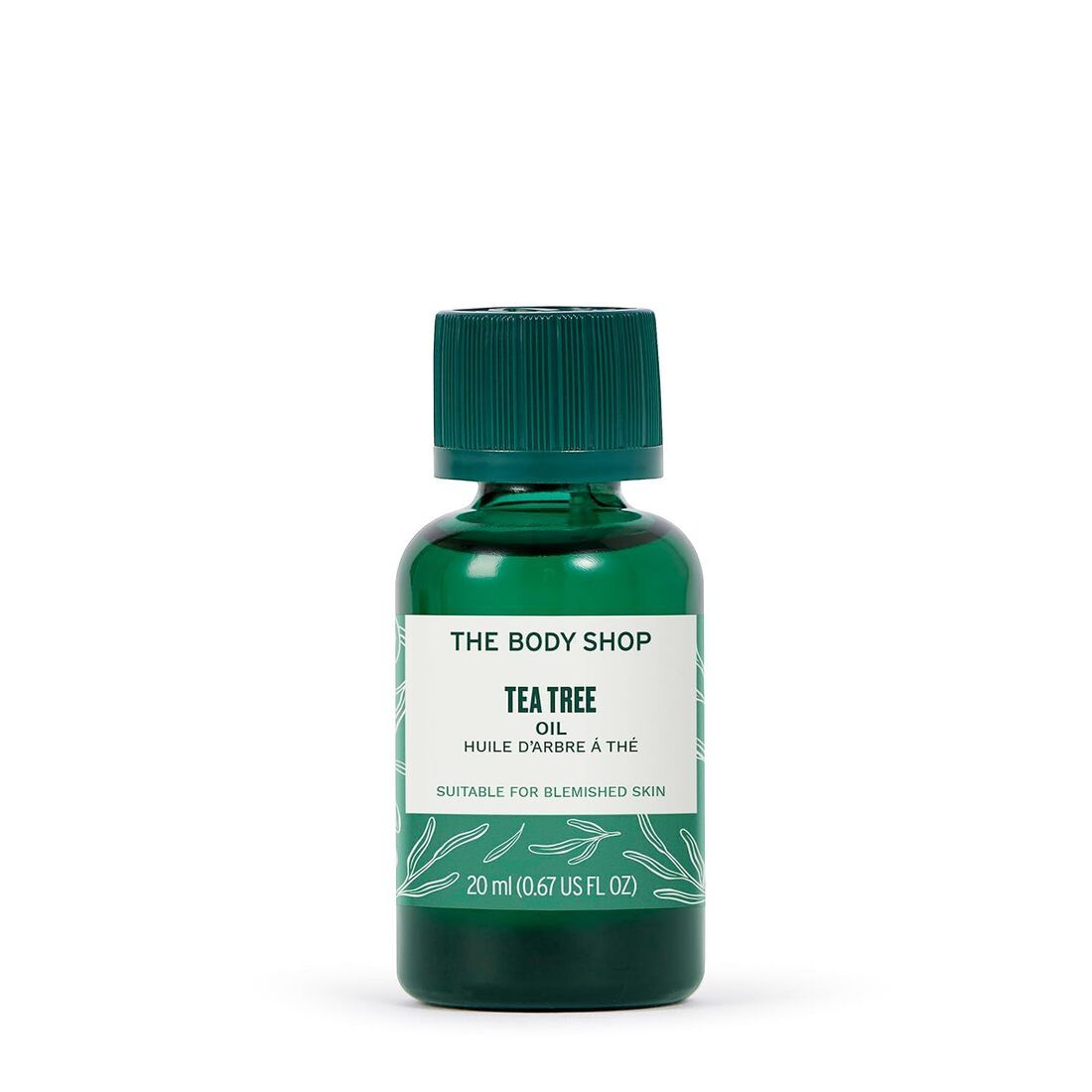 | The Body Shop Tea Tree Oil
|
How to Choose the Right Acne-Fighting Ingredients for Your Skin
When selecting acne-fighting products, it’s important to consider your skin type and the severity of your acne. For oily skin, ingredients like salicylic acid and benzoyl peroxide can help control excess oil and clear pores. If you have sensitive skin, niacinamide or tea tree oil may be gentler options that still provide effective results. For those dealing with acne scars or aging skin, retinoids are an excellent choice to both treat breakouts and improve skin texture.
Tips for Using Acne Ingredients:
- Start Slowly: Introduce new active ingredients gradually to avoid irritating your skin, especially if using potent treatments like retinoids or benzoyl peroxide.
- Hydrate: Many acne-fighting ingredients can be drying, so it’s important to pair them with a good moisturizer that won’t clog pores.
- Don’t Mix Too Many Actives: Be cautious when combining strong ingredients like salicylic acid, retinoids, and benzoyl peroxide, as this can lead to irritation. Consult with a dermatologist if you're unsure about how to layer products.
Final Thoughts
Choosing the right acne-fighting ingredients is the first step to clearer, healthier skin. Salicylic acid, benzoyl peroxide, niacinamide, retinoids, and tea tree oil are all powerful players in the fight against acne, each targeting different aspects of the condition. Whether you’re dealing with mild breakouts or more severe acne, knowing which ingredients work best for your skin type and concerns will help you make informed decisions and achieve the clear skin you desire. By understanding the benefits of these key ingredients, you can confidently select the products that will work best for your individual needs.

Share Your Opinion, Please