Posted 21/07/2024 in Tinted Sunscreen by Celine Selvi
Medical & Affiliate Disclaimer: The information provided is for general informational purposes and does not constitute professional advice. Read full disclaimer.
×

The information provided in this article is for general informational purposes only and does not constitute professional, medical, or legal advice. The statements made in this article have not been evaluated by any regulatory authority. While efforts have been made to ensure the accuracy of the information presented, no warranty or guarantee, expressed or implied, is provided regarding the completeness, accuracy, reliability, or suitability of the information. Readers are advised to consult with a qualified healthcare provider or dermatologist for specific advice regarding skincare products and personal health conditions, especially if pregnant, nursing, or having underlying medical conditions. The mention of specific brands or products does not imply endorsement, nor should it be considered a recommendation. Please review product labels, ingredients, and safety instructions before using any skincare products, and always follow regulatory guidelines in your country. The article does not intend to defame or harm any brand or product, and no liability is assumed by the author or publisher for any damages or adverse effects that may arise from the use of information contained herein. This post may also contain affiliate links. If you use these links to buy something, we may earn a small commission at no additional cost to you.

Tinted Sunscreen vs. Regular Sunscreen: Which Is Right for You?


Tinted Sunscreen vs. Regular Sunscreen: Which Is Right for You?

Table of Contents

    Choosing the right sunscreen can significantly improve your daily skincare routine. Tinted and regular (colorless) sunscreens both offer UV protection, but they have distinct benefits and characteristics. This article explores the differences between tinted and regular sunscreens, helping you decide which is best for your needs.


    What is Tinted Sunscreen?

    Tinted sunscreen is formulated with added pigments that provide a slight tint to the skin. This tint can help even out skin tone, reduce the appearance of imperfections, and offer a natural-looking glow. Tinted sunscreens are available in various shades to match different skin tones.

    Benefits of Tinted Sunscreen:

    • Evens Skin Tone: The tint helps to mask redness, discoloration, and minor blemishes.
    • Cosmetic Appeal: Provides a natural, makeup-like finish, often eliminating the need for additional foundation.
    • Blue Light Protection: Some tinted sunscreens offer added protection against blue light from digital devices.
    • Blendable: Available in multiple shades to match a wide range of skin tones.


    Drawbacks of Tinted Sunscreen:

    • Limited Shades: Not all skin tones may find an exact match, leading to potential mismatch.
    • Potential for Streaking: May require blending to avoid streaks, especially for those with dry skin.


    Tinted Sunscreen recommendations: 

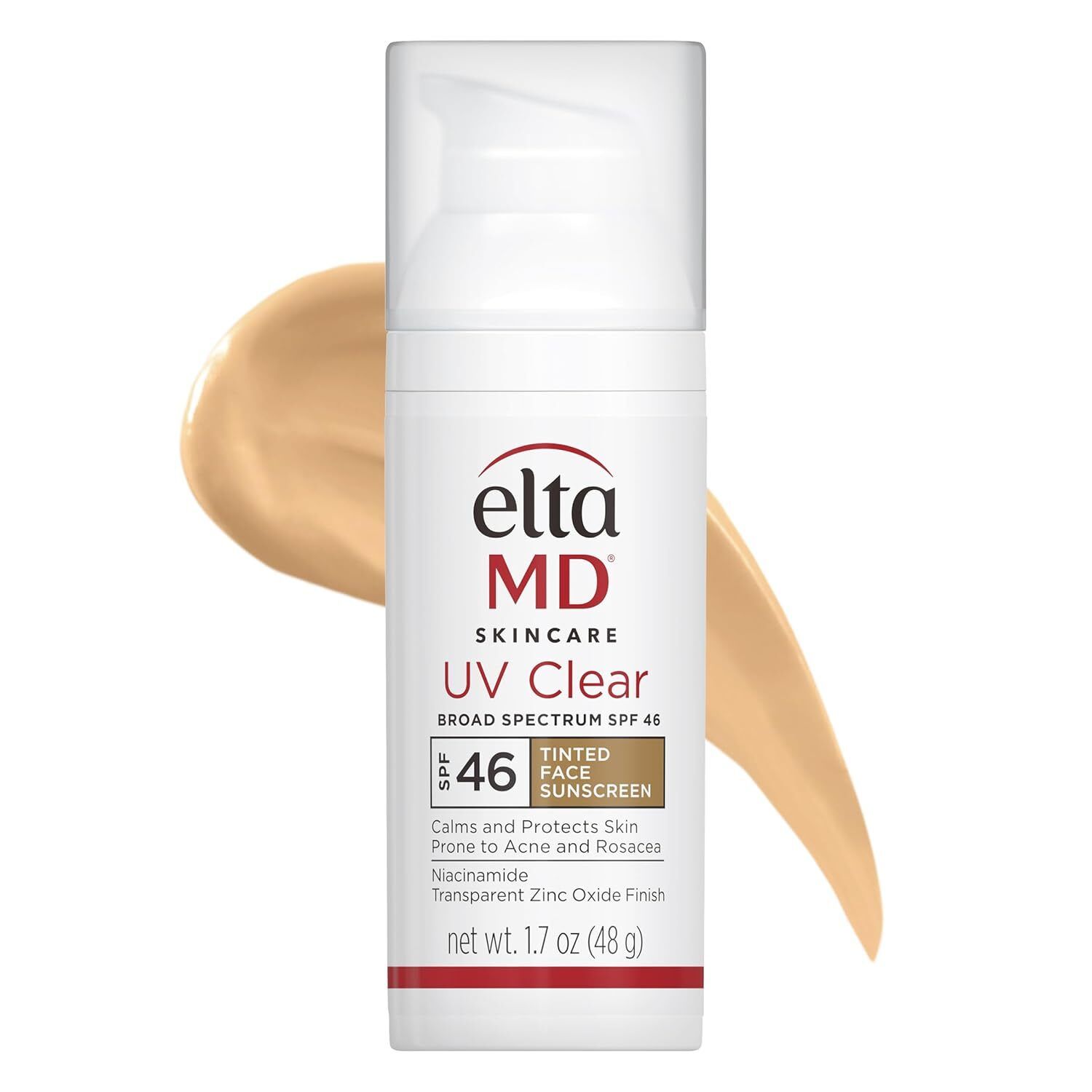
    • EltaMD UV Clear Tinted Broad-Spectrum SPF 46 
    8570f505 37dc 4bde 9f5a 85e70515d31c

    View Here

    • Key Ingredients: 9% Zinc Oxide, 7.5% Octinoxate, 5% Niacinamide (Vitamin B3), Hyaluronic Acid, Lactic Acid.
    • Why We Love It: This lightweight, oil-free sunscreen offers broad-spectrum protection against UV rays. The niacinamide helps reduce the appearance of blemishes and discoloration, while hyaluronic acid and lactic acid promote healthy-looking skin. The sheer tint provides a natural-looking glow without leaving a white cast.
    • Who It’s For: Ideal for individuals with sensitive, acne-prone, or rosacea-prone skin seeking a daily sunscreen that offers both sun protection and a subtle tint to even out skin tone.


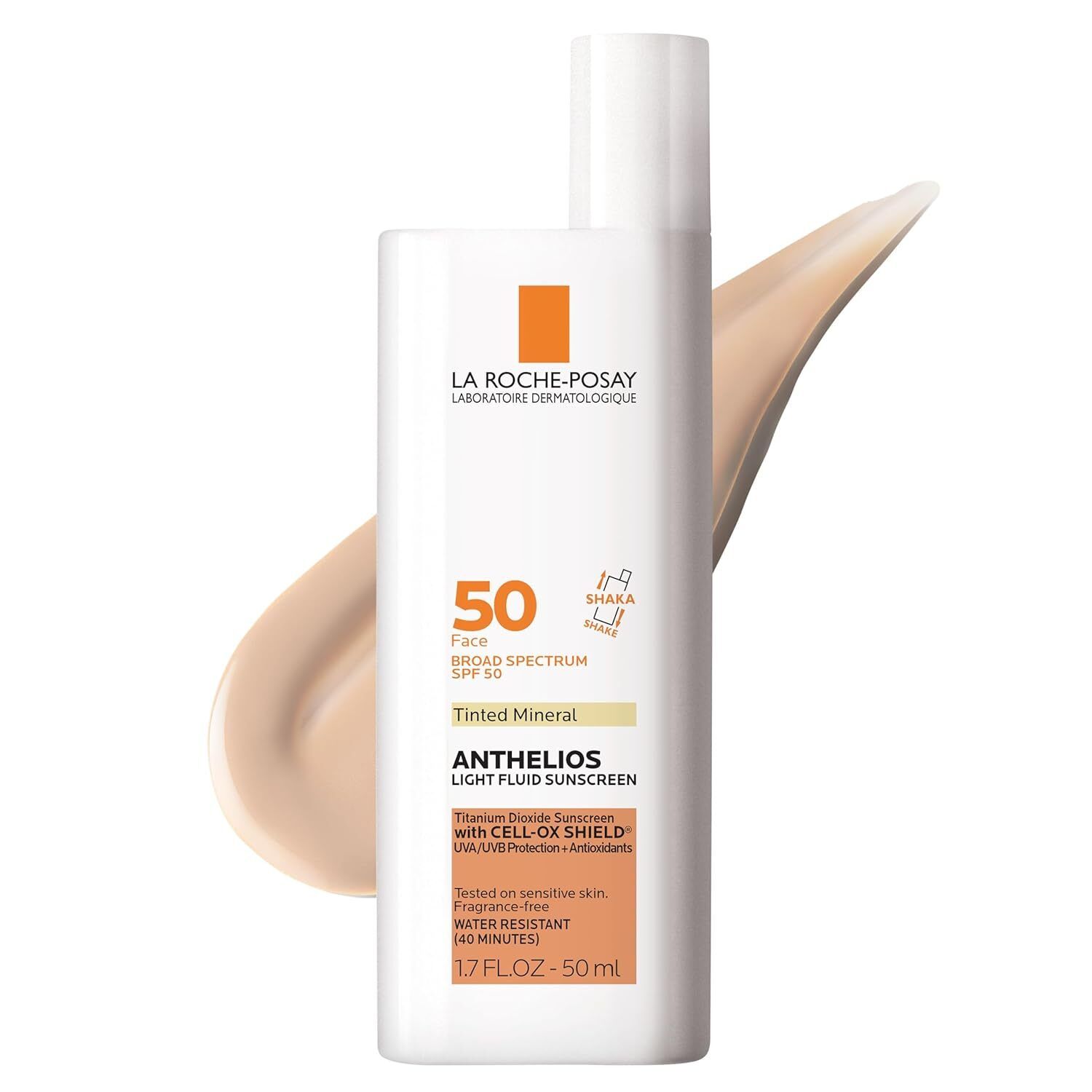
    •  La Roche-Posay Anthelios Mineral Tinted Sunscreen SPF 50
    153af7fd 765d 4986 8bd4 1ed3d0d10102

    View Here

    • Key Ingredients: Titanium dioxide (11%), La Roche-Posay thermal spring water, antioxidants

    • Why We Love It: Lightweight and non-comedogenic, this mineral formula offers a tinted matte finish with high UVA/UVB protection.

    • Who It’s For: Great for sensitive or acne-prone skin, and those wanting a natural tint to even out skin tone without clogging pores.


    What is Regular Sunscreen?

    Regular sunscreen, also known as untinted or clear sunscreen, provides sun protection without altering the appearance of the skin. It comes in various formulations, including lotions, gels, sprays, and sticks.

    Benefits of Regular Sunscreen:

    • Universal Use: Suitable for all skin tones without the need for color matching.
    • Variety of Formulas: Numerous formulations are available to suit different skin types and preferences.
    • No Residue: Many formulas are designed to be sheer and non-greasy, leaving no white cast.
    • Widely Available: Easier to find in various stores and in different SPF levels.


    Drawbacks of Regular Sunscreen:

    • No Cosmetic Coverage: Does not provide any skin-tone evening benefits.
    • Visible Residue: Some formulations, especially mineral sunscreens, can leave a white or chalky residue on darker skin tones.


    Un-tinted sunscreen recommendations:

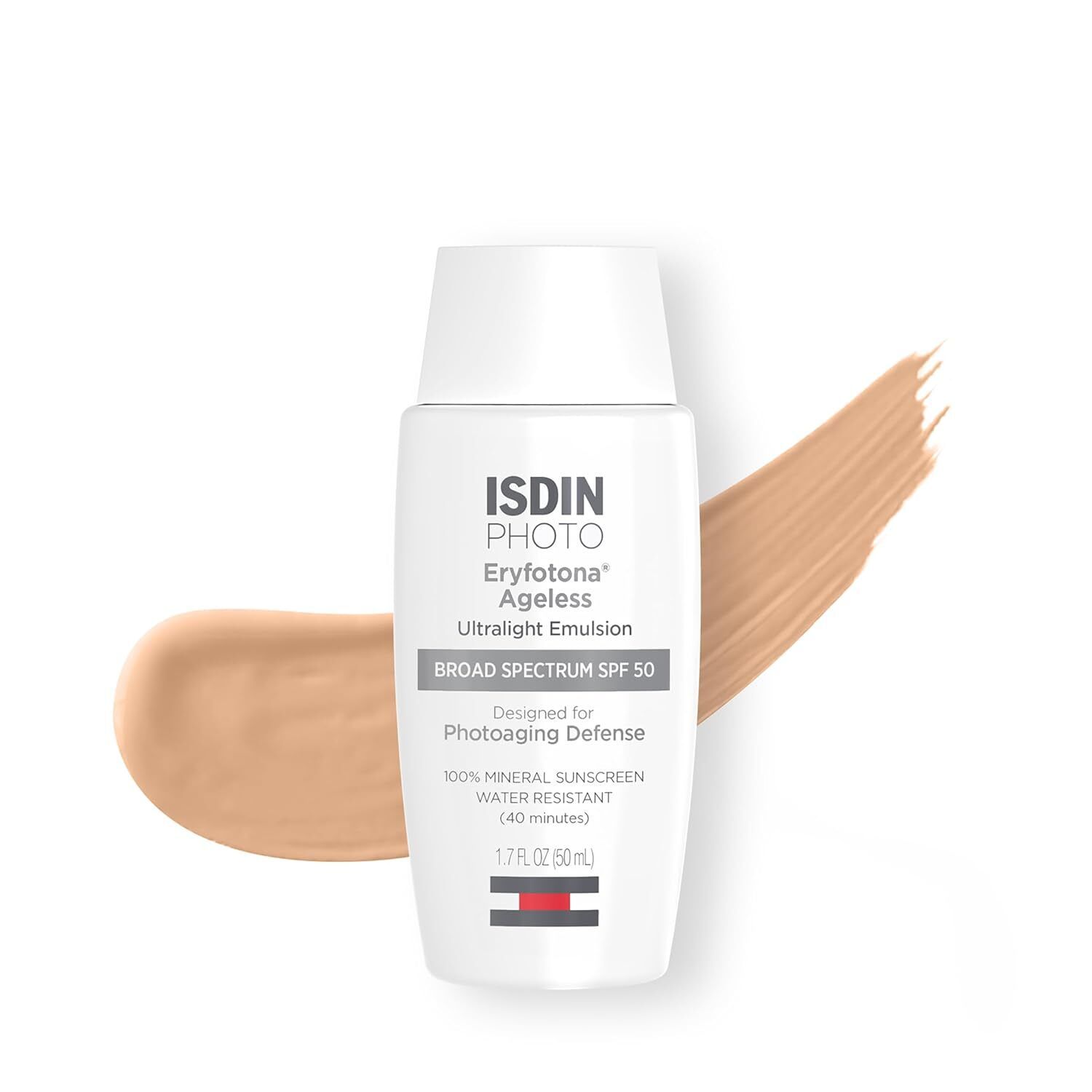
    •  ISDIN Eryfotona Actinica SPF 50+
    08745306 7b2b 483d b267 db594deeeb04

    View Here


    • Key Ingredients: Zinc oxide, DNA Repairsomes (photolyase enzymes), vitamin E

    • Why We Love It: Lightweight fluid with innovative DNA repair enzymes that help repair past sun damage while protecting against future UV harm.

    • Who It’s For: Those concerned with anti-aging and long-term skin health, especially in sunny or high UV index climates.


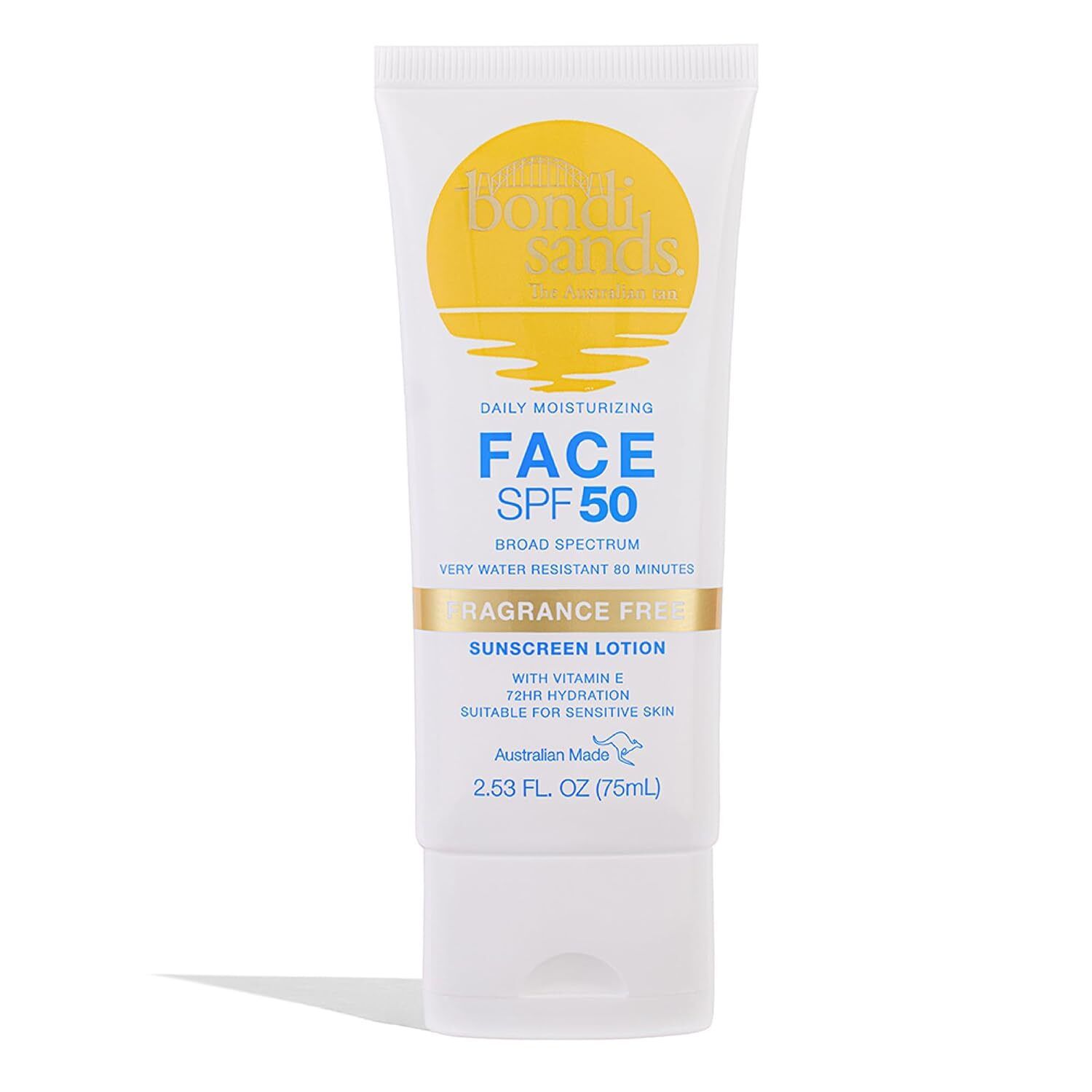
    •  Bondi Sands SPF 50+ Fragrance-Free Face Sunscreen Lotion
    fe2208e8 c293 4652 b45c 4f12799171e6

    View Here

    • Key Ingredients: Aloe vera, vitamin E, glycerin

    • Why We Love It: This lightweight, fragrance-free sunscreen provides broad-spectrum UVA and UVB protection. It's formulated to deliver up to 72 hours of hydration, dries to an invisible, non-greasy finish, and can be worn alone or under makeup. 

    • Who It’s For: Ideal for individuals with dry or combination skin seeking a hydrating sunscreen that doesn't leave a white cast.


    Which One Should You Choose?

    Consider Tinted Sunscreen If:

    • You want sun protection with added cosmetic benefits.
    • You prefer a product that can double as a light foundation.
    • You are concerned about blue light exposure.

    Consider Regular Sunscreen If:

    • You prefer a product without any tint.
    • You have a specific sunscreen formulation that you love.
    • You need a sunscreen suitable for all body parts, including the face.


    What are the best tinted sunscreens?

    The best tinted sunscreens combine effective sun protection with skin-tone evening benefits. Top-rated options include EltaMD UV Clear Tinted Broad-Spectrum SPF 46, La Roche-Posay Anthelios Tinted Mineral Ultra Fluid SPF 50, and Australian Gold Botanical Tinted Face Sunscreen SPF 50. These products offer broad-spectrum protection, blend well with various skin tones, and provide a smooth, natural finish.


    Conclusion:

    Both tinted and regular sunscreens offer excellent sun protection, but choosing between them depends on your preferences and skincare needs. Tinted sunscreens are ideal for those looking for added cosmetic benefits and blue light protection, while regular sunscreens are versatile, easy to use, and suitable for all skin tones. Regardless of your choice, the most important thing is to use sunscreen daily to protect your skin from harmful UV rays.


    FAQs

    Is tinted sunscreen as effective as regular sunscreen?
    Yes, tinted sunscreens are as effective as regular sunscreens in providing UV protection, as long as they have a high SPF and broad-spectrum coverage.

    Can tinted sunscreen replace foundation?
    Tinted sunscreen can often replace foundation for a natural, everyday look, simultaneously providing light coverage and sun protection.

    Do tinted sunscreens protect against blue light?
    Many tinted sunscreens offer protection against blue light, making them a good choice for those concerned about screen exposure.

    Will regular sunscreen leave a white cast?
    Some regular sunscreens, particularly mineral-based ones, may leave a white cast on darker skin tones. To avoid this issue, look for formulations labeled sheer or invisible.

    Share your Feeling

    • 0
      SHOW OFF
    • 0
      I DO NOT LIKE
    • 1
      FINGERS CROSSED
    • 7
      I LIKED
    • 2
      APPLAUSE
    • 3
      I LOVED
    • 0
      SUSPICIOUS
    • 0
      UNBELIEVABLE
    0 Comment(s)

    Share Your Opinion, Please


    Posted By

    Celine Selvi

    Go to Profile Contact Member

    Related Posts


    7 Benefits of Tinted Sunscreens
    7 Benefits of Tinted Sunscreens
    5 Best Tinted Sunscreens for Acne-Prone Skin (2026) - Editor Picks
    5 Best Tinted Sunscreens for Acne-Prone Skin (2026) - Editor Picks
    10 Ways Tinted Sunscreens Streamline Your Morning Routine
    10 Ways Tinted Sunscreens Streamline Your Morning Routine
    Best Tinted Sunscreens (2026 Edition): Top Picks for Every Skin Type & Concern
    Best Tinted Sunscreens (2026 Edition): Top Picks for Every Skin Type & Concern
    5 Best Tinted Sunscreens for Oily Skin (2026): Editor Picks
    5 Best Tinted Sunscreens for Oily Skin (2026): Editor Picks
    Report