
Article Last Updated: 5 February 2026
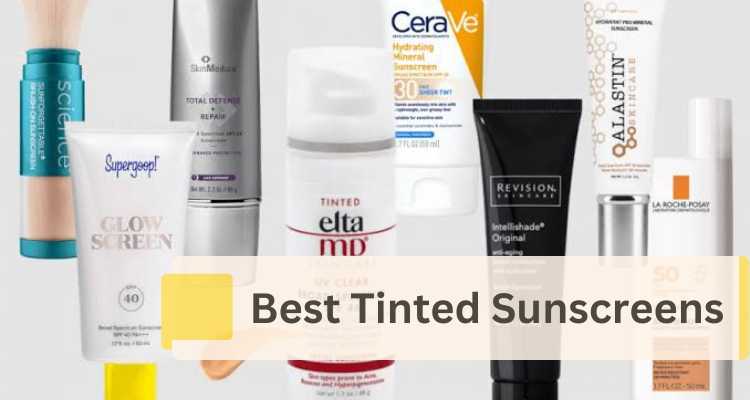
Did you know that up to 90% of visible skin aging is attributed to sun exposure? If you're looking for a way to shield your skin from harmful UV rays while evening out your complexion, you've come to the right place. Our 2026 guide to the best tinted sunscreens highlights top-performing formulas for every skin type—oily, dry, combination, and sensitive. Each pick has been carefully researched using dermatologists' insights, user reviews, and key criteria such as SPF rating, finish, coverage, and skin-loving ingredients.
In this ultimate guide, you’ll find:
- A quick comparison table of the 10 top-rated tinted sunscreens
- In-depth product reviews with pros & cons
- Expert tips on application, shade matching, and ingredient benefits
- A helpful FAQ addressing common questions, like tinted sunscreen vs. regular sunscreen
Dive in to discover which tinted sunscreen deserves a spot in your daily routine—whether you’re running errands or lounging by the pool.
The best tinted sunscreens, at a glance:
Below is an at-a-glance overview of our top picks. Scroll down for detailed reviews, pros/cons, and usage tips.
|
How We Selected These Tinted Sunscreens
- SPF & Broad-Spectrum Coverage: Each product has at least SPF 30, meeting the American Academy of Dermatology's recommendation for daily use. Most are SPF 40+ for extra protection.
- Skin Type Compatibility: We included options for oily, dry, combination, and sensitive skin.
- Ingredient Quality: Focus on safe, dermatologist-approved ingredients—zinc oxide, titanium dioxide, niacinamide, hyaluronic acid—plus reef-safe formulas where possible.
- Finish & Coverage: Ranging from sheer to full coverage, dewy to matte, so you can find the perfect match for your preference.
- User & Expert Feedback: We consulted dermatologists' opinions, tested (where possible), and read hundreds of verified user reviews to confirm real-world performance.
☀️ Important Note on Tinted Sunscreens Tinted sunscreens are a great way to combine sun protection with light coverage, but achieving the recommended 2 mg per cm² (roughly ½ teaspoon for the face or 2 ml) can be challenging. If you plan to spend extended time outdoors, consider applying a layer of clear sunscreen underneath to ensure full protection. Reapply every two hours for the best defense against UV damage. |
1. EltaMD UV Clear Tinted Broad-Spectrum SPF 46
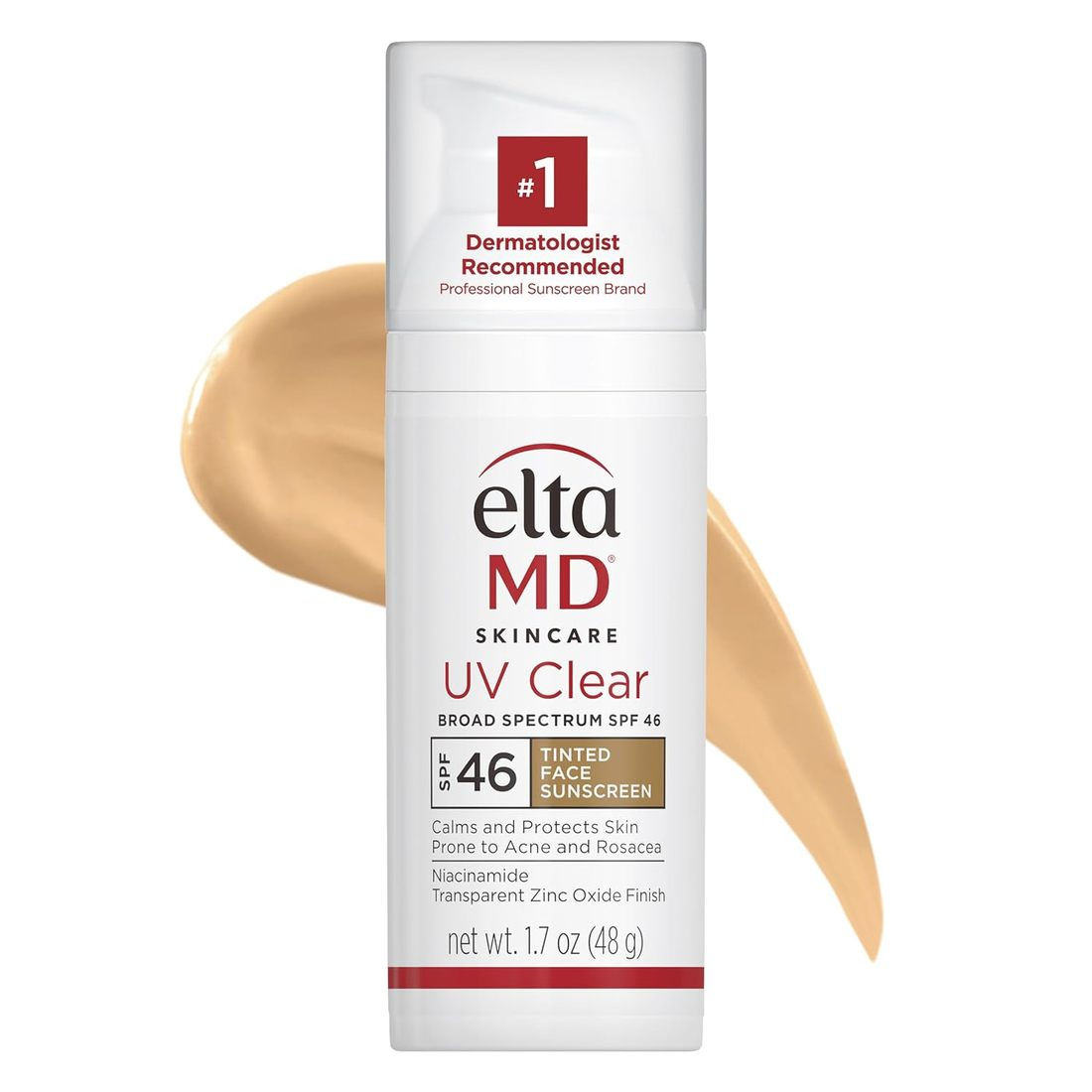 |
Who It’s Best For: Sensitive, acne-prone, or redness-prone skin seeking a lightweight, semi-matte finish. Key Highlights:
Pros
Cons
|
2. IT Cosmetics CC+ Cream with SPF 50+
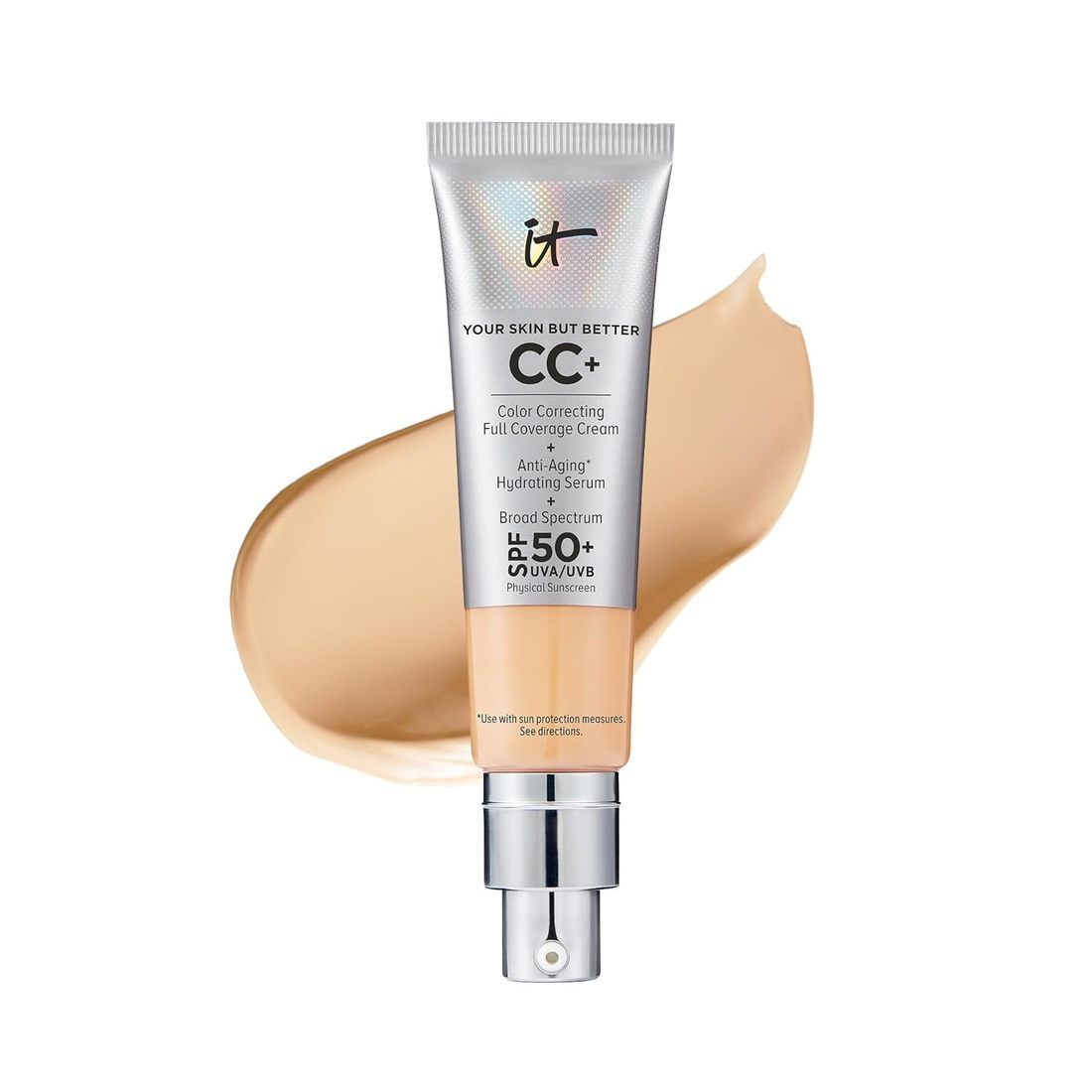 |
Who It’s Best For: Users who want full-coverage makeup that also offers high SPF and skincare benefits. Key Highlights:
Pros
Cons
|
Pro Application Tip:
Warm a small amount between your fingers or use a damp beauty sponge to sheer it out if you prefer lighter coverage.
3. La Roche-Posay Anthelios Tinted Mineral SPF 50
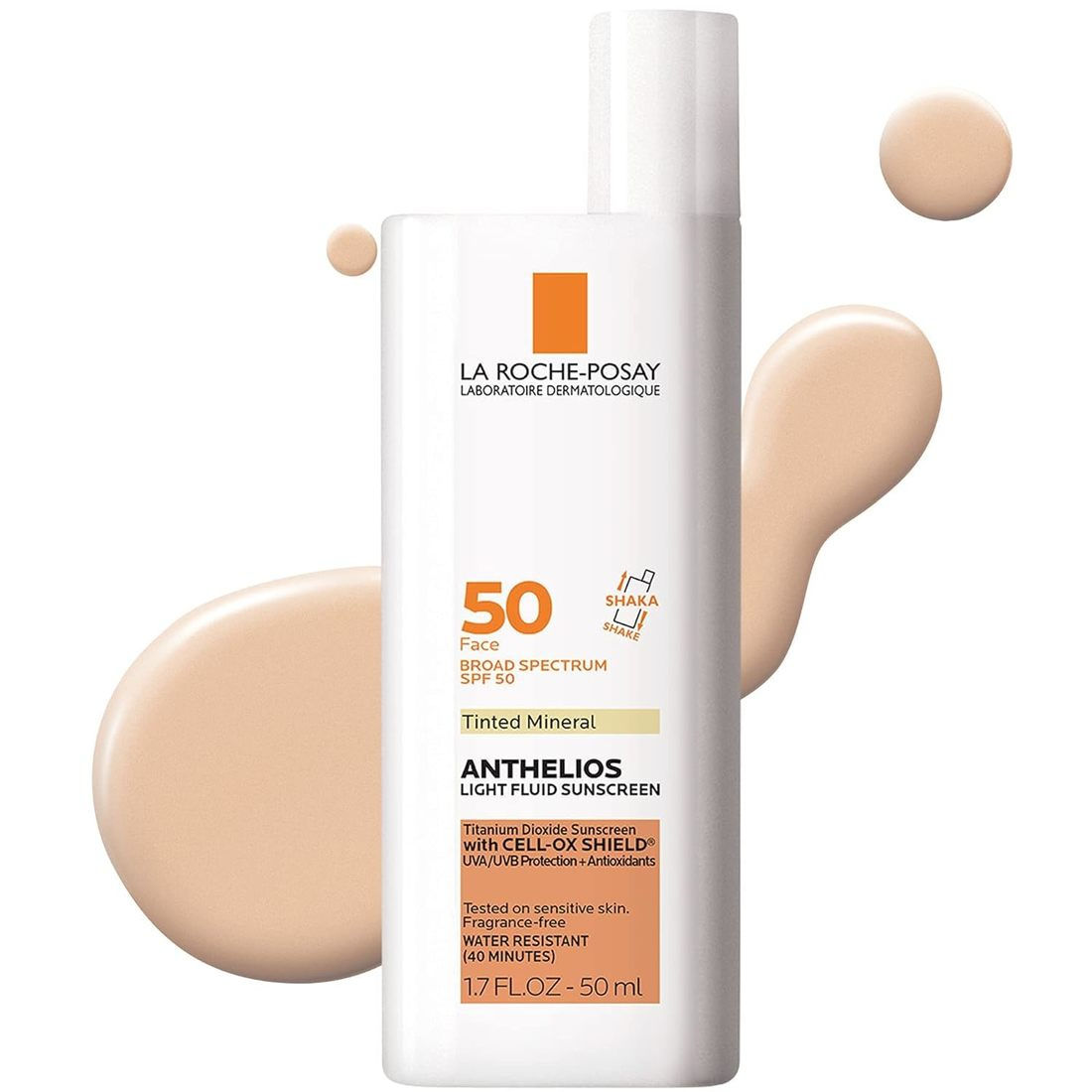 |
Who It’s Best For: Those needing water-resistant protection with a lightweight feel and minimal irritation. Key Highlights:
Pros
Cons
|
User Quote:
“Perfect for beach days—I can reapply without worrying about it irritating my sensitive skin,” shares a verified La Roche-Posay fan.
4. ISDIN Eryfotona Ageless Tinted SPF 50
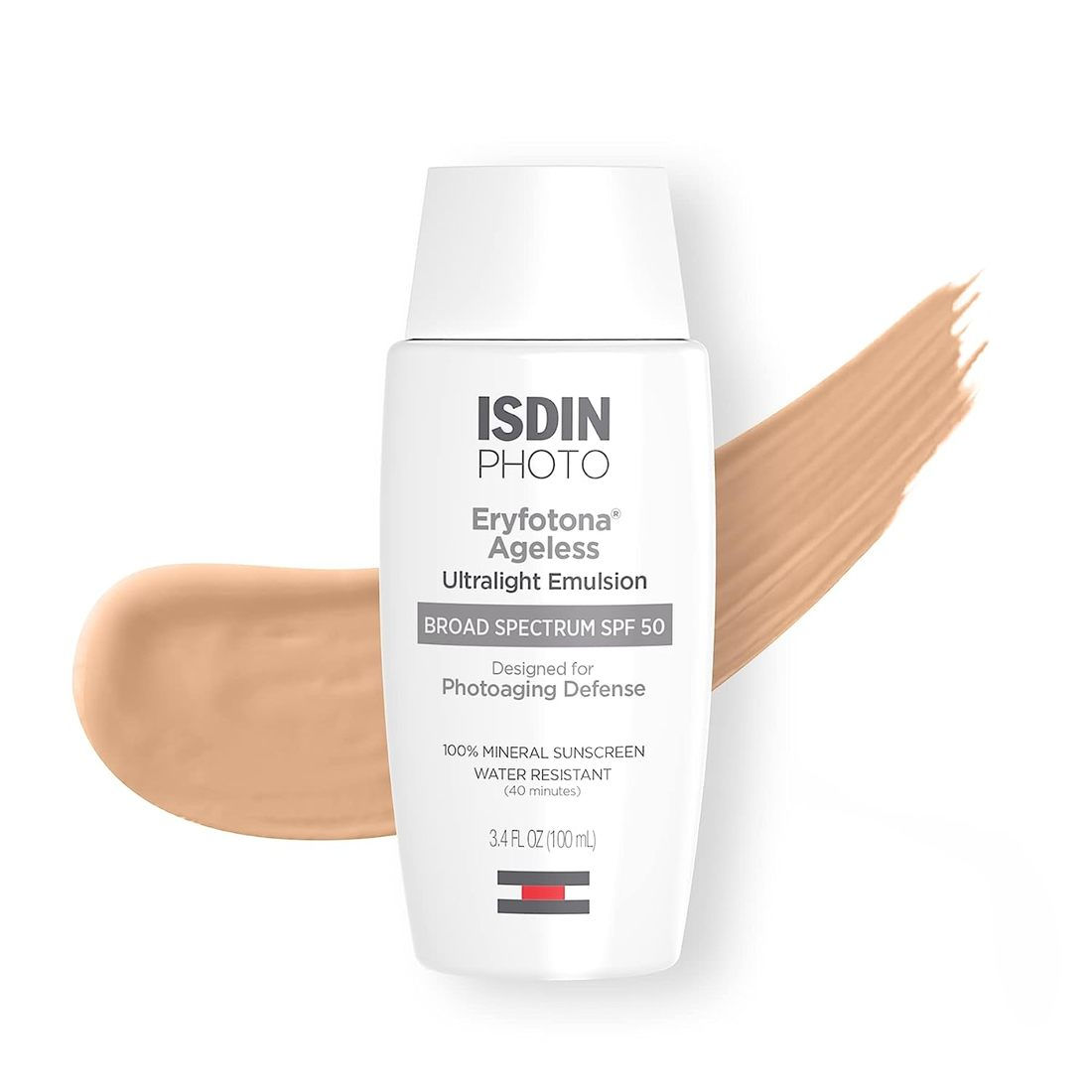 |
Who It’s Best For: Mature or sun-damaged skin seeking a lightweight mineral formula with added anti-aging benefits. Key Highlights:
Pros
Cons
|
Dermatologist Endorsement:
“This is an excellent option for patients concerned about existing sun damage,” notes Dr. Shereen Idriss, MD. “The DNA repair enzymes are a unique add-on.”
5. Supergoop! CC Screen 100% Mineral CC Cream SPF 50
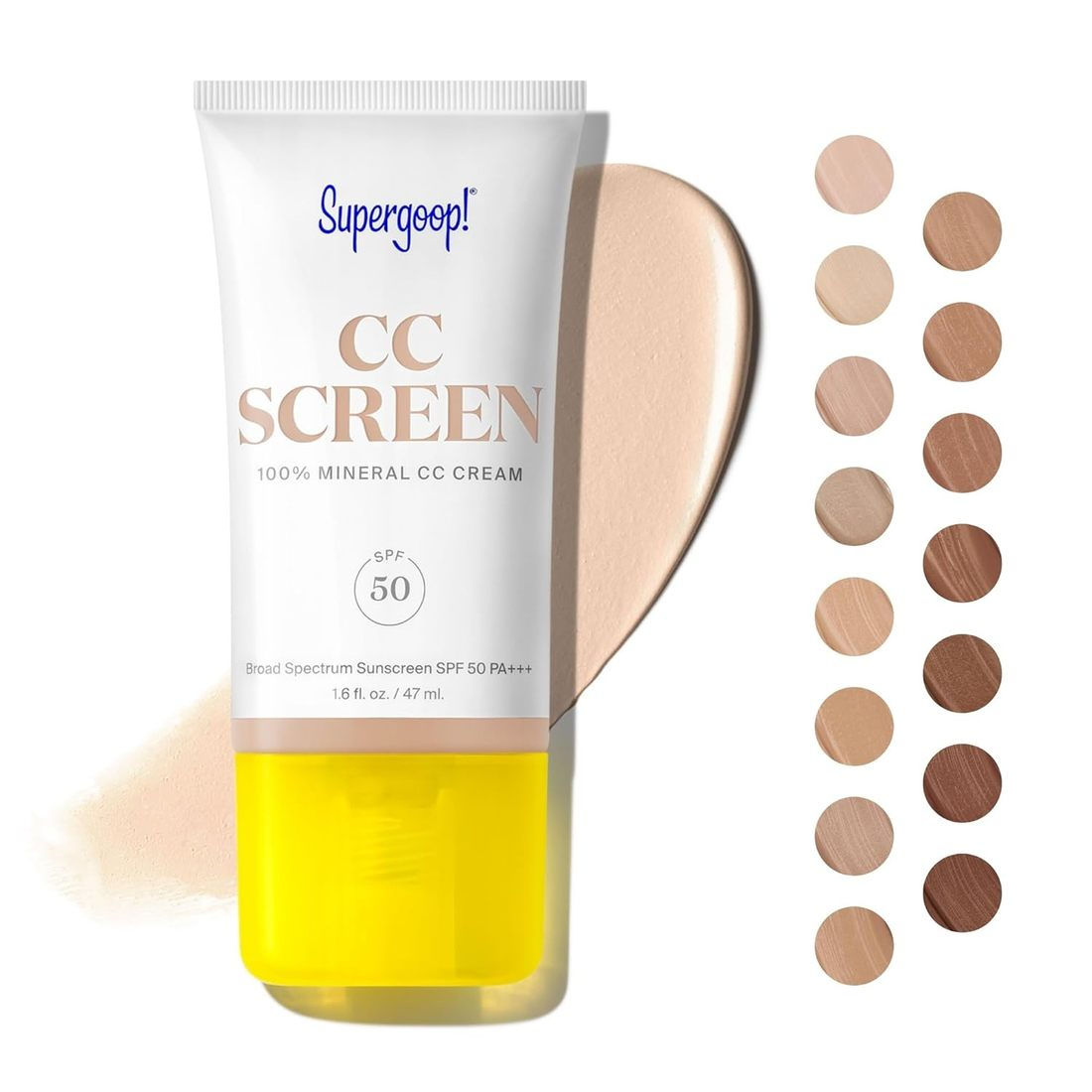 |
Who It’s Best For: Eco-conscious individuals wanting reef-safe, multi-shade tinted sunscreen with a radiant finish. Key Highlights:
Pros
Cons
|
Environmental Bonus:
Supergoop! is known for environmentally friendly packaging and reef-safe sunscreens, appealing to eco-minded consumers.
6. BareMinerals Complexion Rescue Tinted Hydrating Gel Cream SPF 30
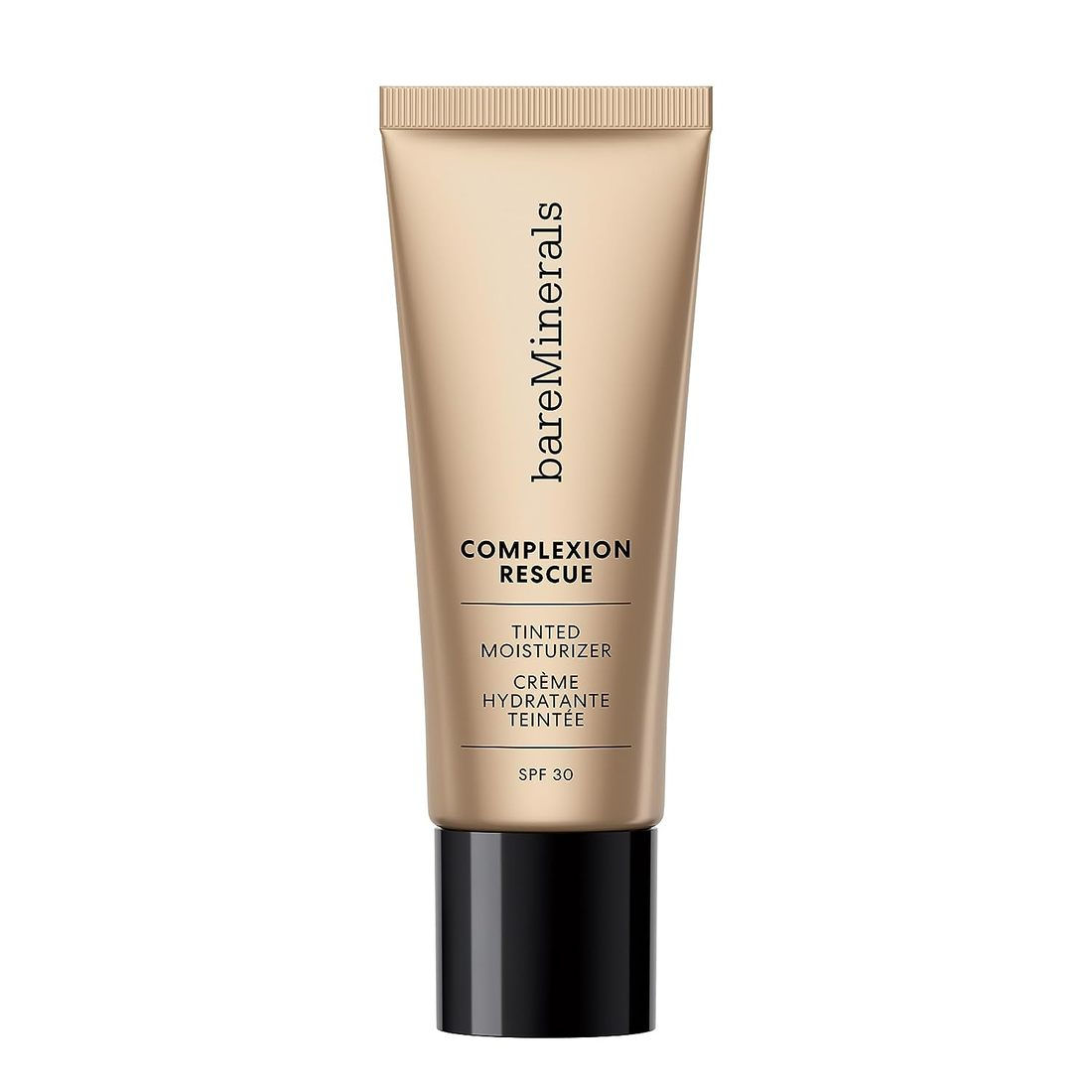 |
Who It’s Best For: Those wanting a dewy, hydrating base with sheer-to-medium coverage—great for normal to dry skin. Key Highlights:
Pros
Cons
|
Pro Tip:
Set the T-zone with a translucent powder if you have combination skin to avoid midday shine.
7. Neutrogena Purescreen+ Tinted Sunscreen for Face SPF 30
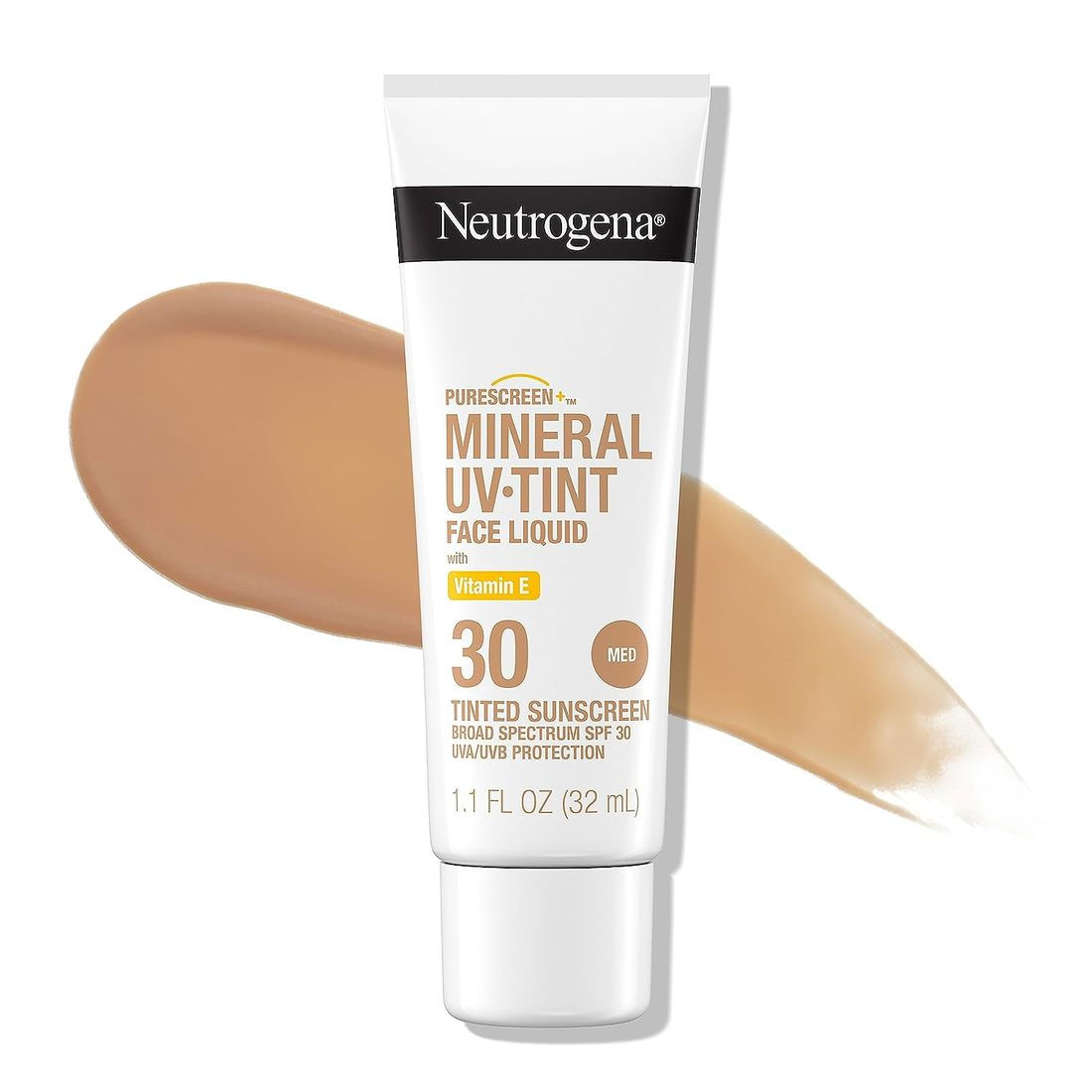 |
Who It’s Best For: Budget-conscious shoppers who need a lightweight mineral tint for everyday wear, especially normal to dry skin. Key Highlights:
Pros
Cons
|
User Quote:
“My everyday staple for running errands. It’s easy to reapply and doesn’t break the bank,” says a Neutrogena loyalist.
8. Colorescience Sunforgettable Total Protection Brush-On Shield SPF 50
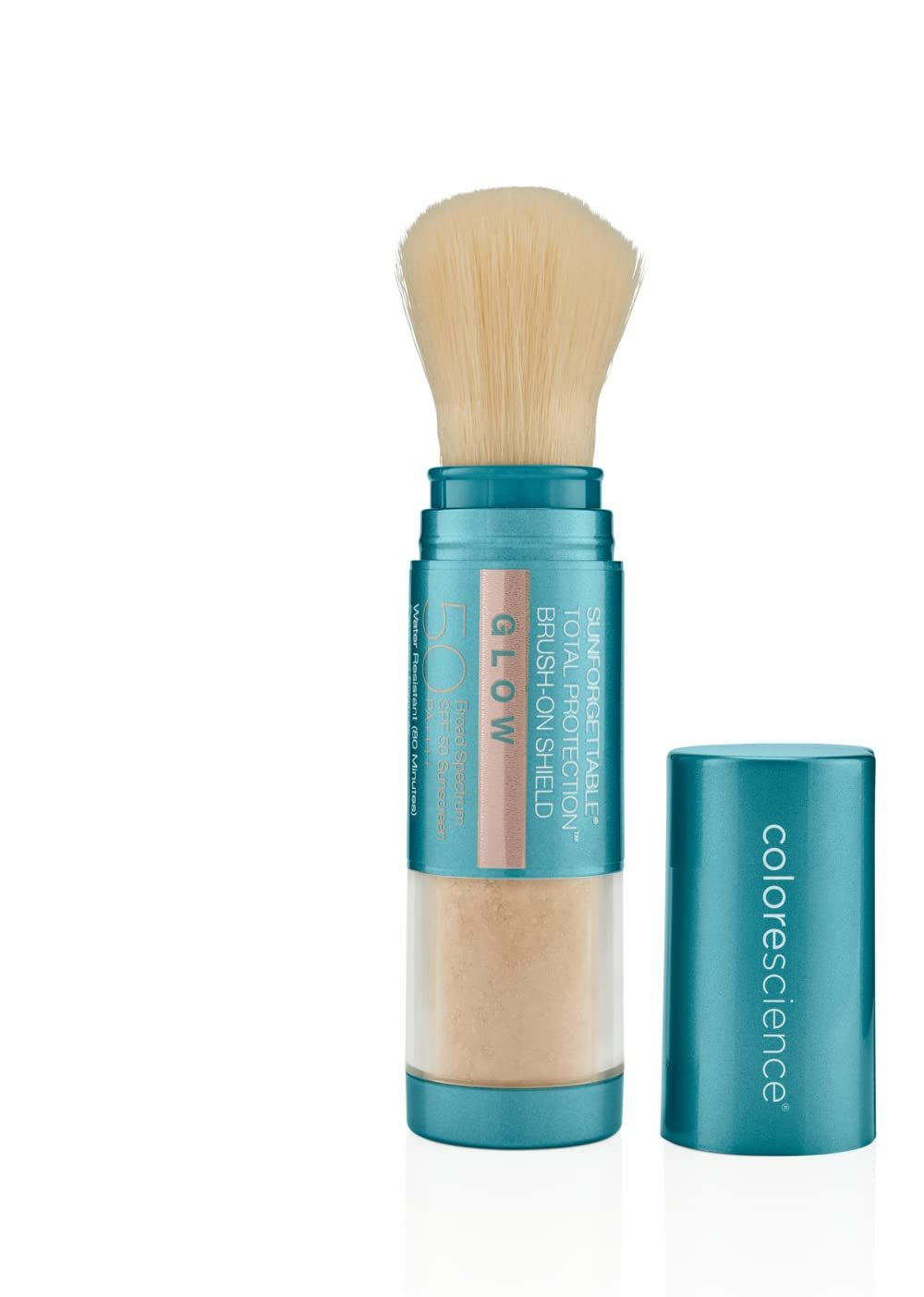 |
Who It’s Best For: Anyone seeking on-the-go reapplication over makeup or for quick touch-ups. Key Highlights:
Pros
Cons
|
Dermatologist Tip:
“Reapplication is crucial. A brush-on SPF makes it easy to protect areas like the forehead and nose throughout the day,” notes Dr. Jenny Liu, MD.
9. Clinique CC Hydrating Broad Spectrum SPF 30
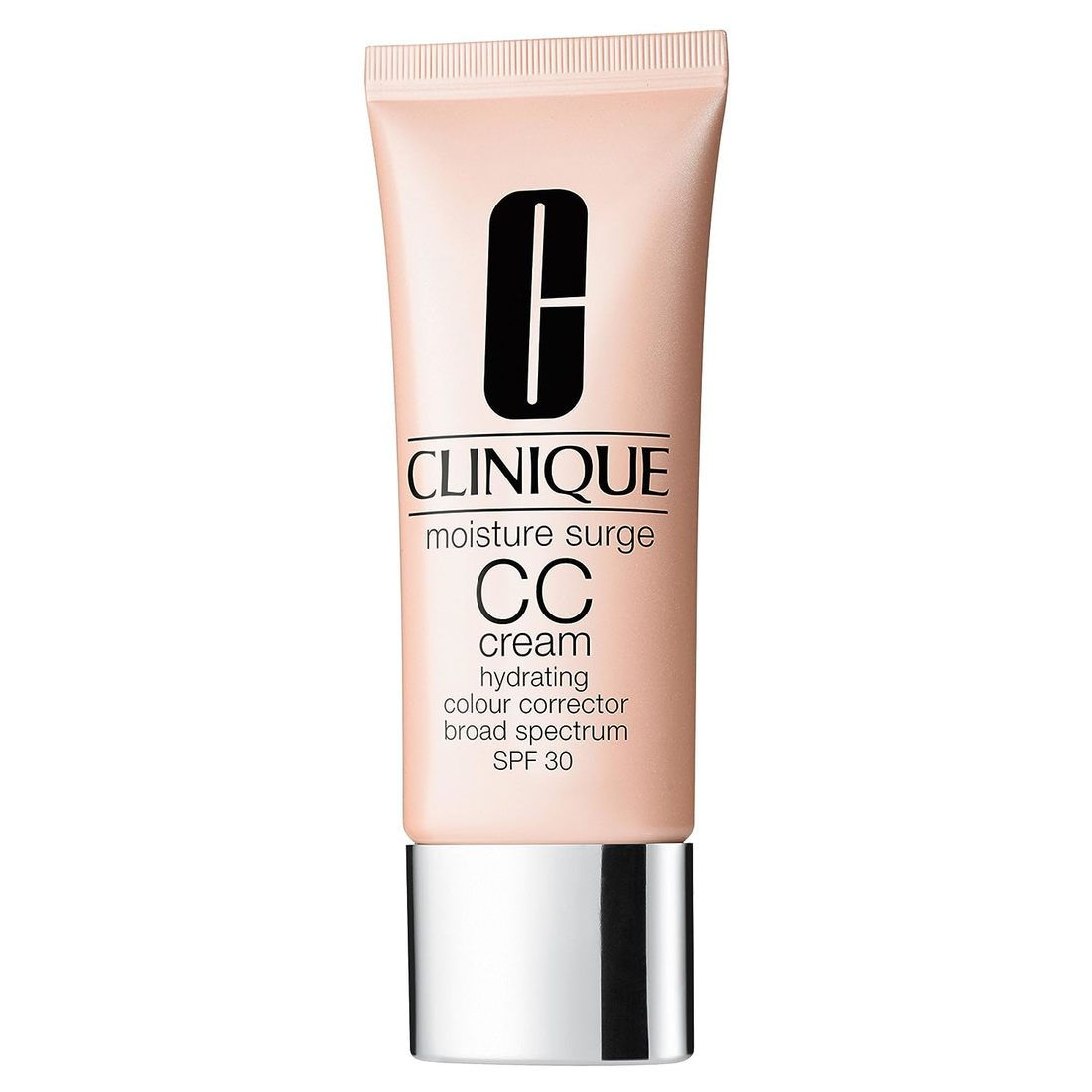 |
Who It’s Best For: Those with normal to combination skin wanting a lightweight, oil-free formula suitable for daily makeup routines. Key Highlights:
Pros
Cons
|
User Quote:
“It’s my daily staple—light enough for summer, but still evens out my skin,” says a longtime Clinique CC user.
10. Drunk Elephant Umbra Tinte Physical Daily Defense SPF 30
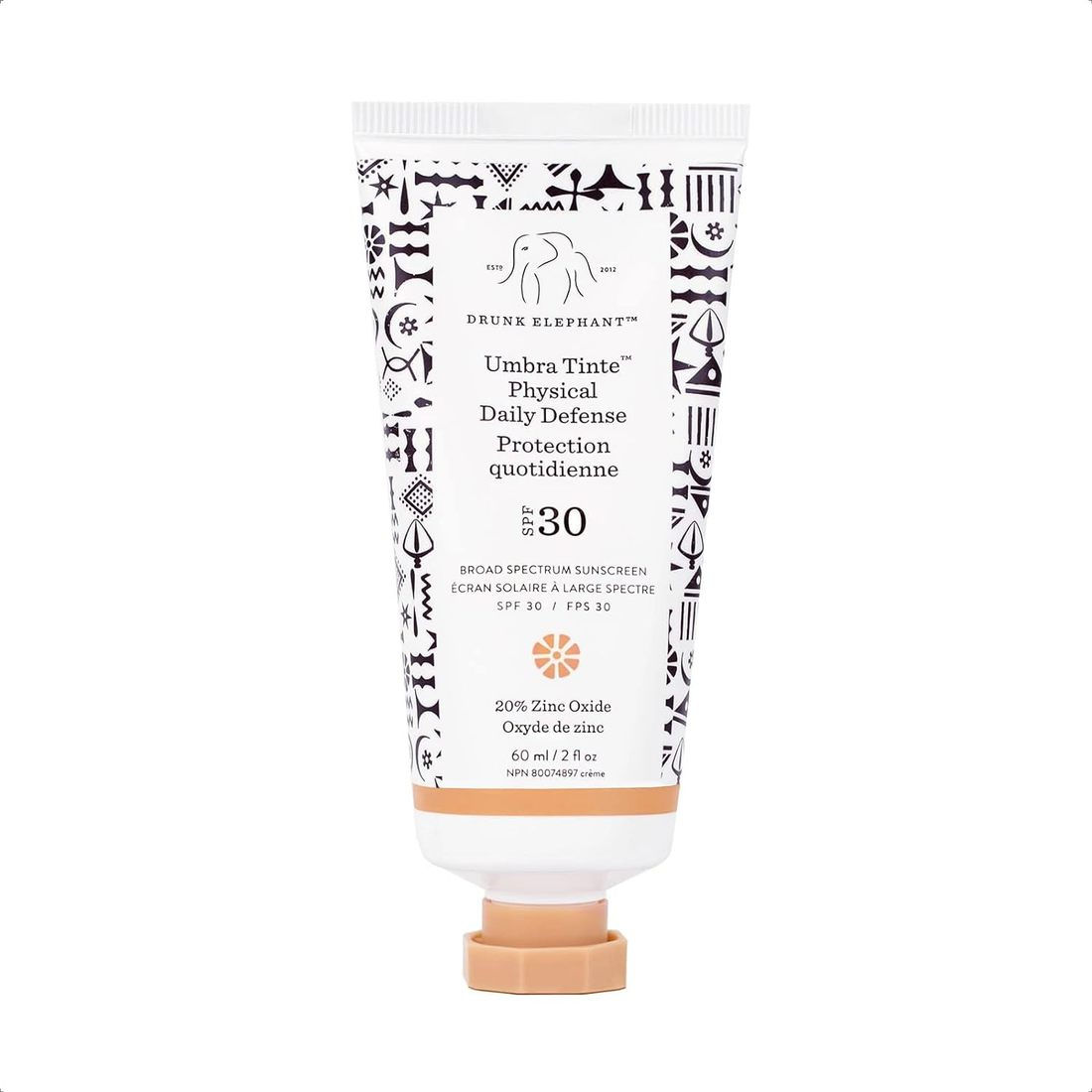 |
Who It’s Best For: Fans of clean beauty seeking antioxidant-rich defense and a natural tint. Key Highlights:
Pros
Cons
|
Environmental Note:
Drunk Elephant emphasizes sustainable, non-toxic formulations—appealing to green beauty enthusiasts.
Tinted Sunscreen vs. Regular Sunscreen
Wondering if a tinted sunscreen can replace your regular SPF? Here’s how they stack up:
- Coverage & Color: Tinted sunscreen offers a sheer wash of color to even out your skin tone. Regular sunscreen is typically transparent (though mineral versions can leave a white cast).
- Iron Oxides: Tinted formulas often include iron oxides, which can help protect against visible light—a potential irritant for melasma or hyperpigmentation.
- Makeup Replacement: Tinted sunscreen can double as a light foundation, saving time and layers in your routine.
- Similar UV Protection: As long as the product states “broad-spectrum SPF” at or above 30, tinted and untinted options protect equally from UV rays.
Best Tinted Sunscreens for Different Skin Types (2026)
- Oily/Combination:
- Colorescience Sunforgettable Brush-On SPF 50 (portable, matte)
- IT Cosmetics CC+ Cream (can be set with powder for a long-lasting matte finish)
- Dry Skin:
- BareMinerals Complexion Rescue SPF 30 (gel-cream hydration)
- Drunk Elephant Umbra Tinte SPF 30 (antioxidant-rich, nourishing)
- Sensitive/Redness-Prone:
- EltaMD UV Clear Tinted Broad-Spectrum SPF 46 (niacinamide, gentle)
- La Roche-Posay Anthelios Mineral SPF 50 (fragrance-free, minimal irritants)
- Mature Skin:
- ISDIN Eryfotona Ageless SPF 50 (DNA repair enzymes)
- IT Cosmetics CC+ Cream (collagen, peptides)
Tip: If you need a deeper dive, check out our dedicated guides on Best Tinted Sunscreen for Oily Skin and Best Tinted Sunscreen for Sensitive Skin.
How to Apply Tinted Sunscreen Correctly
- Prep Your Skin
Start with a gentle cleanser, then apply a moisturizer if needed. This ensures an even canvas. - Warm & Blend
For liquid or cream formulas, warm a pea-sized amount between your fingers. Dab dots onto the face, then blend outward with your fingertips, a makeup sponge, or a brush. - Build Coverage
If you desire fuller coverage, layer the tinted sunscreen or pair it with concealer on trouble spots. - Reapply Often
Sunscreen (tinted or not) needs to be reapplied every 2 hours after swimming or sweating. Powder SPF (like Colorescience) is great for mid-day touch-ups without disturbing your makeup. - Finish & Set
Dust on a translucent setting powder if you have oily areas (T-zone). This helps the tint last longer and controls shine.
Frequently Asked Questions
Q1: Are tinted sunscreens as effective as regular sunscreens?
Yes. Tinted sunscreens provide the same broad-spectrum UVA/UVB protection as untinted versions, as long as they have an SPF of 30 or higher. Many also include iron oxides for additional protection against visible light.
What Q2: Do tinted sunscreens cause breakouts?
Most tinted sunscreens formulated for sensitive or acne-prone skin are non-comedogenic, meaning they won’t clog pores. Always check the label for “non-comedogenic” or “oil-free” if you’re prone to breakouts.
Q3: Can I use tinted sunscreen in place of foundation?
Absolutely. Tinted sunscreen offers light-to-medium coverage, so it can replace foundation if you’re aiming for a more natural look. For fuller coverage, you can layer additional makeup on top.
Q4: Should I still wear tinted sunscreen indoors?
Yes. UVA rays (linked to premature aging) can penetrate windows, and visible light may affect certain skin concerns (like melasma). A tinted sunscreen with iron oxides is beneficial even indoors.
Q5: How do I find the right shade of tinted sunscreen?
Many tinted sunscreens have a “universal” or “sheer” tint designed to blend with multiple undertones. If you’re in doubt, swatch a small amount on your jawline, or choose a brand offering multiple shade options (like Supergoop! or IT Cosmetics).
ConclusionFinding your best tinted sunscreen isn't just about SPF—it's also about the right finish, coverage, and skin-type compatibility. Whether you need a hydrating gel cream for dry skin, a lightweight mineral fluid for sensitive skin, or a full-coverage CC cream for a flawless finish, there's a perfect match on our list. Remember to reapply diligently, especially when outdoors, to ensure continuous protection. |
Disclaimer: This article is for informational purposes only and does not replace professional medical advice. Consult a board-certified dermatologist for personalized recommendations, especially if you have skin conditions such as rosacea, eczema, or severe acne.
References & Further Reading:
- American Academy of Dermatology (AAD): https://www.aad.org/
- Skin Cancer Foundation: https://www.skincancer.org/
- Journal of the American Medical Association (JAMA) Dermatology



Share Your Opinion, Please