
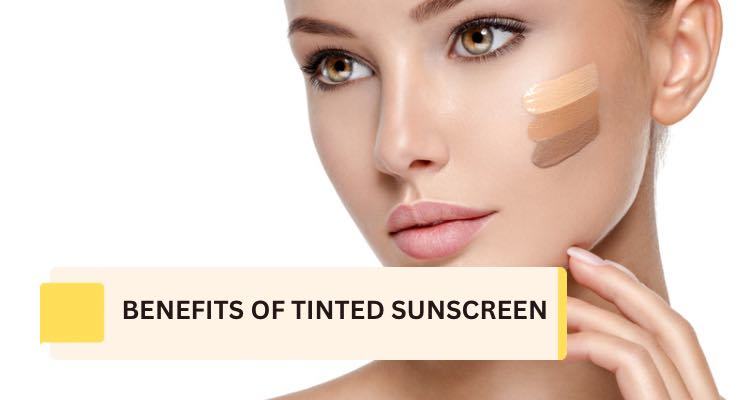
Tinted sunscreens are becoming more and more popular these days. They offer all-in-one sun protection, as well as a smoothing and covering effect that can make you look younger and fresher. This post explores the benefits of using tinted sunscreen and provides practical advice for those considering purchasing one.
According to the American Academy of Dermatology, tinted sunscreens protect against UV rays and help prevent premature skin aging, wrinkles, and skin cancer. Tinted sunscreens can also help hide imperfections and even out skin tone, which is especially helpful for skin prone to redness.
Below, we explore the various benefits of incorporating tinted sunscreen into your daily skincare routine.
Key Takeaways:
|
1. Broad Spectrum Protection
At its core, tinted sunscreen offers broad-spectrum protection against harmful UV rays. This means it shields your skin from both UVA rays, which can prematurely age your skin, and UVB rays, which are primarily responsible for sunburn. By using a tinted sunscreen daily, you're providing your skin with essential defense against sun damage, photoaging, and the risk of skin cancer.
2. Even Skin Tone
Tinted sunscreens are formulated not only to protect your skin from the harmful effects of UV rays but also to enhance your complexion by providing an even skin tone. The tint in these sunscreens helps camouflage minor imperfections, such as blemishes, redness, and uneven pigmentation, for a smoother, more uniform appearance. This dual-action benefit makes tinted sunscreens a popular choice for individuals seeking a natural, glowing look while safeguarding their skin against sun damage. As a result, they can serve as a lightweight alternative to traditional makeup foundations or concealers, streamlining your skincare and beauty routine. For many, this means simplifying their morning routine by skipping foundation or concealer.
3. Protection Against Visible Light
Using tinted sunscreen can offer protection against visible light, specifically high-energy visible (HEV) light, also known as blue light. While all sunscreens are designed to protect the skin from UV rays, recent research has shown that HEV light can also contribute to skin aging, including wrinkles and loss of firmness, and can exacerbate skin conditions like melasma and post-inflammatory hyperpigmentation.
Tinted sunscreens often contain iron oxides, which are pigments that provide the tint. These iron oxides have been shown to be effective in blocking or absorbing visible light, especially in the blue light spectrum. This makes tinted sunscreens a useful addition to skin protection routines, particularly for individuals concerned about photoaging or with skin conditions that could be worsened by exposure to visible light.
In addition to iron oxides, some tinted sunscreens may also contain other antioxidants or ingredients designed to protect the skin from various environmental stressors, including HEV light from the sun and electronic devices.
4. Additional Skincare Benefits
Tinted sunscreens go beyond the basic function of protecting the skin from UV rays; they also offer a range of skincare benefits that cater to various needs and concerns. These enhanced formulations can hydrate the skin, thanks to ingredients like hyaluronic acid and glycerin, which lock in moisture. They're packed with antioxidants, such as vitamins C and E, which help protect against environmental damage and can help diminish signs of aging.
For those concerned about fine lines and loss of elasticity, some tinted sunscreens incorporate anti-aging compounds like peptides and retinol to stimulate collagen production and improve skin texture. Additionally, components like niacinamide and zinc oxide offer anti-inflammatory benefits, soothing redness and irritation, making these products a great match for sensitive or acne-prone skin. With oil-control and mattifying features, they cater to those with oily skin by reducing shine and offering a matte finish. Furthermore, their non-comedogenic nature ensures they won't clog pores, aligning well with acne prevention strategies.
By combining these various skincare benefits, tinted sunscreens offer multifaceted products that not only protect against the sun's harmful effects but also promote overall skin health and beauty, tailored to individual skin types and concerns.
5. Suitable for Sensitive Skin
For those with sensitive skin, finding suitable sun protection that doesn't irritate can be challenging. Tinted sunscreens, particularly mineral-based formulas, are often well-tolerated by sensitive skin types.
Many tinted sunscreens rely on mineral-based filters, such as zinc oxide and titanium dioxide, which are less likely to irritate sensitive skin compared to chemical filters. The tint can also help to camouflage redness and irritation, making it a great option for conditions like rosacea.
6. Color Inclusivity
Lately, tinted sunscreens have become more color-inclusive, offering a wider range of shades to accommodate diverse skin tones. This inclusivity ensures that more people can find a tinted sunscreen that matches their natural complexion, making it a more appealing option for a broader audience. The expansion of shade ranges is a significant step forward, breaking down barriers to sun protection and beauty, and enabling everyone to enjoy the benefits of tinted sunscreen.
7. Encourages Regular Use
Let's face it: the more we like a product, the more likely we are to use it consistently. The cosmetic appeal of tinted sunscreen can encourage regular application, ensuring you're protected from the sun's harmful effects every day. Since UV protection is the most crucial step in preventing premature aging and skin cancer, a product that makes sun protection enjoyable is invaluable.
Note: While tinted sunscreens offer several aesthetic benefits, their primary function remains to protect the skin from the harmful effects of UV radiation. The added tint does not compromise their protective capabilities; rather, it enhances the product's appeal by offering cosmetic benefits alongside sun protection. |
What is the Best Tinted Sunscreen?
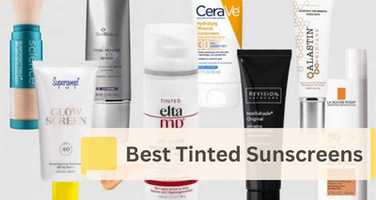
The best tinted sunscreen combines effective UV protection with a natural-looking tint that enhances skin tone. Dermatologists often recommend products like EltaMD UV Clear Tinted Broad-Spectrum SPF 46 for its lightweight, non-greasy formula and mineral-based protection. Another top choice is the La Roche-Posay Anthelios Tinted Mineral Ultra Fluid SPF 50, known for its high SPF, smooth application, and sheer, universal tint. Both options are praised for their broad-spectrum protection and skin-friendly ingredients, making them suitable for daily use.
How to Choose the Best Tinted Sunscreens?
To choose the best tinted sunscreen, consider the following brief guidelines:
- Skin Type: Pick a formula suited to your skin type (oily, dry, combination, sensitive) to ensure comfort and effectiveness.
- SPF Rating: Opt for a sunscreen with an SPF of 30 or higher for adequate protection.
- Broad Spectrum: Ensure it offers broad-spectrum protection to guard against both UVA and UVB rays.
- Tint Match: Choose a shade that matches your skin tone for a natural look.
- Ingredients: Look for added skincare benefits like hydration, antioxidants, or anti-aging properties, depending on your needs.
- Non-comedogenic: If you have acne-prone skin, ensure the product is non-comedogenic to avoid clogging pores.
- Preferences: Consider your texture, finish (matte or dewy), and composition (mineral vs. chemical filters).
Selecting a product that aligns with these criteria will help you find a tinted sunscreen that not only protects your skin from the sun but also enhances your complexion and fits seamlessly into your skincare routine.
Conclusion:
In summary, tinted sunscreens are more than just cosmetic products; they can offer added sun protection while improving your skin's appearance and concealing imperfections. However, before purchasing one, you should consider several factors, such as your skin type, the level of sun protection, and the amount to apply. By following these tips, you can find the tinted sunscreen that suits you best and enjoy its benefits. Whether you're looking for a minimal makeup look or seeking a daily sunscreen that does more, tinted sunscreen is worth considering.




Share Your Opinion, Please