
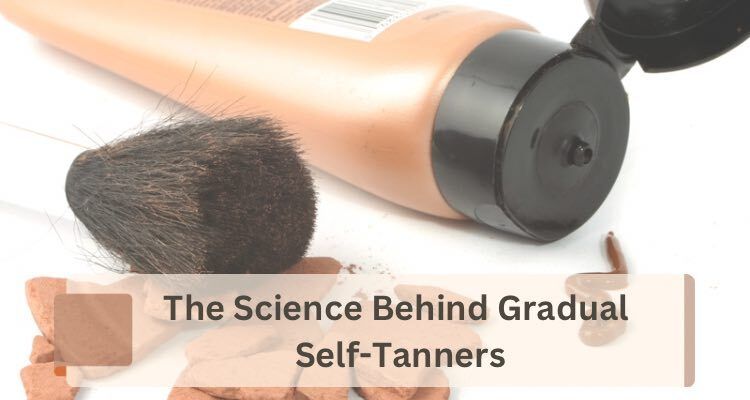
Gradual self-tanners are becoming an increasingly popular choice for those who want a sun-kissed glow without the immediate, sometimes overwhelming, effects of traditional self-tanners. But what sets gradual self-tanners apart from their faster-acting counterparts? How do they achieve a slow, natural-looking tan over time? This article explores the science behind gradual self-tanners, explaining how they work, their active ingredients, and why they are a gentler option for tanning.
What Are Gradual Self Tanners?
What Makes Gradual Self Tanners Different?
Gradual self-tanners are lotions, creams, or mousses that contain a lower concentration of the active tanning ingredient found in all self-tanners: dihydroxyacetone (DHA). While traditional self-tanners provide an immediate, deep tan within a few hours, gradual tanners work more subtly, developing color over several applications. This controlled approach allows users to build their desired shade slowly, creating a more natural-looking tan while minimizing the risk of streaks or uneven patches.
The Role of DHA: The Key Ingredient
What is DHA?
Dihydroxyacetone (DHA) is a simple carbohydrate that is derived from natural sources, such as sugar beets or sugar cane. It’s the primary ingredient responsible for the tanning effect in both traditional and gradual self-tanners. DHA reacts with the amino acids in the outermost layer of the skin, the stratum corneum, to produce a browning effect.
When applied, DHA doesn’t actually "stain" the skin; rather, it triggers a chemical reaction that causes the proteins in dead skin cells to turn brown. This is why self-tanners work on the surface layer of the skin, which sheds naturally over time.
How DHA Works in Gradual Self Tanners?
In gradual self-tanners, the concentration of DHA is much lower than in traditional formulas, usually ranging between 1-3%. This reduced level of DHA allows for slower development of color, as opposed to the rapid, more intense reaction seen in regular self-tanners. With each application of a gradual self-tanner, more DHA builds up on the skin, darkening the complexion over time. The effect is gradual, giving users control over how dark their tan becomes.
The Science of Skin Tone Development
The Maillard Reaction: A Chemical Process
The tanning effect produced by DHA is a result of the Maillard reaction, a process similar to what happens when food browns in an oven. When DHA interacts with the amino acids in the outermost layer of skin cells, a series of chemical reactions occur, producing melanoidins—brown-colored compounds that give the skin its tanned appearance.
This reaction begins within 2 to 4 hours after application and can continue to develop over 24 to 72 hours. The slower rate of the Maillard reaction in gradual tanners, due to lower DHA concentrations, is why the tan builds up subtly with repeated use.
The Stratum Corneum: Why the Tan Is Temporary
The stratum corneum is the top layer of the epidermis, consisting of dead skin cells that are in the process of shedding. The tan from DHA only affects this outer layer of the skin, meaning it’s not a permanent tan. As the skin naturally exfoliates and sheds, the tanned cells are gradually removed, causing the tan to fade. This is why tans from both traditional and gradual self-tanners are temporary, lasting about 5 to 7 days, depending on the individual’s skin renewal cycle.
Why Gradual Tanners Are Less Intimidating
Buildable Color: A Subtle Approach to Tanning
One of the primary reasons people opt for gradual self-tanners is the control they offer over the final tan. With traditional self-tanners, the tan develops quickly and can sometimes be too dark or uneven. Gradual self-tanners, on the other hand, allow for a more subtle approach. You can apply the product daily or every other day, stopping once you’ve reached your desired level of tan.
Fewer Streaks and Blotches
The lower DHA concentration in gradual self-tanners also reduces the risk of streaks and uneven patches. Because the color builds up slowly over time, any missed spots are less noticeable, and it’s easier to correct small mistakes before they become obvious.
Other Key Ingredients in Gradual Self-Tanners
Hydrating Agents: Moisturizers and Humectants
One of the benefits of gradual self-tanners is that they often double as moisturizers. Many formulas include hydrating agents such as aloe vera, shea butter, and hyaluronic acid, which help to keep the skin soft and supple. This added hydration prevents the skin from drying out, which is a common issue with traditional self-tanners. Well-hydrated skin ensures that the tan fades more evenly and smoothly.
Anti-Aging and Skin Nourishing Ingredients
Many gradual self-tanners contain additional skin-nourishing ingredients like vitamins C and E, antioxidants, and botanical extracts. These ingredients not only improve the overall health of the skin but also help protect it from environmental stressors. The combination of these beneficial ingredients with the gentle tanning effect makes gradual self-tanners a multi-tasking product.
The Importance of Application Technique
Exfoliation: Preparing the Skin for an Even Tan
Exfoliating before applying a gradual self-tanner is essential for achieving an even tan. Dead skin cells build up on the surface of the skin, and if not removed, they can cause patchiness or uneven color. Gently exfoliating the skin ensures that the self-tanner is applied to a smooth surface, allowing for a more uniform tan.
- Step 1: Use a gentle exfoliating scrub or mitt to buff away dead skin, focusing on areas prone to dryness, such as the knees, elbows, and ankles.
- Step 2: After exfoliating, moisturize the skin to keep it hydrated and create an even base for the self-tanner.
Layering: Building the Perfect Tan
Gradual self-tanners work best when applied in thin, even layers. Start with a light application, using circular motions to blend the product into the skin. Depending on the depth of tan you want, you can apply the product daily or every few days until you achieve your desired result.
| Tip: For best results, wait at least 10 minutes after application before getting dressed to allow the product to fully absorb into the skin. |
Benefits of Using Gradual Self Tanners
Natural-Looking Tan
Because the color develops slowly, gradual self-tanners tend to produce a more natural-looking tan compared to traditional self-tanners. The buildable nature of the tan allows you to achieve a glow that matches your skin tone, rather than a stark, overly dark tan.
Longer-Lasting Results
Gradual tanners can also provide longer-lasting results because the color builds up over time and fades more evenly. Regular application helps maintain the tan, and since the product is typically moisturizing, it keeps the skin hydrated, preventing the patchiness that can occur as the tan fades.
Conclusion
Gradual self-tanners offer a gentle, buildable approach to achieving a sun-kissed glow without the risks of sun damage or the intensity of traditional self-tanners. By understanding how the active ingredient DHA interacts with your skin and using proper application techniques, you can enjoy a natural-looking, streak-free tan that develops over time. The added benefits of moisturizing ingredients and customizable color make gradual self-tanners an ideal choice for both beginners and seasoned tanners alike.
Final Thoughts
The science behind gradual self-tanners is rooted in their ability to provide a controlled, subtle tan by using lower concentrations of DHA. With added benefits like hydration and ease of use, they allow for a flawless, even tan that suits any skin type or tone. Whether you're new to self-tanning or looking for a more low-maintenance option, gradual self-tanners offer a safe, effective way to achieve your ideal glow.




Share Your Opinion, Please