
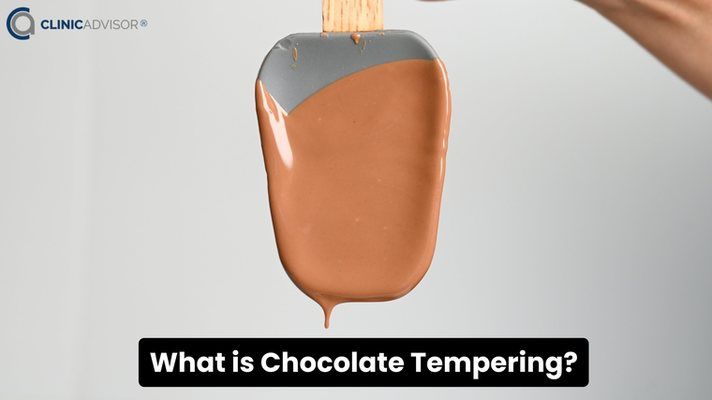
In the world of confectionery, especially in the art of making chocolate, we always hear chocolatiers mentioning the word ''tempering''. But what does chocolate tempering mean, why is it important and how is it done? You will find the answers to all of these questions in this comprehensive guide.
What is Chocolate Tempering?
Tempering is a method of heating and cooling chocolate at certain temperatures to stabilize it for making chocolate candies and confections. Thanks to this method chocolate becomes very smooth, has a glossy finish, and gets a perfect crisp snap without crumbling.
Why is Tempering Important?
Tempering is a very important step in making chocolate as it ensures the quality of chocolate by preventing the cocoa butter from crystallizing incorrectly. In addition to that properly tempered chocolate gives us a firm and smooth texture with a shiny surface free from bloom—these are the white spots caused by the fat or sugar rising to the surface of chocolate.
What Happens If Chocolate Is Not Tempered?
If chocolate is not tempered this will result in a dull and spotty appearance, with a grainy texture and it crumbles or bends easily when broken.
Which Equipment Are Needed for Chocolate Tempering?
The tools required for tempering chocolate should be chosen with much care to ensure precision and quality. They include:
- A thermometer.
- A heat source.
- A marble slab or a tempering machine.
How is Chocolate Tempering Done?
Tempering involves three key steps:
- Melting the chocolate.
- Cooling it down.
- And gently reheating it.
Precision in this process is very vital to yield the best results and highest quality.
What Is the Right Temperature for Tempering Different Types of Chocolate?
Temperature is an important factor when tempering chocolate. It basically starts with heating the chocolate at a certain temperature until it melts, then cooling it down, and finally reheating it to a suitable working temperature. However, each type of chocolate requires a different temperature. For instance, the temperature required to melt, cool, and reheat chocolate is explained below:
- Milk Chocolate: Requires a careful balance typically melted to 45-50°C (113-122°F), colled to 27-28 °C (81-82°F), and reheated to 29-30 °C (84-86 °F).
- Dark Chocolate: Needs a slightly higher temperature, it's melted at around 50-55°C (122-131°F), cooled to 28-29 °C (82-84 °F), and reheated to 31-32 °C (88-90 °F).
- White Chocolate: Delicate and creamy chocolates like white chocolate are usually melted at 45-50°C (113-122°F), cooled to 26-27 °C (79-81 °F) and reheated to 28-29 °C (82-84 °F).
| Tempering /Temperature | Dark Chocolate | Milk Chocolate | White Chocolate |
| Temperature 1: Melt | 50-55°C (122-131°F) | 45-50°C (113-122°F) | 45-50°C (113-122°F) |
| Temperature 2: Cool | 28-29 °C (82-84 °F) | 27-28 °C (81-82°F) | 26-27 °C (79-81 °F) |
| Temperature 3: Reheat | 31-32 °C (88-90 °F) | 29-30 °C (84-86 °F) | 28-29 °C (82-84 °F) |
What Are the Methods of Tempering Chocolate?
Chocolate tempering when done right gives us the best shine, snap, and texture. Here are the most common methods of chocolate tempering:
Seeding Method
The seeding method involves adding small pieces of already tempered, solid chocolate to untempered melted chocolate. The 'seeds' act as a blueprint for the melted chocolate, encouraging it to set in the same stable crystalline form. It’s similar to using a template to replicate a particular design accurately.
Tabling Method
Here, two-thirds of the chocolate is first melted using a double boiler (make sure the pan is heatproof). It's then cooled on the marble slab scraping it back and forth with a spatula or a scraper to drop the temperature. This movement cools the chocolate down and helps it to start crystallizing. After that, the tempered chocolate is added back into the remaining third of the melted chocolate to even out the temperature. It's like mixing a fresh ingredient into a cooked dish to cool it down quickly.
Tempering Machine Method
For those who value consistency and convenience, a tempering machine automates the process. The machine heats and cools the chocolate to specific temperatures, then reheats it slightly to achieve the perfect temper. It's like having a smart oven that can bake, cool, and then warm your food to just the right temperature.
Each of these methods aims to give us a chocolate that is smooth, glossy, and has a firm bite. Choosing the right method depends on the chocolatier's preference, the quantity of chocolate, and the desired outcome.





Share Your Opinion, Please