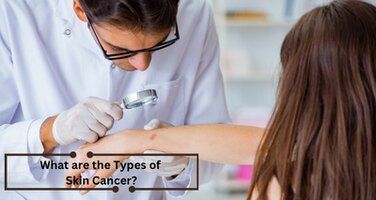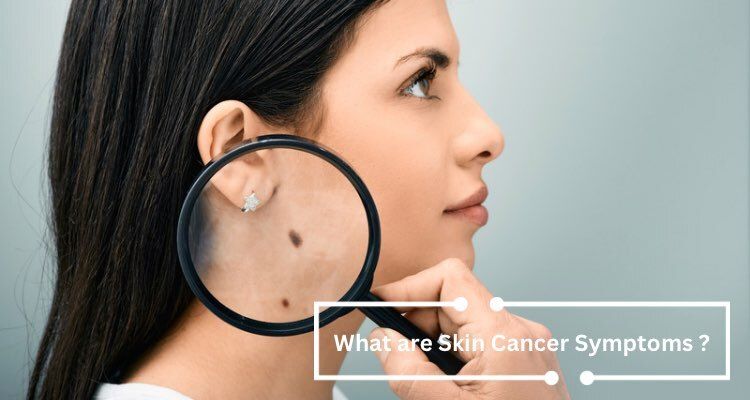
Skin cancer is the most common type of cancer worldwide, affecting millions of people each year. Despite its prevalence, it is also one of the most preventable and, if caught early, treatable forms of cancer. Understanding the symptoms and being vigilant about changes in your skin can significantly increase the chances of successful treatment.
This guide will help you identify the key signs and symptoms of skin cancer, including the critical ABCDE mnemonic for melanoma detection. By familiarizing yourself with these warning signs, you can take proactive steps to monitor your skin and seek medical advice when necessary. Early detection is your best defense against skin cancer.
1. Changes in Existing Moles or Spots
- Asymmetry: One half of the mole or spot does not match the other half.
- Border: The edges are irregular, ragged, notched, or blurred.
- Color: The color is not uniform and may include shades of brown, black, pink, red, white, or blue.
- Diameter: The spot is larger than 6mm across (about the size of a pencil eraser), although some melanomas can be smaller.
- Evolving: The mole or spot changes in size, shape, or color over time.
2. New Growths or Sores That Don’t Heal
- Sores or lesions: A sore that doesn’t heal within a few weeks, or one that heals and then reopens.
- Bumps: A shiny, pearly bump or nodule that is often pink, red, or white.
- Scaly patches: Rough or scaly red patches that might crust or bleed.
3. Unusual Sensations or Changes in the Skin
- Itchiness: Persistent itching in one area.
- Tenderness or Pain: Areas of the skin that are tender, painful, or sensitive.
- Changes in Sensation: Numbness or a change in how the skin feels.
4. Types of Skin Cancer and Their Specific Symptoms
- Basal Cell Carcinoma:
- Pearly or waxy bumps.
- Flat, flesh-colored or brown scar-like lesions.
- Bleeding or scabbing sores.
- Squamous Cell Carcinoma:
- Firm, red nodules.
- Flat lesions with a scaly, crusted surface.
- Melanoma:
- Large brownish spots with darker speckles.
- Moles that change in color, size, or feel, or that bleed.
- Small lesions with an irregular border and portions that appear red, pink, white, blue, or blue-black.
5. Other Less Common Symptoms
- Merkel Cell Carcinoma: Fast-growing, painless nodule on the skin.
- Kaposi Sarcoma: Red or purple patches on the skin or mucous membranes.
ABCDE of Melanoma Detection
|
When to Consult a Dermatologist
If you notice any of these ABCDE characteristics or any other changes in your skin, it's crucial to consult a dermatologist. Early detection and treatment of melanoma can significantly improve the prognosis.
Regular self-examinations and annual check-ups with a dermatologist can help catch skin cancer early, when it is most treatable.
Prevention Tips
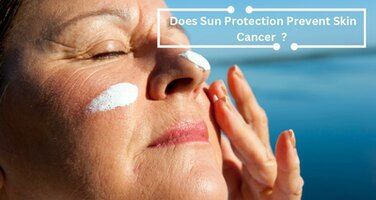
- Use sunscreen with a high SPF.
- Wear protective (UPF) clothing and hats.
- Avoid tanning beds, instead opt for the use of self-tanners.
- Seek shade during peak sun hours.
- Regularly check your skin for changes.
Early detection and prevention are key in the fight against skin cancer. Stay vigilant and proactive about your skin health.