Sun protection plays a crucial role in preventing skin cancer. Ultraviolet (UV) radiation from the sun is a significant risk factor for all types of skin cancer, including basal cell carcinoma, squamous cell carcinoma, and melanoma. By protecting your skin from UV radiation, you can significantly reduce your risk of developing skin cancer. Here’s how sun protection works and why it’s so important:
How UV Radiation Causes Skin Cancer
UV radiation damages the DNA in skin cells. When this damage affects the genes that control cell growth and division, it can lead to cancer. There are two main types of UV rays that affect the skin:
- UVA Rays: These penetrate deeply into the skin and can contribute to photoaging and long-term damage.
- UVB Rays: These primarily affect the skin’s outer layers and are responsible for sunburns. Both types of UV rays can cause skin cancer.
The Ways Sun Exposure Causes Different Types of Skin Cancer
Sun exposure, specifically ultraviolet (UV) radiation, is a major risk factor for all types of skin cancer. UV radiation damages the DNA in skin cells, which can lead to uncontrolled cell growth and the development of cancer. Here’s how sun exposure contributes to the three main types of skin cancer: basal cell carcinoma (BCC), squamous cell carcinoma (SCC), and melanoma.
Basal Cell Carcinoma (BCC)
Mechanism of Damage:
- UV Exposure: Chronic exposure to UV radiation, particularly UVB rays, causes direct DNA damage in the basal cells of the epidermis (the skin's outer layer). These cells are responsible for producing new skin cells as old ones die off.
- DNA Mutations: UV-induced DNA damage can lead to mutations in genes that control cell growth and division. One common mutation involves the PTCH1 gene, part of the pathway regulating cell growth.
Development:
- Slow Growth: BCC typically grows slowly and is less likely to spread (metastasize) compared to other skin cancers.
- Appearance: It often appears as a pearly or waxy bump, a flat, flesh-colored or brown scar-like lesion, or a sore that heals and then reopens.
Risk Factors:
- Cumulative UV Exposure: Risk increases with the total amount of sun exposure over a person’s lifetime, making it more common in older adults and those with occupations involving outdoor work.
Squamous Cell Carcinoma (SCC)
Mechanism of Damage:
- UV Exposure: Both UVA and UVB rays can contribute to the development of SCC. UVB rays cause direct DNA damage, while UVA rays generate reactive oxygen species that can indirectly damage DNA.
- DNA Mutations: UV radiation can lead to mutations in the TP53 gene, which normally helps to suppress tumors by controlling cell division and promoting DNA repair.
Development:
- Moderate Growth: SCC tends to grow more rapidly than BCC and can spread to other parts of the body if not treated.
- Appearance: SCC often appears as a firm, red nodule, a flat lesion with a scaly, crusted surface, or a sore that doesn’t heal.
Risk Factors:
- Cumulative and Intense UV Exposure: Chronic sun exposure, as well as intense, intermittent exposure leading to sunburns, increases the risk. It is also more common in areas of the body frequently exposed to the sun, like the face, ears, neck, and hands.
Melanoma
Mechanism of Damage:
- UV Exposure: Intermittent, intense UV exposure, especially leading to sunburns, is a major risk factor. Both UVA and UVB rays are implicated in causing melanoma.
- DNA Mutations: UV radiation can lead to mutations in several genes, including BRAF and NRAS, which are involved in cell growth and proliferation. These mutations can cause melanocytes (the cells that produce pigment) to grow uncontrollably.
Development:
- Rapid Growth: Melanoma can grow quickly and is more likely to spread to other parts of the body, making it the most dangerous form of skin cancer.
- Appearance: It often starts as a change in an existing mole or as a new, unusual growth. Melanomas can be brown, black, pink, red, purple, blue, or white and may have an irregular shape or border.
Risk Factors:
- Intense, Intermittent UV Exposure: Severe, blistering sunburns, particularly in childhood, significantly increase the risk of melanoma. Fair-skinned individuals with many moles are also at higher risk.
Effective Sun Protection Strategies
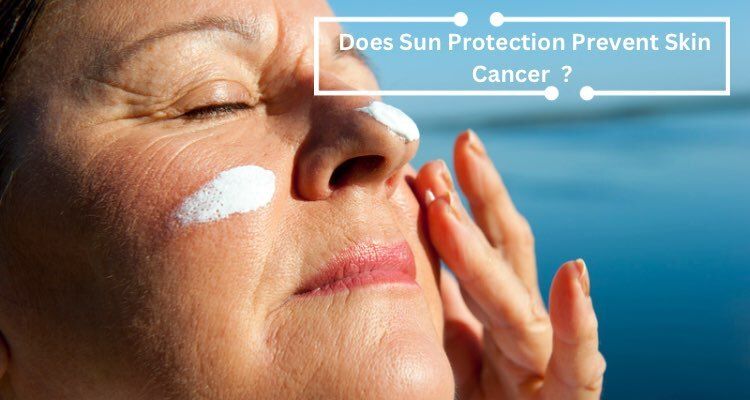
Use Sunscreen: Applying a broad-spectrum sunscreen with an SPF of at least 30 can block most harmful UV rays. Broad-spectrum sunscreens protect against both UVA and UVB rays. It’s important to apply sunscreen generously and reapply every two hours, or more often if you’re swimming or sweating.
Wear Protective Clothing: Clothing can provide a physical barrier against UV radiation. Long-sleeved shirts, long pants, wide-brimmed hats, and sunglasses offer good protection. Clothing with a UPF (Ultraviolet Protection Factor) rating provides even more effective sun protection.
Seek Shade: Whenever possible, stay in the shade, especially during peak sun hours from 10 a.m. to 4 p.m. Trees, umbrellas, and shelters can reduce your exposure to direct sunlight.
Avoid Tanning Beds: Tanning beds emit UV radiation that can increase your risk of skin cancer. Opt for safer alternatives like self-tanning products if you want a tanned look.
Be Aware of Reflected UV Rays: UV rays can reflect off surfaces like water, sand, snow, and concrete, increasing your exposure. Take extra precautions in these environments by using additional sun protection.
The Importance of Consistent Sun Protection
Consistent sun protection is essential because the effects of UV radiation are cumulative. Even small amounts of unprotected sun exposure can add up over time, increasing your risk of skin cancer. Starting sun protection habits early in life and maintaining them throughout your lifetime is crucial for reducing your overall risk.
Benefits of Sun Protection Beyond Cancer Prevention
In addition to reducing the risk of skin cancer, effective sun protection also helps prevent other forms of skin damage, such as:
- Premature Aging: UV exposure can lead to wrinkles, age spots, and loss of skin elasticity.
- Sunburn: Preventing sunburn not only reduces immediate discomfort but also lowers the risk of skin cancer.
- Eye Damage: Sunglasses that block UV rays help prevent cataracts and other eye damage.
By adopting sun protection strategies, you can significantly reduce your risk of skin cancer and maintain healthier skin overall. Remember, the key to effective sun protection is consistency and vigilance. Make sun protection a daily habit to ensure your skin stays safe from the harmful effects of UV radiation.