Hair loss is a common concern affecting millions of people worldwide. Laser caps, utilizing low-level laser therapy (LLLT), have become a popular and effective solution for promoting hair growth. Whether you are considering purchasing a laser cap or have already begun using one, understanding the timeline of hair growth progress can help you manage your expectations and stay motivated throughout the process. In this comprehensive guide, we’ll explore what you can expect from laser caps step by step and address topics like reviews, side effects, and the best laser caps for hair growth.
How Laser Caps Work
Laser caps deliver LLLT to the scalp, stimulating hair follicles by increasing blood flow and encouraging the production of cellular energy (ATP). This rejuvenates dormant hair follicles, prolongs the growth phase (anagen phase), and reduces hair shedding. The FDA has cleared many laser caps for their safety and efficacy, making them a reliable option for both men and women.
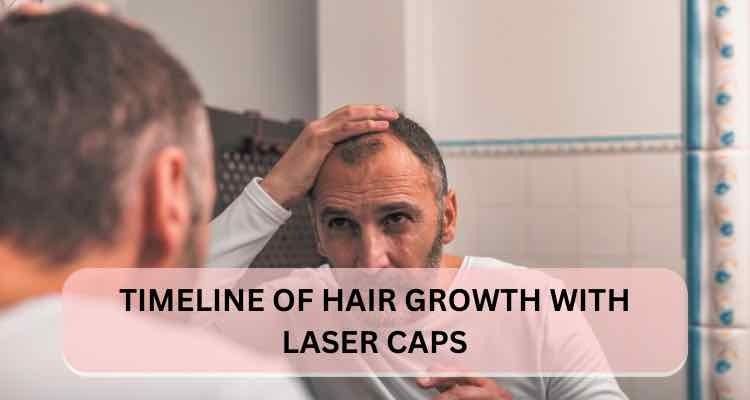
Step-by-Step Timeline: Hair Growth Progress with Laser Caps
Week 1-4: Initial Adjustments
What's Happening: During the first month, laser caps stimulate blood circulation in the scalp. Most users have not noticed visible changes yet, but the groundwork for hair regrowth is being laid. Some users may experience mild shedding as weak hairs are replaced with healthier ones.
Common Experiences:
- Slight tingling or warmth during sessions.
- Initial shedding, which is a positive sign that the treatment is working.
Tips: Stay consistent with your sessions (typically 3-4 times per week for 15-30 minutes) and avoid overuse.
Month 2-3: Reduced Hair Shedding
What’s Happening: Users often notice reduced hair shedding by the second or third month. Hair strands may feel thicker and stronger. Follicles previously in the resting phase (telogen phase) start transitioning into the growth phase.
Common Experiences:
- Noticeably less hair falling out during washing or brushing.
- Scalp may feel healthier, and itchiness (if present) may subside.
Month 4-6: Initial Hair Regrowth
What’s Happening: During this period, new hair growth becomes visible. Fine, baby hairs may appear in areas that were previously thinning. Existing hair may also look denser and healthier.
Common Experiences:
- Small, soft hairs emerging in bald or thinning areas.
- Improved hair texture and shine.
Month 6-9: Significant Hair Growth
What’s Happening: By month six, users often see significant improvements in hair density. New growth is more noticeable, and thinning areas start to blend with the rest of the hair.
Common Experiences:
- Thicker hair in problem areas.
- More balanced hairline and improved coverage.
Month 9-12: Full Results
What’s Happening: By the end of the first year, users typically achieve optimal results. Hair regrowth peaks, and the newly grown hair blends seamlessly with existing strands. Continuous use helps maintain these results.
Common Experiences:
- Full coverage in previously thinning areas.
- Overall healthier, denser, and stronger hair.
Laser Caps Hair Growth Expectations Reviews
Laser caps have garnered positive reviews from both men and women. Here’s what users often highlight:
- Ease of Use: Hands-free designs make it easy to incorporate into daily routines.
- Results Timeline: Noticeable changes typically occur after 3-6 months, with optimal results around 12 months.
- User Satisfaction: Most users report improved confidence and satisfaction with their hair after consistent use.
Laser Cap for Hair Growth Side Effects
While laser caps are generally safe, it’s important to be aware of potential side effects:
- Mild scalp irritation, such as redness or itchiness.
- Temporary shedding as weak hairs are replaced with stronger growth.
- Headache or discomfort from prolonged use or a poor fit.
How to Minimize Side Effects: Follow the manufacturer’s recommended usage schedule, ensure the cap fits comfortably, and consult a dermatologist if irritation persists.
Choosing the Best Laser Cap for Hair Growth
What to Look For:
- Laser Diodes: Devices with more diodes offer better scalp coverage and results.
- FDA Clearance: Ensure the cap is FDA-cleared for safety and efficacy.
- User Reviews: Check testimonials and before-and-after photos for real-world results.
- Warranty and Support: Look for a product with a strong warranty and reliable customer support.
Final Thoughts
Using a laser cap for hair growth requires patience and consistency, but the results can be transformative. By following a regular treatment schedule and choosing the right device, you can expect healthier, thicker hair over time. Whether you’re dealing with moderate thinning or advanced hair loss, laser caps offer a proven, non-invasive solution to restore your hair and confidence.