

Coconut oil has earned its reputation as a natural remedy for scalp issues, but what is the science behind its benefits? This article explores how coconut oil combats dryness, itching, and irritation on the scalp, offering an evidence-based look at how it promotes a healthy scalp environment.
1. Moisturizing and Protecting the Scalp
Coconut oil is rich in fatty acids, particularly lauric acid, which has a high affinity for proteins in the hair and scalp. This allows the oil to deeply penetrate the skin, providing much-needed moisture to combat dryness. Research has shown that coconut oil can significantly reduce water loss from the skin, making it an excellent option for those struggling with a dry or flaky scalp.
By moisturizing and creating a protective barrier, coconut oil not only hydrates but also prevents further moisture loss, which is essential for maintaining long-term scalp health.
2. Anti-inflammatory Properties Relieve Itching
One of the key components of coconut oil's effectiveness is its anti-inflammatory properties. Lauric acid, capric acid, and other medium-chain fatty acids found in coconut oil have been shown to reduce inflammation on the skin, including the scalp. This makes coconut oil especially effective in soothing itchy or irritated scalps, often caused by dryness, dandruff, or even certain skin conditions like psoriasis or eczema.
Experts recommend applying coconut oil regularly to relieve itching while maintaining a healthy scalp microbiome.
3. Antimicrobial Effects Help Fight Irritation
Coconut oil’s antimicrobial properties are another reason it excels in scalp care. Lauric acid, in particular, has been found to inhibit the growth of harmful bacteria and fungi, including those responsible for scalp infections and dandruff. These microbes can exacerbate irritation, leading to redness and discomfort.
By creating a hostile environment for these harmful organisms, coconut oil helps reduce the risk of scalp infections and irritation, making it an excellent natural remedy for maintaining a clean and balanced scalp.
4. Supporting the Scalp's Natural Barrier
The scalp’s natural lipid barrier plays a crucial role in protecting it from environmental aggressors, such as pollution and harsh weather conditions. When this barrier is compromised, it can lead to dryness, irritation, and even hair thinning. Coconut oil works to support this barrier by replenishing lipids and locking in moisture, thus creating a stronger defense against potential scalp issues.
Dermatologists highlight that maintaining a healthy scalp barrier is key to preventing long-term scalp irritation and promoting overall scalp health.
Guidelines for Using Coconut Oil for Scalp Health
To effectively incorporate coconut oil into your scalp care routine, follow these tips:
- Use cold-pressed, organic coconut oil: This ensures you are using a product that retains all its beneficial properties without any chemical additives.
- Massage gently: Apply a small amount of coconut oil to your scalp and massage it in using circular motions. This will stimulate blood circulation, further promoting scalp health.
- Use regularly: For those with ongoing scalp issues, using coconut oil 2-3 times a week can help maintain hydration and soothe any persistent dryness or itching.
- Pair with essential oils: Adding a few drops of tea tree or lavender oil to coconut oil can enhance its antimicrobial and soothing properties, particularly if you are dealing with dandruff or scalp irritation.
Does Coconut Oil Work for All Scalp Types?
Coconut oil and high-quality coconut oil-based shampoos can benefit most scalp types, but it’s especially effective for those suffering from dry or irritated scalps. However, individuals with very oily or fine hair may find that it weighs down their hair, so it’s essential to use it sparingly or opt for lighter oils like jojoba or grapeseed.
Can Coconut Oil Help with Dandruff?
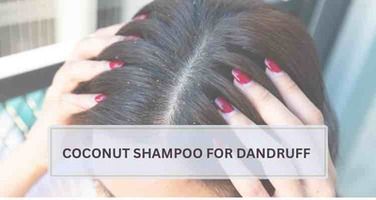
Yes, coconut oil’s antimicrobial properties make it effective in treating dandruff caused by fungal infections. It helps to reduce the growth of Malassezia yeast, which is often responsible for dandruff. Regular use can decrease flaking and restore balance to the scalp.
Final Thoughts on Coconut Oil for Scalp Health
Coconut oil offers a science-backed solution to many common scalp issues, from dryness and itching to irritation and dandruff. Its moisturizing, anti-inflammatory, and antimicrobial properties make it a versatile and natural remedy for promoting scalp health. Incorporating coconut oil into your routine, with proper usage and application, can support a balanced and healthy scalp environment.
FAQs
Does coconut oil clog scalp pores?
No, coconut oil does not typically clog pores unless overused. Applying the right amount and ensuring proper rinsing can prevent any buildup.
Can coconut oil make the scalp greasy?
For those with oily scalps, using too much coconut oil can result in a greasy appearance. It's important to use it in moderation and rinse thoroughly.
Is coconut oil good for treating scalp eczema?
Yes, thanks to its anti-inflammatory and moisturizing properties, coconut oil can be beneficial for people suffering from scalp eczema.
How often should I use coconut oil on my scalp?
For best results, use coconut oil 2-3 times per week, depending on the severity of your scalp condition.
What should I pair with coconut oil for scalp treatment?
Essential oils like tea tree or rosemary can enhance coconut oil’s benefits by adding extra antimicrobial or soothing properties to your scalp care routine.




Share Your Opinion, Please