
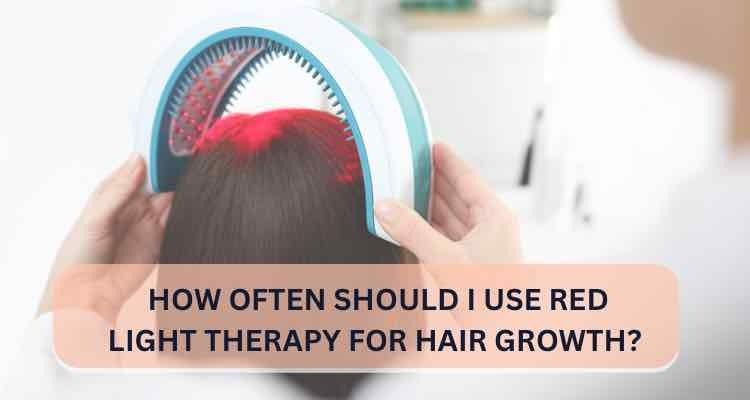
Hair loss affects millions of people worldwide, prompting the search for effective, non-invasive solutions. One increasingly popular treatment is red light therapy, a painless method that uses low-level laser or LED light to stimulate hair growth. But how often should you use red light therapy to see results, and is it effective?
In this article, we'll explore how red light therapy works, its benefits for hair growth, and the recommended frequency of use to achieve the best outcomes.
What Is Red Light Therapy for Hair Growth?
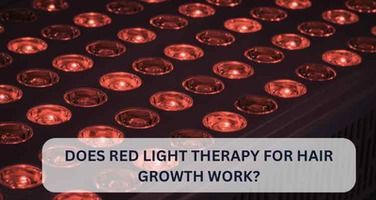
Red light therapy, also known as low-level laser therapy (LLLT), involves exposing the scalp to specific wavelengths of light, typically in the red and near-infrared spectrum (630-670 nm). These wavelengths are absorbed by the skin and underlying tissues, stimulating cellular activity and promoting hair follicle health.
The therapy increases blood flow to the scalp, delivering essential nutrients and oxygen to hair follicles. This improved circulation can help activate dormant follicles, slow hair loss, and encourage new hair growth.
How Does Red Light Therapy Work for Hair Growth?
Red light therapy for hair growth relies on photobiomodulation, a process where light energy is absorbed by cells and used to enhance their function. Here's how it supports hair growth:
- Increases ATP Production: Red light stimulates mitochondria, the “powerhouses” of cells, boosting ATP (adenosine triphosphate) production. ATP is essential for cellular energy and repair.
- Improves Blood Circulation: Enhanced blood flow ensures hair follicles receive the nutrients and oxygen needed for optimal growth.
- Reduces Inflammation: Red light therapy helps reduce inflammation in the scalp, creating a healthier environment for hair follicles to thrive.
- Promotes Follicle Stimulation: Red light therapy stimulates dormant hair follicles, encouraging them to enter the hair cycle's growth (anagen) phase.
How Often Should You Use Red Light Therapy for Hair Growth?
The frequency of red light therapy sessions depends on the device used and the severity of individual hair loss. Generally, most experts recommend:
- 3-5 Sessions Per Week: Using red light therapy 3-5 times weekly is optimal for most people. Sessions typically last 10-20 minutes, depending on the device and its specifications.
- Consistency Is Key: Consistency is crucial for noticeable results. Regular use over several months is necessary to significantly improve hair growth and density.
- Long-Term Use: While initial improvements may appear after 3-6 months, ongoing use may be required to maintain results, especially for individuals with androgenetic alopecia or chronic hair loss conditions.
Benefits of Red Light Therapy for Hair Growth
Red light therapy offers numerous benefits for individuals experiencing hair loss or thinning. Here are the key advantages:
1. Non-Invasive and Painless
Red light therapy is a safe, non-invasive treatment that doesn’t involve surgery, needles, or discomfort.
2. No Downtime
Unlike more invasive procedures, red light therapy requires no recovery time. You can incorporate it into your routine without disruption.
3. Improves Hair Density
Regular sessions can increase hair density and thickness by stimulating hair follicles and enhancing growth cycles.
4. Supports Scalp Health
By improving blood flow and reducing inflammation, red light therapy creates a healthier scalp environment, essential for sustained hair growth.
5. Safe for Most People
Red light therapy is generally well-tolerated and safe for most individuals, with minimal side effects.
Are There Any Risks or Side Effects?
While red light therapy is considered safe, there are a few precautions to keep in mind:
- Temporary Scalp Redness: Some users may experience mild redness or warmth on the scalp after sessions, which typically resolves quickly.
- Overuse: Excessive use of red light therapy may lead to diminishing returns, so it's important to follow the recommended guidelines.
- Not a Cure-All: While effective for many, red light therapy may not work for everyone, particularly those with advanced hair loss or inactive hair follicles.
Tips for Maximizing Results with Red Light Therapy
- Choose a High-Quality Device: Ensure your device emits wavelengths in the red and near-infrared range (630-670 nm).
- Be Patient: Hair growth takes time, so don’t expect immediate results. Stick to your routine consistently for several months.
- Follow Manufacturer Guidelines: Each device may have specific instructions for use. Adhering to these guidelines ensures safety and effectiveness.
- Maintain a Healthy Lifestyle: Combine red light therapy with a balanced diet, stress management, and proper hair care for the best outcomes.
Conclusion
Red light therapy offers a promising solution for those experiencing hair thinning or early-stage hair loss. By stimulating hair follicles, improving scalp health, and increasing blood flow, it encourages hair growth in a non-invasive, painless way. For optimal results, consistency is key—most people benefit from using red light therapy 3-5 times per week over several months.
While red light therapy isn’t a miracle cure, it can be an excellent addition to a comprehensive hair restoration plan. As with any treatment, consult with a healthcare provider or hair specialist to determine if it’s the right option for you and to explore complementary therapies for achieving your hair growth goals.
FAQs About Red Light Therapy for Hair Growth
1. When will I see results with red light therapy?
Most users notice improvements in hair density and thickness after 3-6 months of consistent use. Results may vary depending on the severity of hair loss and adherence to the recommended treatment plan.
2. Can I use red light therapy every day?
Daily use may be safe with some devices, but most experts recommend limiting sessions to 3-5 times per week to allow the scalp to recover and respond optimally to the treatment.
3. Does red light therapy work for everyone?
Red light therapy is most effective for individuals with early-stage hair loss or thinning. It may be less effective for those with advanced baldness or scarring alopecia.
4. Can I combine red light therapy with other treatments?
Yes, red light therapy can enhance overall results when used alongside other treatments like minoxidil, finasteride, or PRP therapy.
Low-Level Laser Therapy (LLLT) devices for hair growth are classified by the U.S. Food and Drug Administration (FDA) as
Class II medical devices, requiring 510(k) clearance.
Before purchasing any LLLT product—whether it’s a laser cap, helmet, or comb—please take the following steps:LLLT Devices Disclaimer


Share Your Opinion, Please