Skin cancer is one of the most common types of cancer, but the good news is that many cases can be prevented. By taking proactive steps to protect your skin from harmful ultraviolet (UV) radiation and maintaining overall skin health, you can significantly reduce your risk of developing skin cancer. Here’s how:
1. Limit UV Exposure
- Avoid Peak Sun Hours: UV rays are strongest between 10 a.m. and 4 p.m. During these hours, try to stay indoors or in the shade.
- Seek Shade: When outdoors, seek shade under umbrellas, trees, or other shelters, especially during peak sun hours.
- Avoid Tanning Beds: Tanning beds expose your skin to intense UV radiation, increasing your risk of skin cancer.
2. Use Sun Protection
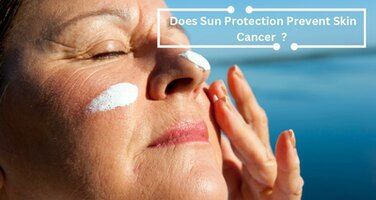
- Wear Sunscreen: Apply a broad-spectrum sunscreen with an SPF of at least 30. Make sure to reapply every two hours, and more often if swimming or sweating.
- Protective (UPF) Clothing: Wear clothing that covers your skin, such as long-sleeved shirts, long pants, and wide-brimmed hats. Clothes with UV protection can offer additional safety.
- Sunglasses: Protect your eyes and the sensitive skin around them with sunglasses that block 100% of UV rays, and UV visors.
3. Perform Regular Skin Examinations
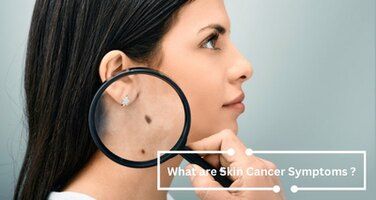
Self-Exams: Regularly check your skin for new growths, changes in existing moles, or any unusual changes. Use the "ABCDE" rule to help identify signs of melanoma:
- Asymmetry: One half of the mole does not match the other.
- Border: The edges are irregular, ragged, or blurred.
- Color: The color is not uniform and may include shades of brown, black, pink, red, white, or blue.
- Diameter: The spot is larger than 6mm across (about the size of a pencil eraser).
- Evolving: The mole is changing in size, shape, or color.
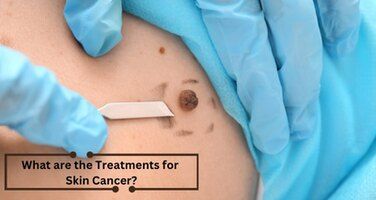
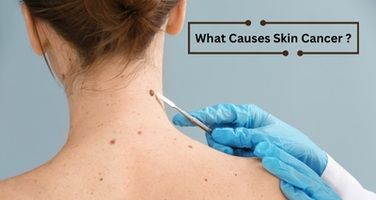
Professional Exams: Have your skin checked by a dermatologist annually or more frequently if you are at higher risk.
4. Be Informed About Risk Factors
Understanding your risk factors is a crucial step in preventing skin cancer. If skin cancer runs in your family, this genetic predisposition can increase your risk, necessitating more frequent screenings and heightened vigilance. Additionally, if you have had skin cancer before, you are at a higher risk of recurrence and should be more proactive in your prevention efforts. Your skin type also plays a significant role; individuals with fair skin, light hair, and light eyes are at a higher risk, particularly if they have a history of sunburns. Knowing these risk factors allows you to tailor your prevention strategies more effectively.
5. Adopt Healthy Lifestyle Choices
Healthy lifestyle choices can also contribute significantly to reducing your risk of skin cancer. Avoid smoking, as it can increase the risk of squamous cell carcinoma, a type of skin cancer. Maintaining a balanced diet rich in antioxidants supports overall skin health and can help protect your skin from damage. Foods such as fruits, vegetables, nuts, and seeds can provide essential nutrients that boost your skin's resilience against harmful UV rays.
6. Stay Educated and Spread Awareness
Staying informed about skin cancer and its prevention is vital, not only for your own health but also for the well-being of your community. Participate in or promote educational campaigns to raise awareness about the risks and protective measures. Understanding the importance of skin cancer prevention can save lives. Engaging in community programs that offer free skin cancer screenings can be particularly beneficial, especially in underserved areas where access to healthcare may be limited. By spreading awareness and knowledge, you contribute to a healthier community and help others take proactive steps to protect their skin.
By adopting these preventive measures, you can significantly reduce your risk of developing skin cancer. Remember, early detection remains crucial, so regular skin checks and being aware of changes in your skin are essential. Protect your skin today for a healthier tomorrow.