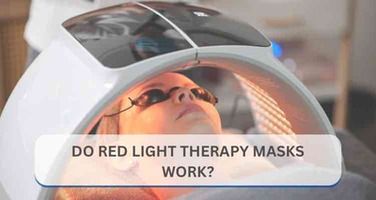
Comparing Omnilux Contour Face and CurrentBody Skin LED Mask – Series 2 across technology, wavelengths, clinical data, comfort, and real-world results.
Quick Verdict:Omnilux vs. CurrentBody is essentially a choice between medical-grade simplicity (Omnilux Contour Face) and feature-rich, next-generation engineering (CurrentBody Skin LED Mask Series 2). Choose Omnilux Contour Face if you:
Choose CurrentBody Skin LED Mask – Series 2 if you:
|
Currentbody Vs. Omnilux
|
|
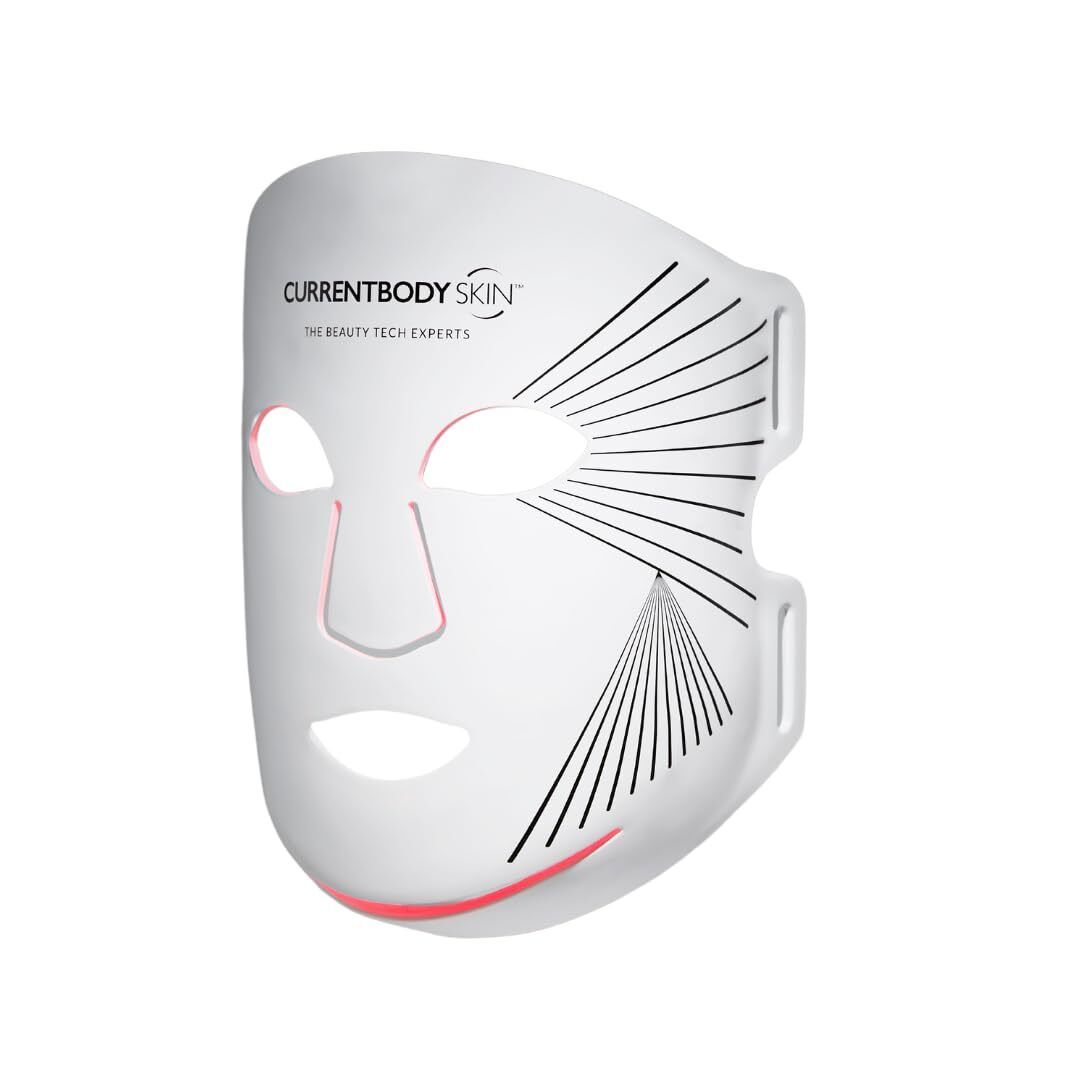
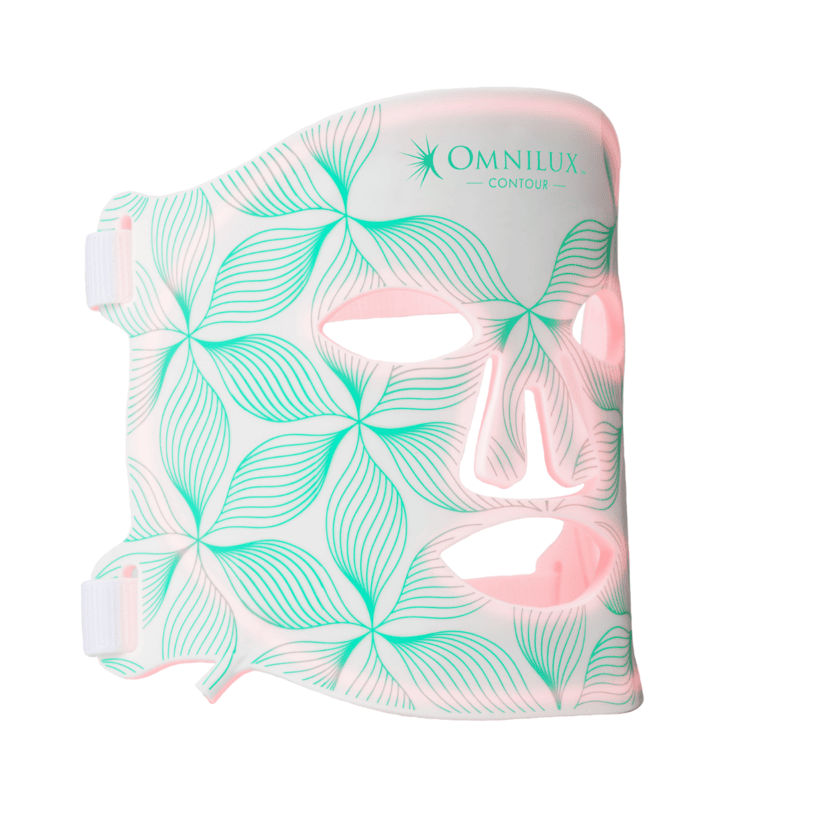
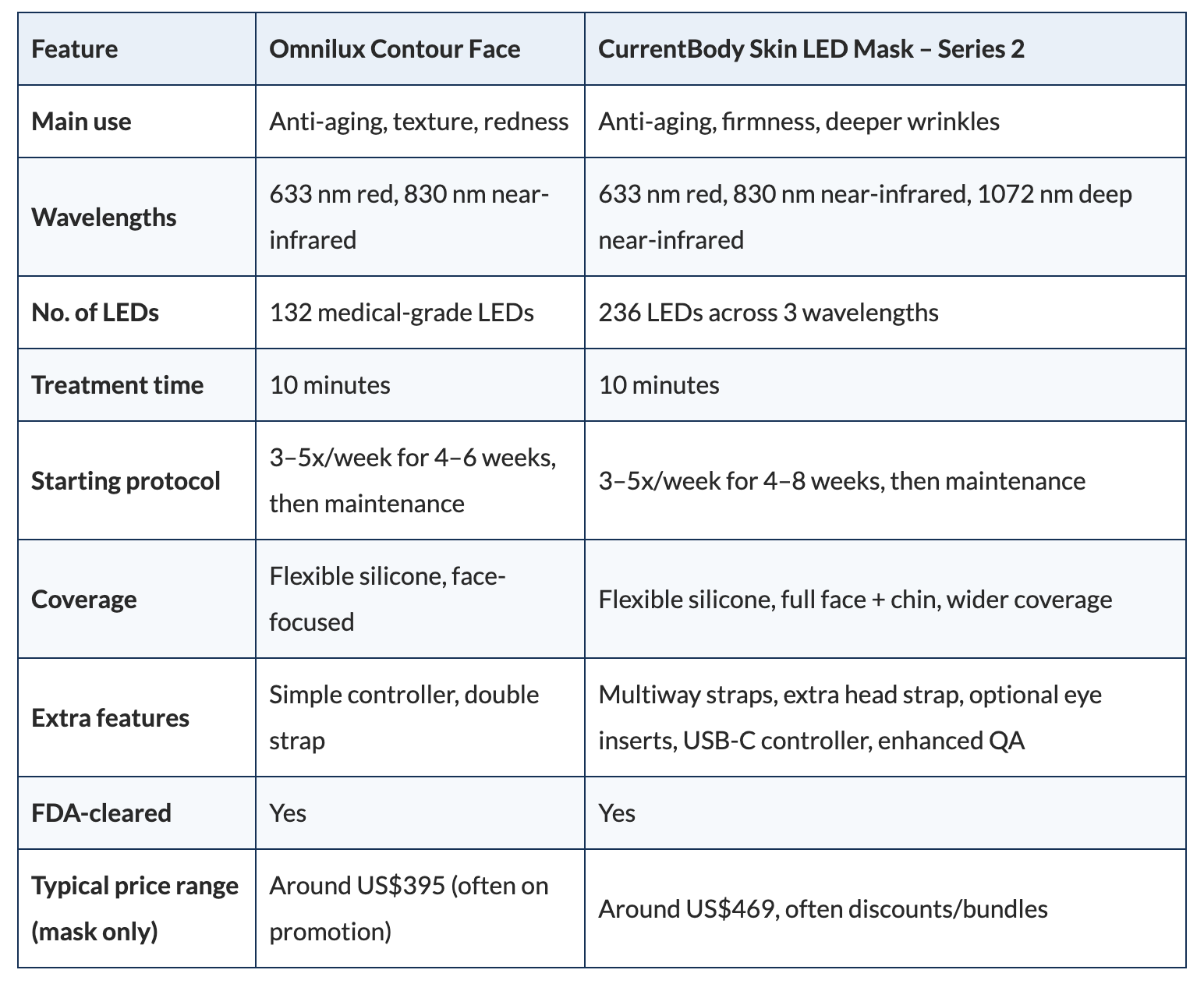
Quick Spec Comparison:
Omnilux Contour vs CurrentBody Series 2
How These LED Masks Actually Work
Both devices use low-level light therapy (LLLT), also called photobiomodulation. LEDs emit specific wavelengths that are absorbed by chromophores in your skin, especially in mitochondria. This can:
- Increase ATP (cell energy)
- Modulate inflammation
- Encourage fibroblasts to produce more collagen and elastin
Over time, this can soften fine lines, improve texture, and boost overall radiance.
Key anti-aging wavelengths:
Across LED mask studies (not just these brands), the trend is consistent: modest but real improvements in wrinkles and texture over 4–12 weeks, with good safety profiles when used correctly. |
Omnilux Contour Face in Depth
Technology & power
- Wavelengths: 633 nm red + 830 nm near-infrared
- LED count: 132 medical-grade LEDs in a flexible silicone mask
- Irradiance: in the clinically relevant range for photobiomodulation over a 10-minute session
The wavelength combination closely matches that used in Omnilux’s in-clinic devices and earlier facial rejuvenation protocols, in which participants reported improvements in elasticity, hydration, and overall skin quality.
Treatment protocol
Typical brand-recommended usage:
- 3–5 sessions per week, 10 minutes each, for 4 weeks
- Then maintenance 1–2x per week
Many users notice:
- Earlier changes in glow and redness (around weeks 2–4)
- Fine line and texture changes build between weeks 6–12
Results & evidence
Brand and user-reported outcomes for Contour Face typically include:
- Visibly brighter, more even skin tone
- Smoother texture and softened fine lines
- Improved firmness and plumpness perception
Omnilux also benefits from a broader clinical LED heritage thanks to its professional-grade devices used in dermatology and aesthetic clinics.
Design, comfort & usability
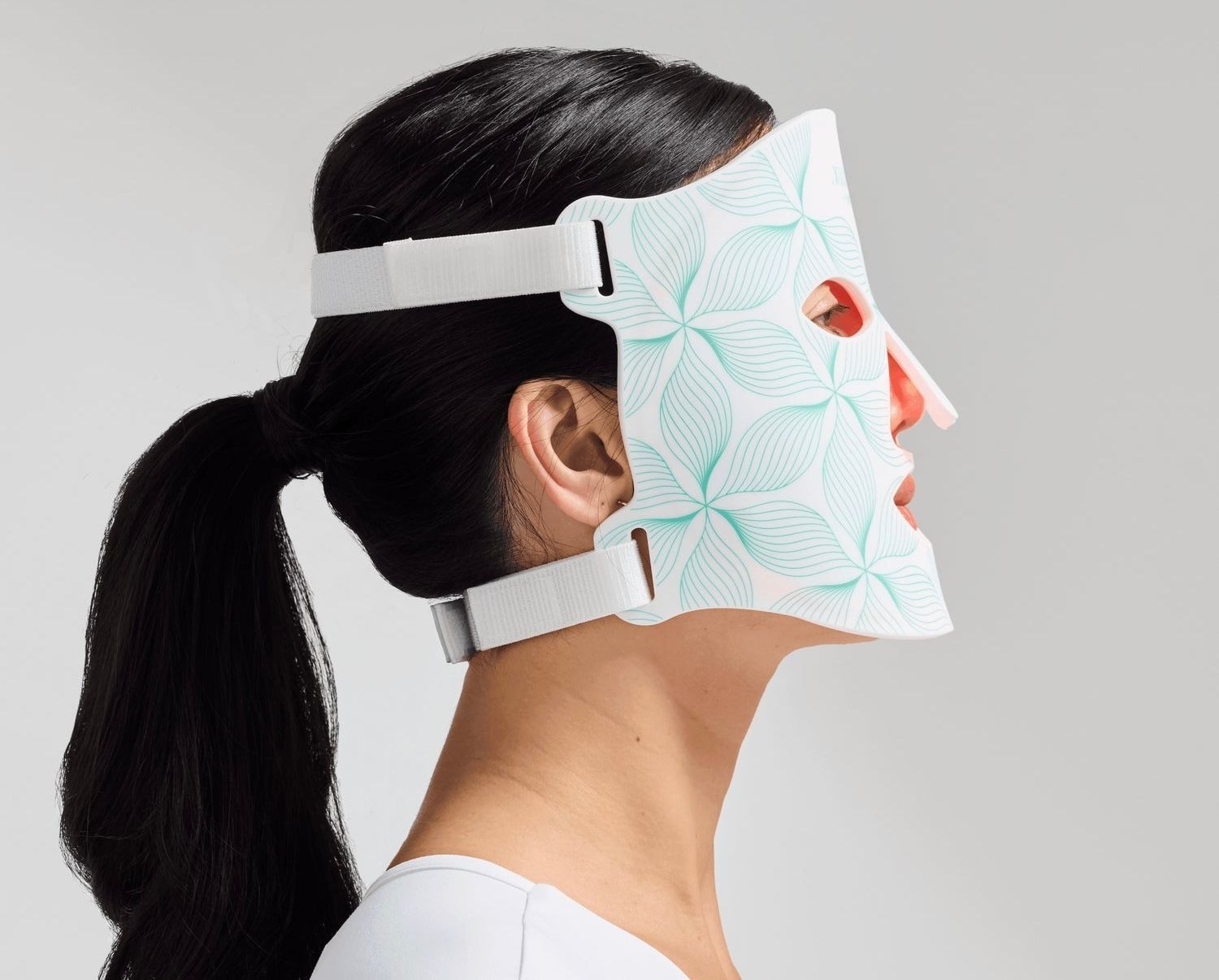
- Fit: Flexible silicone mask with a double strap.
- Coverage: Good central-face coverage, slightly less wrap around the chin and jawline compared with CurrentBody Series 2.
- Controller: Separate battery/controller with cable.
- Eye area: No removable eye cups; users typically close eyes or use simple eye protection if sensitive.
 |
Pros and consPros
Cons
|
5. CurrentBody Skin LED Mask – Series 2 in Depth
Technology & power
- Wavelengths: 633 nm red, 830 nm near-infrared, 1072 nm deep near-infrared.
- LED count: 236 LEDs distributed across the mask for even coverage.
- Each LED is designed and tested for consistent wavelength output and intensity.
The key differentiator is the additional 1072 nm wavelength, combined with higher LED density and improved mapping for chin and lower-face coverage.
Treatment protocol
Typical recommended usage:
- 10-minute sessions, 3–5x per week
- Visible anti-ageing results are often reported within 4–8 weeks
- Maintenance 1–2x weekly once desired results are achieved
Brand-run consumer trials report measurable improvements in wrinkle depth, plumpness, and overall skin brightness over an 8-week period.
Results & evidence
In independent and brand-reported trials for Series 2, participants typically show:
- Noticeable reduction in wrinkle depth and fine lines
- Increased plumpness and smoothness
- Boosted radiance and more even tone
Design, comfort & usability
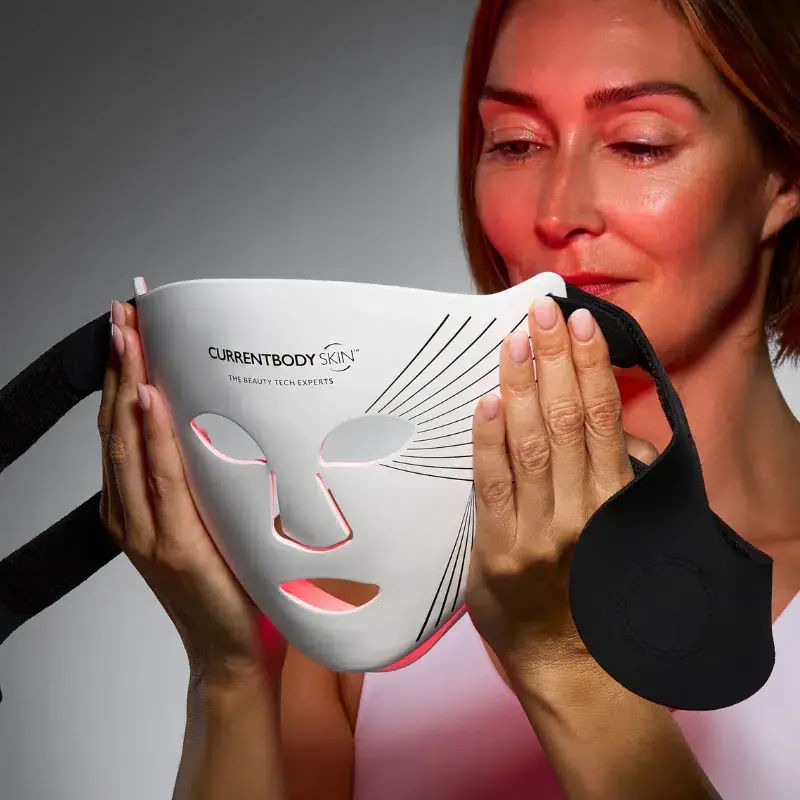
- Fit/coverage: Redesigned shape for full face and chin, with more LEDs at the lower face and eye area.
- Straps: Multiway strap plus extra head strap for stability.
- Eye inserts: Optional removable eye shields to make reading or watching TV more comfortable during treatment.
- Controller: Integrated controller with USB-C and a clothing clip for easier movement.
 |
Pros and consPros
Cons
|
6. Head-to-Head: Real-World Performance
Fine lines and wrinkles
Both masks use 633/830 nm, which has the strongest evidence base for reducing wrinkle depth over weeks to months. CurrentBody complements this with 1072 nm and publishes quantified consumer-trial figures for wrinkle reduction, while Omnilux leans on its longer clinical LED history from professional devices.
| Takeaway: Both can improve wrinkles if you are consistent. CurrentBody offers more numeric trial data, Omnilux offers a deeper historical clinical pedigree. |
Firmness, plumpness, and texture
Both devices should:
- Improve overall plumpness
- Refine skin texture
- Support collagen over time
CurrentBody’s 1072 nm wavelength and chin-inclusive design give it a theoretical edge for deeper structural ageing around the jawline and lower face.
Pigmentation, redness and tone
Both masks can help maintain a more even skin tone and improve subtle pigmentation over time. Omnilux is often highlighted in practice for calming redness and sensitivity, while CurrentBody’s messaging leans more into firmness and deeper wrinkle reduction.
Acne-prone skin
Neither of these masks includes blue light (around 415 nm), which is most commonly used to target acne-causing bacteria. Both brands sell separate acne masks or devices that use blue and red light together.
If acne is a main concern, a dedicated red-plus-blue device is a better option than either of these strictly anti-ageing masks.
Ease of use and habit-forming potential
You only get results if you actually use the mask 3–5 times per week.
- CurrentBody’s extra head strap, eye inserts, and integrated controller make multitasking (TV, reading, light chores) easier.
- Omnilux is lighter and very simple, but often ends up as a “lie back and relax” mask.
The mask that fits best into your routine is the one you will benefit most from.
Which One Should You Buy?
Choose CurrentBody Series 2 if…
If you are still torn
|
8. How to Get the Best Results from Either Mask
This is general, non-medical guidance. Always speak to your doctor if you have medical conditions or concerns.
Screen for contraindications
Avoid or seek medical advice first if you are:
- Pregnant
- Epileptic
- Taking photosensitising medications
- Managing specific eye or skin disorders
Be ruthlessly consistent
A realistic pattern for most users:
- 3–5 sessions per week
- 10 minutes per session
- At least 8–12 weeks before judging results
Use on clean, dry skin
- Remove makeup and SPF completely.
- Avoid heavy oils or occlusives under the mask.
- Keep pre-LED products simple and non-irritating.
Pair with a gentle routine
- Use a mild cleanser and a barrier-supporting moisturiser.
- Apply a broad-spectrum SPF every morning.
- Introduce strong actives (retinoids, acids) carefully to avoid over-sensitising your skin.
Maintain once you get results
After an initial intensive phase, you can usually maintain benefits with:
- 1–2 LED sessions per week
Omnilux vs CurrentBody Reddit – what do people say?
When you read Reddit threads comparing Omnilux and CurrentBody, the main difference users talk about isn’t “does it work?” but how it fits into their life.
- Omnilux praise: people often highlight the brand’s medical background, the classic 633/830 nm combo, and feeling like it’s the “safer bet” if they want a clinic-style device at home.
- CurrentBody praise: users repeatedly mention coverage, comfort, and value – especially with bundles, discount codes, and the newer Series 2 design with more LEDs and an extra deep NIR wavelength.
Common Reddit themes include:
- Results are gradual, not dramatic – more glow, smoother texture, and slightly softer lines after a few months.
- The real separator is consistency: whichever mask is easier for them to use 3–5x per week tends to “win.”
- Sensitive-skin users sometimes lean towards Omnilux for redness, while people focused on jawline and deeper lines often lean towards CurrentBody (especially Series 2).
Reddit isn’t a clinical trial, but it does underscore what the data already suggests: both can work, and user preference mostly aligns with brand trust vs. maximum tech/features.
Omnilux vs CurrentBody at Costco – should you buy there?
If you see Omnilux or CurrentBody at Costco or similar warehouse retailers, the core decision is less about performance and more about price, warranty and return terms.
- Advantages of Costco-type retailers:
- Aggressive pricing or bundle deals (especially during big promo periods).
- Often very generous return policies, which can make a 2–3 month “trial” more realistic.
- Advantages of buying direct or from the brand:
- Clear line-of-sight on warranty and after-sales support.
- Access to up-to-date versions (e.g. ensuring you’re getting Series 2 and not older stock).
- Easier to confirm you’re getting a legitimate, non-grey-market device.
If you buy from Costco, just double-check:
- Model/version name (you want the latest iteration, not an earlier mask labelled in tiny print).
- Warranty coverage and who handles it – the retailer or the brand.
If both of those check out, the choice comes down to which retailer gives you better total value and a return window that fits a realistic LED trial (8–12+ weeks).
CurrentBody vs Omnilux vs Dr Dennis Gross – which brand should you choose?
CurrentBody, Omnilux and Dr Dennis Gross all make legitimate LED devices, but they sit in slightly different niches:
- Omnilux
Strong clinic/medical heritage, simple red + NIR combinations.
Mask design geared toward proven wavelengths and straightforward protocols. - CurrentBody (especially Series 2)
Pushes coverage and engineering: more LEDs, added 1072 nm, and refined fit for full face + chin.
Very competitive value and bundles for multi-device routines. - Dr Dennis Gross
Focuses on multi-zone, multi-use devices (e.g. handheld or visor-style designs) and strong branding in the prestige skincare space.
Good choice if you prefer a derm-branded, Sephora-style ecosystem with serums, peels and LED combined.
How to decide:
- If you want clinic-style simplicity and medical pedigree → Omnilux.
- If you want maximum LED coverage and technical spec per dollar → CurrentBody (Series 2 if possible).
- If you want a prestige skincare brand with LED integrated into a full topical routine → Dr Dennis Gross.
All three can improve skin quality over time; pick the ecosystem you’re most likely to use consistently.
Omnilux vs CurrentBody Series 1 – how big is the difference?
Compared with the original CurrentBody Skin LED Mask (Series 1), Omnilux Contour Face and CurrentBody Series 1 are closer cousins than opposites:
- Both use red and near-infrared light at anti-ageing wavelengths.
- Both are flexible silicone masks with roughly 10-minute treatment times and 3–5x/week protocols.
- Both target fine lines, texture and general radiance.
Key differences:
- Omnilux leans on medical-device heritage and a very clearly defined 633/830 nm combo.
- CurrentBody Series 1 offers strong coverage and value, but doesn’t have the extra 1072 nm wavelength, LED density and refined chin coverage seen in Series 2.
If you’re deciding specifically between Omnilux Contour Face and CurrentBody Series 1:
- Pick Omnilux if you want a clinic-aligned brand with long LED history.
- Pick CurrentBody Series 1 if you can get it at a great price and are comfortable with slightly earlier-generation hardware.
If budgets allow, most people now compare Omnilux vs CurrentBody Series 2, not Series 1, because that’s where the bigger technical jump occurs.
Omnilux vs CurrentBody Series 2 Reddit – is there a clear winner?
When people compare Omnilux vs CurrentBody 2 (Series 2) on Reddit, the pattern is usually:
- Omnilux fans emphasise:
- “Feels more medical/clinical.”
- Confidence in the brand legacy and clinic background.
- Calming effect on redness and texture over time.
- CurrentBody Series 2 fansemphasise:
- Noticeably better coverage, especially chin/jawline.
- The fit, straps and eye inserts making 10 minutes more comfortable.
- Strong results for glow and firmness, with some users specifically noting softening of the folds around the mouth.
Across threads, you don’t see a universal “winner.” Instead, people who bought Omnilux tend to feel they made the right choice for pedigree and skin-calming, while people who bought Series 2 tend to feel they made the right choice for hardware and coverage.
The takeaway aligns with the evidence: both can work well; choose based on whether you care more about brand origin (Omnilux) or advanced specs and ergonomics (CurrentBody Series 2).
CurrentBody 2 vs Omnilux – what’s the simplest way to decide?
If you strip everything back, the CurrentBody Series 2 vs Omnilux decision comes down to three questions:
- Do you want extra depth and coverage?
If yes, Series 2 has more LEDs, 3 wavelengths, including 1072 nm, and better jawline coverage.
Omnilux still offers excellent results but stays with the classic 633/830 nm combo. - Do you value the medical clinic's heritage more than the latest tech?
If yes, Omnilux is the more traditionally clinical brand.
If you’re comfortable with a beauty-tech brand that invests heavily in hardware and QA, Series 2 is compelling. - Which mask fits your routine?
If you want to sit or walk around, watch TV or read, Series 2’s straps and eye inserts make that easier.
If you’re happy to lie down and relax for 10 minutes, Omnilux’s simpler setup is fine.
There isn’t a wrong answer. For most people:
- Tech/coverage-first personality → CurrentBody Series 2
- Clinic/heritage-first personality → Omnilux Contour Face
CurrentBody vs Omnilux for men – is there any difference?
For men, the choice between CurrentBody and Omnilux is less about brand and more about beards, lifestyle and expectations.
- Beard coverage:
LED light can’t penetrate through a very dense, dark beard. If your main concern is jawline or lower-face ageing and you keep facial hair, CurrentBody Series 2’s deeper NIR and chin-heavy coverage may be slightly advantageous, but results under a thick beard will still be limited.
If you shave regularly or have only light stubble, both masks can treat the lower face more effectively. - Skin type:
Men often have oilier, thicker skin. Both Omnilux and CurrentBody are suitable; what matters is pairing the mask with a simple, non-irritating routine (gentle cleanser, basic moisturiser, daily SPF). - Lifestyle fit:
If you want to wear the mask at a desk or while gaming/TV, the straps and eye inserts of CurrentBody Series 2 are very practical.
If you prefer to use LED as part of a “switch off for 10 minutes” routine, Omnilux works just as well.
From a result standpoint, male and female skin respond to these wavelengths in a very similar way. Men should choose based on shaving habits and which design they’re actually willing to use several times a week.
CurrentBody Series 2 – is it really an upgrade, and is it worth it?
CurrentBody Series 2 is designed as a clear step up from earlier iterations of the brand’s LED mask:
- More LEDs and a re-mapped layout to enhance uniform coverage, especially at the lower face and around the eyes.
- Addition of a 1072 nm deep near-infrared wavelength, aimed at deeper wrinkles and structural ageing.
- Improved fit, multiway straps, optional eye inserts and a slim controller, so it’s easier to keep on for 10 minutes without fidgeting.
Who is it worth it for?
- If you’re new to LED and want something as future-proof as possible, Series 2 is a strong bet: advanced spec, good coverage, 10-minute treatments.
- If you already own a working Series 1 and you’re happy with your results, the main reason to upgrade is if you want better chin coverage and the extra 1072 nm wavelength, or if your old mask is failing.
- If you’re comparing Series 2 with Omnilux, it’s the “max hardware” option in that matchup.
As with any LED device, its value hinges on one question: will you use it 3–5 times a week for months? If yes, Series 2 has the spec to justify choosing it as your long-term mask.
FAQ: Omnilux vs CurrentBody
Is Omnilux or CurrentBody more powerful?
“Power” is not just brightness; it’s wavelength, dose, coverage and treatment time. Both Omnilux Contour Face and CurrentBody Series 2 deliver clinically relevant doses at 633/830 nm. CurrentBody adds 1072 nm and nearly double the LED count, giving it an edge in coverage and theoretical depth, rather than raw aggressiveness.
Which LED mask works faster?
Some users see subtle glow and texture improvements within 2–4 weeks with either mask, used 3–5 times per week. More significant changes in wrinkles and firmness typically require 8–12 weeks or more of consistent use.
Can I use these masks with retinol or acids?
Often yes, but introduce combinations slowly. Start by using LED on nights when you are not using strong actives. If you notice stinging, heat or irritation, reduce actives and focus on barrier repair. Users of prescription-strength tretinoin or those with sensitive skin should consult a dermatologist first.
Are Omnilux and CurrentBody safe for darker skin tones?
Red and near-infrared light at cosmetic doses are generally considered safe for all Fitzpatrick types when used correctly. If you have melasma or complex pigment issues, get personalised guidance from a professional.
Do I need both an LED mask and in-clinic treatments?
No. A good at-home LED mask used consistently can meaningfully improve mild-to-moderate signs of ageing. In-clinic treatments (lasers, RF, injectables) can be more targeted or intensive. Many dermatologists position at-home LED as an excellent maintenance or “in-between-appointments” tool.
Can either mask treat active acne?
They are not ideal as stand-alone acne treatments because they lack blue light. For acne, look for dedicated red-and-blue light devices or consult a dermatologist about prescription options.
Resources & Further Reading
If you want to dive deeper into LED technology, clinical evidence and brand-specific details behind Omnilux and CurrentBody, these sources are a solid starting point. They include official product pages and peer-reviewed research
Official brand and product information
- Omnilux Contour Face – official product page – full specifications, usage guidelines, FAQs and pricing for the Omnilux Contour Face mask.
- Omnilux LED – official brand site – overview of Omnilux’s medical-grade LED devices, bundles and topical skincare range.
- CurrentBody Skin LED Light Therapy Mask – Series 2 – official specs for the Series 2 mask, including wavelengths, LED count, clinical trial highlights and usage instructions.
- CurrentBody – official brand site – wider range of beauty tech devices, bundles and promotions, including LED, RF and infrared tools.
Clinical and scientific background on LED/photobiomodulation
- Avci et al. – Low-level laser (light) therapy (LLLT) in skin – foundational review on how low-level light influences skin biology, covering wrinkles, scars, wound healing and other dermatologic uses.
- Chung et al. – Low-level light therapy (LLLT) for cosmetics and dermatology – detailed overview of cosmetic applications of LLLT, including ageing, pigmentation and inflammatory skin conditions.
- Hernández-Bule et al. – Unlocking the Power of Light on the Skin – discussion of photobiomodulation mechanisms and how red/infrared light can support collagen production and non-invasive skin rejuvenation.
- Ngoc et al. – Utilization of light-emitting diodes for skin therapy – meta-analysis and review of LED devices across acne, rejuvenation and other skin indications, including efficacy and safety considerations.
Together, these resources give you the full picture: brand specs and usage guidance from Omnilux and CurrentBody, plus independent clinical literature and real-world testing to anchor your expectations around results, safety, and long-term use.