
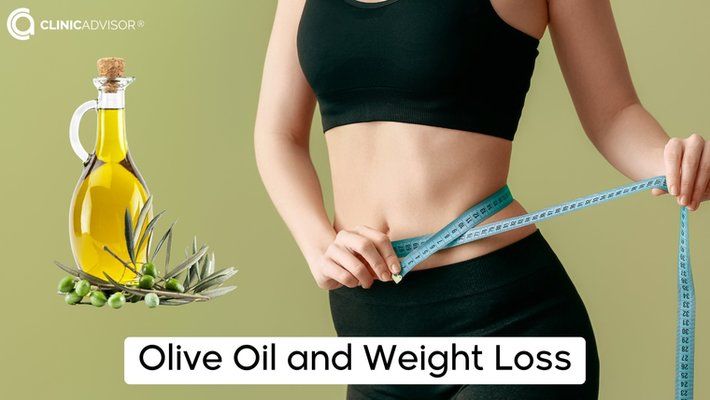
Olive oil, particularly extra virgin olive oil (EVOO), has garnered significant attention for its potential role in weight management and obesity prevention. But how will an oil help in weight loss or weight management, you might be asking yourself?
Let’s tell you how and explore the mechanisms of olive oil in weight loss and managing weight gain, and the scientific evidence supporting these effects.
Olive Oil and Its Implications for Weight Management
Olive oil, a key component of the Mediterranean diet, is rich in monounsaturated fatty acids (MUFAs), primarily oleic acid. Unlike saturated fats, MUFAs are considered 'healthy fats' and have been associated with various health benefits, including potential weight management.
- Appetite Regulation: MUFAs in olive oil can promote a feeling of satiety. When consumed, olive oil can help reduce hunger, potentially leading to lower calorie intake.
- Metabolic Benefits: Olive oil is known to positively affect metabolism. It may improve insulin sensitivity and glucose metabolism, which are crucial factors in weight management and obesity prevention.
Olive Oil and Weight Loss: Scientific Evidence
Several studies have examined the relationship between olive oil consumption and weight loss or obesity prevention. While research is ongoing, some key findings include:
- Mediterranean Diet Studies: A study done on obese hamsters have shown that consuming a diet high in monosaturated fats helped in preventing fat accumulation and hence managing weight gain.
- Comparative Studies with Other Fats: Other studies comparing diets high in monotsaturated fats with those high in saturated fats have found that MUFA is more effective in promoting weight loss or preventing weight gain than SFA.
How Does Olive Oil Manage Weight Gain?
Olive oil can manage weight gain through the following means:
- Replacing Unhealthy Fats: By substituting saturated and trans fats with olive oil (Monosaturated Fat), individuals can improve their overall dietary fat quality, which is beneficial for weight management.
- Anti-Inflammatory Properties: Chronic inflammation is a contributing factor to obesity. Olive oil’s anti-inflammatory properties can be beneficial in combating obesity-related inflammation.
- Impact on Fat Storage: Research suggests that olive oil may influence the body’s mechanisms of fat storage, favoring a healthier distribution of body fat.
Things to Put in Mind
Having said that olive oil may help in weight management, it’s important to consume it in moderation and consider the following:
- Caloric Density: Being mindful of the caloric content of olive oil is crucial as excessive consumption can lead to weight gain.
- Quality of Oil: The type of olive oil (preferably extra virgin) and its quality can affect its health benefits.
- Holistic Approach: Olive oil should be part of a comprehensive approach to weight loss, including a balanced diet and regular physical activity.
Takeaways,
Olive oil, especially EVOO, can be a valuable addition to a weight management strategy. Its composition rich in healthy fats, coupled with appetite-regulating and metabolic properties, supports its role in weight loss and obesity prevention.




Share Your Opinion, Please