
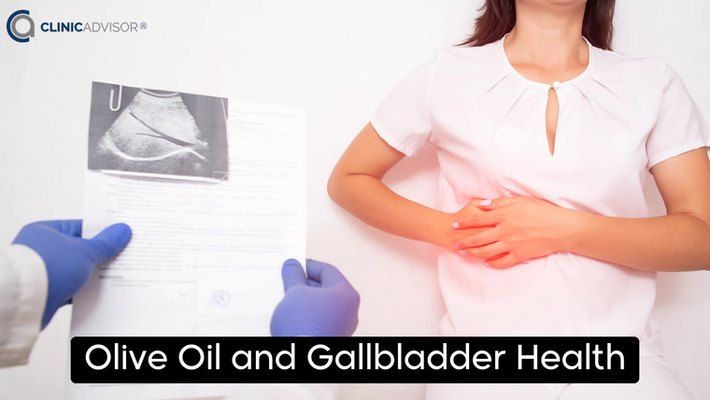
The gallbladder is a small organ in the digestive system that plays a critical role in fat digestion. Some studies found a correlation between olive oil and gallbladder health.
In this article, we will explain the relationship between olive oil and the gallbladder, examining scientific evidence and offering insights into how olive oil may affect gallbladder function.
Understanding the Gallbladder and Its Function
The gallbladder is a small, pear-shaped organ located right beneath the liver. Its primary function is to store bile – a digestive fluid produced by the liver. Bile aids in the digestion and absorption of fats in the small intestine. When fatty food is consumed, the gallbladder contracts, releasing bile into the small intestine.
Olive Oil's Composition and Relevance to Gallbladder Health
Olive oil is predominantly composed of monounsaturated fats, primarily oleic acid, and contains polyphenols, antioxidants, and vitamins E and K. The composition of olive oil is significant in understanding its potential impacts on gallbladder health. But how is that?
Stimulation of Bile Secretion
Consuming olive oil may stimulate the gallbladder to release bile. This is due to the presence of fats which signal the gallbladder to contract and release stored bile, aiding in fat digestion.
This stimulation can be beneficial for gallbladder function, as regular contraction and bile secretion can help maintain gallbladder health.
Potential Impact on Gallstones
Gallstones, primarily made of cholesterol, are a common gallbladder issue. Some studies suggest that a diet rich in olive oil may reduce the risk of gallstone formation. This is possibly due to the oil's ability to help maintain optimal cholesterol levels in bile, reducing the likelihood of cholesterol crystallizing into stones.
However, the direct impact of olive oil on existing gallstones requires more research.
Scientific Research on Olive Oil and Gallbladder Health
While numerous studies highlight the general health benefits of olive oil, specific research on its impact on gallbladder health is less extensive. Some key studies include:
In one study, 60 Wistar rats were divided into six groups to assess the impact of olive oil on cholesterol levels, with diets incorporating varying amounts of cholesterol and olive oil (either virgin or lampante).
The significant findings revealed that groups fed diets enriched with cholesterol and olive oil exhibited pronounced hypocholesterolemic and antioxidant effects. This outcome was accompanied by increases in bile flow and concentrations of cholesterol and bile acids in the bile, along with enhanced fecal output and excretion of bile acids and cholesterol. The study concluded that olive oils have a positive effect on plasma lipid metabolism, primarily through mechanisms involving increased bile secretion and the subsequent excretion of cholesterol and bile acids.
Other studies have examined how olive oil consumption affects the composition of bile, which is crucial in understanding gallstone risk. These studies suggest that olive oil may positively influence bile composition, reducing gallstone formation risk. One of these studies included a group that consumed olive oil as the main source of fat. It found that in response to a test meal, the cholesterol saturation index decreased significantly in patients given the olive oil diet, suggesting a potential positive impact of olive oil on bile composition.
How to Use Olive Oil for Gallbladder Health?
You can simply incorporate olive oil into your diet by adding it as the primary cooking oil or in salad dressings. You can also pair olive oil with a diet rich in fiber, vegetables, and whole grains to promote overall digestive health.
But keep in mind that moderation is key, as excessive fat consumption, even of healthy fats, can stress the gallbladder.
Who Should Be Cautious?
Individuals with existing gallbladder diseases, such as cholecystitis or gallstones, should be cautious when consuming olive oil and consult their healthcare provider before making significant dietary changes, including increasing olive oil consumption. Because, excessive consumption of olive oil or any fat can lead to overstimulation of the gallbladder, potentially causing discomfort, especially in individuals with existing gallbladder conditions.
Takeaways,
Olive oil, with its healthy fat profile and potential to positively influence bile composition, can be beneficial for gallbladder health, particularly in reducing the risk of gallstones. However, moderation is crucial, and those with existing gallbladder issues should consult healthcare professionals.
References:
- Yago MD, González V, Serrano P, Calpena R, Martínez MA, Martínez-Victoria E, Mañas M. Effect of the type of dietary fat on biliary lipid composition and bile lithogenicity in humans with cholesterol gallstone disease. Nutrition. 2005 Mar;21(3):339-47. doi: 10.1016/j.nut.2004.06.028. PMID: 15797676.
- Krzeminski R, Gorinstein S, Leontowicz H, Leontowicz M, Gralak M, Czerwinski J, Lojek A, Cíz M, Martin-Belloso O, Gligelmo-Miguel N, Trakhtenberg S. Effect of different olive oils on bile excretion in rats fed cholesterol-containing and cholesterol-free diets. J Agric Food Chem. 2003 Sep 10;51(19):5774-9. doi: 10.1021/jf030088a. PMID: 12952432.



Share Your Opinion, Please