

Argan oil, derived from the kernels of the Argania spinosa tree native to Morocco, has gained global recognition for its versatile applications in cosmetics, culinary delights, and medicinal uses. As demand for this "liquid gold" continues to rise, it is crucial to examine the sustainability and ethical considerations within the Argan oil industry, ensuring that the production and consumption of this precious oil align with environmental and social responsibility.
1. The Role of Women's Cooperatives:
Women's cooperatives play a pivotal role in the sustainable and ethical production of Argan oil. These cooperatives, often composed of local women, have emerged as key actors in the industry, working towards economic empowerment and community development. By pooling their resources and expertise, women in these cooperatives have greater bargaining power in the market, ensuring fair compensation for their labor.
Empowering Women:
Women's cooperatives provide a platform for women to actively participate in the decision-making processes related to Argan oil production. This empowerment not only enhances the socio-economic status of women but also contributes to the overall well-being of the community.
Preserving Traditional Knowledge:
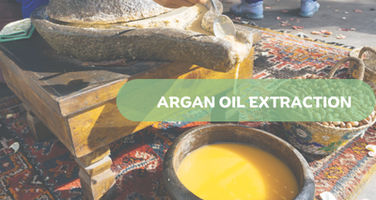
Women in these cooperatives often inherit and pass down traditional knowledge and techniques related to Argan oil extraction. This transfer of knowledge helps maintain the authenticity and cultural significance of the Argan oil industry while fostering a sense of pride and identity within the community.
Community Development:
The success of women's cooperatives has a ripple effect on the entire community. Profits generated are often reinvested in education, healthcare, and infrastructure projects, leading to a more sustainable and resilient community.
2. Environmental Impact:
The environmental impact of Argan oil production extends beyond the preservation of the Argan tree itself. Sustainable practices are crucial to mitigate potential ecological harm and ensure the long-term health of the surrounding ecosystems.
Biodiversity Conservation:
Argan groves are home to a diverse range of flora and fauna. Sustainable practices, such as maintaining natural vegetation around Argan trees, contribute to biodiversity conservation. This, in turn, supports the ecosystem services provided by diverse plant and animal species.
Carbon Sequestration:
Argan trees are known for their ability to sequester carbon dioxide, playing a role in mitigating climate change. Sustainable land management practices, including the protection of existing Argan forests and reforestation efforts, contribute to carbon sequestration and the overall health of the environment.
Reduced Soil Erosion:
The extensive root systems of Argan trees help prevent soil erosion in the arid regions where they are found. Sustainable agricultural practices, such as contour plowing and the use of cover crops, further enhance soil stability, preserving the fertility of the land.
Takeaway: The environmental impact of Argan oil production goes hand in hand with the industry's sustainability and ethical considerations. By prioritizing eco-friendly practices and actively participating in conservation efforts, stakeholders can ensure that the production of Argan oil remains in harmony with the natural environment. |
3. Sustainability in Argan Oil Production:
Ecosystem Preservation:
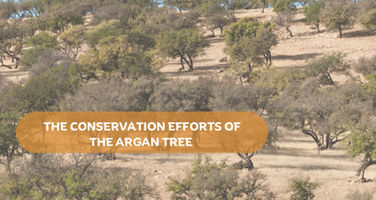
The Argan tree plays a vital role in maintaining the ecological balance of southwestern Morocco. Sustainable harvesting practices must be employed to protect these trees, as they prevent desertification, support biodiversity, and provide a habitat for various species.
Water Management:
Argan trees are well-adapted to arid environments, but water scarcity remains a concern. Sustainable practices involve efficient water management, promoting techniques such as rainwater harvesting and drip irrigation to minimize water usage.
Organic Farming:
Encouraging organic farming practices reduces the reliance on synthetic pesticides and fertilizers, promoting a healthier ecosystem. Organic cultivation methods contribute to soil fertility, protect natural pollinators, and ensure the long-term health of the Argan groves.
4. Ethical Considerations in Argan Oil Production:
Fair Trade Practices:
The Argan oil industry has the potential to empower local communities. Fair trade initiatives ensure that farmers and cooperatives receive fair compensation for their labor. This economic empowerment helps lift communities out of poverty, providing access to education, healthcare, and improved living conditions.
Women's Empowerment:
Traditionally, women in Morocco have been the primary custodians of Argan oil production. Ethical practices involve ensuring that women involved in the industry receive fair wages and have equal opportunities for leadership roles. This empowerment contributes to gender equality and community development.
Cultural Respect:
The production of Argan oil is deeply intertwined with the cultural heritage of Morocco. Ethical considerations include respecting indigenous knowledge, protecting traditional harvesting methods, and acknowledging the cultural significance of the Argan tree in local communities.
Certifications and Labels:
Consumers can make informed choices by looking for certifications such as USDA Organic, Fair Trade, or Ecocert on Argan oil products. These labels guarantee adherence to specific sustainability and ethical standards, assuring consumers that their purchase aligns with responsible practices.
Challenges and Future Prospects:
Despite progress, challenges such as illegal harvesting and overexploitation persist. Continued collaboration between local communities, governments, and the international community is essential to address these challenges and ensure the long-term sustainability and ethical integrity of the Argan oil industry.
Conclusion:
Sustainability and ethical considerations are integral to the future of the Argan oil industry. By embracing environmentally friendly practices, promoting fair trade, and respecting cultural heritage, stakeholders can contribute to the preservation of the Argan tree, the empowerment of local communities, and the responsible consumption of this precious resource. In doing so, the Argan oil industry can serve as a model for sustainable and ethical practices in the global marketplace.





Share Your Opinion, Please