
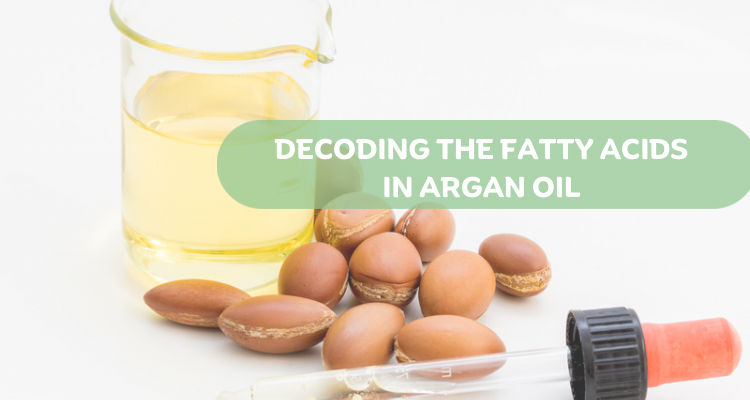
Argan oil, often referred to as "liquid gold," transcends its status as a beauty elixir to become a symphony of nourishment for the skin, hair, and nails. At the heart of its transformative powers lie the abundance of fatty acids, creating a harmonious composition that elevates argan oil to a revered status in the realm of natural skincare. Let's delve into the richness of argan oil's fatty acids, understanding how this golden elixir becomes a source of radiance and vitality.
The Fatty Acid Ensemble:
Argan oil boasts a luxurious blend of fatty acids, each playing a unique role in nurturing and rejuvenating the skin. Among these, Oleic Acid takes the lead, contributing to the oil's lightweight texture and enhancing its ability to deeply penetrate the skin. This results in a profound moisturizing effect, leaving the skin feeling supple and hydrated.
Linoleic Acid: A Moisture Lock:
Linoleic acid, another key player, fortifies argan oil's hydrating prowess. As an essential fatty acid, linoleic acid maintains the integrity of the skin barrier, preventing moisture loss and contributing to a dewy complexion. Its presence is especially beneficial for those with dry or sensitive skin, where maintaining adequate hydration is paramount.
Palmitic Acid: Nourishing the Skin Barrier:
Palmitic acid, found in argan oil, works in harmony with the skin's natural oils. By nourishing the skin barrier, it helps shield against environmental stressors, making argan oil an effective ally in combating the signs of aging and promoting overall skin health.
Stearic Acid: Supporting Skin Structure:
Stearic acid, yet another essential fatty acid in argan oil, contributes to the oil's emollient properties. It supports the skin's structure, imparting a smooth and soft texture. This not only enhances the feel of the oil on the skin but also aids in creating a more refined and youthful complexion.
Vitamin E: The Antioxidant Guardian:
In addition to fatty acids, argan oil is a rich source of vitamin E, a potent antioxidant. This vitamin works synergistically with the fatty acids, neutralizing free radicals and providing protection against oxidative stress. This antioxidant prowess contributes to argan oil's anti-aging effects, helping to minimize the appearance of fine lines and wrinkles.
Incorporating Argan Oil into Your Skincare Routine:
Whether you choose to apply argan oil directly to your skin or seek products that feature it as a key ingredient, the fatty acid profile of argan oil makes it a versatile addition to your skincare routine. Its lightweight and non-greasy texture make it suitable for all skin types, from dry to oily, offering a natural solution to achieve a radiant and well-nourished complexion.
Conclusion:
As we unravel the rich tapestry of fatty acids in argan oil, it becomes clear why this natural elixir has earned its esteemed place in the world of beauty. Beyond its golden hue and luxurious feel, argan oil stands as a testament to the transformative power of nature—a gift from the Moroccan landscape to the global community seeking radiant, healthy skin. Embrace the richness of argan oil, and let its fatty acid symphony compose a harmonious ode to your skin's well-being.





Share Your Opinion, Please