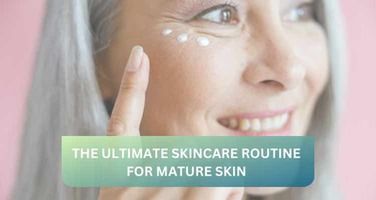
When it comes to mature skin, there is no shortage of advice—some of it helpful, but much of it misleading. With age, skin undergoes various changes, and caring for it properly becomes more important than ever. However, separating fact from fiction can be challenging with so much misinformation floating around. If you're looking to cut through the noise and find out what mature skin truly needs, you’ve come to the right place. Keep reading as we debunk common skincare myths and provide clear, scientifically backed advice on caring for mature skin.
What Are Common Skincare Myths for Mature Skin?
Mature skin has specific needs, but there are several widespread myths that can lead to ineffective or even harmful skincare routines. Understanding the truth behind these myths can help you make better choices for your skin as it ages.
Myth 1: Oily Skin Doesn’t Age
One of the most common misconceptions is that if your skin is oily, you won’t experience wrinkles or signs of aging. While it’s true that oily skin may show fine lines later than dry skin, aging affects everyone. Wrinkles, loss of elasticity, and uneven skin tone will eventually become concerns for those with oily skin, just like anyone else.
Reality: While oily skin may delay the appearance of wrinkles, it doesn't prevent aging. Proper care, including hydration and sun protection, is essential for all skin types.
Myth 2: Anti-Aging Products Should Be Harsh to Be Effective
Many believe that the more aggressive a product is, the more effective it will be at fighting signs of aging. Harsh ingredients like high concentrations of retinoids or chemical peels are often overused, leading to irritation, dryness, and even damage to the skin barrier.
Reality: Mature skin requires a balanced approach. Gentle, yet effective ingredients like retinoids and peptides should be used alongside soothing, hydrating products. Overdoing it with harsh treatments can worsen dryness and irritation.
Myth 3: You Don’t Need Sunscreen Indoors or on Cloudy Days
A persistent myth is that sunscreen is only necessary when outside on sunny days. However, UVA rays, which contribute to premature aging, can penetrate through windows and clouds.
Reality: Sunscreen is a non-negotiable, even indoors and on overcast days. A broad-spectrum sunscreen should be worn daily to protect against UV-induced aging and other skin damage.
How Do These Myths Harm Mature Skin?
Believing in these skincare myths can prevent you from taking proper care of your skin and can accelerate the signs of aging. Addressing these misconceptions with accurate information is crucial for maintaining healthy, radiant skin.
Dryness and Irritation
Using overly harsh products, especially without adequate hydration, can strip the skin of its natural oils, leading to increased dryness, irritation, and even further loss of elasticity.
Increased Risk of Sun Damage
Neglecting sun protection can lead to premature aging, including fine lines, wrinkles, and sunspots. Over time, cumulative UV exposure breaks down collagen and elastin, accelerating the aging process.
Worsening Skin Conditions
Ignoring balanced skincare for oily skin or neglecting the needs of other skin types can worsen existing skin conditions, making it harder to maintain a youthful, healthy complexion.
What Does Mature Skin Need?
Mature skin has specific requirements to maintain its health and vitality. While following trends or embracing “miracle” solutions is tempting, the best skincare for aging skin is rooted in science.
Hydration and Moisture
One of the most critical needs for mature skin is proper hydration. As skin ages, it produces less oil, leading to dryness, making wrinkles more pronounced.
- Hydrating Ingredients: Look for products containing hyaluronic acid, glycerin, and ceramides to lock in moisture and keep the skin barrier strong.
- Moisturizers: Rich, emollient moisturizers can help trap water in the skin and prevent dehydration.
Gentle, But Effective Anti-Aging Ingredients
Active ingredients that target wrinkles, loss of firmness, and uneven tone are important, but they must be used thoughtfully to avoid irritation.
- Retinoids: Known as the gold standard in anti-aging, retinoids help increase cell turnover and boost collagen production. However, they should be used in moderation and paired with hydrating products.
- Peptides: These amino acid chains help stimulate collagen production, promoting firmer and more resilient skin.
- Antioxidants: Vitamin C, vitamin E, and green tea extract neutralize free radicals, reducing oxidative stress that leads to aging.
Sun Protection
Sunscreen is essential for preventing further signs of aging. UV rays are responsible for most visible aging, including wrinkles, sunspots, and loss of elasticity.
- Broad-Spectrum Protection: Use a sunscreen with at least SPF 30 that provides protection against both UVA and UVB rays.
- Daily Use: Apply sunscreen daily, even if you're not planning to go outside for extended periods. Indoor light sources and incidental sun exposure can still cause damage.
Scientific Evidence for Mature Skin Care
There’s a wealth of scientific evidence that supports the use of specific skincare ingredients and practices for maintaining healthy, youthful skin as you age.
Retinoids and Collagen Production
Studies show that retinoids can increase collagen production, which helps reduce the appearance of wrinkles and improve skin texture. However, retinoids can also irritate, so they must be used in a balanced skincare routine.
Antioxidants and Free Radical Defense
Free radicals are unstable molecules that can damage skin cells, leading to premature aging. Antioxidants, such as vitamins C and E, have been shown to neutralize free radicals, protecting skin from oxidative stress.
Moisture Retention with Hyaluronic Acid
Hyaluronic acid is a humectant, meaning it draws water into the skin. This can help plump the skin and reduce the appearance of fine lines and wrinkles. Mature skin, which tends to be drier, benefits significantly from hyaluronic acid.
Products That Meet Mature Skin's Needs
Now that we’ve debunked common myths, here are some product recommendations that can help mature skin look its best.
Paula's Choice RESIST Perfectly Balanced Foaming Cleanser
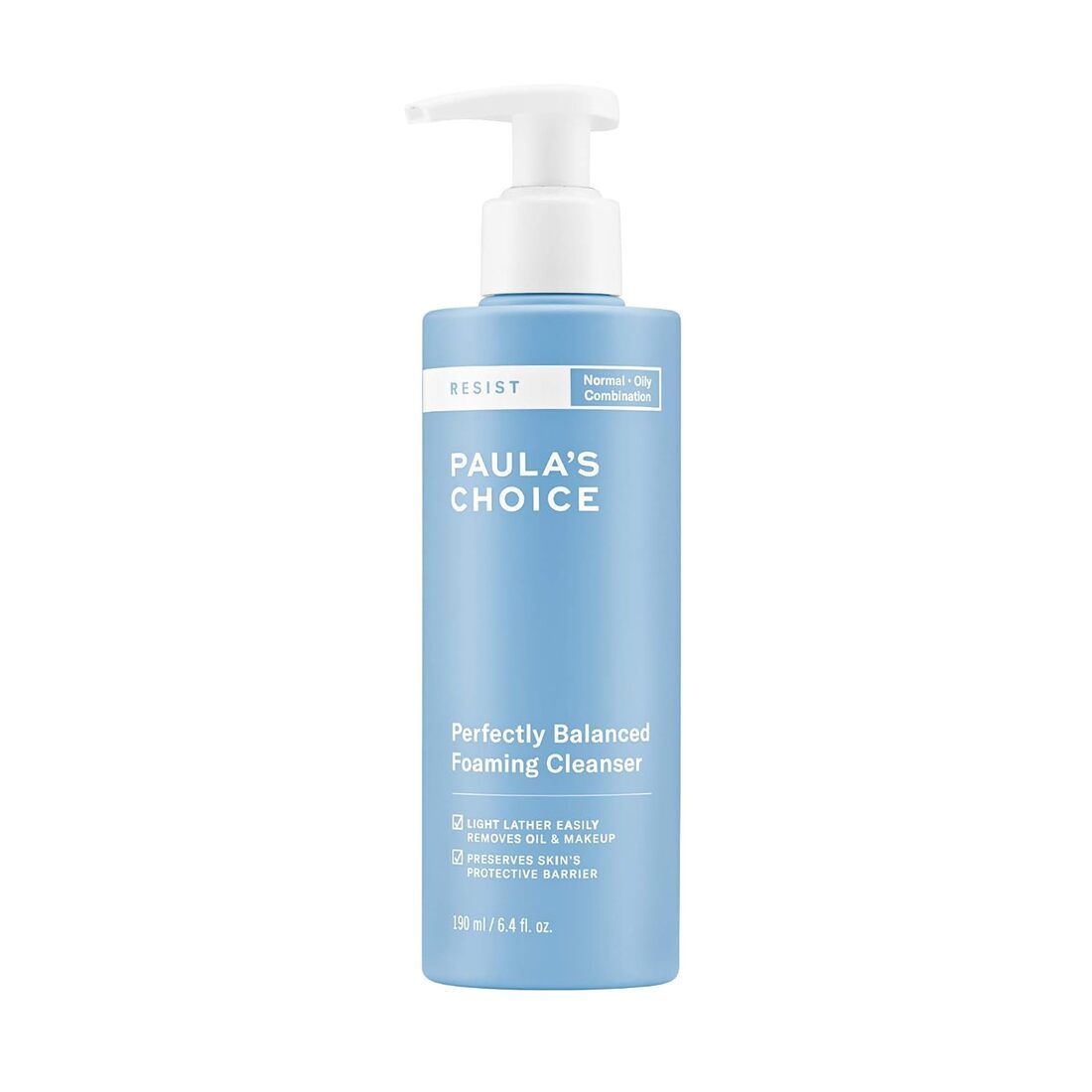 | Features: Gentle, foaming cleanser with ceramides and hyaluronic acid. Benefits: Cleanses without stripping moisture, perfect for dry and mature skin. Anti-Aging Benefits: Enriched with antioxidants, it helps protect the skin from free radicals, which contribute to signs of aging |
La Roche-Posay Retinol B3 Serum
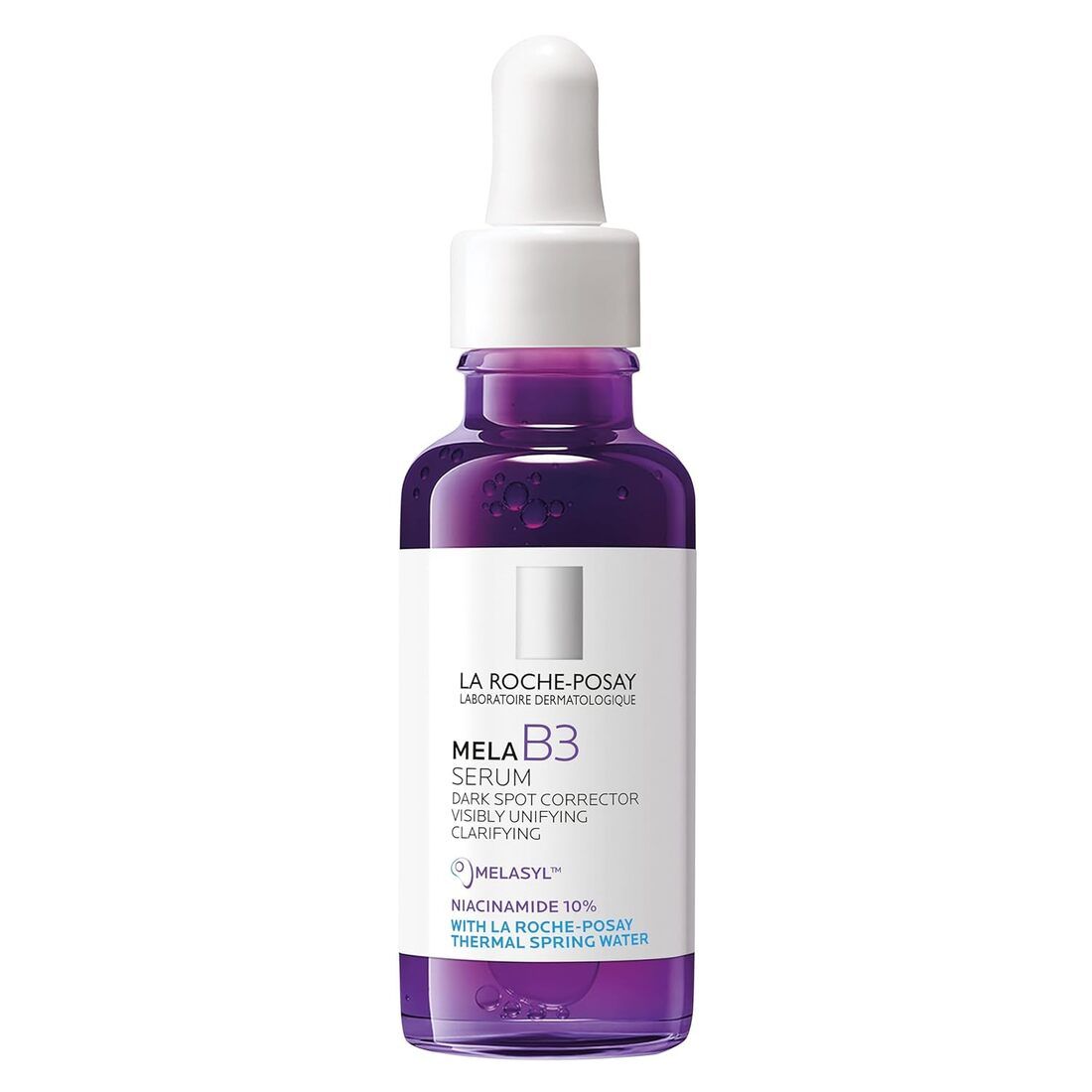 | Features: A mild retinol formula combined with vitamin B3 for hydration. Benefits: Smooths wrinkles and refines skin texture while minimizing irritation. |
Clinique Moisture Surge 100H Face Moisturizer
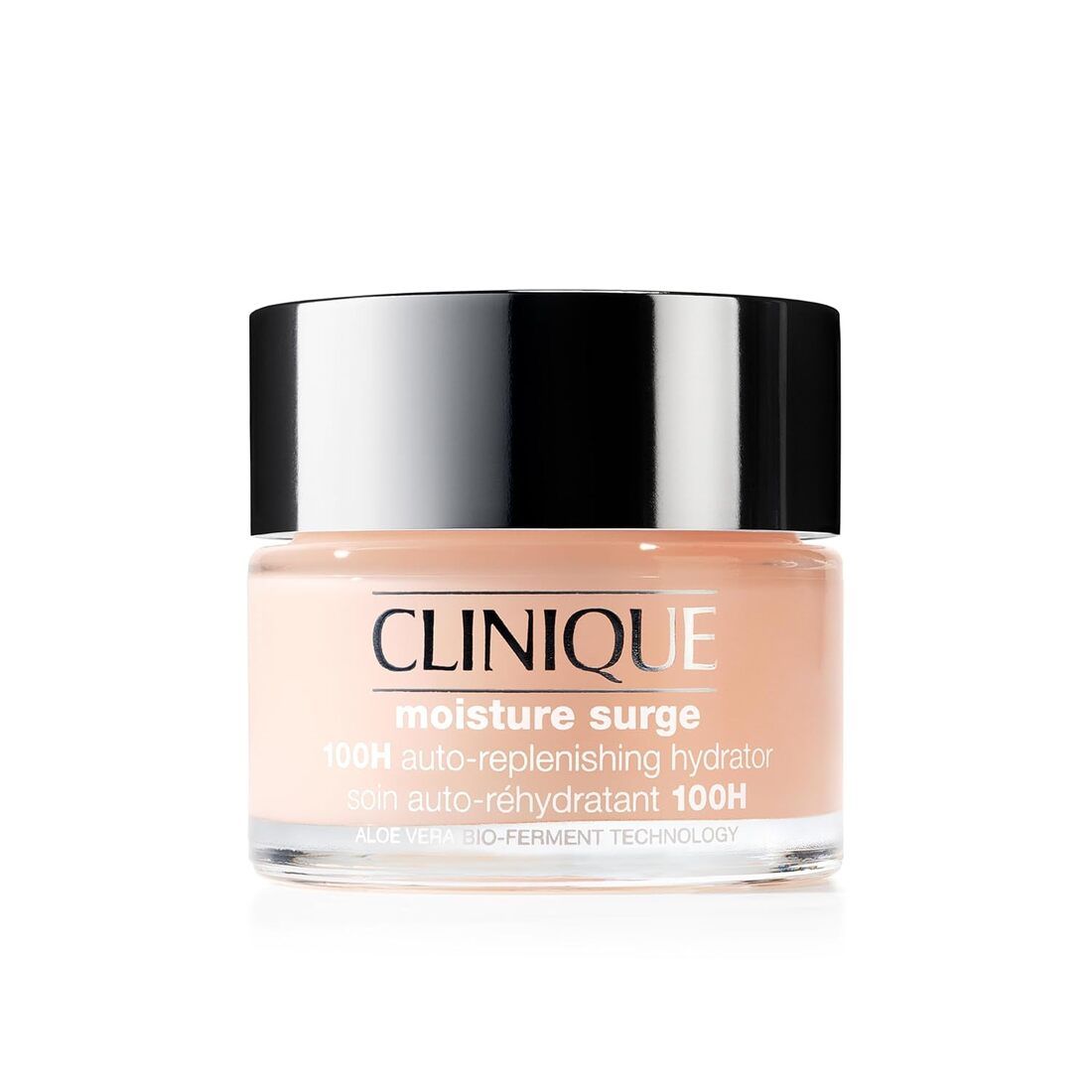 | Features: It contains hyaluronic acid for intense hydration. Benefits: Lightweight but deeply hydrating, perfect for mature skin needing moisture. |
EltaMD UV Clear Broad-Spectrum SPF 46
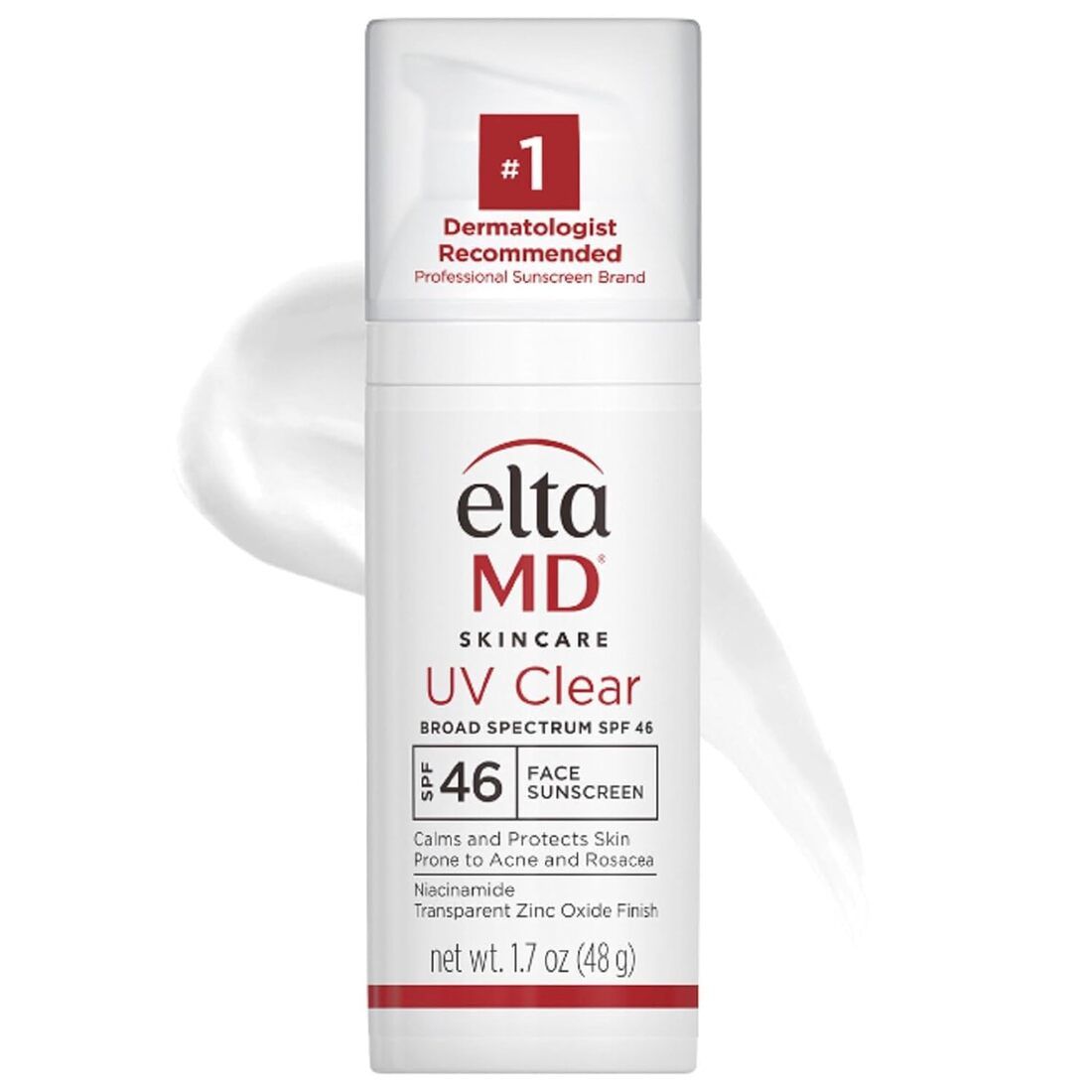 | Features: Lightweight sunscreen with broad-spectrum protection. Benefits: Protects against UVA and UVB rays while calming skin with niacinamide. |
Best Practices for Mature Skin Care
In addition to using the right products, following best practices can ensure your skincare routine is as effective as possible.
Stay Consistent
Consistency is key when it comes to skincare. Use your anti-aging products regularly and give them time to work. Visible results can take weeks or even months to appear.
Layer Products Correctly
Layer your skincare products from thinnest to thickest. Serums and treatments should go on first, followed by moisturizers and sunscreen.
Avoid Over-Exfoliation
Exfoliating too frequently can damage the skin barrier, leading to irritation and dryness. Stick to gentle exfoliation once or twice a week for best results.
Conclusion
Mature skin requires thoughtful care and attention to specific needs, but many myths can lead us astray. You can maintain healthier, more youthful-looking skin as you age by debunking common misconceptions and relying on scientifically backed practices. Focus on hydration, gentle anti-aging ingredients, and consistent sun protection to help your skin thrive. You can enjoy radiant, resilient skin for years with the right approach.