Manuka honey is prized for its stable, non-peroxide antibacterial activity largely linked to methylglyoxal (MGO) and is graded by UMF/MGO; flavor is bold, earthy, and medicinal. On the other hand, Sidr honey is renowned for lush, buttery sweetness and high phenolic content (strong antioxidant profile) but lacks a single global grading standard—so provenance and lab reports matter even more.
In this article, we will compare Manuka honey and Sidr honey in terms of source, bioactive signals, taste, texture, and price.
Fast Facts (Side-by-Side)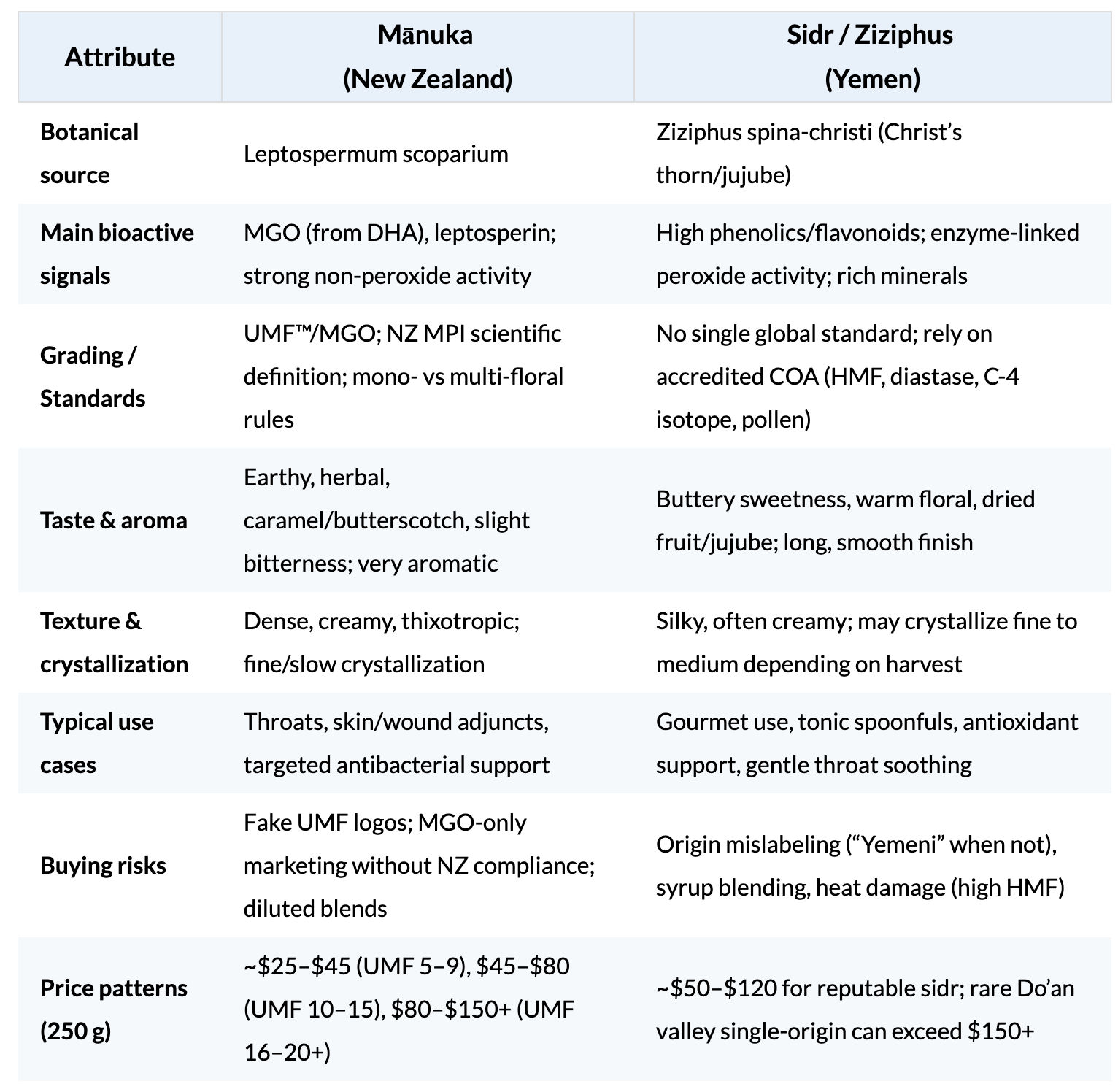
A Detailed Comparison Between Manuka and Sidr Honey
Origins & Terroir
Mānuka blooms on rugged New Zealand hillsides with a short flowering window. Remote apiaries and weather volatility limit yield but favor nectar chemistry rich in DHA that later converts to MGO. Whereas Sidr comes from Ziziphus trees thriving in Yemen’s arid valleys (e.g., Do’an/Hadramout). Altitude, rainfall timing, and soils shape nectar sugars and phenolic profiles—central to sidr’s signature flavor and antioxidant strength.
The Chemistry That Drives Benefits
Mānuka Honey Bioactive Compounds
- DHA → MGO: Dihydroxyacetone in fresh mānuka nectar gradually converts to methylglyoxal during storage, underpinning vigorous, stable non-peroxide antibacterial activity.
- Leptosperin: A mānuka-specific marker used for authenticity and quality assurance.
- UMF vs MGO: UMF integrates MGO, DHA, leptosperin and quality indicators, while MGO alone measures just one dimension of potency.
Sidr Bioactive Compounds
- Polyphenols & flavonoids: Sidr is notable for its robust antioxidant capacity, which supports broad antimicrobial effects, distinct from mānuka’s MGO-led activity.
- Enzymes & hydrogen peroxide: Like many honeys, sidr’s enzymatic activity generates peroxide-based antibacterial action that can complement its phenolics.
- Mineral & sugar profile: Typically high in fructose (creamy mouthfeel, fine crystallization) with mineral notes that add warmth to the flavor.
Practical takeaway: For targeted antibacterial intensity that stays potent on the shelf, mānuka with higher UMF is the simpler lever. For a luxury, antioxidant-forward honey with exquisite flavor, documented single-origin sidr stands out. |
Authenticity & Lab Testing
Mānuka Honey (New Zealand)
- MPI definition: Scientific criteria (chemical markers + Leptospermum DNA) govern use of the word “mānuka,” differentiating mono- vs multi-floral.
- UMF™ licensing: Independent audits and lab testing (MGO, DHA, leptosperin, freshness indicators). Look for the UMF™ mark, license number, and a batch/QR code.
- MGO-only labels: Useful but incomplete; ensure NZ origin and compliance if you want the full mānuka guarantee.
Shop Authentic Manuka
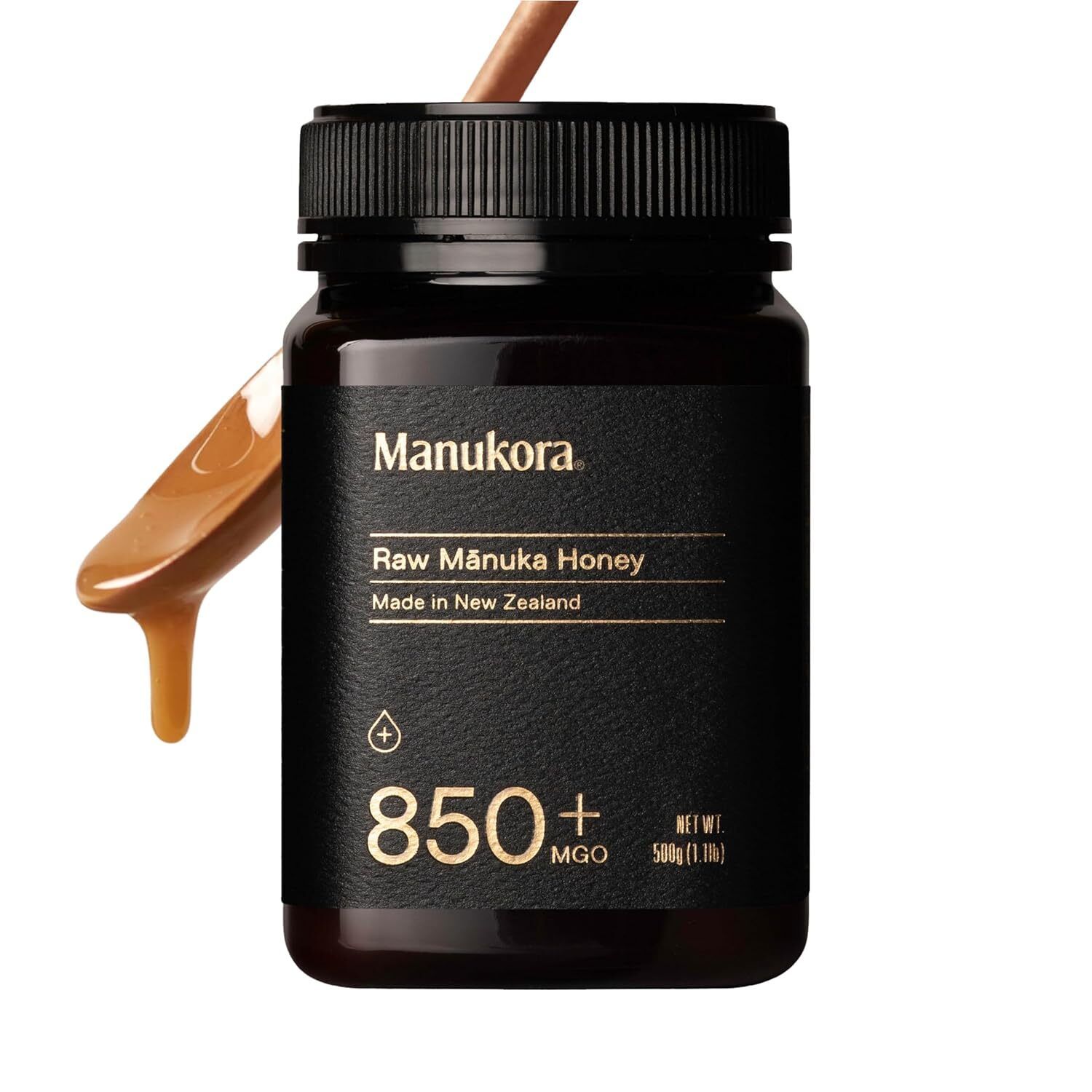
Manukora |
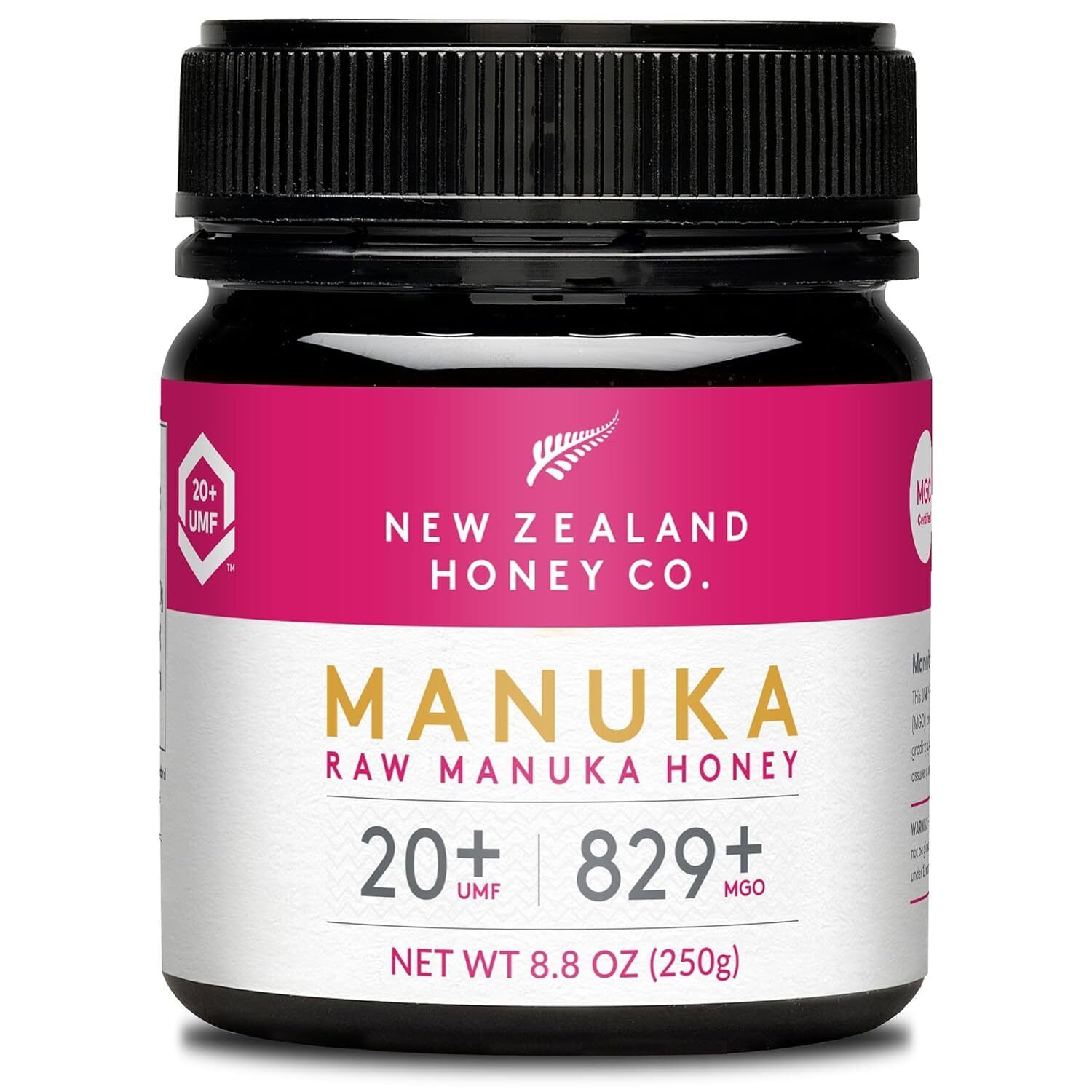
New Zealand Honey Co. |
Sidr (Yemen)
- No single global grading: Authenticity hinges on a Certificate of Analysis (COA) from an accredited lab.
- Key COA lines: Stable carbon isotope/C-4 sugar test (detects syrups), HMF (heat/age), diastase (enzyme freshness), moisture & water activity, antibiotics/pesticides (ND preferred), melissopalynology (pollen profile for Ziziphus).
- Provenance detail: Region (e.g., Do’an/Hadramout), harvest season, and an auditable supply chain matter as much as taste notes.
Shop Authentic Sidr
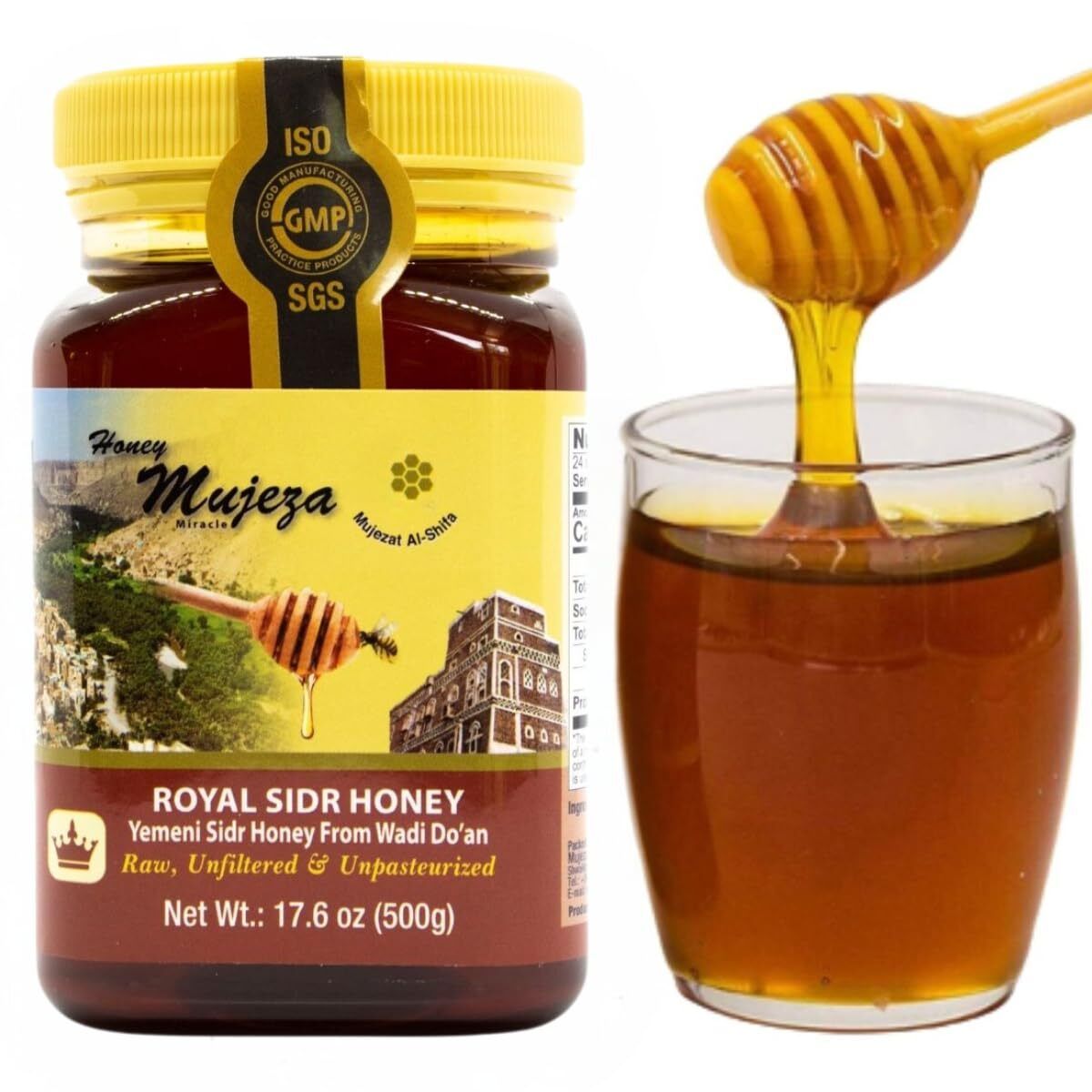
Mujeza |
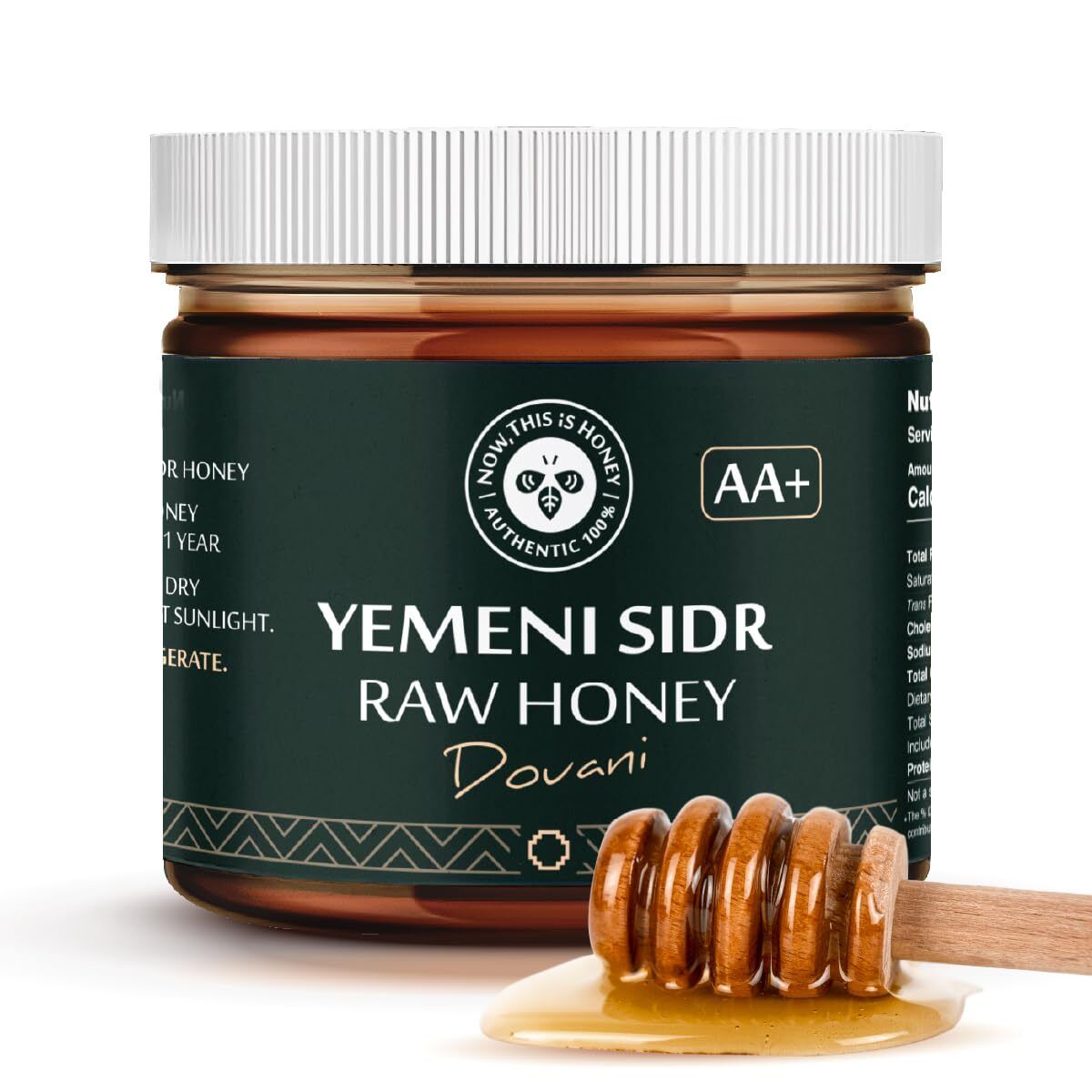
Now This Is Honey |
Sensory Profiles (Taste, Aroma, Texture)
Mānuka honey
- Taste: Bold, earthy, herbal, sometimes slightly bitter; caramel/butterscotch undertones.
- Aroma: Resinous, woody, medicinal notes.
- Texture: Dense, creamy, thixotropic; spreads thick; slow, fine crystallization.
Sidr Honey
- Taste: Luxuriously sweet, buttery, warm floral; hints of dried fruit/jujube; long smooth finish.
- Aroma: Floral-fruity with soft herbal warmth.
- Texture: Silky, often creamy; fine to medium crystallization depending on harvest.
Which Should You Choose?
- For everyday wellness & culinary pleasure: Choose high-quality sidr or mānuka UMF 10+. Sidr wins on flavor; mānuka adds measured non-peroxide activity.
- For throat, skin, targeted antibacterial support: Mānuka UMF 15–20+ for stronger activity. (Use topically only on intact skin unless advised by a clinician.)
- Antioxidant-forward tonics: Single-origin sidr with recent COA and clear provenance.
Price-per-Potency & Value:
Manuke vs. Sidr Honey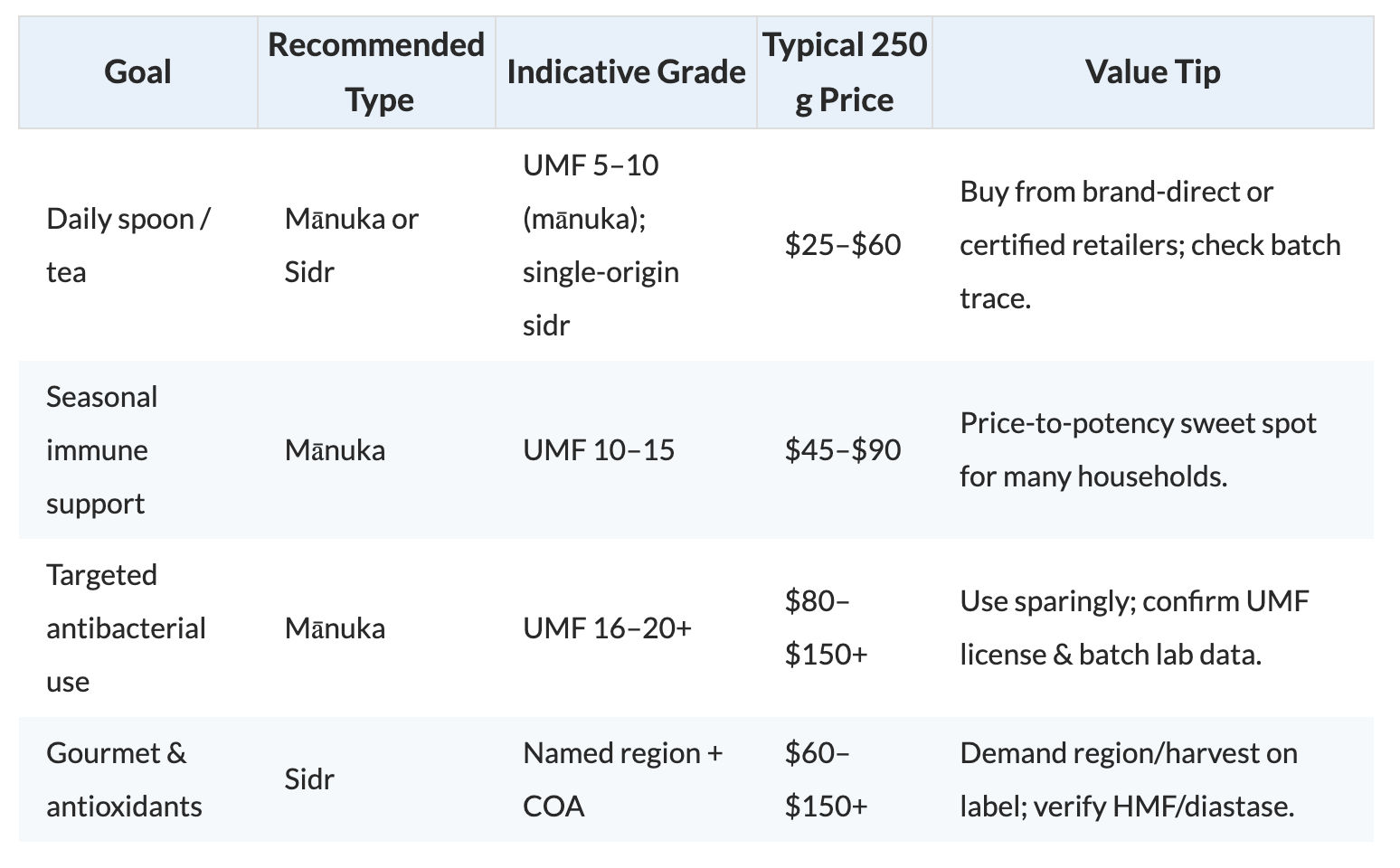
How to Avoid Buying Fake Manuka and Sidr Honey?
When buying Manuka or Sidr honey, pay attention to common fraud patterns such as:
- Mānuka: MGO number without NZ compliance; fake or look-alike “UMF” logos; blends sold as monofloral.
- Sidr: “Yemeni” on the label when it's actually sourced elsewhere; sugar-syrup blends; overheated stock (elevated HMF); reused or counterfeit jars.
12-Step Verification Checklist
- Country of origin: Mānuka should be produced and packed in New Zealand; Sidr should specify region (e.g., Do’an/Hadramout).
- Grading: For mānuka, prefer UMF™ with license number; MGO alone is not a full quality signal.
- MPI/monofloral: If “monofloral mānuka,” confirm compliance language on pack or site.
- Batch data: Look for a batch/lot code and QR-traceable lab results.
- COA (sidr): Ask for accredited lab results: C-4 isotope, HMF, diastase, moisture, residues.
- Pollen analysis: Helpful but not sufficient alone; should corroborate other tests.
- Price sanity: Be skeptical of prices far below typical brackets for the stated grade/origin.
- Packaging quality: Typos, poor print, or missing contact details are red flags.
- Retailer credibility: Prefer brand-direct stores or established, verifiable sellers.
- Freshness signals: Reasonable HMF/diastase ranges; recent harvest date disclosed.
- Storage & shipping: Avoid products exposed to heat/light; check tamper seals.
- Return policy: Reputable sellers stand behind authenticity with clear returns.
Bottom LineIf you want measured, label-backed antibacterial strength, choose certified mānuka and match UMF to your needs. If you want a lavish, antioxidant-rich honey with unmistakable flavor, choose single-origin Yemeni sidr with a recent COA. In both cases, authenticity is everything—verify grading, ask for lab reports, and buy from sellers who welcome scrutiny. |
FAQs
Is sidr as “medicinal” as mānuka?
They excel differently. Mānuka’s MGO-driven non-peroxide activity is unusually stable and quantifiable by UMF/MGO. Sidr’s strength leans on rich phenolics and enzymes with broad antioxidant and antimicrobial effects. Your choice should match your goal (precision antibacterial vs antioxidant-forward tonic and culinary luxury).
What UMF should I buy if I’m choosing mānuka for sore throats?
UMF 10–15 suits most household needs. For more targeted antibacterial intensity, UMF 16–20+ is often chosen—used sparingly due to cost.
How do I confirm Yemeni origin for sidr?
Look for a COA from an accredited lab (C-4 isotope, HMF, diastase), a named region (e.g., Do’an), harvest season, and a batch/QR trail. Buy from brand-direct or well-vetted retailers.
Are home tests (water/thread/thumb) reliable?
Home tests can hint at texture/purity but are not proof of authenticity. Lab documentation and traceability are the gold standard.