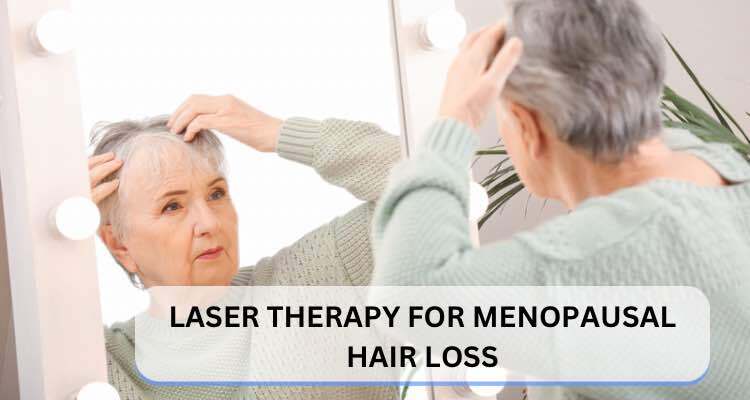
Menopause isn’t just about hot flashes, mood changes, or sleepless nights—it also involves a significant shift in hormonal balance that often leads to thinning hair. According to the North American Menopause Society, up to 40% of women experience noticeable hair thinning during or after menopause [1]. Despite its prevalence, hair loss in women is often underreported, which can delay seeking professional advice and effective treatment.
For many women, hair is a direct extension of their identity and confidence. When strands start shedding more than usual, it can trigger emotional distress and a sense of helplessness. Fortunately, advancements in hair restoration have spotlighted low-level laser therapy (LLLT), a non-invasive treatment that offers renewed hope for women navigating menopausal hair loss.
In this article, you will discover how laser therapy works, why it has become an increasingly popular option for menopausal women, and how to integrate it into a broader regimen for optimal hair health.
Key Takeaways:
|
What Is Menopausal Hair Loss?
Hormonal Changes and Hair Follicles
During menopause, levels of estrogen and progesterone drop, while the relative influence of androgens (like DHT) may increase. This hormonal shift can accelerate follicle miniaturization, where hair follicles become smaller and produce thinner, weaker hair. These hormonal imbalances disrupt the normal hair growth cycle, shortening the active phase (anagen) and prolonging the resting phase (telogen). Over time, follicles may become dormant, leading to visible thinning.
Common Signs and Symptoms
- Gradual Thinning on the Crown: Hair may look sparse around the part and at the top of the head.
- Excessive Shedding: More hair than usual may be found on pillows or in the shower drain.
- Changes in Hair Texture: Hair can become brittle, dry, or dull.
Lifestyle and Genetic Factors
Menopausal hair loss can be exacerbated by chronic stress, nutritional deficiencies (e.g., low iron or vitamin D levels), and genetic predispositions to androgenic alopecia. Underlying thyroid disorders or autoimmune diseases can also play a part. Identifying these contributing factors ensures a more personalized treatment approach.
Psychological Impact
Hair loss can trigger self-esteem issues, anxiety, and even social withdrawal. Women often feel they are “losing their femininity” when facing sudden changes in their appearance. Addressing the mental toll is crucial, so a holistic approach—combining physical treatments and emotional support—often yields the best outcomes.
An Overview of Laser Therapy
What Is Low-Level Laser Therapy (LLLT)?
LLLT uses low-intensity lasers or light-emitting diodes (LEDs) to stimulate cellular function in hair follicles. Unlike high-powered lasers used for cutting or ablative procedures, low-level lasers operate in a range that promotes tissue repair and healing without damaging the scalp. Notably, several LLLT devices have been cleared by the U.S. Food and Drug Administration (FDA) for use in both men and women, underscoring their growing credibility [2].
Key Mechanisms of Action
- Cellular Stimulation: Laser light penetrates the scalp, increasing cell ATP production. This boost in cellular energy can encourage hair follicles to exit the resting phase and re-enter the growth phase.
- Microcirculation Boost: Improved blood flow ensures follicles receive essential nutrients and oxygen, fueling healthier hair growth.
- Inflammation Reduction: By modulating inflammatory responses in the scalp, LLLT creates a healthier environment for hair follicles to thrive.
Types of LLLT Devices
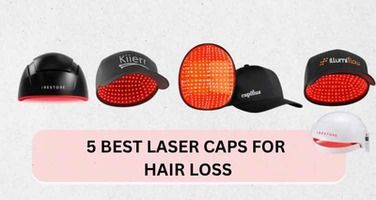
- Laser Combs and Brushes: Handheld devices designed for manual scalp treatment.
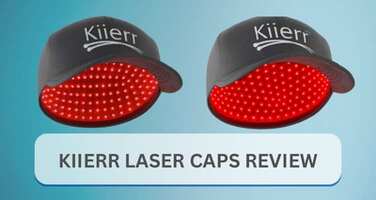
- Laser Helmets and Caps: Wearable, hands-free systems that deliver more uniform coverage.
- Clinical-Grade Lasers: Professional-grade machines administered by dermatologists or trichologists for higher power output and often faster results.
Scientific Evidence Supporting LLLT
A growing body of research shows that LLLT can significantly increase hair density, thickness, and overall scalp coverage. Clinical trials indicate that consistent usage over several months can yield measurable improvements in hair growth [3]. Peer-reviewed journals and reputable dermatology associations continue to explore LLLT’s efficacy, offering promising data for women seeking non-hormonal solutions.
The Role of Laser Therapy for Menopausal Hair Loss
Why Laser Therapy Is Especially Relevant for Menopausal Women
Because LLLT does not rely on systemic hormones, it’s an attractive option for women who either cannot or do not want to use hormone replacement therapy (HRT). Laser therapy pairs well with other interventions—like topical minoxidil or nutritional changes—allowing a multi-pronged approach to combating menopausal hair loss.
Efficacy and Expected Outcomes
Clinical studies often point to a 15–20% improvement in hair count and thickness after consistent use for 6–9 months [4]. While results vary by individual, many women report noticing decreased shedding within the first few weeks, followed by gradual thickening over subsequent months.
Tip: Consistency is the linchpin of success. Adhering to a set protocol over several months is crucial for achieving long-lasting results.
Common Protocols and Treatment Timeline
- Frequency: 3–4 sessions per week.
- Duration: Depending on the device's specifications, each session typically lasts 10–20 minutes.
- Treatment Cycle: Visible improvements often start around the 3-month mark, but most clinicians recommend continuing treatment for at least 6–12 months to consolidate gains.
Clinical vs. At-Home Laser Therapy
- Clinical Setting: Offers higher-grade lasers and professional oversight, which can be beneficial for complex cases. Treatments may be more expensive but can yield faster and more precise results.
- At-Home Devices: Provide convenience and cost savings. Ideal for maintenance therapy or for those with mild-to-moderate hair loss. However, at-home devices may have lower power outputs compared to professional units.
Safety, Side Effects, and Precautions
Known Side Effects
Laser therapy is generally well-tolerated. Some users experience mild scalp sensitivity, tingling, or temporary redness. Serious complications—like burns—are rare and often linked to incorrect device usage or subpar device quality.
Who Should Avoid Laser Therapy?
- Individuals with photosensitivity disorders or those taking medications that increase light sensitivity (e.g., certain antibiotics).
- People with active scalp infections, lesions, or recent surgeries (always consult a healthcare professional).
Safety Certifications and Quality Control
Look for FDA-cleared laser therapy devices. Reputable manufacturers provide detailed instructions, user support, and warranties. Counterfeit or uncertified products may not meet safety standards, posing risks to both scalp health and overall effectiveness.
Consulting a Healthcare Professional
Consult a dermatologist or trichologist before starting any hair loss treatment, especially if combined with hormone replacement therapy (HRT) or other medications. A professional evaluation ensures you receive a comprehensive diagnosis (e.g., ruling out thyroid issues or alopecia areata) and a tailored plan that addresses the root causes of hair thinning.
Complementary Therapies for Postpartum Hair Loss
Nutritional Support and Supplements
- Biotin (Vitamin B7): Crucial for keratin production and hair shaft integrity.
- Vitamin D and Iron: Deficiencies are linked to hair thinning; repletion can support regrowth [5].
- Balanced Diet: A diet rich in protein, healthy fats, and antioxidants can help maintain overall follicle health.
Note: Always check with a healthcare provider for personalized supplement advice.
Topical Solutions
- Minoxidil (Rogaine): FDA-approved for female pattern hair loss, often used in conjunction with LLLT to maximize regrowth potential.
- Scalp Serums: Products containing peptides, caffeine, or natural extracts can complement laser therapy by nourishing the scalp.
Holistic Approaches
- Stress Management: Techniques like yoga, mindfulness meditation, and cognitive behavioral therapy (CBT) can reduce cortisol levels. Chronic stress is known to exacerbate hair loss.
- Scalp Massage and Essential Oils: Gentle massage with essential oils like rosemary or peppermint can boost circulation, enhancing the benefits of laser therapy.
Future Outlook and Innovations
Emerging Technologies
Newer laser devices aim to reduce session times while improving overall power output and coverage. The integration of artificial intelligence (AI) may lead to personalized scalp diagnostics—helping identify the most effective wavelengths and intensities for each individual’s hair loss pattern.
Research Trends and Anticipated Breakthroughs
- PRP (Platelet-Rich Plasma) + LLLT: Early studies suggest this combination could accelerate regrowth by delivering growth factors directly to the follicles and then enhancing them with laser stimulation.
- Wearable Tech: Flexible, lightweight caps or discreet and powerful headbands make it easier to stay consistent without disrupting daily routines.
Predictions for 2025 and Beyond
Increasing affordability and user-friendly innovations will likely boost at-home LLLT adoption. More clinical studies will solidify best practices, making laser therapy a standard recommendation for menopausal hair loss alongside topical and nutritional interventions.
References and Further Reading
- North American Menopause Society. Menopause & Hair Loss: Prevalence of Thinning Hair in Midlife Women. 2022.
- U.S. Food and Drug Administration (FDA). 510(k) Clearances for Laser Therapy Devices for Hair Growth. Accessed online.
- Avci P, Gupta GK, et al. Low-Level Laser (Light) Therapy (LLLT) in Skin: Stimulating, Healing, and Restoring. Semin Cutan Med Surg. 2013;32(1):41-52.
- Dhahir H, Khan A. Systematic Review on Low-Level Laser Therapy for Hair Regrowth in Women. J Cosmet Dermatol. 2021.
- Almohanna HM, Ahmed AA, et al. The Role of Vitamins and Minerals in Hair Loss: A Review. Dermatol Ther (Heidelb). 2019;9(1):51-70.
By staying informed and taking proactive steps, you can harness the power of laser therapy to navigate menopausal hair loss with optimism and tangible results. Here’s to healthier, fuller hair in the years ahead!
Disclaimer: The statements in this article are for informational purposes only and have not been evaluated by the Food and Drug Administration. This article is not intended to diagnose, treat, cure, or prevent any disease. Consult a healthcare practitioner before starting any supplement regimen, especially if pregnant, nursing, or have underlying medical conditions.
✔️ Expert Review and Fact-Checking
This article has been reviewed by a hair expert from the Expert Hair Transplant Clinic in Istanbul, Türkiye.