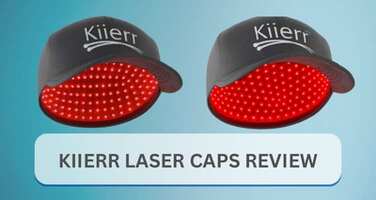
Postpartum hair loss is a common concern for many women after childbirth, often adding to the emotional and physical challenges of the postpartum period. This temporary hair thinning, known as telogen effluvium, occurs due to drastic hormonal changes—especially the decline in estrogen and progesterone levels—and the body’s recovery process. Research suggests that around 40%–50% of new mothers notice significant hair thinning within the first few months postpartum. Among the growing list of hair restoration treatments, laser therapy has emerged as a promising, non-invasive solution for women dealing with postpartum hair loss. But does it actually work?
In this article, we’ll explore the causes of postpartum hair loss, the science behind laser therapy, and whether this treatment can help women regain their hair health after childbirth.
Related: Best 5 Laser Caps For Hair Loss of 2025
What Is Postpartum Hair Loss?
Postpartum hair loss is a natural condition characterized by increased hair shedding after giving birth. While it may be alarming, it is typically temporary and linked to hormonal fluctuations. During pregnancy, elevated estrogen levels prolong the hair growth phase (anagen phase), resulting in thicker, fuller hair for many women. After delivery, estrogen levels drop, causing hair to enter the shedding (telogen) phase. This can lead to noticeable thinning and increased hair fall, particularly around the hairline.
Common Symptoms of Postpartum Hair Loss:
- Hair thinning at the temples and crown
- Excessive shedding during brushing or washing
- A noticeable decrease in hair volume
- Worsening hair fragility and breakage
How Does Laser Therapy Work for Hair Loss?
Laser therapy, also known as Low-Level Laser Therapy (LLLT), uses red or near-infrared light to stimulate hair follicles and promote growth. This non-invasive treatment targets the scalp to improve blood circulation, energize hair follicles, and reduce inflammation—all of which support healthier hair regrowth.
Mechanisms of Laser Therapy:
- Improves Blood Flow: Enhances nutrient delivery to the hair follicles, nourishing them for better growth.
- Stimulates Cellular Activity: Increases ATP (adenosine triphosphate) production in follicle cells, promoting hair regeneration.
- Reduces Inflammation: Helps soothe the scalp and creates a healthier environment for hair growth.
- Prolongs Growth Phase: Encourages hair follicles to remain in the anagen (growth) phase for longer periods.
Can Laser Therapy Help with Postpartum Hair Loss?
Laser therapy can effectively address postpartum hair loss, particularly for women experiencing significant thinning or slow regrowth after childbirth. In a 2017 review published in Dermatologic Surgery, LLLT improved hair density in individuals with mild-to-moderate hair loss.
1. Stimulates Dormant Follicles
Postpartum hair follicles may become dormant due to hormonal changes. Laser therapy reactivates these follicles, helping them re-enter the growth phase.
2. Enhances Scalp Health
Improved blood flow and reduced inflammation create an optimal environment for hair regrowth, addressing underlying issues that may delay recovery.
3. Safe for Postpartum Women
Unlike medications such as minoxidil or finasteride, laser therapy does not involve chemicals or hormones, making it a safer option for nursing mothers.
4. Supports Faster Recovery
Women who use laser therapy consistently may notice faster regrowth and improved hair density compared to those relying on natural recovery alone.
How to Use Laser Therapy for Postpartum Hair Loss
Laser therapy should be used regularly as part of a broader hair care routine to achieve the best results. Here’s a step-by-step guide:
- Choose the Right Device:
Invest in a high-quality laser cap or comb that is FDA-cleared for hair restoration. - Follow a Consistent Schedule:
Use the device 3-5 times a week for 10-20 minutes per session, as recommended by the manufacturer. - Combine with Scalp Care:
Pair laser therapy with nourishing shampoos, conditioners, and gentle scalp massages to boost effectiveness. - Be Patient:
Hair regrowth takes time. Most users begin to see improvements in 3-6 months, with significant results after a year (though some may notice subtle changes sooner).
Benefits of Laser Therapy for Postpartum Hair Loss
- Non-Invasive and Painless: No needles or medications are involved, making it a stress-free option.
- Safe for Nursing Mothers: Laser therapy does not interfere with breastfeeding or hormonal balance.
- Improves Hair Quality: Enhances thickness, density, and shine of regrown hair.
- Supports Long-Term Results: Regular use can help maintain healthy hair growth over time.
- Cost-Effective in the Long Run: While devices may be pricey upfront, repeated treatments aren’t necessary, making them potentially more affordable than other clinical options.
Potential Limitations of Laser Therapy
- Not an Overnight Solution: Results take time and require consistent use.
- Less Effective for Severe Loss: Women with advanced hair thinning or scarring may not achieve significant regrowth.
- Cost of Devices: High-quality laser caps or combs can be expensive, though they are a long-term investment.
- Potential Mild Scalp Irritation: Some users may experience temporary redness or warmth on the scalp.
FAQs About Laser Therapy for Postpartum Hair Loss
1. Is laser therapy safe for postpartum women?
Yes, laser therapy is safe and free from chemicals or hormones, making it suitable for nursing mothers.
2. How long does it take to see results?
Most women notice hair density and thickness improvements within 3-6 months of consistent use, though some see subtle changes sooner.
3. Can laser therapy prevent postpartum hair loss?
Laser therapy does not prevent the hormonal shedding phase but can speed up recovery and regrowth.
4. Are there any side effects?
Some users may experience mild scalp warmth or redness, which usually subsides quickly.
5. Can laser therapy be combined with other treatments?
Yes, pairing it with nourishing hair care products, a healthy diet, and possibly PRP (Platelet-Rich Plasma) or scalp microneedling can enhance results.
Tips for Managing Postpartum Hair Loss
- Maintain a Healthy Diet:
Ensure your diet includes hair-friendly nutrients like biotin, iron, and omega-3 fatty acids. Staying hydrated and including protein-rich foods can also help. - Stay Gentle with Your Hair:
Avoid harsh styling practices, tight hairstyles, or heat tools that can exacerbate thinning. - Use Postpartum-Friendly Products:
Choose shampoos and conditioners formulated for hair loss or thinning. - Manage Stress:
Postpartum life can be stressful. Consider techniques like yoga, deep breathing, or light walks to reduce stress-related shedding. - Consult a Specialist:
If hair loss persists or worsens, seek advice from a dermatologist or hair restoration expert.
Conclusion
Postpartum hair loss is a natural and temporary condition, but it can still be a source of distress for new mothers. Laser therapy offers a safe, effective, and non-invasive way to accelerate hair regrowth and improve hair density after childbirth. By stimulating follicles, enhancing scalp health, and supporting the natural regrowth process, laser therapy can help women feel confident and regain their hair’s vitality.
If you’re considering laser therapy for postpartum hair loss, consult a hair specialist to determine if it’s right for you. With patience, consistency, and the right approach, laser therapy can be a valuable ally in your postpartum recovery journey.
Suggested References and Further Readings
- Avci P, Gupta A, Sadasivam M, Vecchio D, Pam Z, Pam N, Hamblin MR. Low-level laser (light) therapy (LLLT) in skin: stimulating, healing, restoring. Semin Cutan Med Surg. 2013 Mar;32(1):41-52. PMID: 24049929; PMCID: PMC4126803.
- Further Reading & Consumer Guides:
– International Society of Hair Restoration Surgery (ISHRS)
– American Academy of Dermatology (AAD)
– Consumer’s Guide on Laser Devices for Hair Loss
Medical Disclaimer: This article is provided for general informational and educational purposes only and does not constitute medical advice. It is not intended to replace individualized care from a qualified healthcare professional. If you have concerns about postpartum hair loss or any other health-related issue, please consult a licensed physician or other appropriately trained medical professional. Never disregard medical advice or delay seeking it because of information presented here. The content herein is based on current research and expert opinions but does not guarantee specific results or outcomes. Individual responses to treatments may vary, and what is outlined may not be suitable or effective for every person. Always follow the guidance of your healthcare provider regarding any questions or decisions related to medical conditions, treatments, or lifestyle choices.