Female pattern baldness (FPB)—clinically known as androgenetic alopecia—affects millions of women worldwide. Contrary to the common misconception that hair loss is primarily a male problem, studies suggest that about 40% of women experience hair thinning by age 50 (Source: American Academy of Dermatology). The emotional and psychological toll can be significant, prompting many to explore cutting-edge solutions that offer real promise.
One increasingly popular option is laser therapy, particularly low-level laser therapy (LLLT), which has shown compelling results for hair regrowth and thickness improvement. In this article, we will delve into how laser therapy works, its effectiveness in treating FPB, how to choose the right device or clinic, and essential considerations to remember. We’ll also explore complementary treatments, costs, and future innovations—creating a definitive resource on this topic.
What Is Female Pattern Baldness (FPB)
Definition and Terminology
- What It Is: Female pattern baldness (FPB), or androgenetic alopecia, is a genetic condition that leads to progressive hair thinning primarily around the top of the scalp.
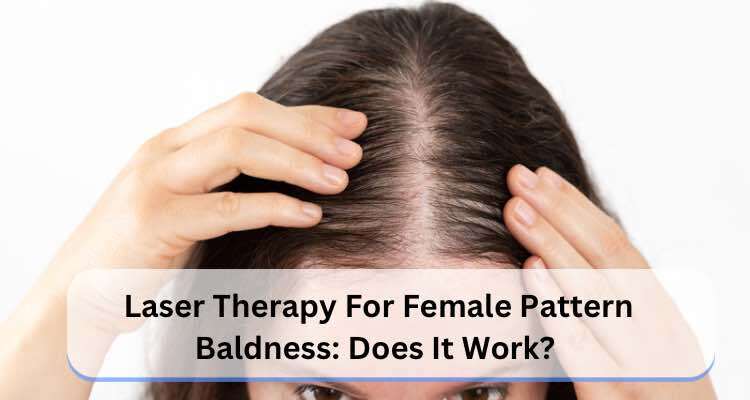
- How It Differs from Male Pattern Baldness: Unlike men, who typically develop a receding hairline and bald patches, women often notice a diffuse thinning that starts at the crown, sparing the frontal hairline in the early stages.
Causes and Risk Factors
- Genetics: A hereditary predisposition often plays a significant role, passed down through the maternal or paternal line.
- Hormonal Influences: An increased sensitivity of hair follicles to androgens (male hormones) can trigger thinning in women—especially around menopause.
- Lifestyle and Environmental Factors: Stress, poor nutrition, and certain medical conditions (e.g., thyroid disorders) can exacerbate or accelerate hair thinning.
Signs and Stages
Women experiencing FPB often notice gradual thinning at the crown of the head. Unlike male pattern baldness, the hairline is typically preserved in the early stages. Professionals use the Ludwig Scale—ranging from Ludwig I (mild) to Ludwig III (advanced)—to classify the degree of thinning.
The Science Behind Laser Therapy for Hair Loss
Laser Therapy For Hair Loss
- Low-Level Laser Therapy (LLLT): Non-invasive and widely used for both in-clinic sessions and home devices, such as laser caps and combs. LLLT devices typically use red or near-infrared light (650 nm–850 nm).
Mechanism of Action
Laser light at specific therapeutic wavelengths is absorbed by mitochondria in cells, boosting adenosine triphosphate (ATP) production. This enhanced cellular metabolism can increase blood flow to hair follicles and reduce inflammation, creating an environment more conducive to hair growth and healthier hair shafts.
FDA Clearances and Approvals
Numerous LLLT devices have received FDA clearance for safety and efficacy in treating hair loss. Examples include:
- HairMax Laser Comb
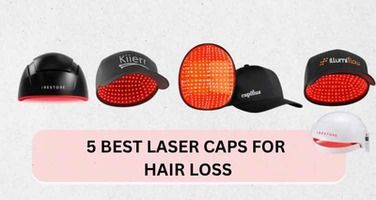
- iRestore Laser Helmet
- Capillus Laser Cap
FDA clearance generally signifies that a device is safe to market and has shown some benefit in clinical testing.
Scientific Evidence
A 2017 randomized, double-blind, placebo-controlled study published in Lasers in Surgery and Medicine found that women using low-level laser devices experienced significant increases in hair count and thickness. Further meta-analyses published in Dermatologic Surgery also highlight LLLT’s positive role in improving overall scalp coverage in patients with FPB.
Does Laser Therapy Work for Women?
Clinical Studies and Results
- Increased Hair Density: Many women report seeing notable changes in hair volume and thickness after consistent use (at least 3–6 months).
- Regrowth in Thinner Areas: Some participants in clinical trials experienced partial regrowth in notably thin areas, showing meaningful cosmetic improvements.
- Slowed Progression: Even when complete regrowth is not achieved, laser therapy often slows the progression of hair loss.
Success Factors
- Consistency: Following the recommended schedule—often three times a week for 15–30 minutes—is key to seeing results.
- Severity of Hair Loss: Early intervention typically yields better outcomes, as dormant hair follicles are more receptive than inactive ones.
- Adjunct Therapies: Combining laser therapy with topical agents like minoxidil or with platelet-rich plasma (PRP) injections can enhance results.
Realistic Expectations
While laser therapy is not a “miracle cure,” it is often an effective component of a comprehensive hair loss treatment plan. Consultations with a board-certified dermatologist or trichologist will help set realistic goals, such as increasing hair thickness or slowing hair loss, rather than expecting a complete and instantaneous reversal.
How to Choose a Laser Therapy Device
Types of Devices
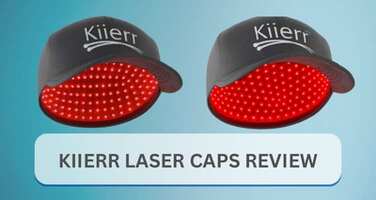
- Laser Helmets or Caps: Offer hands-free use; users can wear them while performing daily tasks.
- Laser Combs or Bands: Require manual operation but can precisely target areas of concern.
- In-Clinic Sessions: Performed under professional supervision, often using medical-grade machines for higher coverage in a shorter timeframe.
Factors to Consider
- Wavelength and Power Output: Look for devices that operate within the 650 nm–900 nm wavelength range proven to enhance hair follicle activity.
- FDA Clearance: Verifies that the device has met safety and efficacy standards.
- Price vs. Convenience: Clinic sessions can be more expensive, whereas at-home devices are an upfront investment but allow flexible use.
Complementary & Alternative Treatments
Topical and Oral Medications
- Minoxidil (Rogaine): FDA-approved for women, can be used alongside laser therapy for synergistic benefits.
- Spironolactone: A diuretic with anti-androgen properties, it reduces androgen levels that can contribute to hair loss.
Nutritional Supplements
- Biotin, Vitamin D, Iron: In cases of deficiency, supplementing these nutrients can bolster hair health, though evidence varies on direct regrowth benefits.
- Protein Intake: Since hair primarily comprises keratin (a protein), adequate protein in the diet supports strong, healthy follicles.
Platelet-Rich Plasma (PRP) Therapy
In PRP, a concentrated solution of the patient’s own platelets is injected into the scalp to promote healing and growth. Some studies suggest combining PRP with LLLT can enhance hair thickness and coverage.
Lifestyle Modifications
- Stress Management: Chronic stress can contribute to hormonal imbalances that exacerbate hair loss.
- Scalp Care: Regular scalp massages, gentle shampoos, and avoiding harsh styling practices can help maintain a healthy environment for hair growth.
Potential Risks, Side Effects, and Considerations
Potential Side Effects
- Mild Scalp Irritation: Possible minor redness, itching, or tingling sensation.
- Temporary Shedding: Some users notice a slight increase in shedding early on as the growth cycle resets.
When to Avoid Laser Therapy
- Light Sensitivity Disorders: Conditions like lupus or photosensitive dermatitis may be aggravated by laser exposure.
- Unmanaged Health Conditions: Speak with a healthcare provider if you have underlying issues that might interfere with treatment.
The Cost of Laser Therapy and Insurance Coverage
Range of Costs
- In-Clinic Sessions: $50–$200 per session, with weekly or biweekly visits often recommended for at least 3–6 months.
- Home Devices: $500–$2,000 depending on technology, brand, and design (comb, cap, helmet).
Insurance Factors
Because FPB treatments are frequently considered cosmetic rather than medically necessary, most insurance plans do not cover laser therapy. However, some Health Savings Accounts (HSAs) or Flexible Spending Accounts (FSAs) may reimburse certain medically supervised treatments.
Financing Options
- Payment Plans: Some clinics and device manufacturers offer 0% interest payment plans.
- Medical Credit Cards: Specialized financing for healthcare expenses (e.g., CareCredit).
Future Outlook and Innovations
Emerging Research
New laser devices are exploring different wavelengths within the red and near-infrared spectrums to optimize results. Researchers also continue to investigate the synergy of LLLT with advanced topical growth factors and next-generation oral medications.
Innovations in Device Design
Expect more lightweight, ergonomic laser caps and wearable headbands that integrate seamlessly into daily life—making it easier to stay consistent with treatments.
Holistic Approaches
More clinics are adopting an integrative strategy, combining LLLT with PRP, nutritional guidance, and stress management to optimize scalp health and hair regrowth potential.
Conclusion
Laser therapy has emerged as a promising solution for female pattern baldness, offering a non-invasive, scientifically supported method to slow hair thinning, encourage regrowth, and rejuvenate the scalp environment. Although individual results vary based on factors like the severity of hair loss and adherence to treatment protocols, many women report noticeably fuller, thicker hair within several months of consistent use.
If you're considering laser therapy, consult with a board-certified dermatologist or qualified hair restoration specialist. A personalized treatment plan—often combining laser therapy with topical treatments, PRP, or other interventions—will maximize your chances of success. With ongoing research and technological advancements, laser therapy for women's hair loss continues to evolve, providing renewed hope for those seeking effective, long-term solutions.
References & Recommended Reading
- American Academy of Dermatology (AAD). “Female Pattern Hair Loss.”
- Avci et al. (2017). “Low-level Laser (Light) Therapy (LLLT) in Skin: Stimulating, Healing, Restoring.” Lasers in Surgery and Medicine.
- Jimenez et al. (2014). “Efficacy and Safety of a Low-Level Laser Device in the Treatment of Male and Female Pattern Hair Loss.” Lasers in Surgery and Medicine.
- International Society of Hair Restoration Surgery (ISHRS). “Facts & Stats.”
- Kelly Y, Blanco A, Tosti A. Androgenetic Alopecia: An Update of Treatment Options. Drugs. 2016 Sep;76(14):1349-64. doi: 10.1007/s40265-016-0629-5. PMID: 27554257..”