If you’ve been exploring options to combat hair thinning or stimulate regrowth, you’ve likely come across Low-Level Laser Therapy (LLLT) devices—specifically, laser combs and laser caps. Both options utilize focused light energy to revitalize hair follicles, but which solution is the most effective, convenient, and cost-efficient for you? In this in-depth guide, we’ll dive into how laser combs and caps work, examine clinical evidence, compare ease of use, and offer tips on maximizing your hair growth journey.
Jump Ahead to:
- What Is Low-Level Laser Therapy (LLLT)
- Laser Comb: How It Works, Pros, and Cons
- Laser Cap: How It Works, Pros, and Cons
- Key Comparisons: Efficacy, Convenience, and Cost
- What Do Clinical Studies Say?
- Expanded FAQs on Laser Combs and Caps
- Which One is Right for You?
- Final Thoughts
What Is Low-Level Laser Therapy (LLLT)?
Low-Level Laser Therapy (LLLT), also known as photobiomodulation, is a non-invasive treatment that uses low-intensity laser or LED light to stimulate cellular metabolism. For hair growth, LLLT devices target hair follicles to:
- Improve blood flow to the scalp.
- Boost ATP (cellular energy) production within follicular cells.
- Encourage hair follicles to move from the resting (telogen) phase into the growth (anagen) phase.
How LLLT Supports Hair Growth
- Enhanced Follicle Activity: Laser energy can reawaken dormant follicles.
- Reduced Inflammation: Laser therapy can help lower scalp inflammation that hinders hair growth.
- Increased Nutrient Delivery: Improved blood circulation delivers more nutrients to hair roots.
Laser Comb: How It Works, Pros, and Cons
How a Laser Comb Works
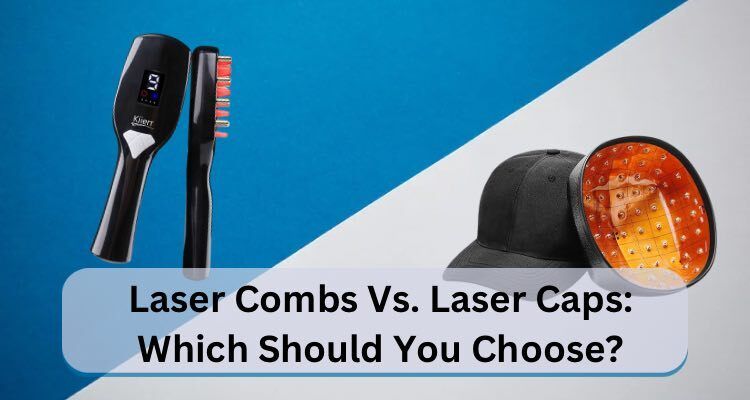
A laser comb is a handheld device embedded with low-level lasers or LEDs. The light penetrates your scalp as you comb it through your hair, delivering energy to hair follicles. The comb design ensures the light reaches the follicles more directly by parting the hair with each stroke.
Pros of Laser Combs
- Targeted Application: You guide the comb over specific areas of thinning hair.
- Generally Lower Cost: Laser combs often have a lower price point than laser caps.
- Lightweight & Portable: Easy to carry along when traveling.
Cons of Laser Combs
- Manual Effort: You must actively move the comb for the entire treatment session.
- User Technique Variability: Inconsistent technique may lead to uneven coverage.
- Longer Treatment Sessions: Most combs require 10–20 minutes of active combing multiple times per week.
Laser Cap: How It Works, Pros, and Cons
How a Laser Cap Works
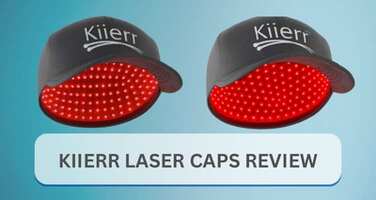
Laser caps (also called laser helmets or hoods) typically involve a cap-like device lined with numerous laser diodes. Once placed on the head and turned on, the cap emits low-level light that targets hair follicles across the entire scalp simultaneously.
Pros of Laser Caps
- Hands-Free Convenience: Place it on your head and go about your activities.
- Even Coverage: The uniform array of diodes gives widespread exposure without technique issues.
- Time Efficiency: Most caps require shorter sessions (often 6–15 minutes, a few times per week).
Cons of Laser Caps
- Higher Cost: Laser caps are typically more expensive than combs.
- Bulkier Design: Although many modern caps are lightweight, some may feel less portable or less discreet.
- Battery & Charging: Remember to keep the device charged; some come with portable battery packs.
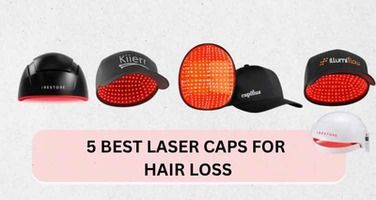
Related: 5 Best Laser Caps for Hair Loss in 2025
Key Comparisons: Efficacy, Convenience, and Cost
1. Efficacy
- Laser Comb: Effective if used correctly, with consistent coverage and the recommended session length.
- Laser Cap: Often perceived as more foolproof since it offers uniform coverage and minimal user error.
2. Convenience
- Laser Comb: Requires manual combing and attention throughout each session.
- Laser Cap: Offers hands-free treatment, allowing you to read, watch TV, or work while the device operates.
3. Cost
- Laser Comb: Typically ranges from $200 to $400, depending on brand and quality.
- Laser Cap: Often $500 to $3,000 or more, reflecting a broader range of diodes and technology.
4. Versatility and Lifestyle Fit
- Laser Comb: Ideal if you prefer a lower initial investment and don’t mind manual sessions.
- Laser Cap: Perfect for busy lifestyles, needing a low-maintenance approach—just pop it on and carry on with your day.
What Do Clinical Studies Say?
Studies published in peer-reviewed journals have shown that Low-Level Laser Therapy can be beneficial in stimulating hair regrowth and slowing hair loss. Although individual results vary, many patients report improved hair thickness and fullness over 3–6 months of consistent use.
- A 2017 study in the Journal of Cosmetic and Laser Therapy found that LLLT significantly increased hair density in participants over a 24-week period.
- The devices are often FDA-cleared for treating androgenetic alopecia (pattern hair loss), indicating they meet safety and efficacy standards.
Expanded FAQs on Laser Combs and Caps
1. Do laser combs really regrow hair?
Yes, laser combs can contribute to hair regrowth for many individuals. Low-Level Laser Therapy (LLLT) devices like laser combs work by emitting specific wavelengths of light that penetrate the scalp, stimulating hair follicles. This stimulation can increase blood flow, enhance cellular metabolism, and prolong hair follicles' growth phase (anagen). Clinical studies have shown that consistent use of laser combs can lead to increased hair density and thickness over time. However, results may vary based on individual factors such as the underlying cause of hair loss, adherence to treatment protocols, and overall health.
2. Do laser hair growth caps really work?
Yes, laser hair growth caps are effective for many users. These devices utilize Low-Level Laser Therapy (LLLT) to deliver light energy to the scalp, which can stimulate hair follicles, improve blood circulation, and promote hair growth. Numerous clinical studies support the efficacy of laser caps in increasing hair density and reducing hair thinning. Consistent use per the manufacturer's guidelines is essential for optimal results. It's important to note that individual outcomes can vary, and combining LLLT with other treatments may enhance effectiveness.
3. Is a laser helmet better than a laser comb?
Whether a laser helmet (or cap) is better than a laser comb depends on your preferences and lifestyle. Laser helmets/caps offer hands-free convenience and even coverage of the entire scalp, making them ideal for those with busy schedules or who prefer a more passive treatment approach. They typically require shorter session times and eliminate the need for manual operation.
On the other hand, laser combs provide targeted treatment, allowing you to focus on specific areas of thinning hair. They are generally more portable and often come at a lower price point. However, they require active participation during each session, which might be less convenient for some users.
Ultimately, the "better" option is subjective and depends on budget, lifestyle, and treatment preferences.
4. Does the Theradome actually work?
Theradome is a popular brand offering FDA-cleared laser helmets designed to treat hair loss using Low-Level Laser Therapy (LLLT). Clinical studies and user testimonials suggest that Theradome devices can effectively promote hair growth and improve density. The helmet's design ensures consistent and even light distribution across the scalp, enhancing its efficacy. However, as with any treatment, individual results may vary based on factors like the underlying cause of hair loss, frequency of use, and adherence to the recommended treatment schedule. It's advisable to consult with a healthcare professional before starting any new hair loss treatment.
5. Can I use a laser comb every day?
Using a laser comb every day is generally considered safe and can be effective for promoting hair growth. However, following the manufacturer's guidelines regarding usage frequency and duration is essential. Overusing beyond recommended limits may not provide additional benefits and could lead to scalp irritation. Typically, laser combs are designed for use several times a week rather than daily. Always consult the user manual or a healthcare professional to determine the optimal usage schedule for your specific device and hair health needs.
6. What are the side effects of laser hair combs?
Laser hair combs are generally safe with minimal side effects. Most users experience no adverse effects, but some may encounter mild scalp irritation, redness, or itching, especially if they have sensitive skin. These reactions are usually temporary and subside shortly after treatment. It's crucial to use the device as directed and avoid excessive use to minimize the risk of side effects. If you experience persistent discomfort or any unusual symptoms, discontinue use and consult a healthcare professional.
7. How long do laser combs last?
The lifespan of a laser comb varies depending on the brand, model, and frequency of use. On average, most laser combs are designed to last between 3 to 5 years with regular use. Key factors influencing durability include the quality of the laser diodes, battery life, and overall build quality. Proper maintenance, such as keeping the device clean and storing it as recommended, can extend its longevity. It's advisable to check the manufacturer's warranty and guidelines to understand the expected lifespan of your specific laser comb model.
8. How often should I use a laser cap?
The recommended usage frequency for a laser cap typically ranges from 2 to 4 times per week, depending on the device and individual hair loss severity. Each session usually lasts between 20 to 30 minutes. Consistency is crucial for achieving optimal results, as regular stimulation of the hair follicles enhances the effectiveness of Low-Level Laser Therapy (LLLT). Always adhere to the manufacturer's instructions and consult with a healthcare professional to establish a usage schedule tailored to your specific needs and treatment goals.
9. What happens if you stop using a LaserCap?
If you discontinue using a LaserCap, any progress in hair growth and density may gradually diminish. Low-Level Laser Therapy (LLLT) helps maintain hair growth by continuously stimulating the hair follicles. Without ongoing treatment, the follicles may revert to their previous state, potentially leading to the resumption of hair thinning or loss. To sustain the benefits achieved through LLLT, it's essential to continue using the device as recommended. Consult with a healthcare professional before making any changes to your treatment regimen.
10. How long does it take to see results from a laser cap?
Most users begin to notice hair thickness and density improvements within 3 to 6 months of consistently using a laser cap. Clinical studies have shown that significant results can often be observed after 24 weeks of regular treatment. Factors influencing the timeline include the underlying cause of hair loss, the severity of thinning, individual response to therapy, and adherence to the recommended usage schedule. Patience and consistency are key, as hair growth is a gradual process.
11. Do laser caps have side effects?
Laser caps are generally safe and well-tolerated, with minimal reported side effects. Some users might experience mild scalp irritation, redness, or itching, especially during the initial stages of use. These reactions are temporary and subside as your scalp adjusts to the treatment. It's important to follow the manufacturer's guidelines and avoid overuse to minimize the risk of side effects. If you experience persistent discomfort or any unusual symptoms, discontinue use and consult a healthcare professional.
12. Can lasers really regrow hair?
Yes, lasers can contribute to hair regrowth through Low-Level Laser Therapy (LLLT). LLLT stimulates hair follicles by enhancing blood circulation, increasing cellular metabolism, and prolonging the hair cycle's anagen (growth) phase. Numerous clinical studies have demonstrated the efficacy of laser devices in increasing hair density and thickness, particularly in cases of androgenetic alopecia (pattern hair loss). However, results can vary based on individual factors such as the cause of hair loss, genetics, and adherence to treatment protocols.
13. Will my hair ever grow back after laser hair removal?
Laser hair removal differs from Low-Level Laser Therapy (LLLT) used for hair growth. Laser hair removal reduces or eliminates unwanted hair by targeting and destroying hair follicles. While it can lead to permanent hair reduction, some hair regrowth may occur over time, especially if treatments are not completed as recommended. Factors influencing regrowth include hair color, skin type, and the specific laser technology. It's essential to consult with a qualified professional to understand the expected outcomes and maintenance requirements of laser hair removal treatments.
14. Do LED combs work for hair growth?
Yes, LED combs can be effective for promoting hair growth. Like laser combs, LED combs utilize specific wavelengths of light to stimulate hair follicles through Low-Level Light Therapy (LLLT). The light energy penetrates the scalp, enhancing blood flow, increasing cellular activity, and prolonging the hair's growth phase. Clinical studies have shown that consistent use of LED and laser combs can improve hair density and thickness over time. However, the efficacy may vary based on the device's light intensity, wavelength, and treatment regimen.
15. Are laser combs FDA-approved?
Many laser combs available on the market are FDA-cleared for treating hair loss. FDA clearance indicates that the device has been reviewed for safety and efficacy based on the manufacturer's claims. However, it's important to verify the FDA status of a specific laser comb model before purchase. Look for devices explicitly mentioning FDA clearance or approval in their product descriptions or consult the manufacturer for confirmation. Using FDA-cleared devices ensures adherence to safety standards and increases the likelihood of achieving desired results.
16. Do hair fall off after laser?
Low-Level Laser Therapy (LLLT) for hair growth, including laser combs and caps, is designed to promote growth, not remove hair. However, some users might experience an initial shedding phase when starting LLLT. This shedding is often a sign that weaker hairs are being replaced by stronger, healthier ones—a process known as "shedding" in hair restoration. It's a temporary phase and typically resolves as hair growth continues. If you experience excessive hair loss or other concerning symptoms, discontinue use and consult a healthcare professional.
17. Are laser combs effective?
Yes, laser combs are effective for many individuals seeking to address hair thinning and promote regrowth. By delivering Low-Level Laser Therapy (LLLT) directly to the scalp, laser combs stimulate hair follicles, enhance blood circulation, and increase cellular metabolism. Clinical studies have demonstrated that consistent use of laser combs can significantly improve hair density and thickness over time. However, effectiveness varies based on factors such as the cause of hair loss, device quality, and adherence to treatment protocols.
18. How often should you laser hair?
For optimal results, laser hair therapy devices like combs and caps are typically recommended for use 2 to 4 times per week, with each session lasting between 10 to 30 minutes depending on the device. Consistent and regular treatments are essential to stimulate hair follicles effectively and maintain the benefits of Low-Level Laser Therapy (LLLT). It's important to follow the manufacturer's guidelines and consult with a healthcare professional to establish a personalized treatment schedule that aligns with your hair growth goals and lifestyle.
19. Are laser hair caps safe?
Yes, laser hair caps are generally safe for most users when used as directed. They utilize Low-Level Laser Therapy (LLLT), a non-invasive and painless treatment method. The light emitted by laser caps is designed to penetrate the scalp without causing damage to the skin or underlying tissues. Common side effects are minimal and may include mild scalp irritation or redness, which typically resolves by itself. It's important to use FDA-cleared devices to ensure safety and adhere to the recommended usage guidelines. Individuals with certain medical conditions or photosensitive medications should consult a healthcare professional before starting LLLT.
20. Why is a laser cap so expensive?
Laser caps tend to be more expensive than laser combs due to several factors:
- Number of Diodes: Laser caps often contain a higher number of laser diodes, providing more extensive scalp coverage for enhanced effectiveness.
- Advanced Technology: Higher-end models may incorporate superior laser technology, adjustable settings, and improved materials for comfort and durability.
- Build Quality: Laser caps are typically designed for prolonged use and feature robust construction and premium materials.
- Brand Reputation: Established brands with a track record of efficacy and reliability may price their products higher.
- Additional Features: Features such as rechargeable batteries, wireless operation, and ergonomic designs can contribute to the higher cost.
While the initial investment for a laser cap is greater, many users find the comprehensive coverage and convenience justify the expense, especially when considering long-term hair growth benefits.
21. Is a laser comb better than a laser cap for curly hair?
For individuals with curly hair, the choice between a laser comb and a laser cap depends on specific needs and preferences:
- Laser Comb: Curly hair can sometimes make it challenging to ensure even coverage with a laser comb, as the hair's texture might obstruct the light from reaching the scalp effectively. However, laser combs still allow for targeted treatment of specific thinning areas.
- Laser Cap: A laser cap provides more uniform and comprehensive coverage across the entire scalp, which can be particularly beneficial for those with curly hair. The design of laser caps ensures that light reaches all areas of the scalp simultaneously, minimizing the risk of uneven treatment caused by hair texture.
Overall, a laser cap may offer better performance for individuals with curly hair due to its ability to deliver consistent light exposure across the scalp.
22. What is HairMax, and how does it compare to other LLLT devices?
HairMax is a well-known brand specializing in hair restoration devices that utilize low-level laser therapy (LLLT) to promote hair growth and reduce hair loss. HairMax offers a range of products, including laser combs, caps, and brushes, each designed to cater to different user preferences and needs.
Comparison with Other LLLT Devices:
- Technology: HairMax employs FDA-cleared laser technology with varying numbers of laser diodes across different models, ensuring effective scalp coverage.
- Design: HairMax products are designed for comfort and ease of use, with ergonomic features that enhance the user experience.
- Efficacy: Clinical studies and user testimonials support the effectiveness of HairMax devices in increasing hair density and thickness.
- Price Point: HairMax devices are generally positioned in the mid to high price range, reflecting their advanced technology and brand reputation.
- Support and Warranty: HairMax offers robust customer support and warranties, providing product quality and longevity assurance to users.
Overall, HairMax stands out in the LLLT market for its commitment to quality, clinical validation, and user-centric design, making it a competitive choice among hair growth devices.
23. What is a laser cap, and how does it work?
A laser cap, a laser helmet or hood, is a wearable device designed to treat hair loss and promote hair growth using Low-Level Laser Therapy (LLLT). Here's how it works:
- Laser Diodes: The cap is embedded with multiple laser diodes that emit specific wavelengths of light, typically in the red or near-infrared spectrum.
- Light Penetration: When worn, the lasers emit light that penetrates the scalp, reaching the hair follicles.
- Cellular Stimulation: The light energy stimulates cellular activity within the follicles, enhancing blood circulation and increasing ATP (adenosine triphosphate) production.
- Hair Growth Promotion: This stimulation encourages hair follicles to transition from the resting (telogen) phase to the growth (anagen) phase, promoting thicker and fuller hair.
Laser caps are designed for hands-free use, allowing users to engage in other activities while undergoing treatment. Consistent use as per the manufacturer's guidelines is essential for achieving optimal results.
24. What is the best laser comb for hair growth?
Determining thebest laser comb for hair growth depends on individual needs, preferences, and budget. However, some of the top-rated laser combs in the market include:
- HairMax LaserComb: Known for its FDA-cleared technology and clinical backing, it offers effective results with regular use.
- iRestore Laser Comb: Combines laser diodes with LED lights to enhance treatment efficacy and is praised for its ergonomic design.
- Nuface Hair Stimulator: Offers a portable and user-friendly design with a focus on targeted treatment areas.
- Philips HairMax LaserComb: Renowned for its reliability and consistent performance in promoting hair growth.
- LaserCap by Capillus: While technically a cap, it's often compared with combs for its comprehensive coverage and ease of use.
When choosing the best laser comb, consider factors such as the number of laser diodes, FDA clearance, ease of use, battery life, warranty, and customer reviews to ensure it aligns with your hair growth goals and lifestyle.
25. How does the HairMax Laser Cap perform compared to other laser caps?
The HairMax Laser Cap is highly regarded in the LLLT market for its performance and efficacy. Compared to other laser caps, HairMax stands out due to:
- FDA Clearance: HairMax Laser Caps are FDA-cleared, ensuring they meet stringent safety and efficacy standards.
- Laser Diode Density: HairMax caps typically feature a high density of laser diodes, providing comprehensive scalp coverage for effective treatment.
- Design and Comfort: The caps are designed for comfort and ease of use, with adjustable sizes to fit various head shapes and sizes.
- Clinical Validation: HairMax has a strong foundation of clinical studies supporting the effectiveness of their devices in promoting hair growth.
- User Experience: Positive user reviews often highlight the cap's effectiveness, durability, and ease of incorporation into daily routines.
While there are other reputable brands in the market, HairMax Laser Caps are frequently preferred for their proven track record, advanced technology, and commitment to quality, making them a top choice among consumers seeking effective LLLT solutions for hair growth.
26. Does HairMax cause cancer?
There is no scientific evidence to suggest that HairMax devices cause cancer. HairMax products utilize Low-Level Laser Therapy (LLLT), which employs non-ionizing red or near-infrared light to stimulate hair follicles. This type of light does not carry enough energy to damage DNA or cause cancer. HairMax devices are FDA-cleared, indicating they have undergone rigorous testing to ensure safety and efficacy. However, it's essential to use the devices as directed and consult with a healthcare professional if you have specific health concerns or conditions.
27. What are HairMax laser comb's features and benefits?
HairMax Laser Combs are designed with several features and benefits that make them effective for promoting hair growth:
- FDA-Cleared Technology: Ensures safety and effectiveness for treating hair loss.
- Laser Diodes: Equipped with multiple laser diodes that emit specific wavelengths to stimulate hair follicles.
- Ergonomic Design: Designed for comfortable and easy handling during use.
- Portability: Lightweight and compact, making travel and daily use convenient.
- Ease of Use: Simple operation with straightforward controls for a hassle-free experience.
- Durability: Built with high-quality materials to withstand regular use over time.
- Battery Operated: Offers flexibility in usage without the need for constant recharging.
- Clinical Backing: This is supported by clinical studies demonstrating efficacy in increasing hair density and thickness.
These features collectively contribute to the effectiveness of HairMax laser combs in promoting healthier and fuller hair when used consistently as part of a hair growth regimen.
28. What are the reviews for HairMax devices?
HairMax devices consistently receive positive reviews from users and professionals alike. Common themes in reviews include:
- Effectiveness: Many users report noticeable improvements in hair density, thickness, and overall hair health after several months of consistent use.
- Ease of Use: The ergonomic and user-friendly design of HairMax devices makes them easy to incorporate into daily routines.
- Comfort: Users appreciate the lightweight and comfortable design, especially with laser caps allowing hands-free operation.
- Durability: High-quality construction ensures that devices remain functional and effective over extended periods.
- Customer Support: HairMax is often praised for responsive and helpful customer service, including warranties and support for troubleshooting.
- Value for Money: While HairMax devices are considered an investment, many users feel the results justify the cost.
However, as with any product, some users may not experience the desired results or find the initial investment higher than other brands. It's important to set realistic expectations and consult a healthcare professional to determine if HairMax devices suit your specific hair loss concerns.
Which One is Right for You?
Deciding between a laser comb and a laser cap depends on your budget, lifestyle, and how hands-on you want to be during treatments. A laser comb could be ideal if you’re cost-conscious and don’t mind devoting more manual effort. A laser cap might be your best bet if you prioritize ease, multitasking, and consistent, even coverage.
Final Thoughts
Laser combs and caps harness Low-Level Laser Therapy's power to encourage healthier, fuller hair. While each device has distinct advantages, they share a foundation rooted in science-backed technology and the potential for real hair regrowth benefits.
If you’re ready to take the next step in your hair restoration journey, weigh your lifestyle and budget. Consider speaking with a trichologist, dermatologist, or healthcare professional to discuss your unique hair health needs and ensure you select a device that aligns with your goals.
Disclaimer: This article is for informational purposes only and is not intended as medical advice. Always consult a qualified healthcare provider for personalized guidance regarding hair loss treatments and overall health concerns.