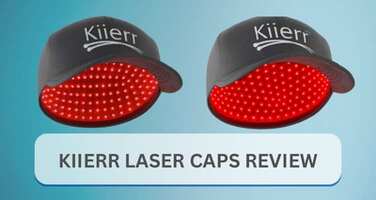
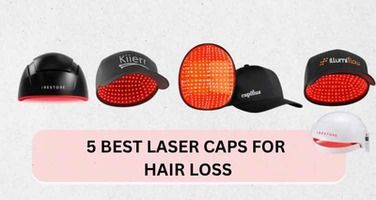
Did you know that over 80 million Americans experience hair loss? It's a common concern that can impact self-esteem and quality of life. As the demand for noninvasive hair restoration grows, many people turn to low-level laser therapy (LLLT) caps for an FDA-cleared, at-home solution. Two of the industry's heavy hitters are Kiierr and Capillus—both offering innovative caps designed to stimulate hair follicles, promote regrowth, and help you reclaim your confidence.
This in-depth comparison will help you decide which device best suits your needs by examining everything from company backgrounds and product specs to pricing, efficacy, and more.
Quick Verdict: Both Kiierr and Capillus are effective options for LLLT FDA-cleared devices to combat hair loss. But, when comparing Kiierr and Capillus, Kiierr ( especially the MD Ultra Flex Model) emerges as the better choice for most people. Offering similar diode counts and FDA-cleared technology, Kiierr provides effective hair loss treatment at a significantly more affordable price point. For those on a budget, Kiierr delivers excellent value without compromising on quality. |
Jump Ahead To:
- Company Backgrounds
- Product Overviews
- Technology Comparison
- Design and Comfort
- Ease of Use
- Efficacy and Results
- Safety and Side Effects
- Price and Value
- Customer Reviews and Testimonials
- Pros and Cons Summary
- Who Should Choose Which?
- Conclusion
- FAQs
1. Company Backgrounds
Kiierr
Founded in the United States, Kiierr is dedicated to providing noninvasive, clinic-grade hair growth solutions at more affordable prices. The company’s mission centers on innovative LLLT technology paired with user-friendly designs to help individuals experiencing pattern baldness, thinning hair, or hairline recession. Kiierr holds FDA clearance for its hair growth caps and conducts ongoing research to refine its technology.
Unique Selling Points:
- Multiple laser-diode configurations (e.g., 148, 272) for customized coverage
- Often offers extended warranties and financing options
- Designed for both men and women with pattern hair loss
Capillus
Founded in 2012 in Miami, Florida, Capillus is another top contender in the LLLT market. Recognized for its strong clinical backing, Capillus products are also FDA-cleared and widely recommended by healthcare practitioners. Capillus’ mission focuses on combining convenience with proven technology, offering caps that fit seamlessly into daily routines.
Unique Selling Points:
- Daily 6-minute treatments (in some models) for quick, convenient sessions
- Wide range of laser diode counts (e.g., 143, 272, and 304)
- Partnerships with dermatologists and hair loss experts
2. Product Overviews
Kiierr Devices
Key Features:
- Adjustable headband or ballcap design for comfort
- Portable battery pack, allowing mobility
- Automatic shut-off timer to prevent overuse
- Often bundled with hair growth supplements, shampoos, or serums
- Kiierr 148 Pro
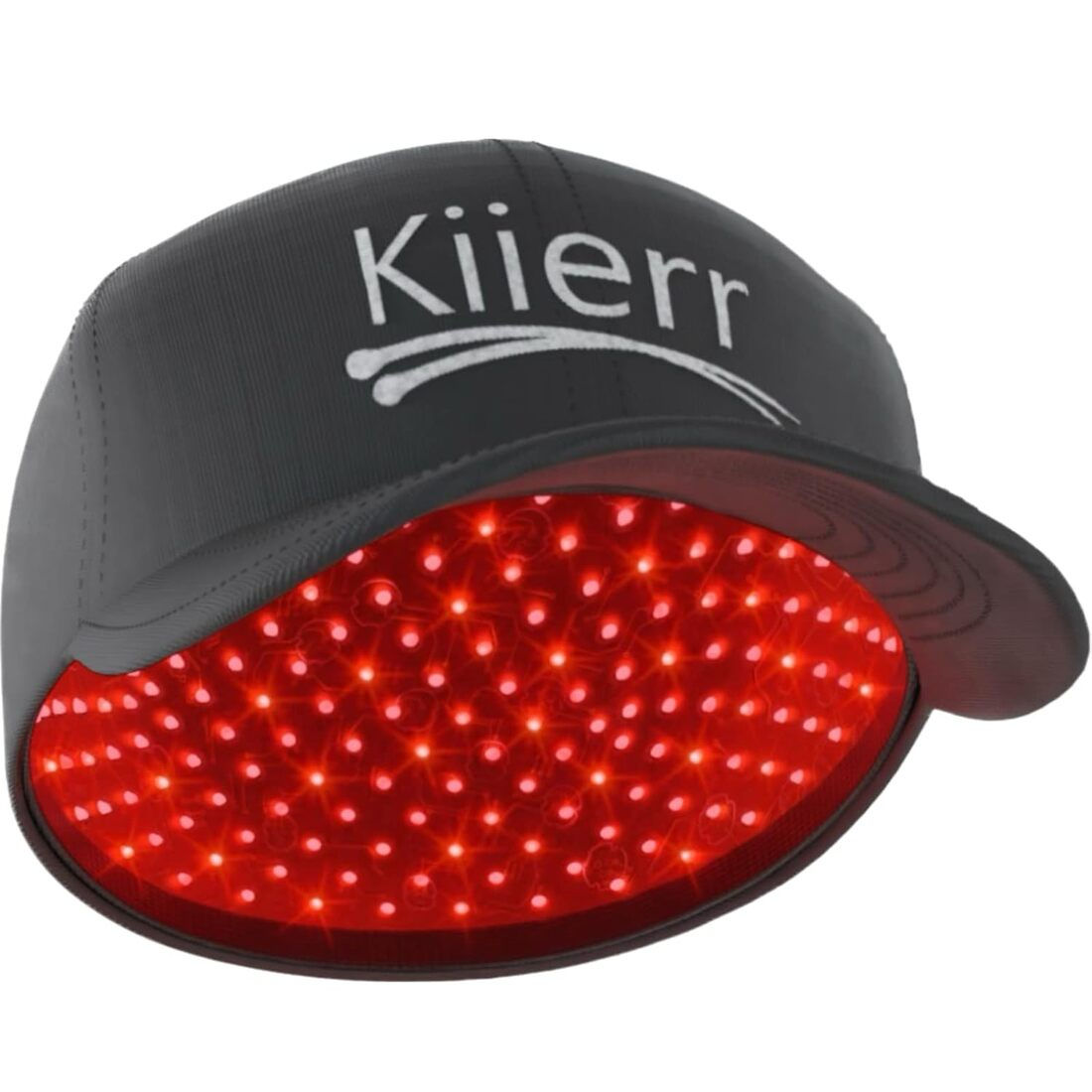 | Lasers: 148 medical-grade laser diodes Usage: 30 minutes every other day Price: Approximately $799 |
- Kiierr 272 Premier / Premier MD
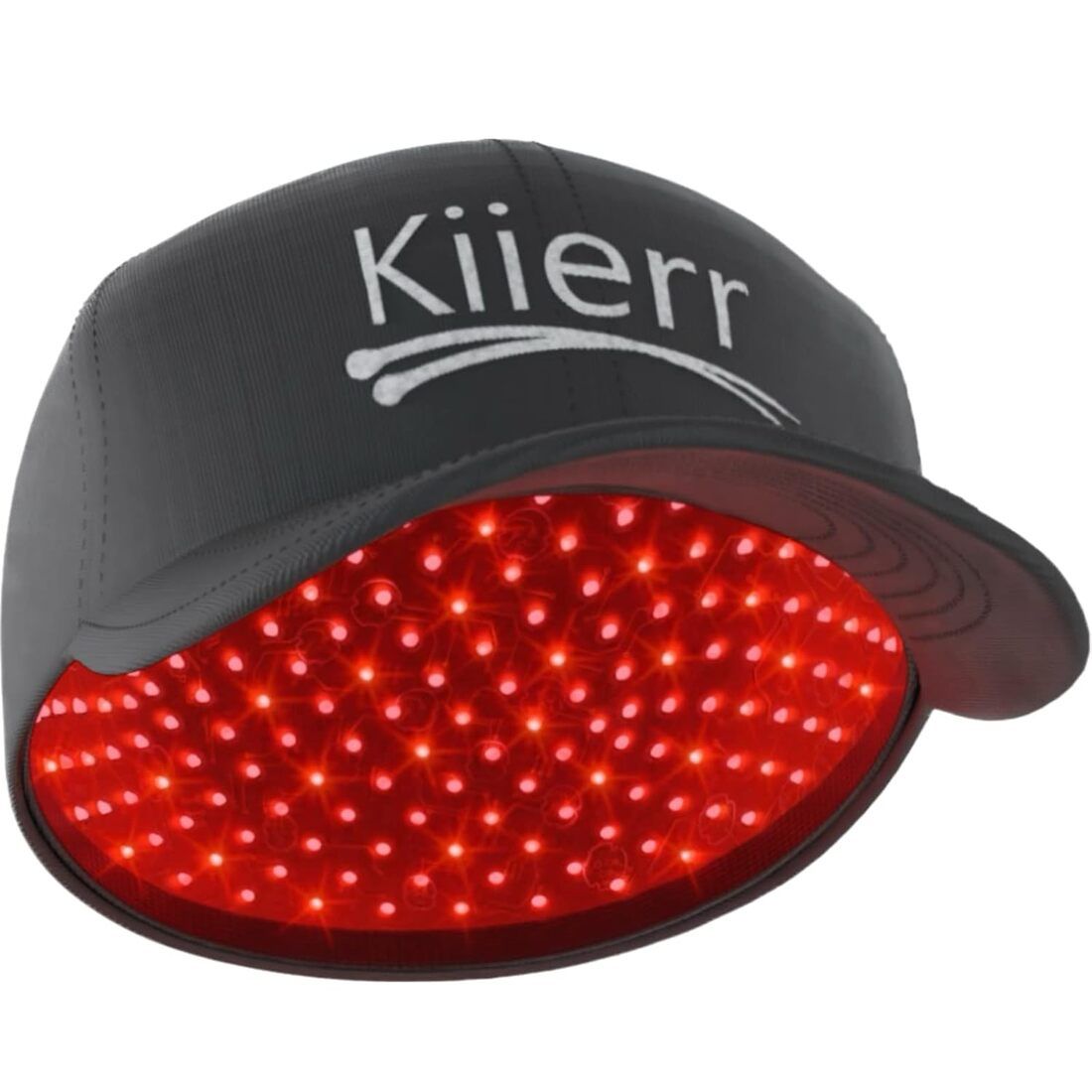 | Lasers: 272 medical-grade laser diodes Usage: 30 minutes every other day Price: Approximately $999 |
- Kiierr 302 MD Ultra Flex Cap
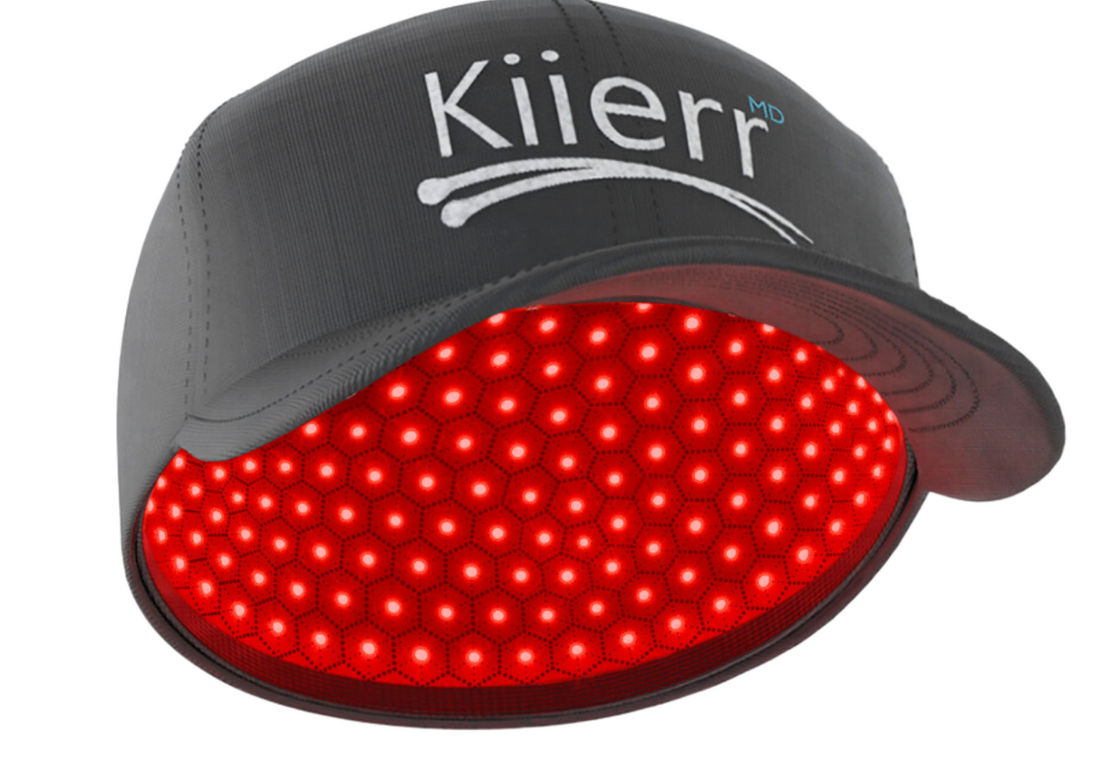 | Lasers: 302 medical-grade laser diodes Usage: 30 minutes every other day Price: Approximately $1,799 ($400 coupon available for a limited time, check the link below for details) |
Capillus Devices
Key Features:
- Ballcap design ensures a discreet look
- Ultra-portable with a rechargeable battery pack
- “Smart” sensors to ensure correct positioning
- Short, daily treatments (6 minutes in many models)
- Capillus Spectrum
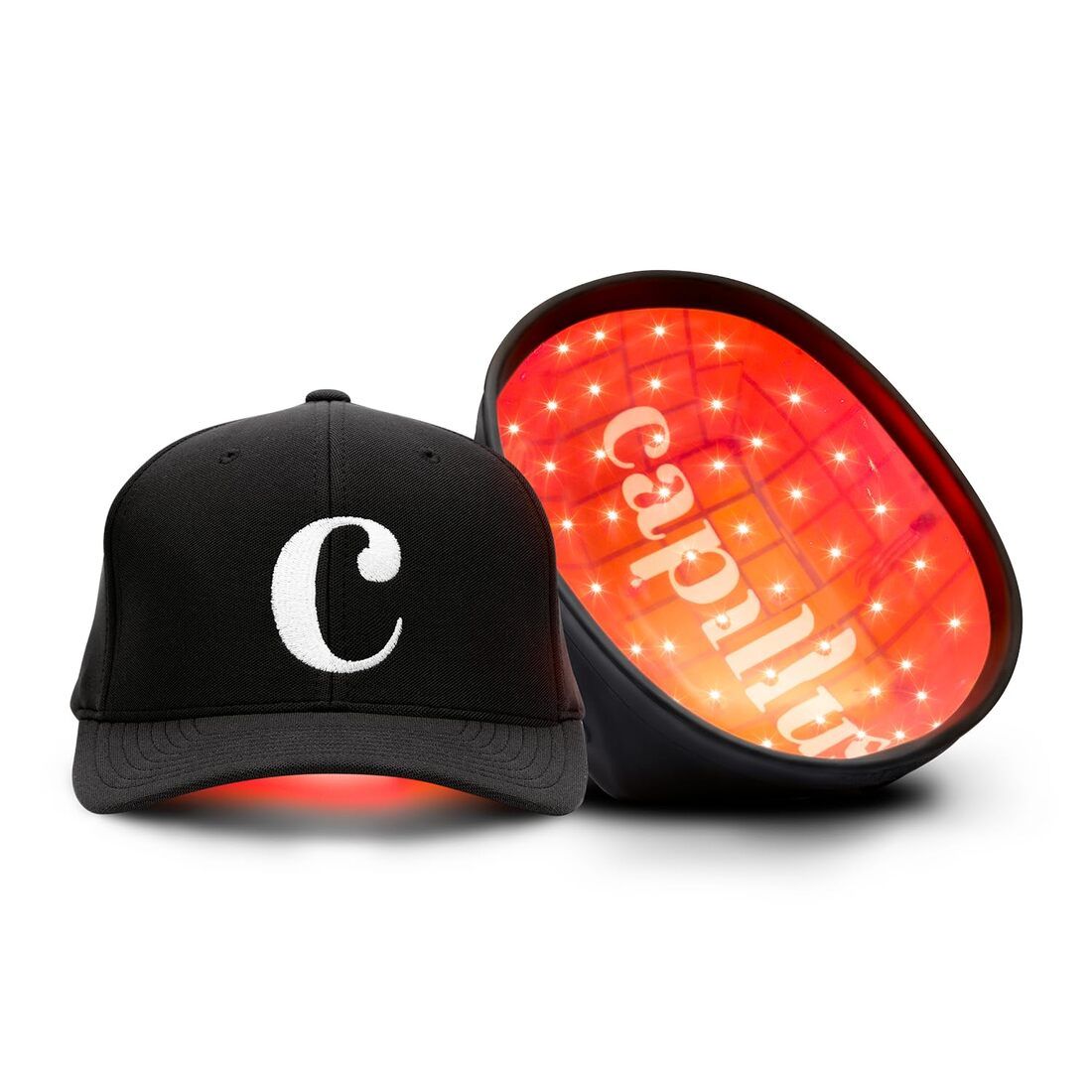 | Lasers: 312 laser diodes Usage: 6 minutes daily Price: Approximately $2399 |
- Capillus Pro
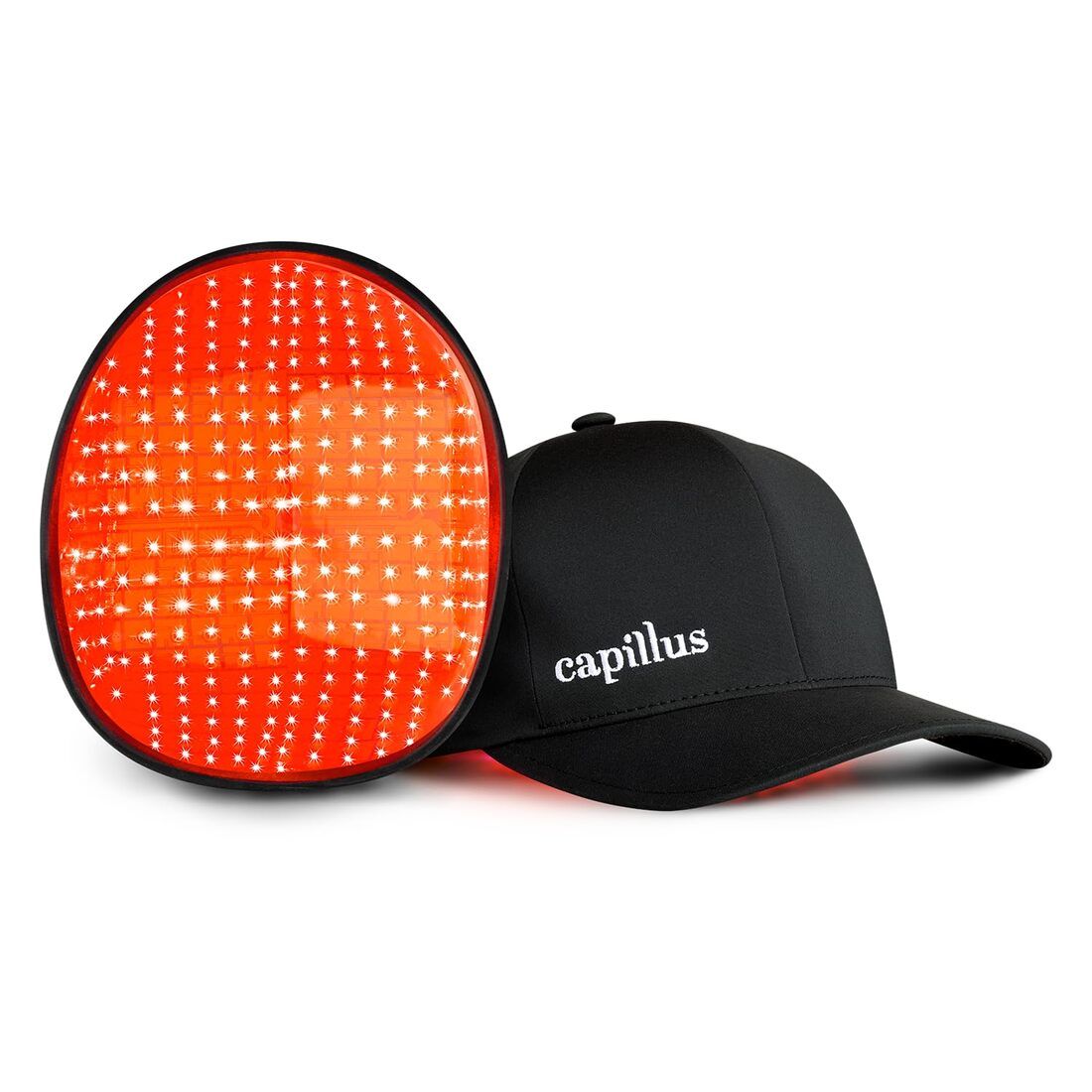 | Lasers: 272 laser diodes Usage: 6 minutes daily Price: Approximately $1,699 |
- Capillus Pro S1
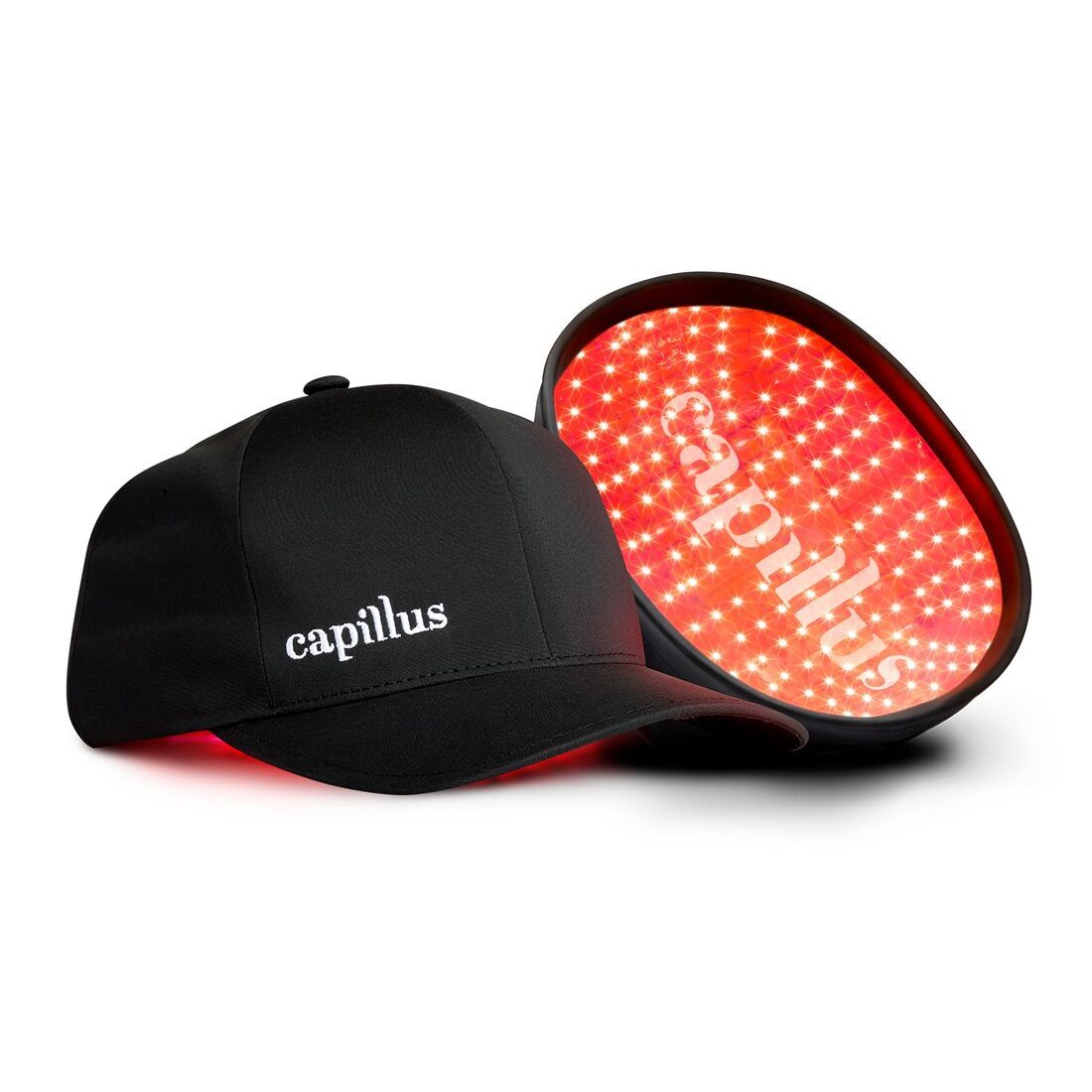 | Lasers: 304 laser diodes Usage: 6 minutes daily Price: Approximately $1,999 |
3. Technology Comparison
What is LLLT?
Low-Level Laser Therapy (LLLT) uses a specific range of red light wavelengths to penetrate the scalp and stimulate hair follicles. LLLT can slow hair loss and encourage new growth by increasing cellular metabolism and blood flow.
Feature | Kiierr | Capillus |
|---|---|---|
Type of Light | Laser diodes only | Laser diodes only |
Laser Diode Count | Up to 302 diodes | Up to 312 diodes |
Wavelength | Approx. 650 nm | Approx. 650 nm |
Coverage | Great for frontal & crown area | Great for frontal & crown area |
Both brands use medical-grade lasers (rather than LEDs) for deeper follicle penetration, aiming to maximize therapeutic impact.
4. Design and Comfort
Kiierr
- Cap-Style Fit: Comes in a standard baseball cap design
- Lightweight and Portable: Battery pack clips onto clothing
- Adjustable Sizing: One-size-fits-most approach
- Ventilation: Laser dome includes some airflow to prevent overheating
Capillus
- Ballcap Integration: All laser diodes fit under a regular baseball cap
- Discreet Appearance: You can wear it almost anywhere without drawing attention
- Comfort Lining: Soft interior materials and secure fit
- Adequate Ventilation: Minimizes heat buildup during short sessions
“Kiierr’s cap fit right in with my routine. I just put it on during my morning tea.” — Nicole R.
“I love Capillus because nobody even knows I’m using a hair growth device!” — SAS S.
5. Ease of Use
Kiierr
- Setup: Comes pre-assembled; just insert the dome into the provided cap, and charge the battery
- Treatment Frequency: 30-minute sessions every other day
- Portability: Battery-powered, so you can walk around
- Additional Features: Auto shut-off timer ensures precise treatment duration
Capillus
- Setup: Ready to go right out of the box
- Treatment Frequency: Just 6 minutes daily for most models
- Rechargeable Battery: Usually lasts for multiple treatments
- Additional Features: Built-in sensors confirm proper placement on your head
If you prefer fewer, longer sessions, Kiierr might appeal to you. If you’d rather do daily but shorter sessions, Capillus is worth considering.
6. Efficacy and Results
Clinical Evidence
- Kiierr: Clinical studies show promising results for slowing hair loss and promoting regrowth in men and women with androgenetic alopecia. Many users report noticeable improvement by 3–6 months.
- Capillus: Clinical trials indicate a significant increase in hair count after consistent daily use, with some users noticing changes in as little as 2–4 months.
Before and After
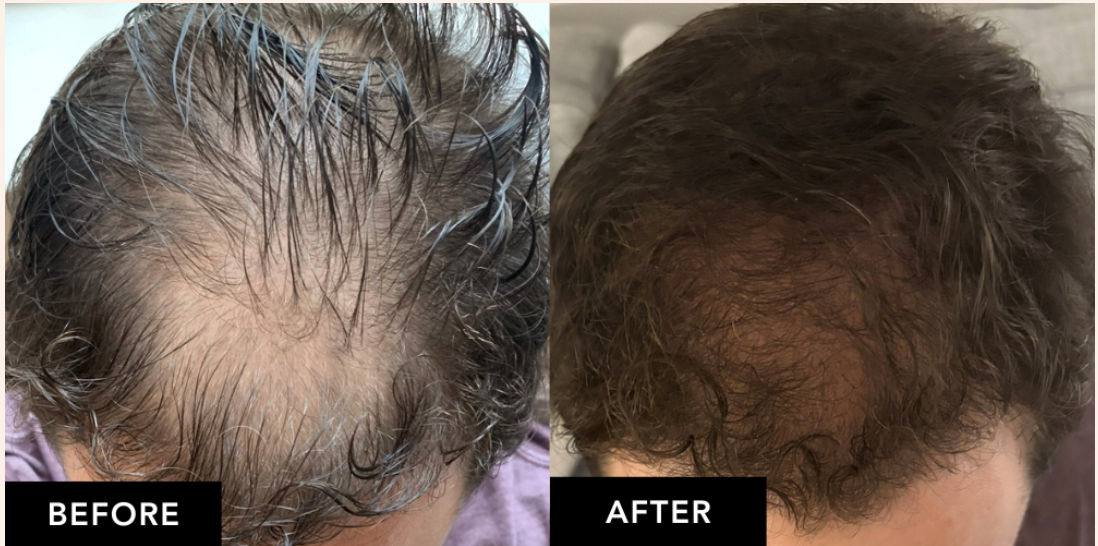 Kiierr Before & After |
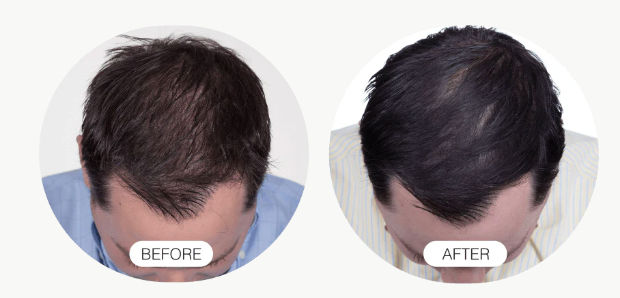 Capillus Before & After |
- Kiierr: Users report thicker hair in the crown and frontal areas, especially with consistent usage over 6+ months.
- Capillus: Many reviewers highlight increased fullness and reduced shedding after the 2–3 month mark.
Effectiveness: Both devices are FDA-cleared for treating pattern hair loss in men (Norwood-Hamilton classifications) and women (Ludwig-Savin classifications).
7. Safety and Side Effects
FDA Clearance
Both Kiierr and Capillus caps are FDA-cleared for safety and efficacy in treating androgenetic alopecia (pattern hair loss).
Possible Side Effects
- Mild Scalp Warmth: A slight warming sensation is normal and generally not harmful.
- Skin Irritation: Rare and usually resolved by adjusting how the cap sits on your head.
Contraindications
- Consult with a healthcare professional if you are pregnant or have a photosensitivity disorder.
- Always follow the manufacturer’s guidelines for usage.
8. Price and Value
| Feature | Kiierr 148 | Kiierr 272 Premier | Kiierr 302 | Capillus One | Capillus Pro | Capillus Pro S1 |
|---|---|---|---|---|---|---|
| Price | $749 | $899 | $1,699 | ~$899 | ~$1,699 | ~$2,499 |
| Laser Diodes | 148 diodes | 272 diodes | 302 diodes | 112 diodes | 272 diodes | 304 diodes |
| Warranty | 2 years | 2 years | 2 years | 1 year | 3 years | 3 years |
| Money-Back | 7 months | 7 months | 7 months | 6 months | 6 months | 6 months (varies) |
| Financing | Available | Available | Available | Available | Available | Available |
Value for Money:
Kiierr: Offers a range of models at moderate price points with relatively high diode counts.
Capillus: Pricier at the higher end (e.g., CapillusPro), but daily 6-minute sessions may appeal to those who value time efficiency.
Ongoing Costs:
No ongoing consumables are typically required for either brand. Battery replacements or upgrades may be necessary after several years of use.
Pros and Cons Summary
Kiierr Pros and Cons
Pros
- ✓ Variety of laser diode configurations (148, 272)
- ✓ Longer warranty (often 2 years) and extended money-back guarantees
- ✓ Comfortable cap-style design
- ✓ Easy to integrate with other treatments (minoxidil, supplements)
Cons
- ✗ 30-minute sessions can feel long to some users
- ✗ Slightly more frequent sessions (every other day)
- ✗ Fewer style/color options for the cap itself
Capillus Pros and Cons
Pros
- ✓ Quick 6-minute daily sessions
- ✓ Discreet design (regular baseball cap style)
- ✓ High-end models for severe hair loss (up to 312 diodes)
- ✓ Strong clinic and dermatologist backing
Cons
- ✗ Higher upfront cost for higher-diode models
- ✗ Some users find daily treatments less flexible
- ✗ Warranty and money-back terms can vary by seller
Who Should Choose Which?
Choose Kiierr if:
- You prefer longer but less frequent treatment sessions (every other day)
- You want a mid-range price without sacrificing diode count
- You’re okay with a slightly more noticeable device, especially at home
- You appreciate extended warranties and money-back guarantees
Choose Capillus if:
- You value ultra-short daily sessions (6 minutes)
- You’re looking for a discreet, on-the-go design
- You’re willing to invest in high-diode, premium models for more advanced hair loss
- You appreciate a brand commonly recommended by dermatologists
Conclusion
Both Kiierr and Capillus offer FDA-cleared, effective solutions for hair regrowth using LLLT technology. Your ultimate choice will hinge on your budget, preferred treatment duration, and desired convenience. If you’re comfortable with 30-minute sessions a few times a week and want a robust warranty, Kiierr may be your best bet. On the other hand, if you’re drawn to quick daily sessions and a discreet cap you can wear anywhere, Capillus could be the ideal fit.
Consistency is key to choosing which option you choose. Regularly using your laser cap as directed is essential for achieving long-term results, so pick a device that aligns with your lifestyle to maximize your chances of success on your hair growth journey.
FAQs
1. Can I use these devices with other hair loss treatments?
Kiierr: Yes, it’s compatible with topical treatments like minoxidil and prescription foams.
Capillus: Yes, it also works well alongside medications and shampoos.
2. How soon will I see the results?
Kiierr: Generally, 3–6 months of consistent use are recommended before judging results.
Capillus: Some users notice improvements in as little as 2–4 months, but individual experiences vary.
3. Are there any side effects?
Both brands have minimal side effects, often limited to mild scalp warmth or slight irritation. Always follow the manufacturer’s instructions for safe usage.
4. Do these caps work for all types of hair loss?
They are FDA-cleared for the treatment of androgenetic alopecia (pattern hair loss). Consult a healthcare professional if your hair loss stems from other conditions (e.g., thyroid issues, autoimmune disorders).
5. Is there a money-back guarantee?
Kiierr: Often offers a 7-month money-back guarantee, depending on the model.
Capillus: Offers up to a 6-month money-back guarantee, though specifics may vary by retailer.
Medical Disclaimer: This article is for informational purposes only and is not intended as medical advice. Always consult with a qualified healthcare provider for personalized recommendations.
Affiliate Disclosure: This post may contain affiliate links. If you purchase through these links, we may earn a commission at no extra cost to you.
Sources:
- https://pmc.ncbi.nlm.nih.gov/articles/PMC8675345/
- https://www.capillus.com/pages/before-and-after
- https://kiierr.com/laser-cap-customer-reviews/