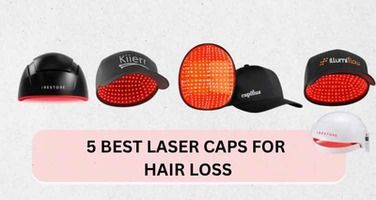
Hair loss is a widespread issue that impacts both men and women, with up to 80% of individuals noticing some degree of thinning by midlife. While hair transplantation, medications like minoxidil and finasteride, and even cosmetic options (e.g., hairpieces) have been on the market for decades, low-level laser therapy (LLLT) has emerged as a compelling alternative. Laser caps offer a non-invasive, at-home solution with minimal side effects.
Why Laser Caps?
- Convenience: You can wear them at home, during chores, or while you work on your computer.
- Reduced Side Effects: Compared to some oral or topical medications, LLLT often has fewer systemic risks.
- Long-Term Solution: After stopping medications like minoxidil or finasteride, hair loss may resume. A laser cap gives you the potential for consistent use without daily application concerns.
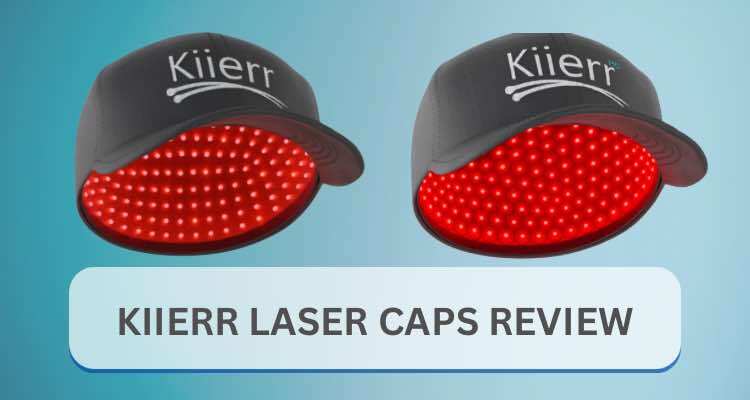
Kiierr laser caps are part of this exciting advancement. Known for competitive pricing and FDA clearance, Kiierr caps aim to bring clinical-level laser therapy to users at home at a more accessible cost than many competitors. In this detailed review, you'll discover how Kiierr's technology works, how it compares to competitors, and whether it's right for your hair growth journey.
| Bottom Line: If you're looking for a cost-effective, proven method to slow or reverse hair thinning—and are prepared to use it consistently—Kiierr offers a high-value proposition in 2025. Kiierr’s FDA-cleared laser caps cater to various budgets and hair regrowth needs. The Kiierr Pro (148 diodes, $749) is a budget-friendly option for beginners. The Kiierr Premier (272 diodes, $899) strikes a balance between power and value. For those seeking top-tier results, the Kiierr Ultra Flex (302 diodes, $1,699) offers their most advanced and powerful solution, ensuring optimal coverage and efficiency. |
Jump Ahead To:
- What is Low-Level Laser Therapy (LLLT) for Hair Regrowth
- Company Background: Who Is Kiierr?
- Kiierr Laser Cap Models Overview
- Inside the Technology: How Kiierr Laser Caps Work
- Step-by-Step Usage Guide
- Kiierr’s Supporting Hair Care Products
- User Feedback, Clinical Insights, and Real-World Results
- Comparing Kiierr to Competitors
- Pricing, Warranties, and Discounts in 2025
- Who Should (and Shouldn’t) Use Kiierr Laser Caps
- Potential Risks, Side Effects, and Safety Tips
- Frequently Asked Questions (FAQ)
- Expert Opinions and the Future of LLLT
- Conclusion: Is Kiierr Right for You in 2025?
- References and Further Reading
What is Low-Level Laser Therapy (LLLT) for Hair Regrowth
The Science Behind LLLT
Low-level laser therapy—also called photobiomodulation—uses low-intensity lasers to stimulate cellular activity. Research suggests that specific wavelengths, especially red light around 650-660 nanometers, can boost blood circulation in the scalp and reawaken dormant follicles.
- Cellular Stimulation: The light energy penetrates the scalp, energizing cells within hair follicles.
- Reduced Inflammation: LLLT can help calm scalp inflammation that otherwise hampers growth.
- Improved Follicle Function: Stronger follicles can lead to thicker, healthier hair over several months.
Clinical Research and Efficacy
Numerous studies support LLLT for both male- and female-pattern baldness (also known as androgenetic alopecia). Research points to results comparable to, and sometimes better than, topical minoxidil when used consistently for several months. In clinical trials, many participants have reported reduced hair shedding and improved overall thickness [3,4,5].
Myths vs. Facts
- Myth: “Laser caps generate too much heat and can burn the scalp.”
Reality: LLLT devices operate at low levels that minimize heat. Most users report only mild warmth. - Myth: “All laser caps are unregulated.”
Reality: Some reputable brands, including Kiierr, hold FDA clearances for safety and efficacy.
Company Background: Who Is Kiierr?
Kiierr is a U.S.-based company specializing in laser caps and complementary hair care products. Their mission is to make hair-restoration technology—once confined to expensive clinics—accessible to more people. Here’s how they stand out:
- FDA-Cleared Devices: Validates their adherence to safety and efficacy standards.
- Affordability: Kiierr caps often cost hundreds to thousands less than competitor brands.
- A Rating on BBB: While not accredited, Kiierr maintains a positive BBB rating, indicating relatively good customer satisfaction.
Kiierr also offers a variety of laser cap models, each featuring different levels of coverage, treatment times, and battery life. Beyond caps, they market DHT-blocking shampoos, conditioners, and nutritional supplements to round out a holistic hair-care regimen.
Kiierr Laser Cap Models Overview
Kiierr offers several cap models, each designed for specific needs and budgets:
Kiierr 148 Pro
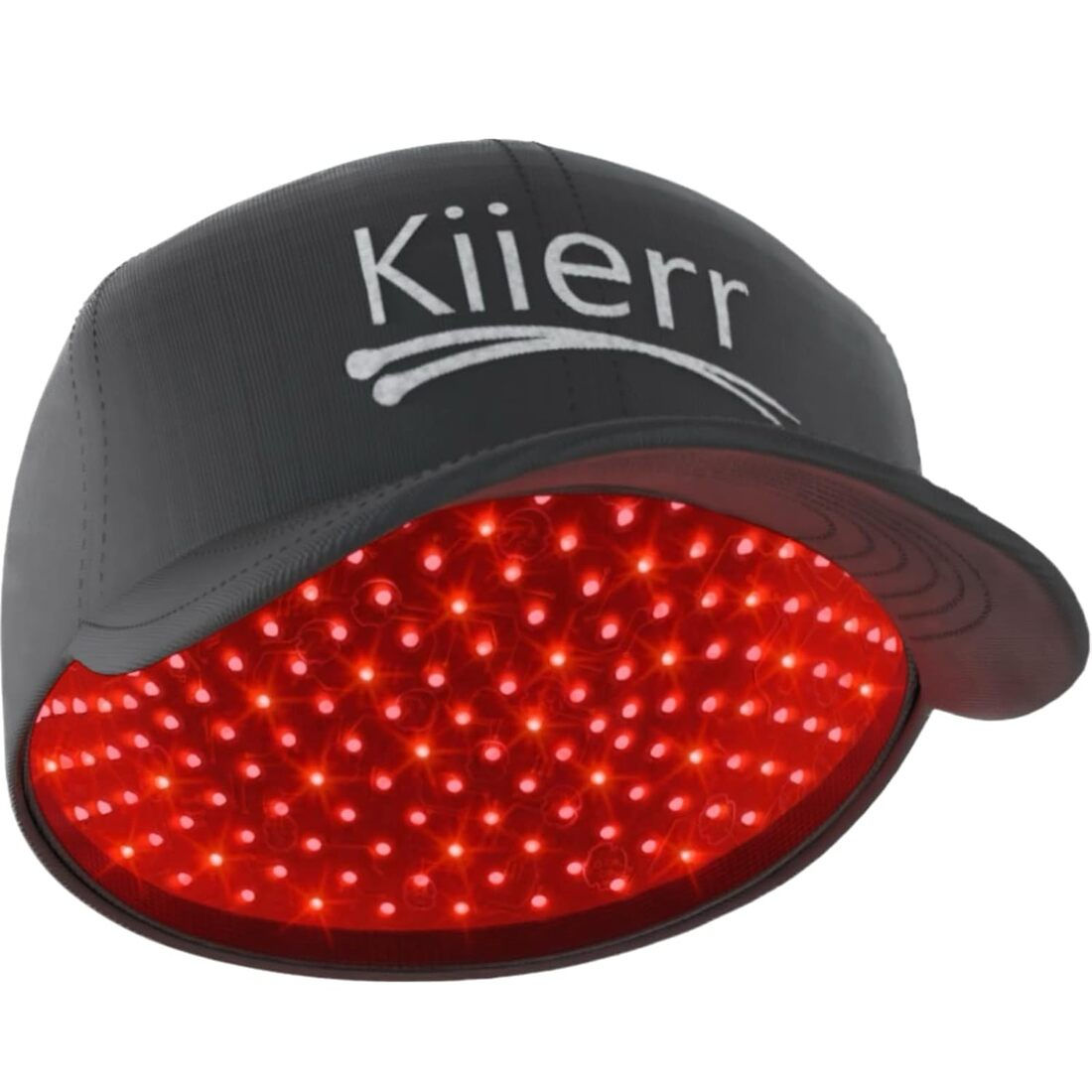 |
|
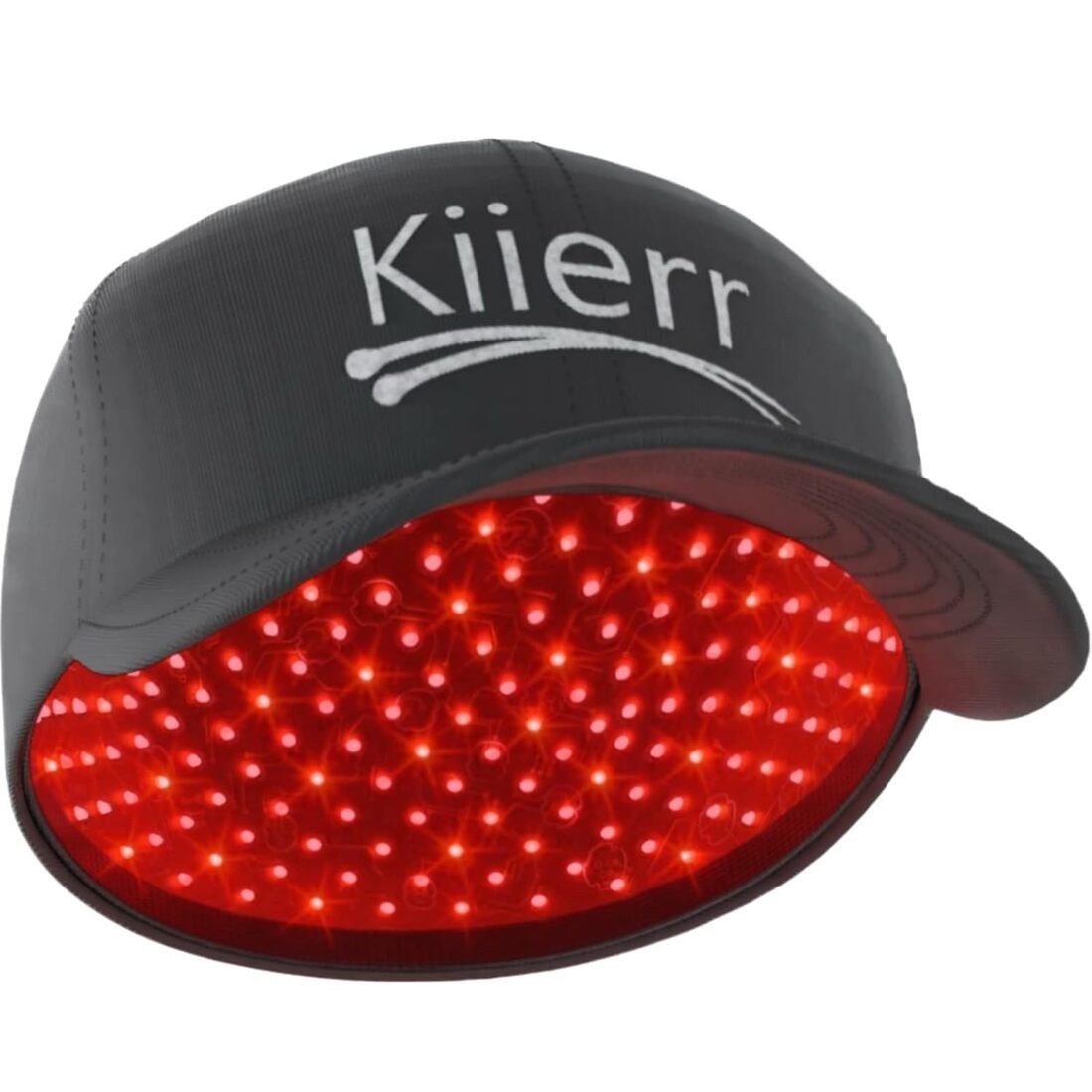
Kiierr 272 Premier Cap
 |
|
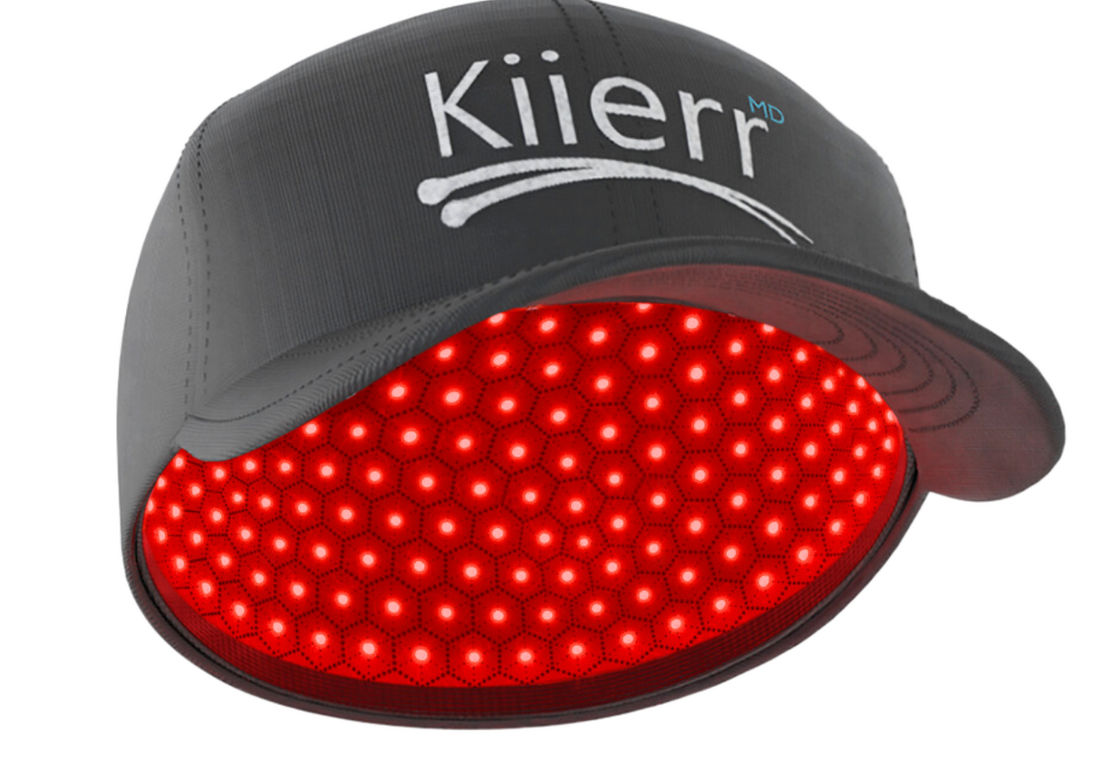
Kiierr 302 MD Ultra Flex Cap
 |
|
Kiierr Laser Cap Models Quick Comparison Table

Inside the Technology: How Kiierr Laser Caps Work
Laser Diodes and Pulsing Technology
Kiierr employs pulsed-wave diodes designed to effectively target hair follicles at a specific wavelength (around 650nm). Pulsed-wave lasers differ from continuous-wave lasers by turning on and off rapidly, potentially necessitating longer treatment times but often providing efficient coverage.
Coverage and Scalp Penetration
- Domed Design: Helps distribute diodes evenly across the scalp.
- Scalp Penetration: Kiierr’s diodes aim to reach follicles without unnecessary light scatter.
Battery Life and Charging Mechanics
The battery pack for each model varies:
- Pro: 4-5 sessions per full charge
- Premier: 5-7 sessions per full charge
- Ultra Flex: Up to 8-10 sessions per full charge
This extended battery life is a significant advantage for those who travel frequently or often forget to charge devices.
Safety Features
- Eye Protection: Kiierr's MD line includes a sensor that keeps the laser off unless worn correctly.
- Overheating Safeguards: Built-in safety mechanisms prevent diode burnouts or excessive heat buildup.
Step-by-Step Usage Guide
Initial Setup
- Unboxing: You'll find the laser dome, battery pack, user manual, and possibly extra accessories if you purchase a bundle.
- Charging: Let the battery fully charge before first use (often 4-6 hours).
- Adjusting Fit: Choose the correct cap size (standard vs. XL for larger heads). A foam headband may help secure fit.
Daily or Alternate-Day Treatment Protocols
Kiierr's Recommendation: 30 minutes every other day and 6 minutes daily for the Ultra Flex.
Set a Routine: Some people incorporate laser-cap use during chores, reading, or TV time.
Timeline: When to Expect Results
- 1-2 Months: Possible shedding phase (follicles resetting).
- 3-4 Months: Some users notice a slowdown in hair loss and early regrowth.
- 6+ Months: Tangible thickening, and you can evaluate further improvement through the 7-month growth guarantee period.
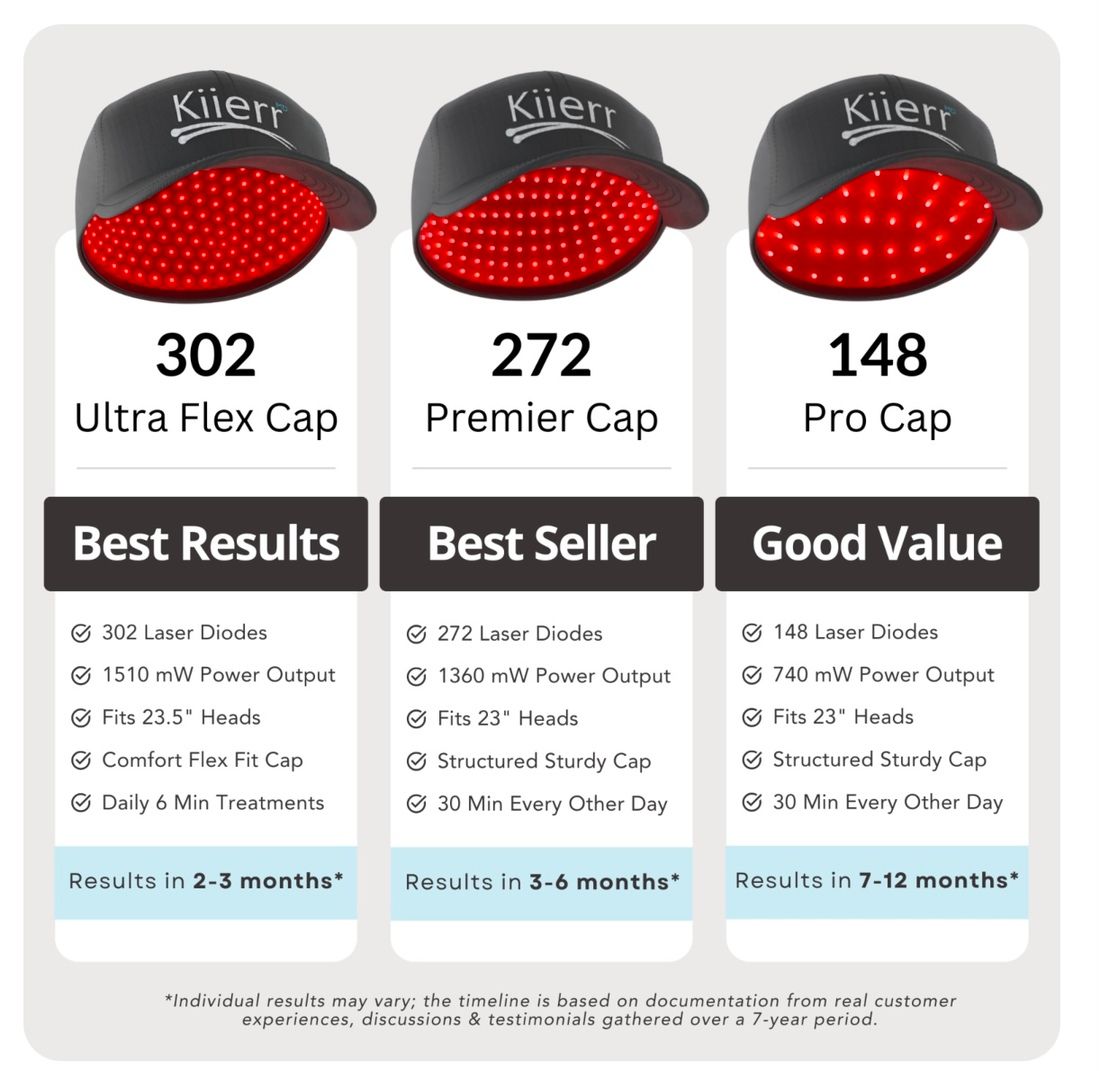 Image Source: Kiierr.com
Combining Kiierr with Other Hair Loss Treatments
Laser therapy can be combined with:
- Minoxidil (topical)
- Oral or topical finasteride (prescription)
- Nutritional supplements for hair health
Check with a healthcare provider to avoid any unintended interactions.
Kiierr's Supporting Hair Care Products
Kiierr complements its laser caps with various hair-support products:
DHT-Blocking Shampoo and Conditioner
Ingredients: Often includes botanicals like salvia, cinnamon, or Ginkgo biloba, touted to help inhibit DHT conversion.
Benefits: Gently cleanses the scalp and may slow hair loss by targeting hormonal triggers.
Vitamins and Supplements
Key Components: Saw palmetto, biotin, and other micronutrients.
Intended Purpose: Provide a nutritional foundation for hair growth, though results vary.
Dermal Restorative Creams and Serums
Focus: Hydrate the scalp, reduce inflammation, and supply extra nutrients directly to hair follicles.
Novelty: A newer addition that is currently less studied than mainstream treatments like Rogaine.
Cost-Effectiveness vs. Comparable Brands
While these products can be convenient when bundled with a laser cap, some may prefer alternatives from telehealth companies (e.g., Hims, Keeps) due to pricing or ingredient profiles. It’s essential to compare formulas and see which fits best with your scalp condition and budget.
User Feedback, Clinical Insights, and Real-World Results
Personal Success Stories
Customers often share:
- Reduced Shedding: Noticeable improvement in the shower and on pillows.
- Enhanced Hair Thickness: Especially around the crown after consistent use.
- Improved Confidence: Feeling less self-conscious about thinning hair.
Professional Perspectives
Some dermatologists and trichologists praise LLLT’s low-risk profile and ease of use, especially for patients wary of finasteride's systemic side effects. However, they stress consistency is key—gaps in usage can diminish results.
Before & After Photos
Key Visual Indicators: Fuller hairline, denser crown coverage, less scalp visibility.
Taking Photos: Document progress monthly under consistent lighting to track subtle improvements.
Comparing Kiierr to Competitors
Kiierr vs. Capillus
- Price Point: Kiierr typically costs significantly less.
- Session Time: Capillus touts six-minute daily sessions, but Kiierr uses 30-minute sessions every other day.
- Eye Safety Sensors: Available on Capillus and Kiierr’s MD line.
Related: Kiierr vs. Capillus
Kiierr vs. Illumiflow, HairMax, and LaserCap
- Diode Count: 302 diodes is relatively standard in premium models.
- Battery Life: Kiierr often beats others with 5-10 sessions per charge.
- Treatment Times: Some HairMax and Illumiflow models offer shorter session times at daily frequency.
Which Brand Is Best for You?
- Budget: Kiierr shines for cost-conscious buyers.
- Scheduling: A competitor might fit better if shorter daily sessions are easier for you.
- Head Size: Kiierr’s Elite XL suits those needing a larger dome.
Pricing, Warranties, and Discounts in 2025
Standard Retail Pricing
- 148 Pro: $749
- 272 Premier: $899
- 302 Ultra Flex: $1,699
Occasional discounts and coupon codes (e.g., through hair loss quizzes) can knock off an additional $100+.
Refurbished and Bundled Options
- Refurbished 272 Premier: This model is often around $699, though it does not come with a growth guarantee and only has a one-year warranty.
- Bundles: Some packages include shampoo, conditioner, vitamins, etc. for slightly reduced overall prices.
The 7-Month Growth Guarantee Explained
- Registration: Upon receipt, you must register your device and submit a “before” photo.
- Usage Period: Minimum 7 months of consistent use.
- Return Fees: A 25% restocking/convenience fee plus a $50 shipping charge if you return.
Warranty Coverage and Limitations
- 2-Year Warranty: Covers manufacturer defects for all models.
- Extended Coverage: May be offered periodically for the MD line. Always confirm details at checkout.
Who Should (and Shouldn't) Use Kiierr Laser Caps
Ideal Candidates
- Men and Women with mild-to-moderate androgenetic alopecia.
- People who want a non-invasive option with fewer side effects.
- Those willing to commit to a long-term routine (LLLT is not a one-time fix).
Medical Considerations
- Thyroid Disorders: Hair loss can have multiple contributing factors, so see a doctor first.
- Alopecia Areata: Autoimmune in nature; LLLT might help but consult a dermatologist.
- Chemotherapy-Induced Hair Loss: It is often best to wait until treatment ends before starting LLLT.
When to Avoid or Seek Medical Advice
- Pregnancy or Breastfeeding: Consult your OB/GYN for safety.
- Undiagnosed Scalp Lesions: Always rule out skin disorders or cancers beforehand.
Potential Risks, Side Effects, and Safety Tips
Scalp Irritation, Redness, or Itchiness
Frequency: Fairly rare, typically mild if it occurs.
Action: Discontinue use temporarily and consult a professional if symptoms persist.
Eye Safety Concerns
- Laser Exposure: Looking directly into lasers can harm vision.
- Prevention: MD models include sensors; always store your cap out of reach of children.
Long-Term Maintenance: Using the Cap Forever?
Reality: Like most hair-loss treatments, consistency is critical. If you stop, hair loss may resume.
Recommendation: Maintain a sustainable routine—some switch to weekly or biweekly usage after desired results.
Additional Kiierr Q&A
Q: Kiierr Laser Cap Reviews Before and After
A: Many individuals share before-and-after photos showing thicker, fuller hair after about four to six months. Early stages may include a brief shedding phase, but by the “after” photos, users report improved hairline density and reduced scalp visibility.
Q: Kiierr Laser Cap Complaints
A: Common complaints include longer treatment sessions (30 minutes every other day) compared to certain competitors with shorter daily sessions. A few users mention return policy complexities or fit issues, but overall dissatisfaction rates are low.
Q: Kiierr Laser Cap Reviews Consumer Reports
A: While not always covered extensively in official Consumer Reports publications, independent consumer feedback on sites like Trustpilot and the BBB is generally positive. They highlight effectiveness, price, and overall convenience.
Q: Kiierr Laser Cap Reviews Amazon
A: On Amazon, Kiierr receives favorable star ratings. Users note ease of use and noticeable improvements in shedding. Some prefer buying directly from Kiierr for discount codes and official warranty support.
Q: Kiierr Laser Cap Side Effects
A: Serious side effects are uncommon, with occasional mentions of mild scalp redness or itching. Proper usage and adhering to recommended session times help minimize any discomfort.
Q: Kiierr Laser Cap Reviews Reddit
A: On Reddit forums, users often discuss LLLT devices in detail. Kiierr commonly earns praise for its price-to-diode ratio and impressive battery life, though individuals stress the importance of consistent use over at least six months.
Q: Kiierr 272 Premier Laser Cap Reviews
A: The 272 Premier model stands out for its high diode count (272) at a competitive price. Many reviews mention a tangible reduction in shedding around month three and a “fuller look” by month six, especially in the crown area.
Frequently Asked Questions
Q: Is there any side effects of wearing the cap?
A: Side effects are generally minimal. Some users may experience mild scalp redness or itching, but these often subside quickly. If discomfort persists, discontinue use for a few days or consult a dermatologist.
Q: What are the negative effects of lasers?
A: With low-level lasers like those in Kiierr, negative effects are uncommon. Potential concerns include mild warmth and eye safety risks if the lasers are viewed directly. Reputable brands include safety sensors that reduce these hazards.
Q: How long does it take to see results from a laser cap?
A: Most people see reduced shedding after about 2-3 months, with noticeable regrowth typically appearing around 3-6 months. For best results, continue treatment for at least 6+ months and maintain consistency.
Q: What happens if you use iRestore every day?
A: iRestore typically recommends every other day or a few times weekly, much like Kiierr. Using it daily may not significantly speed up results and could irritate the scalp. Always follow the manufacturer’s guidelines.
Q: Can iRestore cause hair loss?
A: It’s highly unlikely that an LLLT device like iRestore would cause hair loss. Some users experience a short “shedding phase” as older hairs make way for new growth, a normal part of the regrowth cycle.
Q: What is the best laser helmet for hair growth?
A: This depends on individual needs, budgets, and time constraints. Kiierr and Capillus are popular for their FDA-cleared caps. Many users find Kiierr’s price more manageable, while others prefer Capillus for shorter daily sessions.
Q: Does the laser cap actually work?
A: Yes. A growing body of evidence shows that LLLT can stabilize hair loss and stimulate new growth. The key is long-term, consistent use. Results vary by individual genetics and adherence to the recommended schedule.
Q: Can you use iRestore on dirty hair?
A: To maximize light penetration, it’s generally best to use all laser caps (including iRestore or Kiierr) on a clean scalp. While occasional usage on unwashed hair won’t negate progress, heavy buildup might reduce the device's effectiveness.
Q: Can too much laser stimulate hair growth?
A: Overusing an LLLT device doesn’t necessarily cause “excessive” hair growth; it can, however, lead to scalp irritation or dryness. Following the recommended schedule is the most effective approach.
Q: What is the difference between Kiierr and Capillus?
A: Kiierr generally offers longer sessions (30 minutes every other day) but at a lower cost. Capillus advertises shorter daily sessions (6 minutes) but comes with a higher price tag. Both brands have FDA-cleared models and reliable performance.
Q: Is Kiierr FDA approved?
A: Kiierr caps are FDA-cleared rather than “approved.” This clearance indicates they meet safety and efficacy standards for over-the-counter, at-home use.
Q: Is it OK to use a laser cap every day?
A: Most LLLT brands (including Kiierr) recommend using it every other day or a few times per week to avoid scalp irritation. Some competitor models allow daily use but with shorter treatment times. Adhering to official guidelines is best.
Q: What happens if you stop using a laser cap?
A: Discontinuing LLLT generally leads to a return of your previous hair-loss pattern. The follicles lose the ongoing stimulation, so it’s crucial to maintain regular sessions for continued benefits.
Q: What are the disadvantages of laser therapy?
A: Laser therapy can be time-consuming and sometimes costly (though Kiierr offers lower prices than many competitors). Mild scalp irritation or temporary shedding may occur. Still, it remains a low-risk, non-invasive solution compared to prescriptions or surgical options.
Conclusion: Is Kiierr Right for You
Kiierr laser caps present a compelling solution for individuals seeking affordable, FDA-cleared, and convenient laser therapy at home. With robust diode counts, strong battery life, and a 7-month growth guarantee, Kiierr stands out in a crowded field. Of course, LLLT requires long-term commitment and might be most effective when paired with other interventions like minoxidil, finasteride, or nutritional support.
References and Further Reading
Below is a curated list of peer-reviewed studies and authoritative sources that support the facts and statements within this article:
- Jaller, J. A., MacQuhae, F., & Nichols, A. J. (2019). Clinical Trials and Hair Loss. Alopecia, 267-284.
- Nestor, M. S., et al. (2021). Treatment options for androgenetic alopecia: Efficacy, side effects, compliance, financial considerations, and ethics. Journal of Cosmetic Dermatology, 20(12), 3759-3781.
- Pillai, J. K., & Mysore, V. (2021). Role of Low-Level Light Therapy (LLLT) in Androgenetic Alopecia. Journal of Cutaneous and Aesthetic Surgery, 14(4), 385-391.
- Avci, P., Gupta, G. K., Clark, J., Wikonkal, N., & Hamblin, M. R. (2014). Low-Level Laser (Light) Therapy (LLLT) for Treatment of Hair Loss. Lasers in Surgery and Medicine, 46(2), 144.
- Egger, A., et al. (2020). Examining the Safety and Efficacy of Low-Level Laser Therapy for Male and Female Pattern Hair Loss: A Review of the Literature. Skin Appendage Disorders, 6(5), 259-267.
- Kiierr Website: https://kiierr.com/product/kiierr-laser-hair-growth-products/
For additional reading on combining minoxidil, finasteride, or biotin with laser therapy, consult the following resources:
- Faghihi, G., et al. (2018). The effectiveness of adding low-level light therapy to minoxidil 5% solution in the treatment of patients with androgenetic alopecia. Indian Journal of Dermatology, Venereology and Leprology, 84(5), 547–553.
- Vincent, M., & Yogiraj, K. (2013). A Descriptive Study of Alopecia Patterns and their Relation to Thyroid Dysfunction. International Journal of Trichology, 5(1), 57-60.
- Patel, D. P., et al. (2017). A Review of the Use of Biotin for Hair Loss. Skin Appendage Disorders, 3(3), 166-169.
By combining regular LLLT sessions, proper scalp care, and a healthy lifestyle, many Kiierr users have improved hair thickness and confidence. As hair-loss science continues evolving, Kiierr stands at the forefront, offering a balanced mix of affordability, technology, and customer support to help you reclaim your hair’s potential in 2025 and beyond.