
K18 hair treatment has taken the beauty world by storm, promising to restore damaged hair and enhance overall hair health with its patented peptide technology. While many users have praised K18 for its dramatic results, understanding its potential side effects is crucial before incorporating it into your hair care routine. In this guide, we’ll explore the possible side effects of K18, helping you make informed decisions and enjoy the full benefits safely.
What is K18 Hair Treatment?
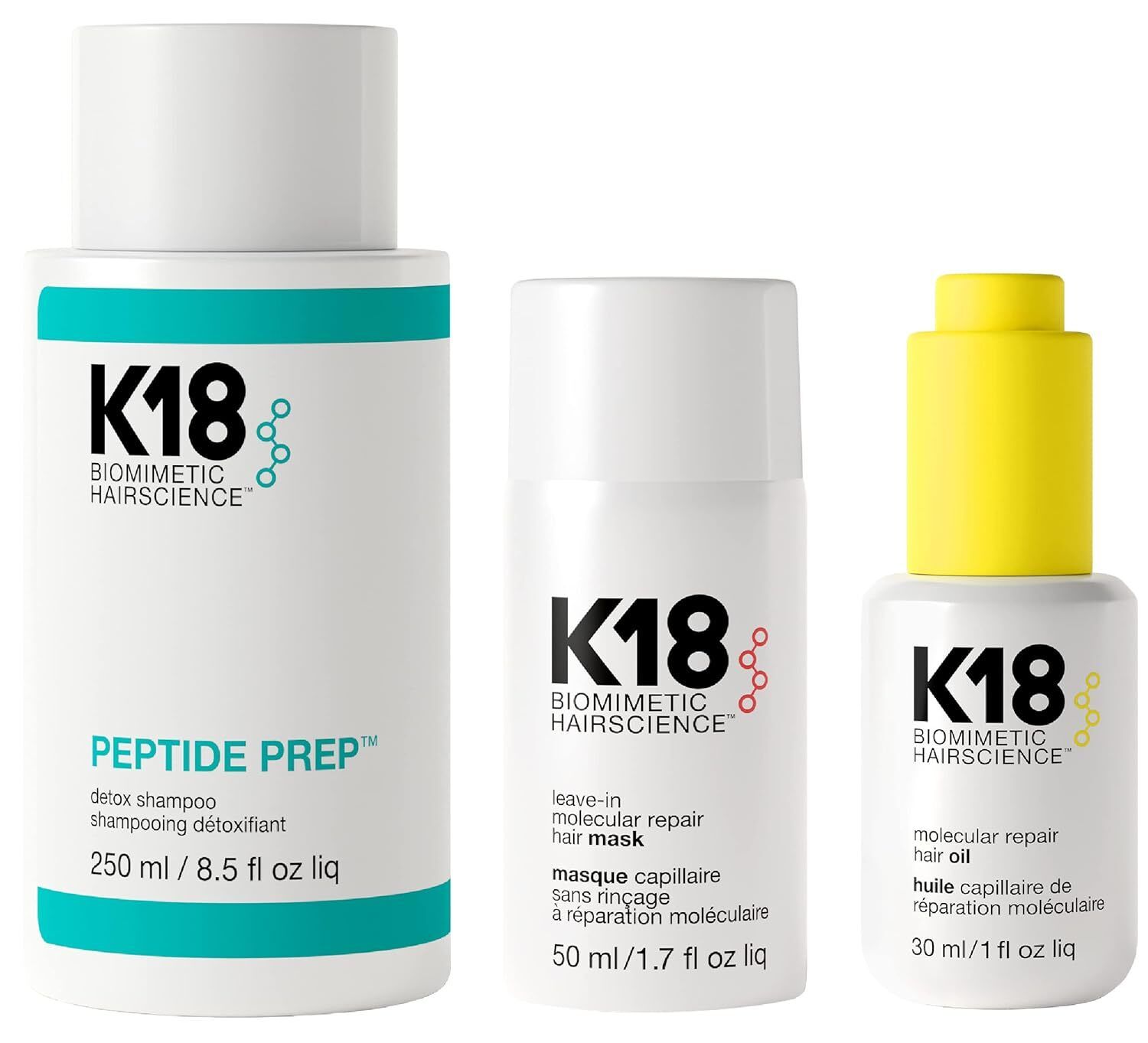
K18 Hair Treatment utilizes a unique biomimetic peptide designed to reconnect broken keratin chains at a molecular level. It aims to reverse hair damage from bleaching, heat styling, and environmental stressors. While K18 is scientifically formulated for safety and effectiveness, like all cosmetic products, it's not completely without potential side effects.
Potential Side Effects of K18 Hair Treatment
Most users tolerate K18 well; however, some individuals may experience specific side effects, including:
1. Allergic Reactions
Although rare, allergic reactions to K18 can occur. These typically manifest as:
- Redness or rash on the scalp
- Itching and irritation
- Mild swelling or inflammation around the scalp area
Tip: Perform a patch test before full application to identify potential sensitivities. |
2. Dryness and Brittleness
Some users, especially those with overly dry or previously damaged hair, may notice increased dryness or brittleness shortly after initial use. This side effect can be temporary as the hair adjusts to the treatment.
- Temporary rough texture
- Increased susceptibility to tangling
- Loss of elasticity in severely damaged hair
Tip: Follow up with a hydrating leave-in conditioner or hair oil to counteract initial dryness. |
3. Scalp Sensitivity
Due to its powerful repairing action, K18 might cause temporary scalp sensitivity in some users, particularly those with a sensitive scalp or previous scalp conditions like dermatitis or psoriasis.
- Tingling or mild burning sensation
- Temporary increase in dandruff or flakiness
Tip: Apply the treatment focusing on hair strands rather than directly onto the scalp. |
4. Product Build-up
Excessive or frequent use of K18 without proper washing routines can lead to product build-up, making hair appear dull, heavy, or greasy.
- Hair losing its natural shine
- Heavier hair texture
Tip: Clarify your hair periodically with a gentle clarifying shampoo to prevent build-up. |
 |
Who Should Avoid K18 Hair Treatment?
While K18 is generally safe for most hair types, specific groups might want to exercise caution:
- People with known peptide allergies: Consult a dermatologist before use.
- For those with severe scalp conditions, seek professional guidance before incorporating K18 into your regimen.
- Pregnant or breastfeeding women: Although generally safe, consulting a healthcare provider is recommended.
How to Prevent K18 Hair Treatment Side Effects
Follow these expert guidelines to minimize the risk of adverse reactions:
- Patch Test: Always do a small patch test 48 hours before regular application.
- Follow Manufacturer Instructions: Apply strictly according to recommended frequency and quantity.
- Hydration: Regularly condition and moisturize your hair post-treatment.
- Monitor Reactions: Observe any changes after initial use and adjust accordingly.
When to See a Specialist?
If you experience persistent side effects or severe allergic reactions such as significant scalp redness, swelling, or prolonged irritation, stop using the product immediately and consult a dermatologist or hair care specialist for further evaluation and treatment.
FAQs on K18 Hair Treatment Side Effects
Is K18 hair treatment safe for everyday use?
No, K18 is designed for periodic use—initially more frequent, followed by maintenance use every 4-6 washes to avoid adverse effects.
Can K18 cause hair loss?
K18 is not known to cause hair loss. However, improper or excessive application can lead to hair dryness or brittleness, potentially increasing breakage in severely damaged hair.
Are K18 side effects permanent?
No, side effects like dryness or scalp sensitivity are typically temporary and resolve quickly once application is adjusted or stopped.
Can K18 be used on chemically treated or colored hair?
Yes, K18 is particularly beneficial for chemically treated or colored hair, but users should carefully follow guidelines to prevent any adverse reactions.
Conclusion
K18 hair treatment is a revolutionary product with significant benefits for damaged hair. Understanding its potential side effects empowers you to use it safely and effectively. By following manufacturer instructions, conducting patch tests, and seeking professional advice when necessary, you can maximize its benefits while minimizing risks, ensuring healthier, revitalized hair without unpleasant surprises.
Disclaimer
The information in this article is provided for general educational purposes only and is not intended to diagnose, treat, cure, or prevent any medical or cosmetic condition. It should not be considered a substitute for professional advice from a licensed dermatologist, trichologist, or qualified hair‑care specialist. Always perform a patch test before trying new products and follow the manufacturer’s instructions. Individual results will vary based on hair type, level of damage, and adherence to proper usage guidelines.
References to brand names are made solely for descriptive and comparative purposes; all trademarks and registered trademarks are the property of their respective owners. This article is not sponsored or endorsed by any brand mentioned. If affiliate links are included, we may earn a small commission—at no additional cost to you—when you purchase through those links. Commissions help us maintain and improve the content we provide.
By using the information presented, you agree that the author and publisher are not liable for any loss, damage, or adverse outcome arising from the application of the advice offered. If you have specific concerns about hair damage, allergies, or product suitability, consult a qualified professional before proceeding.