
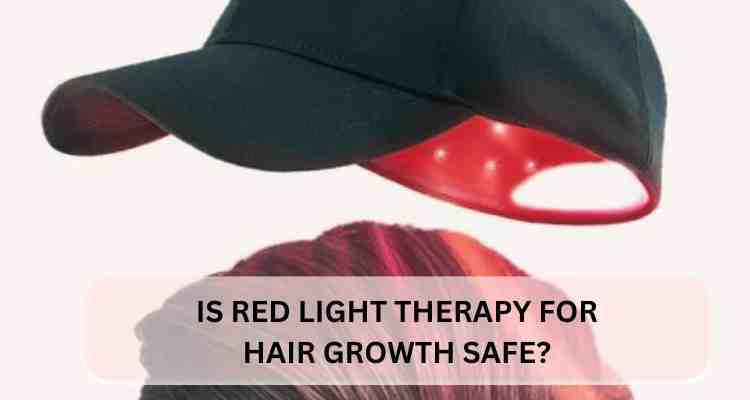
Red light therapy has emerged as a popular treatment for hair loss, with claims of promoting hair growth by stimulating the scalp and hair follicles. But is this method safe for regular use? This article explores the safety of red light therapy for hair growth, examining its mechanisms, benefits, potential risks, and considerations for those looking to try this innovative treatment.
Backed by Research and Clinical Studies
Red light therapy, also known as low-level laser therapy (LLLT), has been extensively studied and is approved by the U.S. Food and Drug Administration (FDA) for its safety and effectiveness in treating certain types of hair loss, such as androgenetic alopecia. Red light therapy penetrates the scalp by using specific wavelengths of light, usually 630 to 670 nanometers, improving blood circulation and stimulating hair follicles.
Clinical studies have shown that consistent red light therapy can increase hair density, reduce hair thinning, and promote overall scalp health. These findings support its reputation as a safe and non-invasive treatment for hair growth.
Non-Invasive and Painless
Unlike surgical procedures or medications, red light therapy is noninvasive and painless, making it a preferred choice for many seeking hair restoration. The therapy involves exposing the scalp to low levels of red light, which helps stimulate cell activity without harming the skin or tissues. This makes it suitable for individuals with sensitive skin or those looking for a drug-free alternative.
Red light therapy devices, such as laser caps, combs, and panels, are designed for safe use at home or in clinics, provided users follow the recommended guidelines.
Potential Side Effects Are Minimal
Red light therapy is generally well-tolerated, with few reported side effects. However, improper use or overexposure to the light can cause mild issues such as:
- Temporary redness or irritation on the scalp
- Slight warmth or tingling during or after the session
- Headaches in rare cases due to prolonged exposure
These side effects are usually minor and subside quickly. It's important to use FDA-cleared devices to minimize risks and carefully follow the manufacturer's instructions.
Effectiveness May Vary
While red light therapy is considered safe, its effectiveness can vary depending on factors such as the type and stage of hair loss, the consistency of use, and individual biological responses. It is most effective for those in the early stages of hair thinning or loss and may not yield significant results for individuals with advanced baldness or dormant hair follicles.
Experts emphasize patience, as visible results can take several months of consistent use. Combining red light therapy with other hair loss treatments, such as topical solutions or supplements, can enhance its effectiveness.
Not Suitable for Everyone
Although red light therapy is safe for most people, certain individuals should approach it with caution or avoid it altogether. These include:
- Pregnant or breastfeeding individuals: The effects of red light therapy during pregnancy or breastfeeding have not been sufficiently studied.
- People with photosensitivity: Conditions like lupus or medications that increase sensitivity to light may cause adverse reactions to red light exposure.
- Individuals with scalp infections or open wounds: Red light therapy should not be used on infected or damaged skin until it has fully healed.
It’s always best to consult a healthcare professional before starting red light therapy, especially if you have underlying health conditions or are unsure about their suitability.
Guidelines for Safe Use
To ensure safe and effective use of red light therapy for hair growth, consider these tips:
- Choose FDA-cleared devices: Ensure your device has been approved for safety and efficacy.
- Follow recommended session times: Overexposure to red light won't accelerate results and may cause unnecessary irritation. Stick to the manufacturer's guidelines, typically 10–20 minutes per session.
- Maintain consistency: Regular use, as recommended, is crucial for noticeable results. Missing sessions may hinder progress.
- Protect your eyes: Avoid staring directly at the light during therapy. If recommended by the device manufacturer, wear protective eyewear.
Does Red Light Therapy Cause Hair Shedding?
Some users may experience temporary hair shedding when starting red light therapy. This is a normal part of the hair growth cycle, as weaker hairs fall out to make way for stronger, healthier growth. If shedding persists or worsens, it's advisable to consult a dermatologist to rule out underlying conditions.
Final Thoughts on Red Light Therapy for Hair Growth
Red light therapy is a safe, non-invasive treatment with minimal risks for most users. Backed by research and FDA approval, it offers a promising solution for individuals experiencing early-stage hair loss or thinning. However, as with any treatment, it’s important to manage expectations, use the device correctly, and consult a professional if you have any concerns. Following best practices, red light therapy can be valuable to your hair care routine.
FAQs
Can red light therapy damage the scalp?
When used as directed, red light therapy does not damage the scalp. It is a gentle treatment designed to promote healing and hair growth without causing harm.
Is red light therapy safe for daily use?
Most devices are designed for use 3–5 times per week. Daily use may not be necessary and could increase the risk of mild irritation.
How soon can I see the results from red light therapy?
Visible results typically appear after 3–6 months of consistent use, though individual outcomes may vary.
Can red light therapy be combined with other treatments?
Yes, combining red light therapy with treatments like minoxidil or biotin supplements can enhance results. Consult a healthcare provider for tailored recommendations.
Are there risks of long-term use?
There are no known risks associated with long-term use when the therapy is performed correctly and within recommended guidelines.
What is the best red light therapy device for hair growth?
Devices like FDA-cleared laser caps and handheld combs are popular for their ease of use and proven safety. Always choose a device from a reputable manufacturer.
Disclaimer:
The information provided in this article is for educational and informational purposes only and should not be considered medical advice. Red light therapy is generally safe for most individuals, but individual results and experiences may vary. Always consult a qualified healthcare professional before starting any new treatment, especially if you have underlying health conditions, are pregnant, breastfeeding, or taking medications that may cause photosensitivity. The article does not endorse or recommend specific products or brands. While red light therapy devices are FDA-cleared for certain uses, improper usage or overexposure may lead to minor side effects. Follow the manufacturer’s guidelines and consult a healthcare provider for personalized advice. This article is not a substitute for professional medical diagnosis, treatment, or advice. If you experience adverse effects or have concerns, discontinue use and seek professional guidance.
LLLT Devices Disclaimer
Low-Level Laser Therapy (LLLT) devices for hair growth are classified by the U.S. Food and Drug Administration (FDA) as Class II medical devices, requiring 510(k) clearance.
Before purchasing any LLLT product—whether it’s a laser cap, helmet, or comb—please take the following steps:
- Verify FDA Clearance: Confirm that the device has received proper FDA clearance.
- Check the FDA 510(k) Database: Use the FDA’s database to validate clearance status.
- Understand Private-Label Arrangements: Some brands operate under private-label agreements using the original manufacturer’s clearance.



Share Your Opinion, Please