
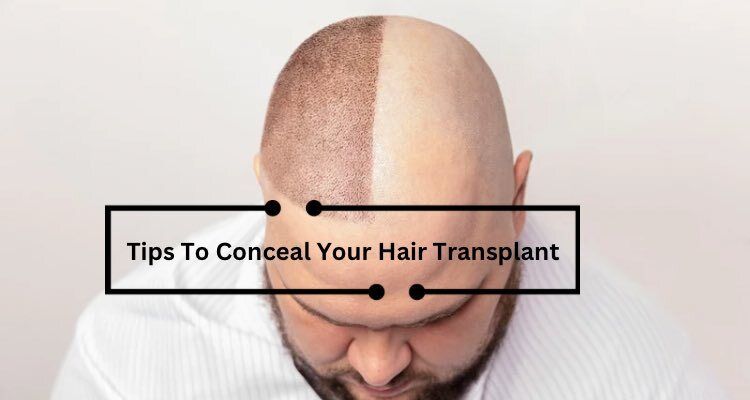
Hair transplant surgery is a popular solution for restoring hair and boosting confidence. Many people prefer to keep their hair transplant private due to post-surgery appearance like redness, swelling, and scabs. Wearing a hat is an effective way to conceal these side effects, ensuring privacy and boosting confidence. This article will give you tips on how to conceal your hair transplant safely without damaging the hair follicles.
Here's a summary of our 9 tips to conceal your hair transplant safely:
|
Choosing the Right Hat to Conceal Your Hair Transplant
Loose-Fitting Caps
Choose loose-fitting hats made from soft, breathable materials. Tight hats can put pressure on the scalp and interfere with healing. Look for caps designed for post-surgery wear or opt for lightweight, adjustable options.
Style and Versatility
Select a stylish hat that complements your wardrobe to make wearing it feel natural. From classic baseball caps to trendy bucket hats, numerous styles can seamlessly integrate into your daily attire.
Practical Tips for Concealing your Hair Transplant
- Choose loose-fitting, breathable hats made of cotton or other soft materials: These materials are gentle on your scalp and help prevent irritation. They allow air to circulate, promoting healing.
- Gradually adopt a shorter hairstyle to make the transition less noticeable. Cut your hair short a couple of weeks before your hair transplant. Taking a week off after the procedure allows your hair to grow out again following the head shave required for surgery.
- Pick hats without seams on the top to avoid irritation: Seams can cause friction and pressure on the grafted areas. Seamless hats are more comfortable and safer for your healing scalp.
- Keep multiple hats and rotate them to ensure cleanliness: Having several hats allows you to wash them regularly, reducing the risk of infection and keeping your scalp clean.
- Avoid tight-fitting hats that can put pressure on your scalp: Tight hats can disrupt the healing process and damage the grafts. Ensure your hat fits loosely and comfortably.
- Follow your doctor's advice on when and what type of hat to wear: Your doctor can provide personalized recommendations based on your specific surgery and healing progress.
- Use hats that match your wardrobe to feel more comfortable wearing them: Choose hats that suit your style to make them feel like a natural part of your outfit.
- Ensure your hats are washed regularly to prevent infections: Clean hats reduce the risk of bacteria and infection, crucial for a healthy recovery.
- Consider hats specifically designed for post-surgery wear: These hats are made to be gentle on your scalp and promote healing.
- Use a hat to protect your scalp from the sun when you go outside: Sun exposure can harm your healing scalp. A hat provides necessary protection from UV rays.
The Immediate Post-Surgery Appearance: What to Expect?
- Redness and Swelling
After a hair transplant, the scalp often shows redness and swelling. This natural response to surgery usually subsides within a few days to a week but can make some people feel self-conscious.
- Scabs and Crusts
As transplanted hair follicles settle, small scabs and crusts may form. These are part of the healing process and will fall off eventually, but they can be noticeable and uncomfortable.
Privacy Concerns After a Hair Transplant:
- Maintaining Discretion
For many, undergoing a hair transplant is a personal decision. They might not want to share this journey with colleagues or acquaintances. Wearing a hat helps keep the procedure discreet, allowing daily life without drawing attention to the surgery.
- Avoiding Unwanted Questions
Curiosity from others can lead to questions about the visible signs of a hair transplant. A hat serves as a simple yet effective way to avoid these inquiries and maintain normalcy.
- Boosting Self-Confidence
The post-surgery phase can be a vulnerable time. Visible healing signs might make individuals feel self-conscious. Wearing a hat helps conceal these signs, boosting comfort and confidence during recovery.
- Enhancing Comfort in Social Situations
Attending social events or professional engagements soon after a hair transplant can be daunting. A hat provides security, allowing interaction without worrying about appearance, significantly enhancing overall confidence.
What is the best hat after hair transplant?
The best hat after hair transplant is a loose-fitting, breathable cap made of soft materials like cotton or bamboo. It should have no seams on top to prevent irritation and fit comfortably without putting pressure on the grafts. An adjustable hat is ideal for swelling and changes during healing.
Conclusion
Wearing a hat after a hair transplant is practical for concealing the immediate post-surgery appearance, ensuring privacy, and boosting self-confidence. By selecting the right hat and following proper care guidelines, individuals can navigate the recovery period with discretion and ease. This simple accessory can make a world of difference in helping people feel more comfortable and confident as they embrace their new hair journey.



Share Your Opinion, Please