

If you have dry facial skin, you’re likely familiar with tightness, flakiness, and irritation that can worsen in colder weather or air-conditioned environments. Although dryness might seem superficial, it can lead to a compromised skin barrier, early fine lines, and heightened sensitivity if unaddressed. According to the American Academy of Dermatology (AAD), a properly selected moisturizer restores the skin’s natural hydration balance and strengthens its barrier against environmental stressors.
Our Top Picks at a Glance:
|
Preview: What You’ll Learn
In this guide, we’ll cover:
- Why is facial skin prone to dryness
- Key moisturizing ingredients every dry-skinned individual should look for
- Age-based recommendations to address dryness at every stage of life
- Best dermatologist-recommended moisturizers
- Proper application techniques and common mistakes to avoid
We’ve drawn key structural ideas from the sample article on tinted moisturizers—particularly how to prioritize hydration, anti-aging benefits, and gentle formulations—and adapted them to focus specifically on facial moisturizers for dryness.
Key Takeaways:
|
Understanding Facial Dryness
What Makes Facial Skin Prone to Dryness?
Facial skin is often thinner and more exposed to environmental factors than the skin on your body. The cheeks, forehead, and area around the eyes can become dehydrated faster, leading to a tight, uncomfortable feeling or even visible peeling.
- Environmental Exposure: Wind, sun, pollution.
- Frequent Washing: Using cleansers that strip natural oils.
- Internal Factors: Lower oil (sebum) production as we age.
Key Causes of Facial Dryness
- Environmental Factors: Seasonal dryness due to low humidity, extreme cold, or hot, dry climates.
- Lifestyle Factors: Hot showers, harsh soaps, inadequate water intake, and improper skincare.
- Intrinsic Aging: As emphasized in our sample article, collagen loss and decreased oil production become more pronounced after your 40s and 50s, making skin drier and more vulnerable to wrinkles.
Signs and Symptoms
- Tightness and itching, especially after cleansing
- Flakiness or scaling, sometimes leading to redness
- Fine lines appear more prominent when the skin lacks moisture
Derm Tip: If you notice persistent itching, redness, or patchy rashes, consult a dermatologist to rule out eczema, dermatitis, or other skin conditions.
Key Features to Look For in a Face Moisturizer
1. Deep Hydration
For dry skin, the foundation of any effective moisturizer is its ability to provide and retain hydration. Look for:
- Ceramides: Essential fatty molecules that rebuild and reinforce the skin’s natural barrier, preventing moisture loss and enhancing resilience.
Glycerin: A classic humectant that attracts water to the skin’s surface for immediate and lasting relief from dryness. - Hyaluronic Acid: A hydration powerhouse that draws water into the skin, holding up to 1,000 times its weight in moisture, leaving skin plump and smooth.
- Squalane: A lightweight, non-greasy oil derived from plants that mimics the skin’s natural sebum, delivering long-lasting hydration without clogging pores.
2. Anti-Aging Benefits
Hydration alone isn’t enough; a good moisturizer should also help combat signs of aging and improve skin texture. Key ingredients include:
- Peptides: These short chains of amino acids stimulate collagen production, which helps firm the skin and reduce the appearance of fine lines and wrinkles.
- Niacinamide (Vitamin B3): A multitasking ingredient that evens out skin tone, minimizes redness, reduces inflammation, and strengthens the skin’s barrier.
- Vitamin C: An antioxidant that brightens the complexion, protects against environmental damage and supports collagen synthesis for a more youthful appearance.
- Panthenol (Pro-Vitamin B5): Known for its soothing properties, it hydrates deeply and repairs the skin’s natural barrier.
3. Sun Protection (SPF)
Sun damage exacerbates dryness and accelerates signs of aging, making SPF a non-negotiable feature:
- Broad-Spectrum SPF 30+: Provides essential protection against both UVA rays (which age the skin) and UVB rays (which burn the skin).
- If your chosen moisturizer lacks SPF, apply a separate sunscreen on top to ensure your skin stays shielded throughout the day. For convenience, look for moisturizers with zinc oxide or titanium dioxide, which act as physical sunblocks while soothing the skin.
4. Lightweight, Non-Comedogenic Formula
Dry skin still needs a breathable, non-clogging formula to prevent breakouts and irritation:
- Avoid Heavy Formulas: Thick, greasy products can suffocate the skin and feel uncomfortable during the day.
- Look for "Non-Comedogenic" Labels: Ensure the moisturizer won’t clog pores, even for those with dry yet acne-prone skin.
- Silky Texture: The ideal moisturizer should spread easily, absorb well, and leave the skin feeling soft without any sticky residue.
Hydrating ingredients to look for in a moisturizer for dry skin:
|
How to Choose the Best Face Moisturizer Based on Age and Dryness Level
20s and 30s
- Focus: Prevent early dryness and fine lines through consistent hydration.
- Key Ingredients: Hyaluronic acid, antioxidants like vitamin E or vitamin C.
- Pro Tip: Don’t underestimate dryness even if you still have a youthful glow. Start building a habit of daily moisturizing and UV protection.
40s and 50s
- Focus: Combat advanced dryness and early signs of aging.
- Key Ingredients: Ceramides, peptides, niacinamide.
- Pro Tip: Incorporate a night cream with these ingredients to help your skin repair itself while you sleep.
60s and Beyond
- Focus: Deep nourishment with sensitivity support.
- Key Ingredients: Gentle retinoids (if tolerated), richer creams with emollients like shea butter or squalane, soothing botanicals.
- Pro Tip: As facial skin gets thinner, you may need thicker formulas—especially in winter—to prevent transepidermal water loss.
Dermatologist-Recommended Face Moisturizers for Dry Skin
Below are U.S. market favorites frequently mentioned by dermatologists. Always perform a patch test first, as individual reactions can vary.
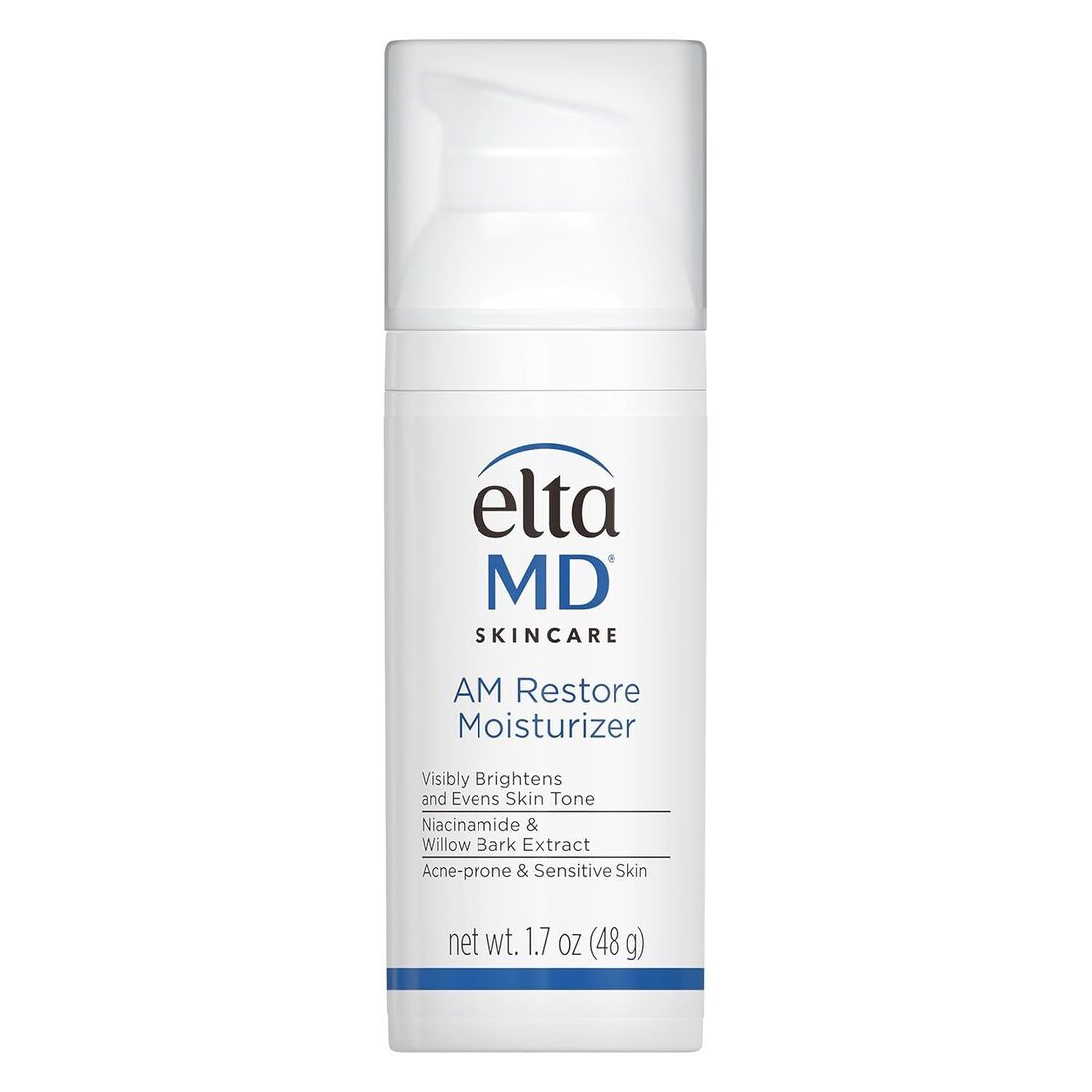
1. EltaMD AM Therapy Facial Moisturizer
 |
|
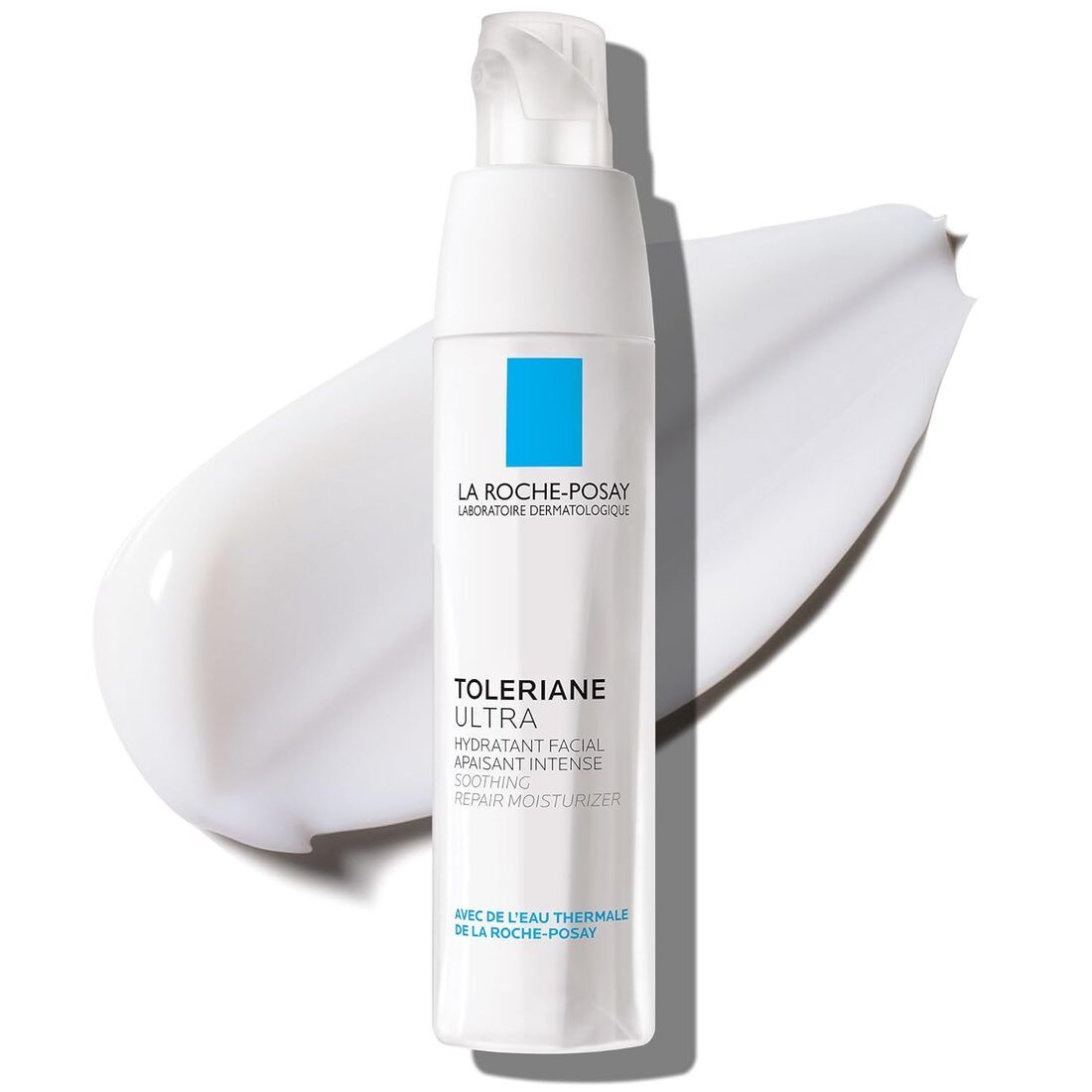
2. La Roche-Posay Toleriane Ultra
 |
|
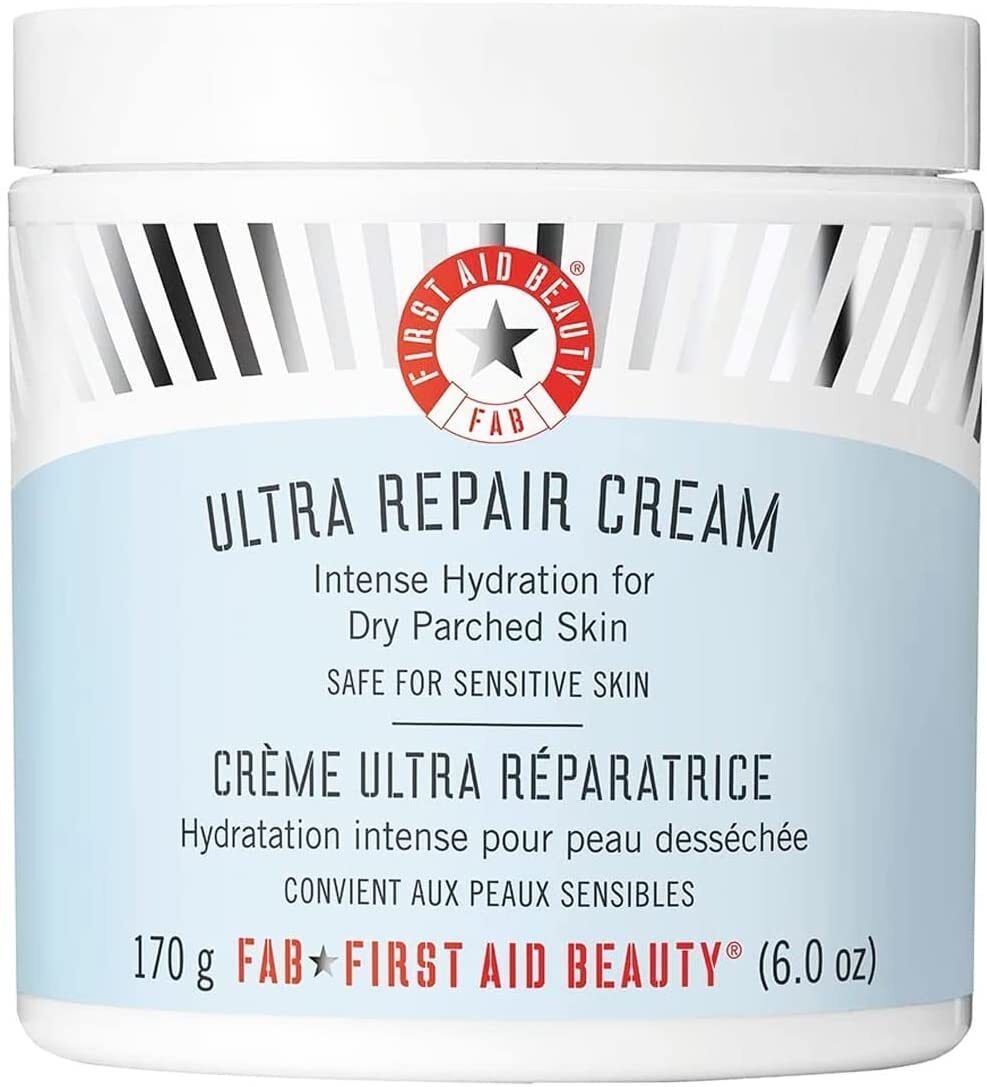
3. First Aid Beauty Ultra Repair Cream
 |
|
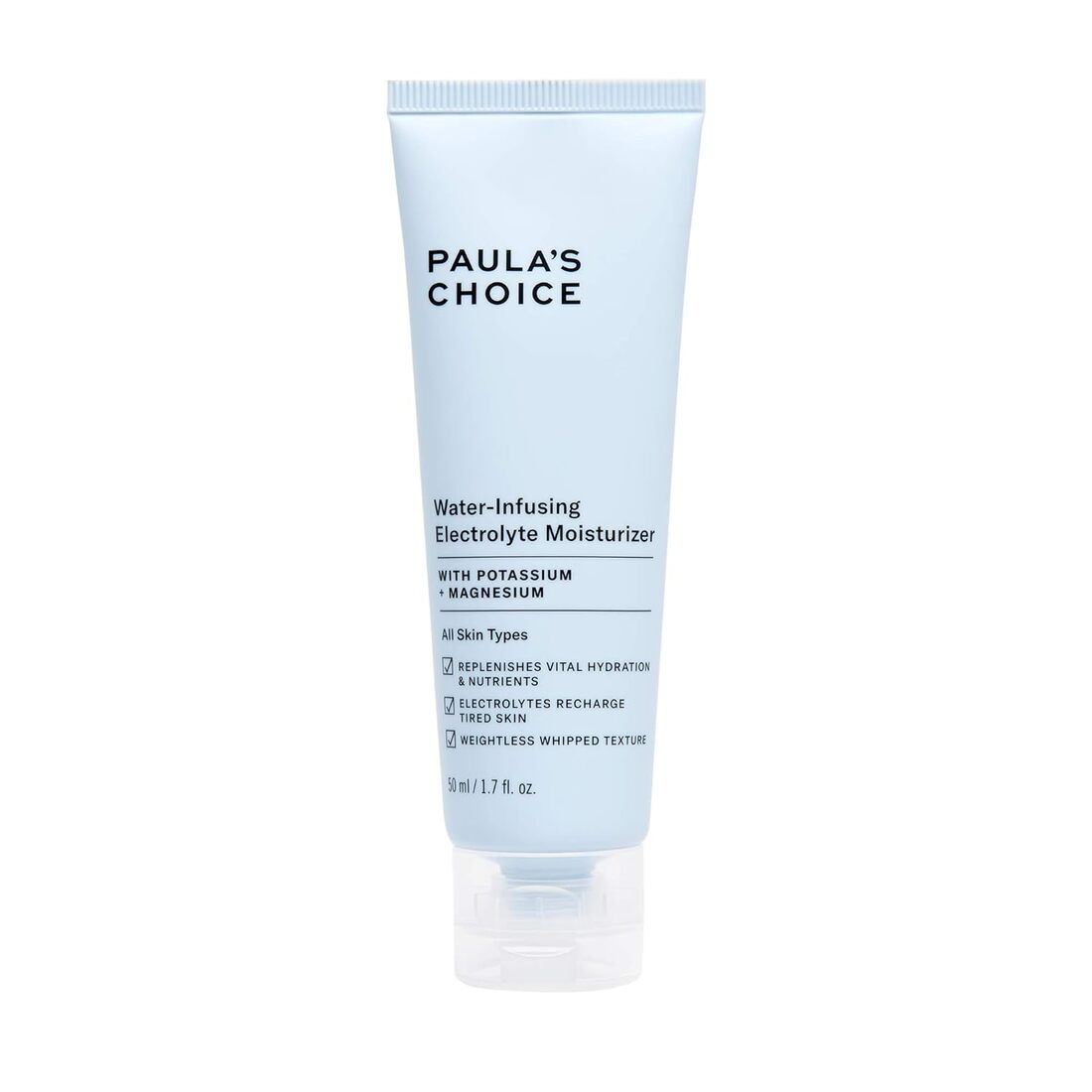
4. Paula’s Choice Water-Infusing Electrolyte Moisturizer
 |
|
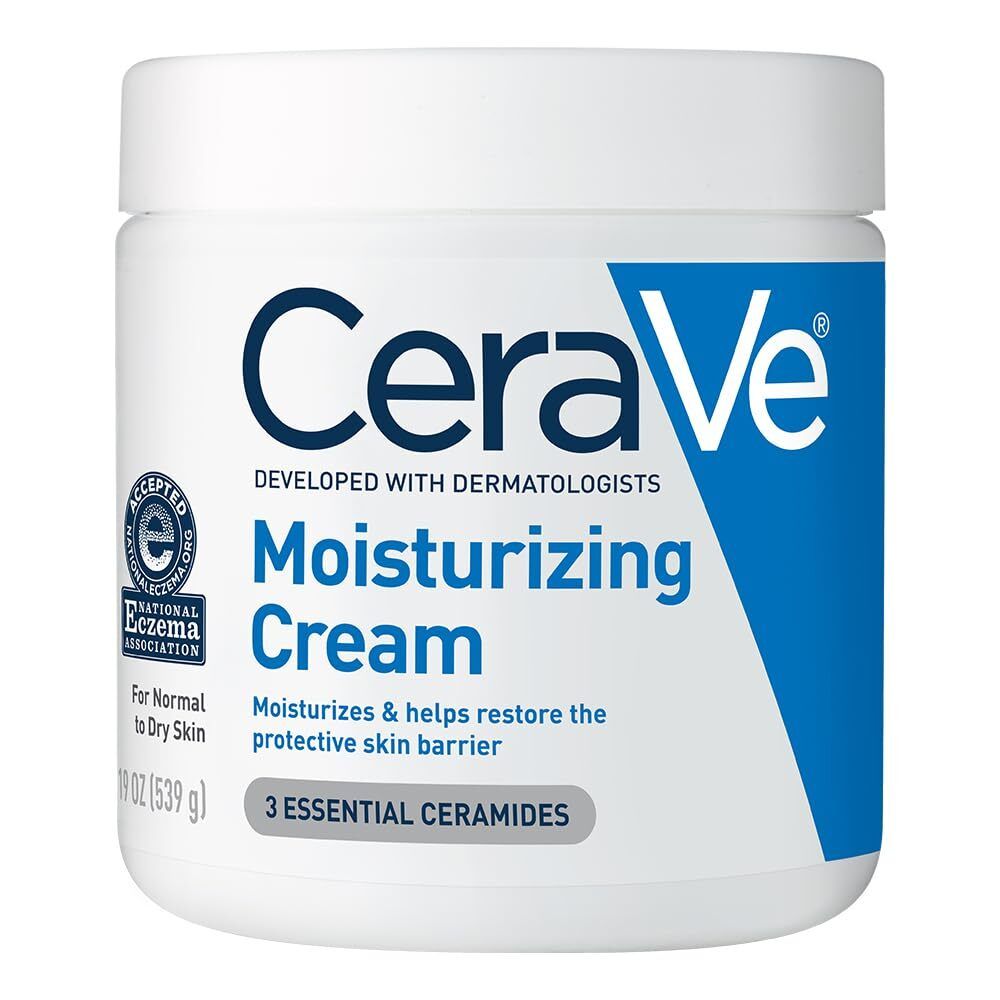
5.CeraVe Moisturizing Cream
 |
|
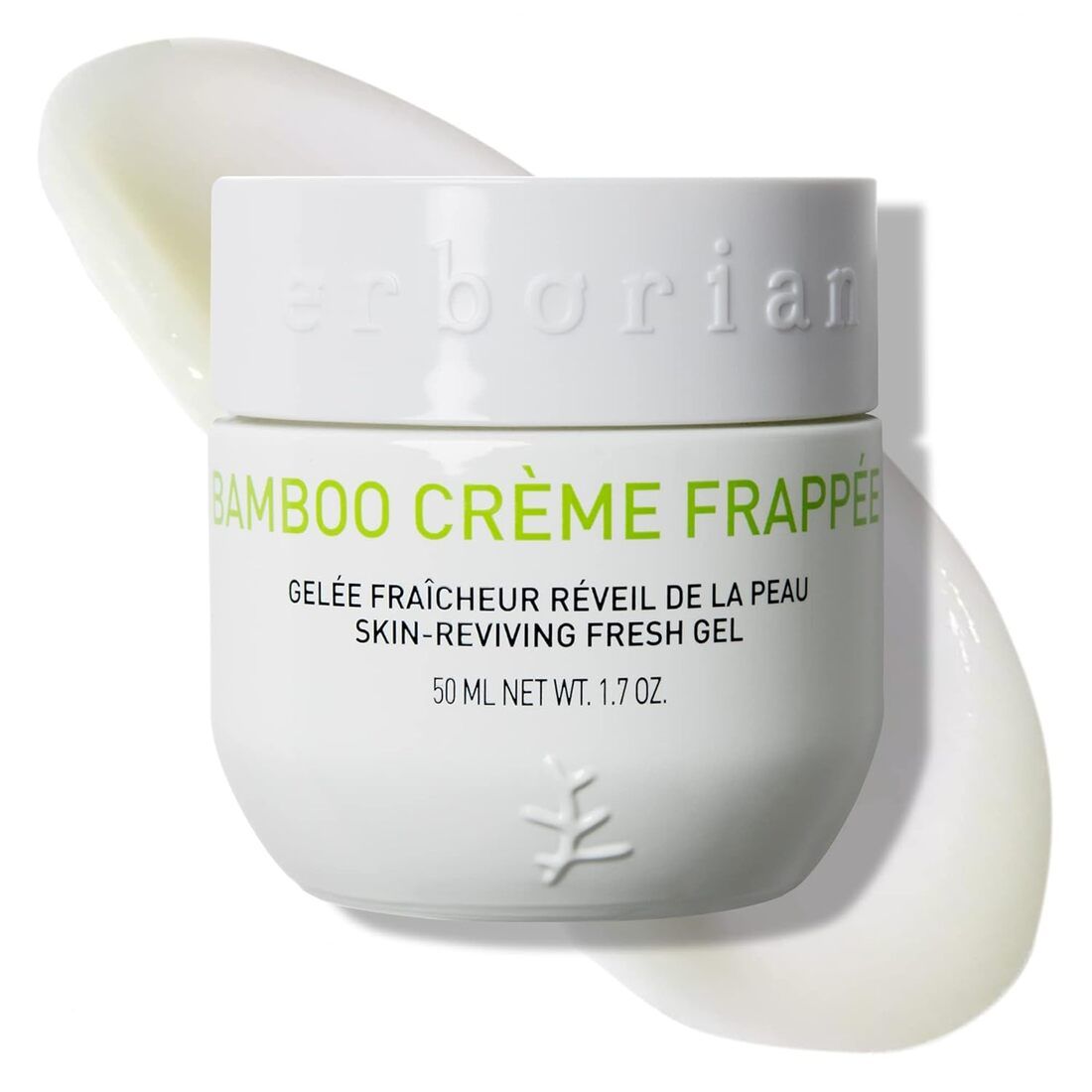
6. Erborian Yuza Sorbet Day Cream
 |
|
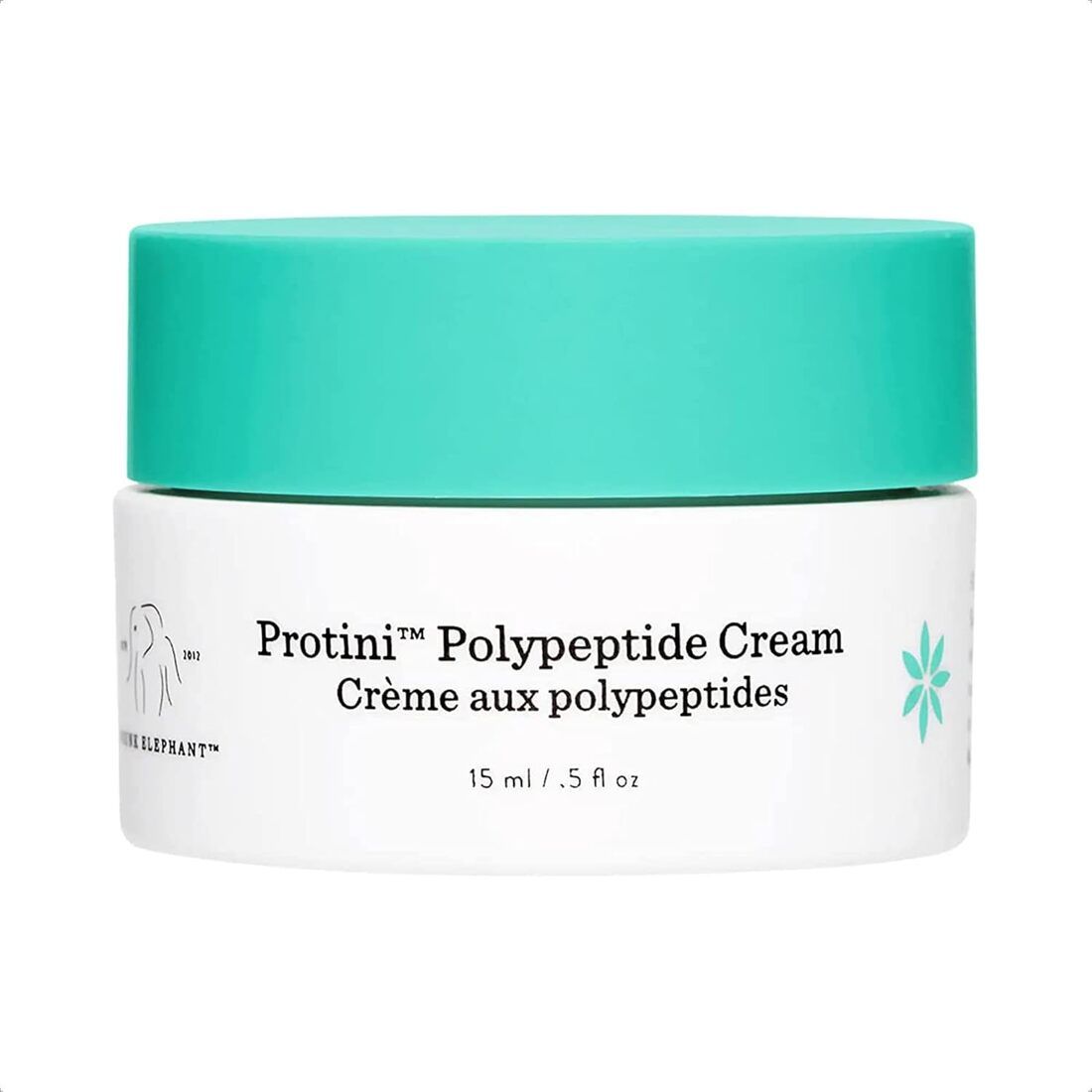
7. Drunk Elephant Protini Polypeptide Cream
 |
|
Tips for Dry Skin Creams:
|
Related: 7 Best Face Moisturizers for Dry Skin
Application Tips
- Prep the Skin:
Cleanse with a gentle, pH-balanced facial cleanser. If you use a toner or facial mist, ensure it’s alcohol-free to avoid stripping moisture. - Pat, Don’t Rub:
Dispense a dime-sized amount of moisturizer onto your fingertips. Warm the product in your hands, then pat and press onto the face and neck. Excessive rubbing can irritate delicate skin and accentuate dryness. - Spot Treat Problem Areas:
If you have especially flaky or rough patches, apply a second layer or use a richer balm at night. Like tinted moisturizers can be “built up” for coverage, you can layer facial moisturizers on problem areas. - Layering with SPF or Tinted Moisturizer:
For daytime, if your moisturizer lacks sunscreen, follow with a broad-spectrum SPF 30+ or a tinted moisturizer with SPF.
Common Mistakes to Avoid
- Skipping SPF:
Even the most hydrating moisturizer won’t protect you from UV damage, which exacerbates dryness and fosters premature wrinkles. - Over-Exfoliating:
Exfoliation can remove dead skin cells, but doing it too often or using harsh scrubs/strong acids damage the skin barrier. - Neglecting Seasonal Adjustments:
The heavier creams you need in winter might feel too rich in summer. Adjust your moisturizer consistency to climate changes. - Forgetting the Neck and Jawline:
Dryness isn’t exclusive to your cheeks and forehead. Extend moisturizer application to the jawline, neck, and even décolletage for a uniform complexion.
What Is the Best Moisturizer for Dry Facial Skin?
A top choice for dry facial skin should contain ceramides, hyaluronic acid, and emollients like squalane or shea butter to deeply hydrate and fortify your skin barrier. Dermatologist-endorsed options include CeraVe Moisturizing Cream or La Roche-Posay Toleriane Ultra, both proven to nourish dryness without clogging pores. For best results, apply morning and night, and layer with SPF during the day to protect from UV-induced dryness.
How to Choose the Best Face Moisturizer for Dry Skin (Reddit Insights)?
On Reddit, skincare enthusiasts often recommend looking for:
- Ingredient Simplicity – Gentle formulas without heavy fragrances or irritants.
- Hydrating Superstars – Hyaluronic acid, glycerin, ceramides.
- User Testimonials – Many Redditors share personal before-and-after photos with products like Neutrogena Hydro Boost for a non-greasy yet hydrating feel.
How Do Dermatologists Suggest Choosing the Best Face Moisturizer for Dry Skin?
Board-certified dermatologists often advise:
- Identify Key Ingredients – Ceramides, hyaluronic acid, niacinamide, or squalane.
- Opt for Non-Comedogenic Products – To prevent breakouts while nourishing dryness.
- Check for SPF – If possible, select a broad-spectrum SPF 30+ to shield against UV-induced damage.
- Match Texture to Severity – Use richer creams if your dryness is severe, or a lightweight lotion if you’re slightly dry but break-out prone.
How to Choose the Best Moisturizer for Your Face (General Guidance)?
- Know Your Skin Type – While dryness is your main concern, you may also be sensitive, combination, or acne-prone in certain areas.
- Scan the Ingredients – Seek hydration (hyaluronic acid), barrier-strengtheners (ceramides), and calming agents (oat extract, niacinamide).
- Adapt to Season & Climate – Adjust to thicker creams in winter and lighter lotions in summer.
- SPF or Not? – For daytime, pick a product with SPF or layer sunscreen on top.
What Is the Best Dermatologist-Recommended Face Moisturizer for Dry Skin?
Experts frequently mention:
- CeraVe Moisturizing Cream: Packed with ceramides and hyaluronic acid, ideal for repairing a compromised skin barrier.
- SkinCeuticals Triple Lipid Restore 2:4:2: A premium option rich in ceramides, fatty acids, and cholesterol for advanced barrier support.
- La Roche-Posay Toleriane Ultra: Excellent for sensitive or reactive skin needing extra hydration.
What Is the Best Moisturizer for a Dry, Sensitive Face?
If you experience both dryness and sensitivity, opt for formulations specifically labeled “gentle” or “for sensitive skin.” Key recommendations include:
- First Aid Beauty Ultra Repair Cream – Uses colloidal oatmeal to calm redness and soothe irritation.
- Avène Tolerance Extreme Cream – Minimal-ingredient formula designed for easily irritated, parched skin.
- La Roche-Posay Toleriane Ultra – Fragrance-free, tested on sensitive skin, and effective for restoring moisture.
Which Moisturizer Is Best for Me? Is There a Quiz?
Several skincare brands and dermatology clinics offer online quizzes to help you identify the perfect match based on your skin type, lifestyle, and specific concerns (e.g., dryness, sensitivity, fine lines). While these quizzes can be helpful starting points, remember:
- They’re not a substitute for a board-certified dermatologist.
- Always double-check ingredient lists to avoid potential irritants.
- Use quizzes to narrow choices but follow up with a patch test and professional advice for the most accurate results.
Frequently Asked Questions
Q1: How Often Should I Moisturize?
If your skin feels especially dry, at least twice a day (AM and PM) or more. Consistency is key for managing dryness long-term.
Q2: Can I Use Body Moisturizer on My Face?
Generally not recommended—body formulas may be too thick or contain ingredients unsuitable for facial skin. Stick to face-specific formulations to prevent clogged pores or irritation.
Q3: Is SPF Necessary for Dry Skin?
Yes. Sun damage can worsen dryness and accelerate aging. A moisturizer with SPF or a dedicated sunblock (SPF 30+) is essential, especially for daily daytime use.
Q4: What’s the Difference Between Dry and Dehydrated Skin?
Dry skin lacks oil, while dehydrated skin lacks water. You can have both simultaneously. Consult a dermatologist to confirm your specific concern and tailor your skincare accordingly.
Q5: What Is the Highest-Rated Moisturizer for Aging Skin?
Many dermatologists and skincare experts rank SkinCeuticals Triple Lipid Restore 2:4:2 among the best for aging skin. It contains a precise blend of ceramides, cholesterol, and fatty acids to support a weakened skin barrier—a common issue as we age. If you’re seeking a more budget-friendly option, CeraVe PM Facial Moisturizing Lotion is also highly rated for boosting hydration and reducing the appearance of fine lines. Always patch-test first, especially if you have sensitivity or multiple skincare steps in your routine.
Q6: What Do Dermatologists Recommend for Daily Skin Care?
A daily routine generally includes:
- Gentle Cleanser – Removes dirt without stripping natural oils.
- Targeted Treatment – E.g., a serum with antioxidants or niacinamide.
- Moisturizer – Locks in hydration; opt for ceramides or hyaluronic acid for dry skin.
- Sunscreen (AM Only) – Broad-spectrum SPF 30 or higher to prevent UV-induced damage.
Q7: What Does “#1 Dermatologist Recommended” Mean?
#1 Dermatologist Recommended” is a marketing phrase often indicating that dermatologists frequently suggest a product. However, there is no single governing body verifying all such claims. Many brands survey dermatologists or partner with them for research and endorsements. For reliable guidance, look for evidence-based ingredients, clinical studies, or official seals (e.g., the National Eczema Association seal) rather than relying solely on slogans.
Q8: What Is the Best Natural Thing to Moisturize Your Face?
Options like pure aloe vera gel, jojoba oil, or shea butter are often touted as “natural” hydrators. These ingredients provide soothing and moisture-retaining benefits without synthetic fragrances or dyes. That said, natural products can still cause reactions—so always do a patch test. If you have persistent dryness, consider a dermatologist-formulated moisturizer with proven humectants (like glycerin or hyaluronic acid) alongside your natural remedies.
Q9: Is CeraVe Moisturizer Really Dermatologist Recommended?
Yes. CeraVe is frequently cited by dermatologists for its ceramide-rich formulas that help repair and maintain the skin’s protective barrier. Its non-comedogenic, fragrance-free products are suitable for many skin types, including sensitive or acne-prone individuals. The brand’s widespread recommendation often stems from clinical evidence and positive patient outcomes, aligning with guidelines from the American Academy of Dermatology (AAD).
Q10: Is CeraVe Good for Aging Skin?
Absolutely. The brand offers moisturizers and lotions with ceramides, peptides, and hyaluronic acid—all of which can help minimize the appearance of fine lines and maintain skin suppleness. For more mature or extremely dry skin, consider their Skin Renewing line, which includes retinol, a dermatologist-favored ingredient to support cellular turnover and collagen production. Pair it with daily SPF to protect skin from further photoaging.
Q11: Which Is Better, Cetaphil or CeraVe, for Dry Facial Skin?
Both Cetaphil and CeraVe have been recognized by dermatologists for effectively hydrating dry or sensitive skin. Cetaphil focuses on gentle, non-irritating formulas, making it a top choice for extremely reactive skin. CeraVe stands out for its ceramide-packed formulations that restore the skin barrier. Ultimately, the “better” option varies per individual—consider texture preference, ingredient tolerance, and personal experience. Testing sample sizes can help you decide which brand suits you best.
Q12: Is Neutrogena Really a Dermatologist-Recommended Brand?
Yes. Neutrogena often collaborates with dermatologists to develop its products. For example, the brand’s Hydro Boost line features hyaluronic acid and receives frequent praise for providing lightweight yet effective moisture. Although “dermatologist recommended” can be a broad marketing term, Neutrogena does back many of its lines with clinical studies, making it a reputable option for daily skincare.
Q13: Do Dermatologists Prefer CeraVe or La Roche-Posay?
Dermatologists commonly recommend both brands for dry, sensitive, or compromised skin. CeraVe emphasizes ceramides in its formulations, while La Roche-Posay integrates thermal spring water and sometimes niacinamide to soothe irritation. Choice often depends on personal skin needs: if your skin is reactive to certain ingredients, La Roche-Posay’s Toleriane Ultra might be ideal; if you need barrier repair, CeraVe’s ceramide-based formulas can excel.
Q14: What Sunscreen Do Dermatologists Recommend?
Dermatologists generally advise using a broad-spectrum SPF 30 or higher daily. Popular picks include EltaMD UV Clear (favored for acne-prone skin), La Roche-Posay Anthelios (renowned for high UVA protection), and Neutrogena Ultra Sheer (budget-friendly with strong UV defense). For dry or sensitive skin, look for physical sunscreens (zinc oxide or titanium dioxide) with added moisturizers to prevent further dryness. Proper sunscreen use is crucial in minimizing photoaging and dryness exacerbated by UV exposure.
ConclusionJust like our sample article underscores the importance of daily tinted moisturizer use, a regular moisturizing routine is essential to keep dryness at bay. Combine with a balanced diet, adequate water intake, and minimal stress for overall skin health. If you experience persistent dryness, visit a board-certified dermatologist for a personalized skincare plan. Those looking for coverage + hydration might explore tinted moisturizers containing similar ingredients inspired by the sample article. |
Disclaimer:
This article is for educational purposes only and does not replace professional medical advice. Always consult a healthcare professional or dermatologist for personalized recommendations.
References & Resources
- American Academy of Dermatology (AAD)
- National Eczema Association
- Journal of the American Academy of Dermatology – Studies on ceramides, hyaluronic acid, and barrier function.
- Journal of Clinical and Aesthetic Dermatology – Research on ceramide-based moisturizers for dry and sensitive skin.




Share Your Opinion, Please