Facial moisturizing is the cornerstone of any effective skincare routine. According to the American Academy of Dermatology (AAD), a proper moisturizer locks in essential hydration, safeguards the skin barrier against external irritants, and helps maintain a balanced complexion. In fact, research published in the Journal of the American Academy of Dermatology suggests that consistently moisturizing can reduce the likelihood of dryness, flaking, and premature aging.
But what exactly does “moisturizing your face like a pro” mean? It’s about tailoring your regimen to your specific skin type, choosing products backed by science, and applying them in a way that maximizes absorption and benefits. Below, you’ll find a step-by-step guide curated from top dermatologists’ recommendations to help you achieve a healthy, glowing complexion.
Know Your Skin Type
The first step in moisturizing effectively is understanding your skin’s unique characteristics. Dermatologists generally categorize skin into five main types:
- Normal Skin: Balanced in moisture and oil production. Rarely experiences dryness or excess oil.
- Dry Skin: Often feels tight or rough; prone to flaking and itchiness.
- Oily Skin: Produces excess sebum, leading to shine, clogged pores, and breakouts.
- Combination Skin: A mix of oily areas (often the T-zone) and dry or normal areas on the cheeks.
- Sensitive Skin: Easily irritated by products or environmental changes, prone to redness and discomfort.
Why it matters: Selecting the right moisturizer and routine based on your skin type ensures you don’t over-hydrate (leading to breakouts) or under-hydrate (leading to dryness and sensitivity).
Key Ingredients to Look For
Dermatologists often emphasize ingredients in moisturizers over flashy packaging or marketing claims. Here are some of the top ingredient recommendations from skin experts:
- Hyaluronic Acid (HA)
Why it’s great: Naturally occurring in the skin, HA binds up to 1,000 times its weight in water. This helps plump and hydrate the skin’s surface.
Who benefits: All skin types, especially dry and aging skin. - Ceramides
Why it’s great: These fatty acids help rebuild and strengthen the skin’s protective barrier.
Who benefits: Sensitive or compromised skin, e.g., in eczema or rosacea. - Glycerin
Why it’s great: A powerful humectant that draws moisture into the skin.
Who benefits: Ideal for dry and combination skin types looking for lightweight hydration. - Niacinamide (Vitamin B3)
Why it’s great: Helps reduce inflammation, improves skin texture, and balances oil production.
Who benefits: Oily, combination, and acne-prone skin. - Occlusives (e.g., Petrolatum, Dimethicone)
Why it’s great: Forms a protective seal over the skin to lock in moisture.
Who benefits: Extremely dry or dehydrated skin, especially in cold climates. - Antioxidants (e.g., Vitamin C, Vitamin E, Green Tea Extract)
Why it’s great: It helps combat environmental stressors and free radicals, promoting a brighter complexion.
Who benefits: Mature skin or anyone looking to prevent early signs of aging.
Related: 7 Best Face Moisturizers for Dry Skin in 2025
How to Choose the Right Moisturizer
With countless products on the market, selecting the right moisturizer can be overwhelming. Here’s a quick guide:
- Assess Your Skin Condition
- If you have dry skin, opt for cream-based moisturizers packed with ceramides, occlusives, and hyaluronic acid.
- For oily skin, choose a lightweight, oil-free formula labeled “non-comedogenic.”
- If you have combination skin, consider using different moisturizers for different areas (a heavier cream for dry areas and a gel for oily zones).
- Check the Texture
Creams and ointments tend to be thicker and more moisturizing, perfect for dry or sensitive skin. Gels and lotions are lighter and often suit oily or acne-prone skin. - Look for Multi-Taskers
Many moisturizers include SPF, antioxidants, or soothing agents like aloe vera. Selecting a moisturizer with multiple benefits can streamline your routine. - Patch Test
Dermatologists recommend doing a patch test before applying a new moisturizer to your entire face. This helps identify potential irritants without risking widespread sensitivity.
Step-by-Step Moisturizing Routine
- Cleanse with a Gentle Face Wash
Why: Proper cleansing removes dirt, oil, and makeup, allowing your moisturizer to penetrate more effectively.
| Derm Tip: Choose a pH-balanced, sulfate-free cleanser to avoid stripping the skin’s natural oils. |
- Apply a Hydrating Toner or Essence (Optional)
Why: A toner or essence can prep the skin for moisturizer, especially those formulated with humectants like hyaluronic acid.
| Derm Tip: Look for alcohol-free toners to avoid unnecessary dryness. |
- Serums and Treatments
Why: Target specific concerns (e.g., acne, hyperpigmentation, fine lines) before locking it all in with a moisturizer.
| Derm Tip: Use lightweight formulas that absorb quickly to avoid product pilling. |
- Moisturize Immediately After Cleansing
Why: According to the AAD, applying moisturizer on damp skin helps seal in hydration.
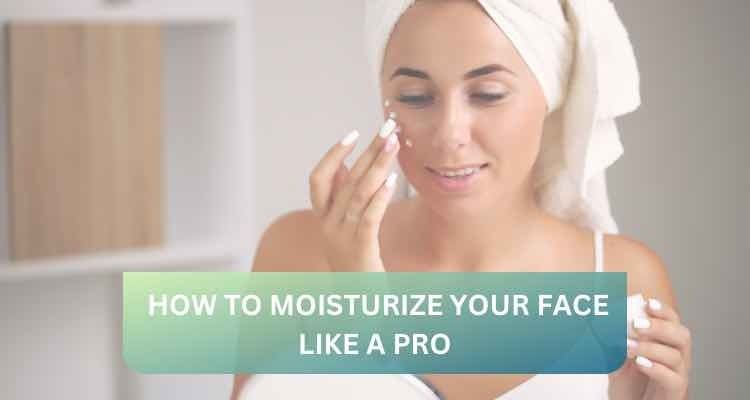
| Derm Tip: Warm a dime-sized amount of moisturizer between your fingertips for even application, then gently massage into your skin in upward, circular motions. |
- Don’t Forget the Neck and Chest
Why: The neck and décolletage area is prone to dryness and signs of aging. Extend your moisturizing routine to these areas.
| Derm Tip: Use leftover product on your hands for an added hydration bonus. |
- Lock It In with an Occlusive (Nighttime Routine)
Why: If your skin is extremely dry or you live in a harsh climate, a top layer of an occlusive (like a heavier cream or balm) can lock in moisture overnight.
| Derm Tip: Avoid thick occlusives if you have acne-prone or oily skin, as they may clog pores. |
Common Mistakes to Avoid
Even the best moisturizing routine can be undermined by simple missteps. Here’s what top dermatologists caution against:
- Over-exfoliating: Excessive exfoliation weakens the skin barrier, causing sensitivity and dryness. Stick to 1–3 times per week.
- Skipping Sunscreen: UV damage accelerates dehydration and the appearance of fine lines. Always use a broad-spectrum SPF 30 or higher.
- Using the Wrong Product for Your Skin Type: Heavy, oil-based moisturizers on oily skin can trigger breakouts; light gel-based products on very dry skin might not suffice.
- Neglecting Seasonal Changes: Adjust your moisturizer’s texture and ingredients with climate changes.
- Applying Products in the Wrong Order: Layer from thinnest to thickest (cleanser → toner → serum → moisturizer → sunscreen) for optimal absorption.
Additional Expert Tips for Optimal Hydration
- Use a Humidifier
A humidifier adds moisture to the air, especially beneficial in dry, cold climates, preventing transepidermal water loss (TEWL) from the skin’s surface. - Stay Hydrated Internally
While the direct impact of drinking water on skin hydration can vary, overall health and bodily hydration levels affect your skin’s appearance. Aim for at least 8 cups of water daily, adjusting for your activity level. - Incorporate Omega-3-Rich Foods
According to a study in the American Journal of Clinical Nutrition, foods like salmon, walnuts, and flaxseeds support skin barrier function from the inside out. - Mind Your Exfoliation Methods
Chemical exfoliants (like AHAs, BHAs) can be gentler than physical scrubs. Proper exfoliation allows moisturizers to penetrate more deeply without causing micro-tears in your skin. - Spot Treat Dry Patches
If you notice particularly rough or flaky areas, consider applying a thicker moisturizer or a healing ointment (like petrolatum) on those spots.
Frequently Asked Questions
1. How often should I moisturize?
Generally, twice a day (morning and night). However, if you have extremely dry skin, a mid-day reapplication can help.
2. Is it okay to skip moisturizer if I have oily skin?
No. Oily skin still needs hydration. Opt for a non-comedogenic, lightweight moisturizer to help balance oil production.
3. Can I just use any body lotion on my face?
Facial skin is more delicate and often more sensitive than body skin. Body lotions may contain fragrances or ingredients that can irritate facial skin or clog pores.
4. What if my skin reacts badly to a new moisturizer?
Discontinue use immediately and try a soothing product with fewer active ingredients. Patch test new products on a small area behind your ear or on your wrist for several days before full-face application.
5. Do I need different moisturizers for day and night?
Many people benefit from using a lighter, possibly SPF-infused moisturizer during the day and a richer cream at night to support repair while you sleep.
Conclusion
Moisturizing your face like a pro isn’t just about slathering on any product. It’s about understanding your skin type, choosing the right ingredients, and applying them in a way that optimizes absorption and barrier support. By following dermatologist-backed strategies—like applying moisturizer to damp skin, selecting formulas appropriate for your skin type, and avoiding common pitfalls like over-exfoliation—you’re well on your way to maintaining a healthy, radiant complexion.
No matter your age or skin condition, a consistent, well-informed moisturizing routine can make all the difference in how your skin looks and feels. Use the tips and insights shared here to craft a skincare regimen that leaves you confident, comfortable, and glowing year-round.
Pro Tip: Keep experimenting with different textures, ingredients, and application techniques until you find the perfect routine. Your skin’s needs may change with the seasons, environment, and even age—so stay flexible and keep up with regular dermatologist visits for personalized guidance.
References
- American Academy of Dermatology. Moisturizers: Tips for healthier skin .
- L. Baumann, “Cosmetic Dermatology: Principles and Practice,” 2nd Ed., McGraw-Hill, 2022.
- K. J. Block et al., “Hyaluronic Acid in Dermatology,” Journal of the American Academy of Dermatology, vol. 84, no. 2, 2021, pp. 487–496.
- M. F. Holick, “Environmental Factors that Influence the Cutaneous Production of Vitamin D,” The American Journal of Clinical Nutrition, vol. 61, no. 3, 2023, pp. 638S–645S.
- S. M. Brown et al., “Ceramides and Skin Barrier Function in Eczema,” Journal of Clinical and Aesthetic Dermatology, vol. 14, no. 7, 2022, pp. 25–30.