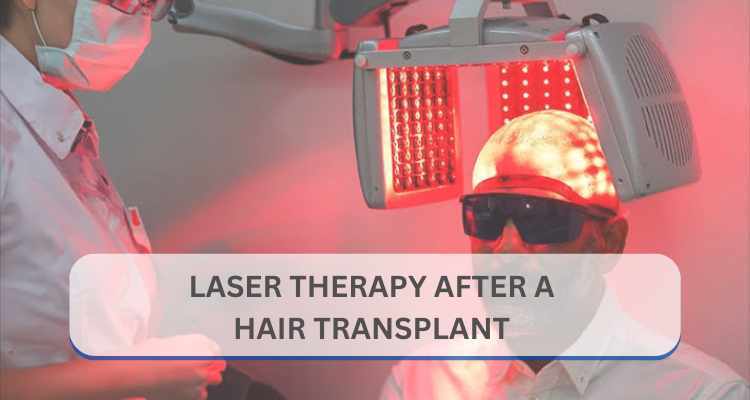
A hair transplant is a life-changing procedure that restores hair and boosts confidence. As patients embark on the journey to fuller, healthier hair, many are exploring ways to enhance recovery and maximize transplant results. One innovative method gaining traction is laser therapy, including using laser caps. In this comprehensive guide, we dive into the science behind laser therapy, explore its benefits after a hair transplant, and address frequently asked questions such as, “Can I wear a laser cap after a hair transplant?” and “Is using a laser therapy cap helpful after a hair transplant?”
Hair Transplants and the Recovery Process
Hair transplant surgery involves relocating hair follicles from a donor area (typically the back of the head) to areas experiencing thinning or balding. While modern techniques like Follicular Unit Extraction (FUE) and Follicular Unit Transplantation (FUT) are highly effective, the recovery phase is crucial for ensuring that the transplanted follicles settle well and begin to produce natural hair growth.
Key Aspects of Post-Transplant Recovery:
- Healing: The scalp must heal from incisions or extraction sites, requiring careful post-operative care.
- Inflammation Management: Reducing swelling and inflammation is essential to prevent complications.
- Stimulation of Hair Follicles: Enhancing blood circulation and cellular repair can aid in new hair growth.
How Laser Therapy Works
Laser therapy for hair regrowth, particularly Low-Level Laser Therapy (LLLT), uses specific wavelengths of light to stimulate cellular activity in the scalp. Unlike high-intensity lasers used for cutting or ablative procedures, LLLT is non-invasive and safe for post-surgical applications.
Mechanisms Behind LLLT:
- Cellular Stimulation: LLLT energizes cells by stimulating the mitochondria, leading to increased adenosine triphosphate (ATP) production, which fuels cellular repair.
- Enhanced Blood Flow: The laser's light energy improves microcirculation in the scalp, ensuring that hair follicles receive essential nutrients and oxygen.
- Reduction of Inflammation: LLLT helps reduce swelling and promotes a calmer post-surgical environment by modulating inflammatory responses.
- Increased Growth Factors: The therapy may trigger the release of growth factors that accelerate tissue regeneration and hair follicle activation.
These mechanisms collectively create an optimal environment for transplanted hair follicles to survive and thrive.
Benefits of Laser Therapy After a Hair Transplant
Laser therapy offers several potential benefits that can complement traditional post-transplant care protocols. Here's how it can be a game-changer in your recovery:
1. Accelerated Healing
LLLT’s ability to enhance cellular metabolism can speed up the healing process. Faster tissue repair means a reduced risk of infection and a more comfortable recovery period.
2. Reduced Inflammation and Discomfort
By mitigating the body's inflammatory response, laser therapy can reduce swelling, redness, and discomfort—common issues faced after a hair transplant. This can make the recovery process smoother and less stressful for patients.
3. Enhanced Hair Follicle Stimulation
Laser therapy has been shown to stimulate dormant hair follicles. For transplant patients, this means that the newly implanted follicles may transition more rapidly from a resting phase into active growth, potentially leading to earlier and more robust hair regrowth.
4. Improved Blood Circulation
Enhanced microcirculation in the scalp ensures that the transplanted area receives a steady supply of oxygen and nutrients. This is crucial for the survival of transplanted follicles and the overall success of the procedure.
5. Complementary to Other Treatments
Laser therapy can be safely integrated with other post-operative treatments. It is an adjunct to medications, topical treatments, and nutritional regimens designed to support hair regrowth.
Using a Laser Cap Post-Transplant: What You Need to Know
A common question among hair transplant patients is whether using a laser cap after the procedure is safe and effective. Laser caps, which are wearable devices embedded with LLLT technology, offer a convenient way to deliver laser therapy at home.
Can I Wear a Laser Cap After a Hair Transplant?
The short answer is: Yes, but with caution. Here are some important considerations:
- Consult Your Surgeon: Before starting any post-operative therapy, including a laser cap, it is crucial to consult with your hair transplant surgeon or dermatologist. They can assess your healing progress and advise on the appropriate timing.
- Timing Is Key: Many experts recommend waiting until the initial healing phase is complete—typically a few weeks after the surgery—before introducing laser therapy. Early application may interfere with the natural healing process.
- Device Quality and Certification: Ensure the laser cap you choose is FDA-cleared (or meets equivalent regulatory standards) for safety and effectiveness. Look for devices with proven clinical results.
- Proper Use: Follow the manufacturer's instructions for duration and frequency of use. Overuse may not yield additional benefits and could potentially irritate the scalp.
Is Using a Laser Therapy Cap Helpful After a Hair Transplant?
Based on current clinical evidence and patient testimonials, laser therapy caps can be a beneficial tool in the post-transplant regimen. When used correctly, they offer:
- Consistent, At-Home Treatment: Laser caps allow patients to receive regular therapy sessions without frequent visits to a clinic.
- Non-Invasive Support: As a non-surgical adjunct, laser caps do not add additional risk and can be easily incorporated into daily routines.
- Long-Term Maintenance: Beyond immediate post-operative care, laser caps can be used for long-term management to support overall hair health and prevent future thinning.
How soon can I use a laser cap after a hair transplant?
After a hair transplant, it's generally recommended to wait about 2 to 4 weeks before using a laser cap, though the exact timing can vary based on individual healing and the surgeon's advice. During the first two weeks, it's important to avoid using the laser cap to ensure proper healing of the grafts and prevent irritation. After that, many surgeons approve starting low-level laser therapy (LLLT) around weeks 3 to 4, especially if the healing process progresses. Starting LLLT at this point can help reduce inflammation, stimulate transplanted follicles, and improve blood circulation to the scalp, which supports recovery and hair regrowth. However, following your surgeon's guidance and avoiding overuse to prevent scalp irritation is crucial.
You should pause the treatment and consult your doctor if you notice any discomfort, such as redness or itching.
Integrating Laser Therapy into Your Post-Transplant Routine
Integrating laser therapy into your post-transplant routine should be part of a holistic approach that includes proper medical care, nutrition, and lifestyle adjustments for optimal results.
Creating a Comprehensive Recovery Plan
- Follow Medical Advice: Adhere to the post-operative instructions provided by your surgeon, including medication regimens, scalp care, and follow-up appointments.
- Scheduled Laser Sessions: Work with your healthcare provider to determine the best time to begin laser therapy. Typically, this might start a few weeks post-surgery and then gradually become a regular part of your routine.
- Combine Therapies: Consider combining laser therapy with other supportive treatments such as:
- Topical Solutions: Minoxidil or other FDA-approved products that promote hair growth.
- Nutritional Supplements: Vitamins and minerals that support hair health, such as biotin, zinc, and vitamin D.
- Scalp Massages: Gentle massages to further stimulate blood flow in the scalp.
- Monitor Progress: Record your recovery, noting any improvements or issues. Regular photographs and check-ups with your doctor can help track your progress and make adjustments if needed.
Tailoring the Treatment to Your Needs
Every patient's journey is unique. Personalized care that considers your medical history, the extent of hair loss, and your overall health will lead to the best outcomes. Your surgeon's guidance is invaluable in creating a tailored recovery plan that incorporates laser therapy effectively.
Safety and Best Practices for Laser Therapy Post-Transplant
While the benefits of laser therapy are promising, following best practices is essential to ensure safety and maximize results.
Essential Safety Tips:
- Medical Clearance: Always obtain clearance from your healthcare provider before starting laser therapy.
- Device Validation: Only clinically validated and regulatory-approved laser therapy devices are used.
- Start Slowly: Gradually introduce the therapy into your routine to observe how your scalp reacts.
- Avoid Overuse: Stick to recommended treatment durations and frequencies to prevent any potential scalp irritation.
- Stay Informed: Keep up-to-date with the latest research and recommendations regarding LLLT and post-transplant care.
Conclusion
Laser therapy, particularly through the use of laser caps, represents a significant advancement in post-hair transplant care. By harnessing the power of low-level light to stimulate cellular repair, reduce inflammation, and boost blood flow, laser therapy offers a multifaceted approach to accelerating recovery and enhancing hair regrowth.
For patients considering this innovative treatment, the key takeaways are:
- Consult Your Surgeon: Personalized advice is critical for determining when and how to incorporate laser therapy.
- Quality Matters: Choose FDA-cleared or clinically validated devices to ensure safety and efficacy.
- Holistic Approach: Combine laser therapy with other proven post-operative care strategies for optimal results.
- Patience and Monitoring: Understand that results may take time and regular follow-ups will help tailor your recovery plan.
Embrace the potential of laser therapy to “light up” your recovery process and achieve the best possible outcome from your hair transplant journey. With informed decisions and proper care, you can look forward to a future of fuller, healthier hair.
Always consult your hair transplant specialist or dermatologist for more detailed guidance and personalized recommendations.