Have you ever cooked the same recipe twice and gotten two completely different results, one batch browned and flavorful, the other watery and pale? Most people blame the heat setting or the recipe. But very often, the real difference is the pan shape.
Pan shape controls how quickly moisture can escape. And moisture is the hidden boss of cooking. If moisture stays trapped, food steams. If moisture escapes, food browns. If liquid evaporates quickly, sauces reduce fast and taste concentrated. If liquid evaporates slowly, soups and sauces stay thinner and lighter.
This guide explains the simple science behind it, shows how common pan shapes behave in real cooking, and gives clear rules for choosing the right shape for crisp browning, fast reduction, or gentle simmering.
How does the pan shape affect evaporation?
Evaporation is fastest in wide, shallow pans because more of the liquid surface is exposed to air, allowing steam to escape more easily. However, it becomes slower in tall, narrow pans because steam is trapped above the food, humidity stays high, and less liquid surface is exposed. Using a lid slows evaporation dramatically by trapping steam and raising humidity inside the pan.
Three shape factors control most outcomes:
- Surface area (wide vs narrow)
- Side height/shape (low/sloped vs high/straight)
- Lid use (open vs covered)
Wide surface = more evaporation
Evaporation happens at the liquid’s surface. A wide pan exposes more surface area to air, so water can escape faster. That’s why a sauce reduces faster in a wide skillet than in a tall saucepan, even if the heat is the same.
Tall sides trap steam
High sides create a pocket of humid air above the food. When the air above the pan is already saturated with moisture, evaporation slows. This is why tall pots are great for simmering and boiling, but not great for browning vegetables.
Sloped vs straight sides
Sloped sides help steam escape and make tossing easier. Straight sides increase usable capacity and reduce splatter, but they can trap steam more than a low, sloped skillet.
The lid effect
A lid is like a moisture trap. It captures steam, increases humidity, and dramatically slows evaporation. This is perfect when you want tender braised meat. But it can be the enemy when you want crisp vegetables or fast reduction.
Why does evaporation control browning?
Browning and crisping don’t happen well when there’s too much water around. Moisture has to leave before browning can happen. When food releases water (vegetables, mushrooms, meat), that water turns into steam. As long as the surface is surrounded by steam and liquid, the temperature stays lower and browning slows down. Once moisture escapes and the surface dries, the pan and the food surface can reach the higher temperatures needed for deep browning.
Crowding also slows evaporation. Crowding is basically too much moisture for the available surface area. Even if your burner is hot, a crowded pan can’t evaporate all the released moisture fast enough. Instead of searing, you get a wet, simmering environment.
Why does evaporation change flavor?
Evaporation is not just about dryness; it concentrates flavors. A sauce that reduces becomes thicker and more intense. A stew that reduces develops richer body and browning creates deep, savory flavors. If evaporation is slowed, you may still cook the food through but you’ll lose that concentrated taste and texture.
How does the pan shape affect cooking?
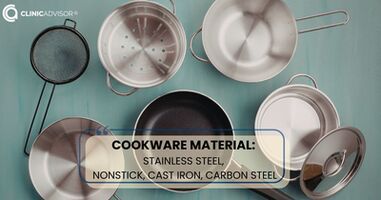
Instead of thinking of pan shapes as names, think of them as moisture-control tools. Each shape pushes cooking toward either dry browning or moist cooking.
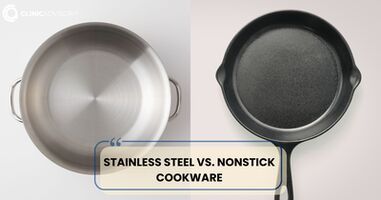
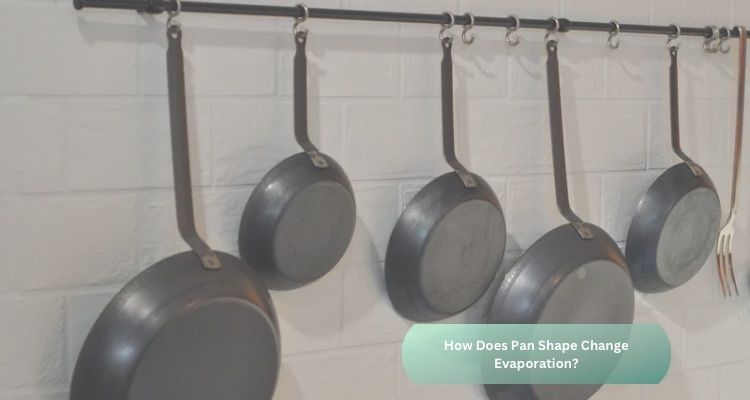
Skillet / frying pan (wide + low + sloped sides)
A skillet is built for evaporation. It’s wide, open, and encourages moisture to escape. Because of that, skillets are excellent for:
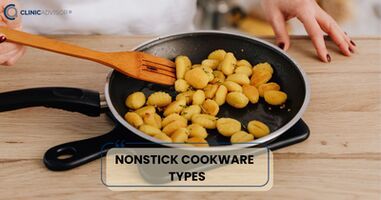
- Searing meat
- Crisping vegetables
- Browning ground meat
- Reducing small amounts of sauce quickly
- Cooking anything where you want dry heat and texture
When skillets struggle is when your cooking gets liquid-heavy. Low sides mean sauces can splatter or overflow if you add a lot of liquid. A skillet can still simmer, but it’s not designed for deep, saucy one-pan meals.
Practical takeaway: If your goal is browning and reduction, skillet shape is usually your friend.
Sauté pan (wide + straight sides + often a lid)
A sauté pan is a hybrid. It still has a wide base, which helps evaporation, but the straight sides increase capacity and trap more steam than a skillet.
This makes sauté pans excellent for meals that shift stages:
- Brown first (lid off)
- Then simmer or braise (lid on or partially covered)
They’re ideal for:
- One-pan chicken dishes
- Pasta finishing in sauce
- Shallow braises
- Vegetables that you want to brown and then soften
The key to avoiding sogginess in a sauté pan is learning lid control. Lid off is best for browning and reduction while lid on is for tenderizing.
Practical takeaway: Sauté pans are best when you want both browning and sauce control in one vessel.
Saucepan (tall + narrower)
Saucepans are made to hold liquid, not to evaporate it quickly.
A tall saucepan:
- Slows evaporation
- Helps maintain a steady simmer
- Reduces splatter
- Keeps liquids from reducing too fast
That’s why saucepans are great for:
- Grains and rice
- Reheating soup
- Boiling eggs
- Simmering sauces you don’t want to reduce aggressively
But if you try to sauté vegetables in a tall saucepan, you’ll often end up with watery results because moisture stays trapped and the surface area is smaller.
Practical takeaway: saucepans are for simmering and boiling, not browning.
Saucier (rounded sides, similar height to a saucepan)
A saucier behaves like a saucepan in evaporation speed, but it excels at movement. Rounded corners make whisking and stirring smoother, and they prevent sauces from sticking in sharp corners.
Sauciers are ideal for:
- Cream sauces
- Custards and thick sauces
- Reductions that need constant stirring
- Gravies and pan sauces that you want to whisk smoothly
Evaporation is still slower than with a skillet, but the shape improves control and reduces the risk of scorching.
Practical takeaway: If you make sauces often, the saucier shape makes reduction and stirring easier.
Stockpot (very tall, high volume)
A stockpot is built for volume and boiling efficiency, not fast reduction.
Because it’s tall and narrow:
- It holds a lot of liquid
- It evaporates relatively slowly for its volume
- It’s great for boiling pasta, making stock, and big soups
If you try to reduce a sauce in a stockpot, it often takes longer than expected because the surface area is small relative to the volume.
Practical takeaway: stockpots are for boiling and batch cooking, not quick reduction.
Dutch oven (wide enough to reduce, heavy enough to simmer)
A Dutch oven is one of the most versatile moisture-control pots because it can operate in two modes:
Lid off: wide enough for reduction and evaporation
Lid on: traps steam for moist heat braising
The heavy walls help keep simmering stable and reduce scorching risk in long cooks.
Dutch ovens are ideal for:
Braises and stews
Chili and long-simmering soups
Bread baking
Dishes where you want both reduction and moisture retention at different stages
Practical takeaway: Dutch ovens are powerful because they can switch between evaporation and steam-trapping easily.
Roasting pan / sheet pan (very wide and shallow)
Sheet pans and roasting pans maximize evaporation, especially in the oven, because they expose food to hot dry air.
This is why vegetables roast better (crisper) on a sheet pan than in a deep baking dish. Deep dishes trap steam and create softer textures.
Practical takeaway: for crisp roasting, choose shallow wide pans.
Wok (wide opening + curved walls)
A wok is designed to manage steam and evaporation through movement. The center gets very hot for searing, and the sides allow you to move food out of the heat.
Depending on technique, a wok can:
Evaporate quickly for stir-fry
Trap steam when you cover it or crowd it
Cook different ingredients at different heat zones
Practical takeaway: woks are evaporation tools when used with high heat and movement. Crowding turns them into steam traps.
Common mistakes
Sometimes one wrong pan choice can sabotage a meal.
- Using a tall saucepan to sauté: this traps steam, slows evaporation, and gives you watery vegetables. Use a skillet instead.
- Keeping the lid on too long: a lid turns browning into steaming. Use the lid strategically rather than leaving it on by default.
- Overcrowding even a big pan: even a wide pan can steam if you overload it. Moisture has to escape, and there’s a limit.
- Choosing a small pan for a big batch: small pans force crowding. If you want browning, use a bigger surface or cook in batches.
Bottom lineIf you want better browning and faster reduction, choose wide, open pan shapes and keep steam moving out of the pan. If you want steady simmering and moisture retention, choose taller shapes and use lids strategically. Once you understand that pan shape is really about controlling evaporation, a lot of “why didn’t this brown?” moments disappear. |
FAQs: How Does Pan Shape Change Evaporation, Steam, and Browning?
Does a wider pan reduce the cooking time of the sauce?
Yes. A wider pan exposes more liquid surface to air, increasing evaporation and allowing sauces to reduce faster. A tall, narrow pot cools more slowly because less surface area is exposed and steam is more readily trapped.
Why does food steam instead of brown?
Food steams when moisture can’t escape fast enough. This usually happens from crowding, using a tall pan, or cooking with a lid on. Browning improves when the surface dries, which requires evaporation.
Skillet vs sauté pan: which reduces faster?
A skillet often reduces faster because its lower sides let steam escape more easily. A sauté pan can reduce quickly, too, because it has a wide base, but it traps a bit more steam, especially if crowded or covered.
Does a lid stop evaporation completely?
Not completely, but it slows evaporation dramatically by trapping steam and raising humidity. That’s why lids keep food moist and why uncovered cooking reduces sauces and browns better.
Why are my vegetables soggy in the pan?
Usually, because the pan is crowded, the pan shape traps steam (tall sides), or the lid is on. Use a wider pan, cook in batches, and keep the lid off when you want browning.
Does the pan material affect evaporation or just the pan shape?
Pan shape controls evaporation most directly, but material affects heat delivery and stability. A wide pan of any material evaporates faster than a narrow one, but heat conduction and responsiveness can change how quickly the pan recovers and browns.