

Sunglasses are more than just a fashion accessory—they are a crucial tool for protecting your eyes from the harmful effects of ultraviolet (UV) radiation. Prolonged exposure to UV rays can lead to serious eye conditions, including cataracts, macular degeneration, and even skin cancer around the eyelids. Therefore, choosing the right pair of sunglasses is essential for maintaining your eye health. This article provides a detailed guide on choosing the best UV protection sunglasses, ensuring that you not only look stylish but also keep your eyes safe from the sun’s damaging rays.
How Does UV Radiation Impact Eye Health?
What is UV Radiation?
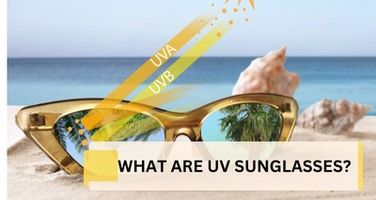
UV radiation is part of the electromagnetic spectrum emitted by the sun. It is divided into three types: UVA, UVB, and UVC. While UVC rays are mostly absorbed by the Earth's atmosphere, UVA and UVB rays reach the surface and can cause harm to the skin and eyes.
Prolonged exposure to UVA and UVB rays can lead to various eye conditions, including photokeratitis (sunburn of the cornea), cataracts, and macular degeneration. Proper UV protection can significantly reduce the risk of these conditions.
Key Features to Look for in UV-Protective Sunglasses:
1- UV Protection Rating
Importance of 100% UV Protection
The most critical feature of any pair of sunglasses is its ability to block 100% of UVA and UVB rays. Sunglasses with labels stating "UV400" provide the highest level of protection, filtering out all light rays with wavelengths up to 400 nanometers, which includes both UVA and UVB rays.
How to Check UV Protection
When purchasing sunglasses, look for a sticker or label indicating 100% UV protection or UV400. If the label is not present, avoid the purchase, as the sunglasses may not provide adequate protection.
2- Lens Material
Impact on Protection and Durability
The material of the lens plays a significant role in the sunglasses' ability to protect your eyes. Common materials include polycarbonate, CR-39, and glass. Polycarbonate lenses are lightweight, shatter-resistant, and offer excellent UV protection, making them a popular choice.
Comparing Lens Materials
- Polycarbonate: Offers superior impact resistance and UV protection, ideal for active lifestyles.
- CR-39: A plastic polymer that provides good optical clarity and UV protection, with less durability compared to polycarbonate.
- Glass: Provides excellent optical clarity and scratch resistance, but can be heavier and more prone to shattering.
3- Lens Tint and Color
Does Color Matter for UV Protection?
While lens color does not affect the level of UV protection, it does influence visual comfort and clarity. Common tints include gray, brown, and green, each offering different benefits.
Choosing the Right Tint
- Gray: Reduces overall brightness while preserving true color perception, making it ideal for general use.
- Brown/Amber: Enhances contrast and depth perception, making it suitable for activities like driving or sports.
- Green: Offers color accuracy with enhanced contrast, providing comfort in various light conditions.
4- Polarization
What is Polarization?
Polarized lenses contain a special filter that blocks horizontally reflected light, reducing glare from surfaces like water, roads, and snow. This makes them particularly beneficial for outdoor activities such as driving, fishing, or skiing.
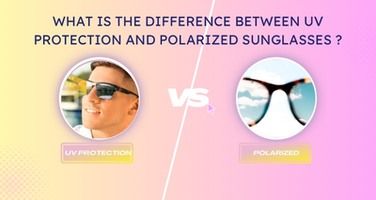
Polarization vs. UV Protection
It’s important to note that polarization is not the same as UV protection. While polarized lenses reduce glare, they do not necessarily block UV rays unless explicitly stated. Ensure that polarized sunglasses also offer 100% UV protection.
Frame Considerations for Optimal Protection
1- Frame Size and Coverage
Importance of Larger Frames
Larger frames provide better coverage, shielding your eyes from UV rays that can enter from the sides or top. Wraparound styles are particularly effective in blocking peripheral light.
Style vs. Functionality
While fashionable frames may be appealing, prioritize sunglasses that offer complete coverage. Consider wraparound styles or oversized frames for maximum protection.
2- Frame Material and Comfort
Choosing the Right Material
The material of the frame impacts both comfort and durability. Common materials include plastic, metal, and nylon.
Pros and Cons of Frame Materials
- Plastic: Lightweight and affordable, but may be less durable.
- Metal: Durable and adjustable, but can be heavier and more prone to bending.
- Nylon: Lightweight, flexible, and durable, making it ideal for sports and active use.
Special Considerations for Specific Needs
Prescription Sunglasses
Importance of UV Protection in Prescription Lenses
If you wear prescription glasses, it’s crucial to ensure that your prescription sunglasses also offer 100% UV protection. Many opticians provide the option to add UV-blocking coatings to prescription lenses.
Options for Prescription Wearers
Consider transition lenses that darken in response to sunlight, or opt for clip-on sunglasses that attach to your regular glasses.
Sunglasses for Children
Why Children Need UV Protection
Children’s eyes are more sensitive to UV radiation than adults. Ensure that children wear sunglasses with 100% UV protection whenever they are outdoors.
Choosing Sunglasses for Kids
Look for durable, impact-resistant frames and lenses. Consider styles with straps or wraparound designs to keep them secure during play.
Tips for Buying Quality Sunglasses
Avoiding Counterfeit Products
Risks of Fake Sunglasses
Counterfeit sunglasses often lack proper UV protection, posing significant risks to eye health. Always purchase sunglasses from reputable retailers to ensure authenticity.
How to Identify Fakes
Check for certification marks, UV protection labels, and brand authenticity tags. Be wary of deals that seem too good to be true.
Testing UV Protection
Simple Tests for UV Protection
While it’s best to rely on reputable retailers, you can also test UV protection with a UV flashlight. Shine the light through the lenses onto a UV-sensitive card; if the card does not change color, the lenses are effectively blocking UV rays.
Importance of Regular Replacement
UV-blocking coatings can degrade over time. Consider replacing your sunglasses every couple of years or if you notice any scratches or damage to the lenses.
Conclusion
Choosing the right sunglasses for UV eye protection is essential for safeguarding your vision against the harmful effects of the sun. By understanding the key features, such as UV protection rating, lens material, and frame design, you can select a pair that not only complements your style but also provides the highest level of protection. Prioritize quality and functionality to ensure that your eyes remain safe and healthy while enjoying the outdoors.
Final Thoughts
Investing in high-quality sunglasses is a small price to pay for the long-term health of your eyes. By making informed decisions and selecting sunglasses that offer complete UV protection, you can confidently enjoy the sun while keeping your vision safe. Remember, your eyes deserve the best protection, so choose wisely.
```



Share Your Opinion, Please